Beautifully Illustrated Dictionaries on Nature
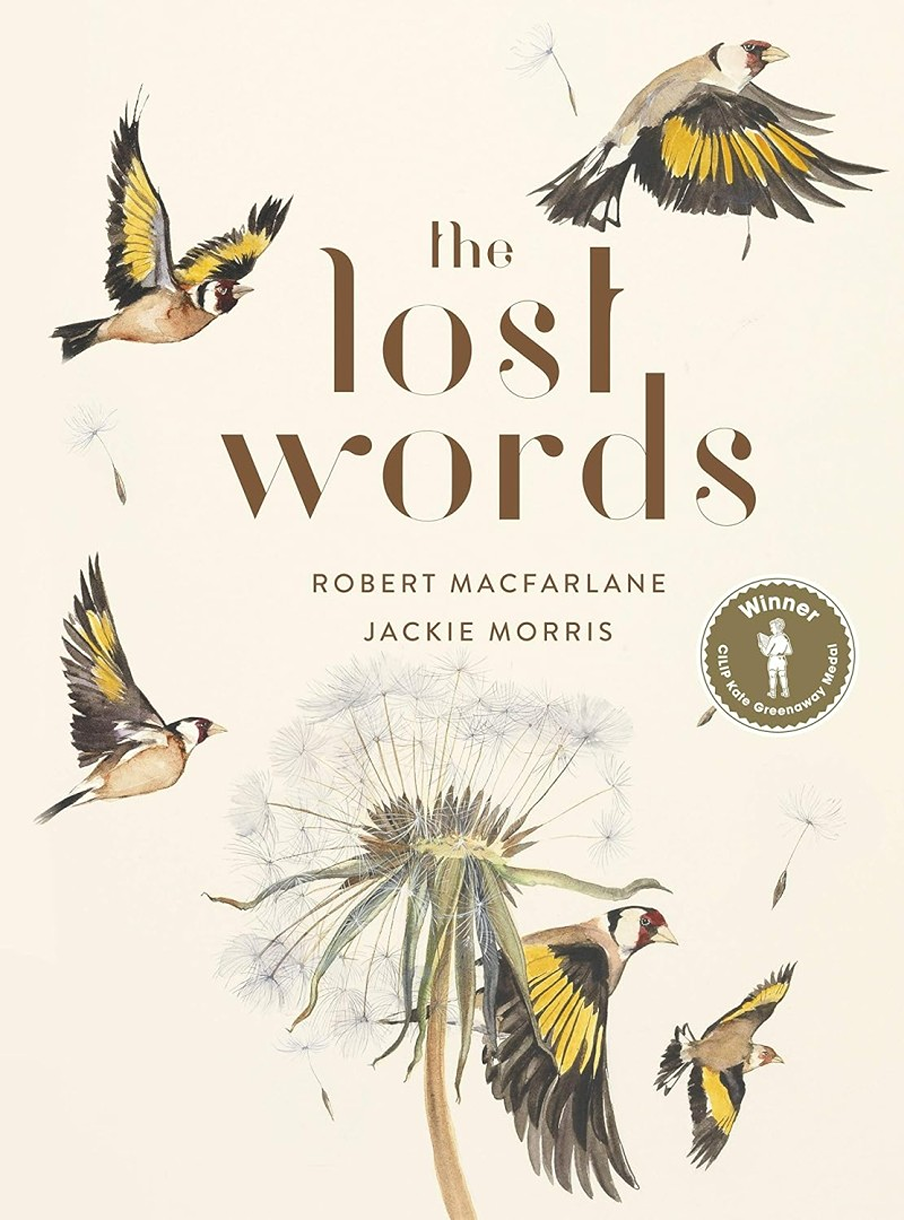
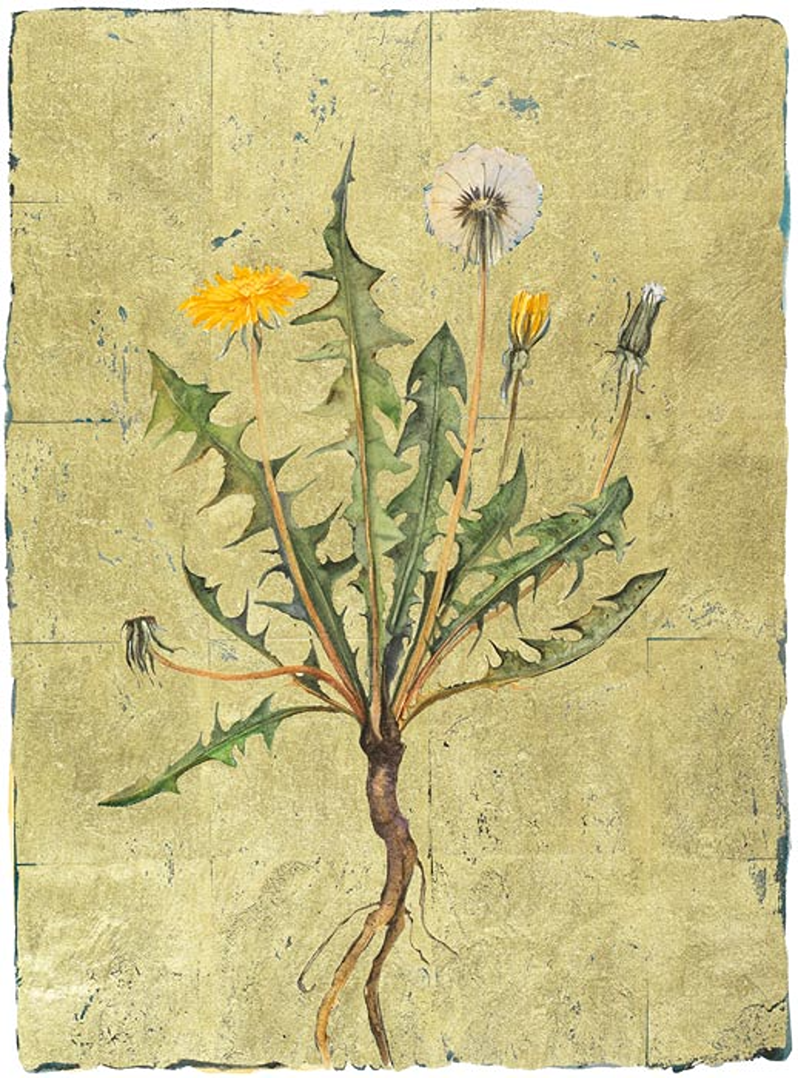
The Lost Words is a bumper book of lost words of nature, illustrated by Welsh artist Jackie Morris. Words from the natural world are disappearing from children’s lives (Dandelion, Otter, Bramble and Acorn). A wild landscape of imagination and play is rapidly fading from our children’s minds.
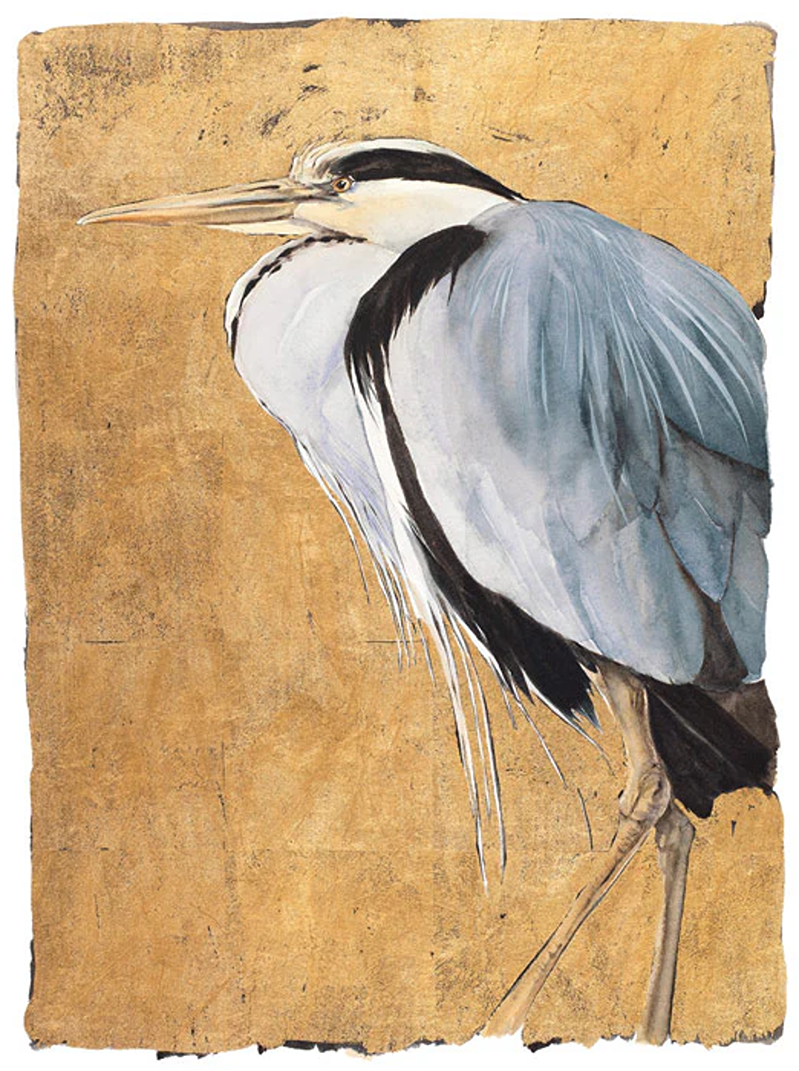
The book grew from a letter that Jackie was asked to sign, when it was found that certain words from the Oxford Press Junior Dictionary were to be removed: heron, acorn and even kingfisher?
Due to a culture that viewed the urban world as more important than the natural world. ‘A timely reminder that we should take a good long look at what we value’.
Jackie wondered how these words could be removed. What did that teach about the importance of nature? She emailed Robert and the book was born.
The poetry and art of this writer and artist appear on bags of Skylark Coffee, a non-profit brand based in Brighton, whose drink sales support many local charities.
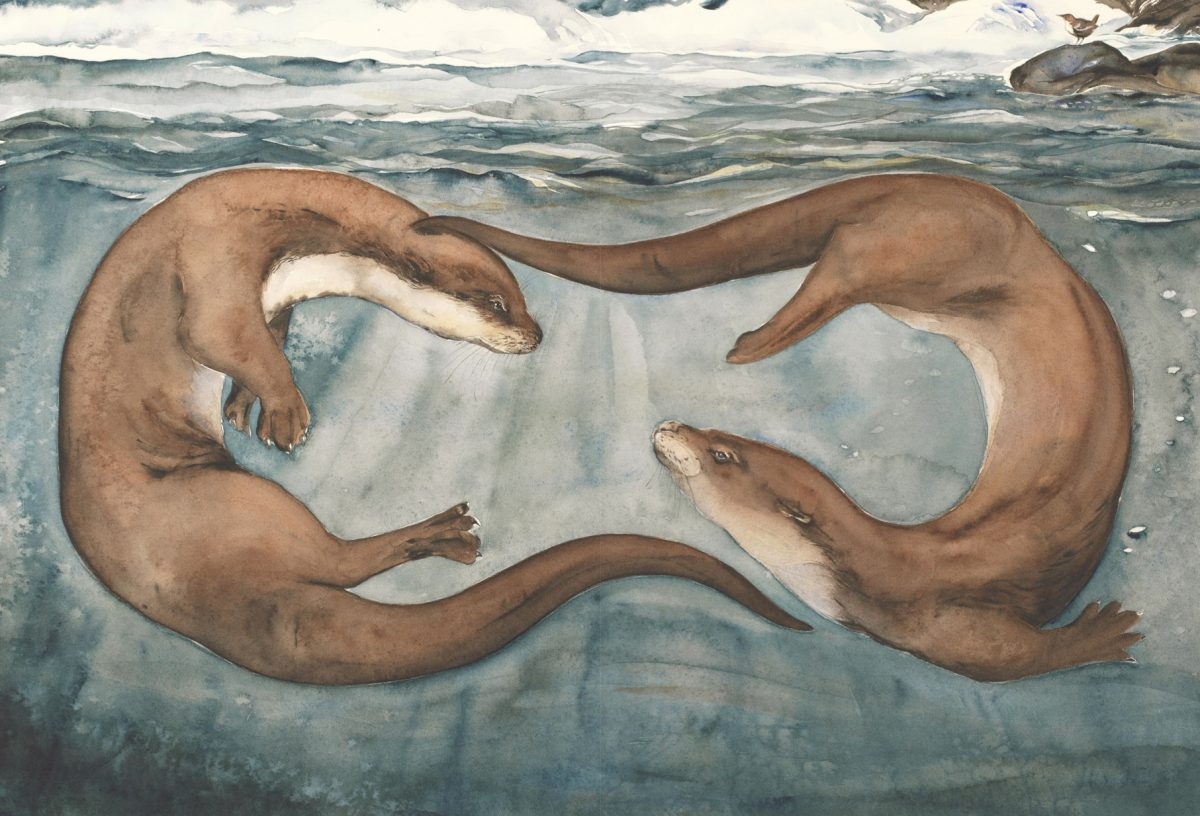
The most beautiful and thought-provoking book I’ve read this year. Frank Cottrell-Boyce
Robert Macfarlane and Jackie Morris have mad a thing of astonishing beauty. Alex Preston
Gorgeous to look at and to read. Jeanette Winterston
Robert Macfarlane is the author of many books on landscape, nature, people and places, his work has been translated into many languages and widely adapted.
Jackie Morris is an artist who lives in Wales, where she shares a small cottage with her children, two odd dogs and cats of various colours, mostly ginger!
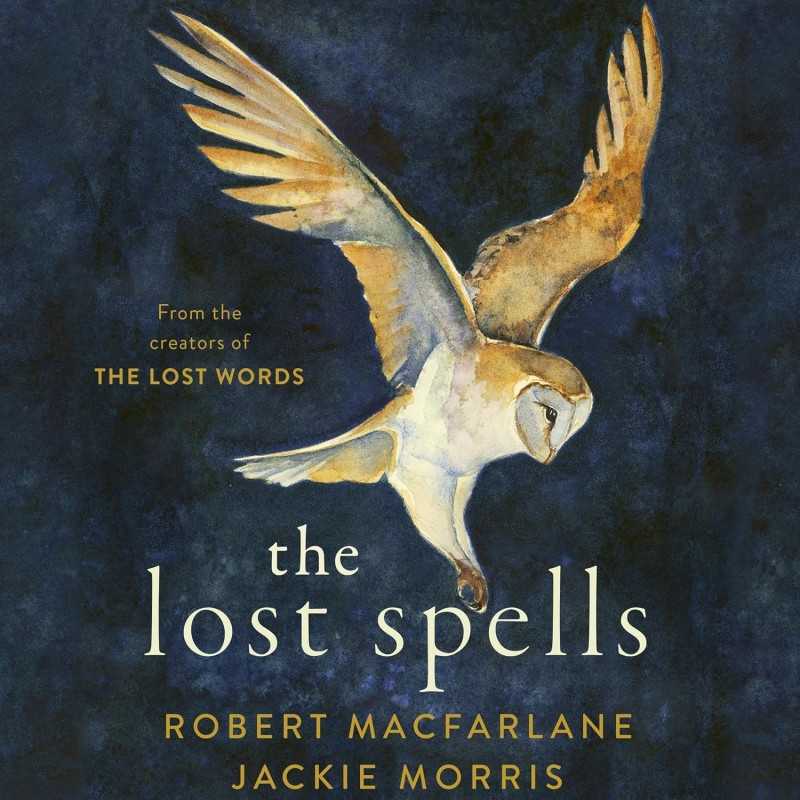
The Lost Spells is the equally stunning sequel, a book of poems and art – from Barn Owl to Red Fox, Grey Seal to Silver Birch, Jay to Jackdaw – with which we share our lives and landscapes. This is written to be read aloud, to teach the names of everyday species.
Writer Christina Crook wrote her book The Joy of Missing Out(about the experiences of her experiences of an Internet fast), after witnessing a ‘man of the cloth’ blessing Blackberries (the phones, not the fruits).
A Charm of Goldfinches (and other collective nouns)
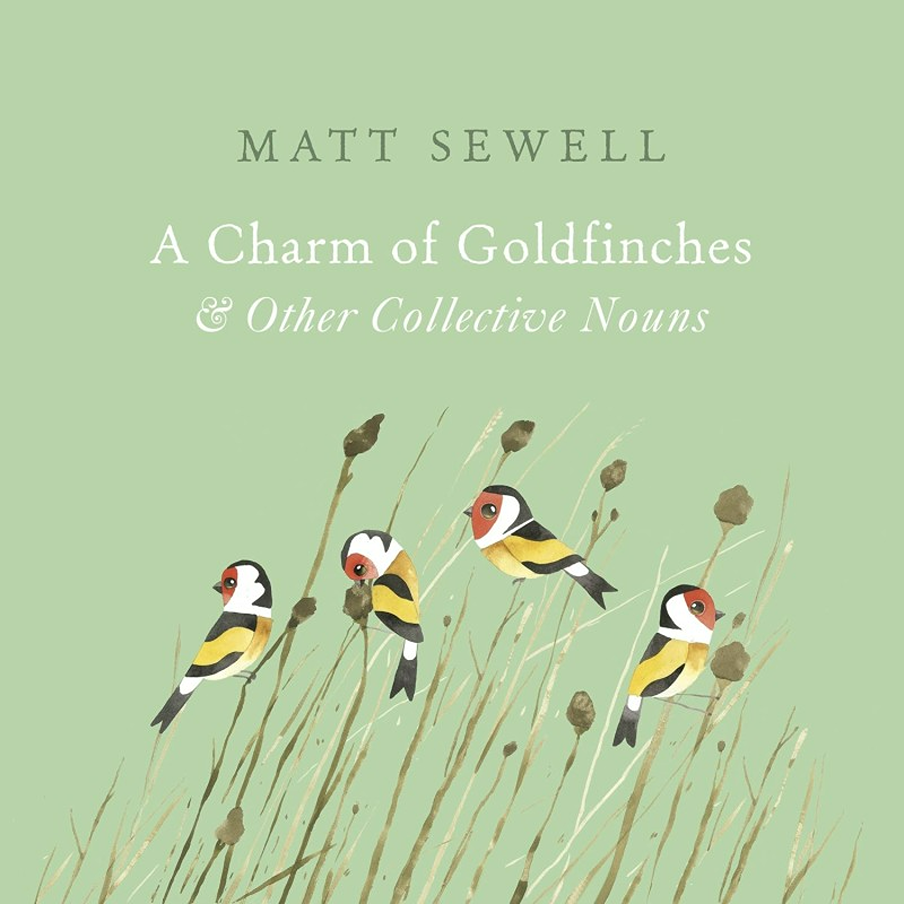
A Charm of Goldfinches (and other collective nouns) is a gorgeous book and educational and funny too. This is a really really good book – really do buy a copy! You’ll learn all manner of info about creatures around the world, in funny narratives.
Some of the creatures featured (grouped by land and sea) include:
- An Array of Hedgehogs
- A Memory of Elephants
- A Skulk of Foxes
- A Down of Hares
- A Pride of Lions
- A Trip of Rabbits
- A Crash of Hippos
- A Richness of Martens
- A Dazzle of Zebras
- A Lounge of Lizards
- A Mural of Buntings
- A Skein of Geese
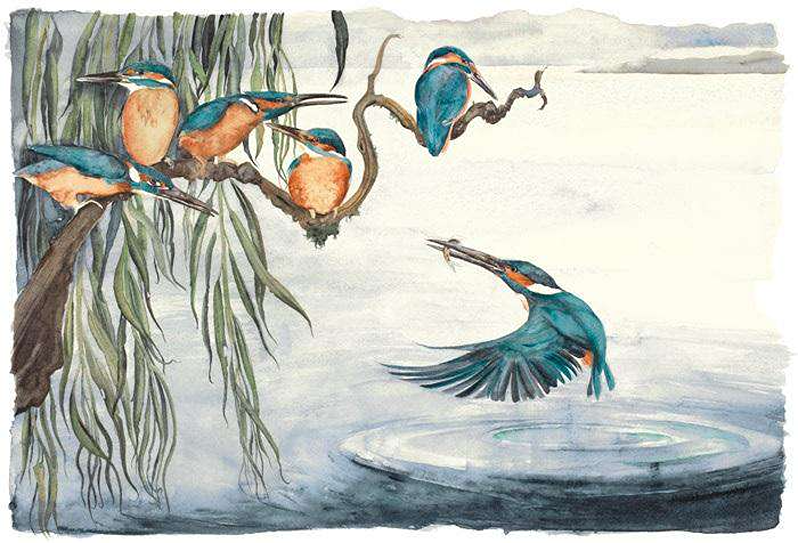
- A Crown of Kingfishers
- A Cloud of Bats
- A Murmuration of Starlings
- A Flutter of Butterflies
- A Watch of Nightingales
- A Pod of Dolphins
- A Harem of Seals
A Mob of Emus: Emus are nearly 6 feet tall and certainly not afraid to look you in the eye. They are like a bunch of locals who gate-crash your party.
All weird haircuts and mono-brows, they’re funny and quite charming at first. Until they’ve drunk all your booze and things start to turn a bit nasty. So it’s probably best to avoid eye contact from the get-go.
Matt Sewell is a popular writer and artist, and ornithologist. He has written several books on birds and the natural world, and his art even appears on stamps on the Isle of Man!
A Warming Dictionary of Winter Words

A Winter Dictionary is a beautifully written guide to warm the coldest of hearts, as the nights drawn in and the cold descends. Including an incredible array of words to superbly capture the season, this is ideal indoor reading.
Discover rare, fascinating and forgotten words on winter months. From frost dogs (tiny frozen particles of falling snow) to chibbly (crisp with frost).
Read posts on keeping safe in snow and frosty mornings.
A Few New Dictionary Words to Learn!
Abscission – the process by which a leaf detaches from its tree in autumn
Afterlight – the glow that remains in the sky, after the sun has set
Blewse – a blueish morning’s mist
Chirming – the subdued twittering of birds before a storm
Cosmognosis – the instinctive force that tells an animal when and where to migrate
Erythrophyll – a natural pigment that turns leaves red in autumn
Wedge – the v-shaped line formed by geese in flight
Paul Anthony Jones is the author of several books, and has contributed to the online Oxford and Cambridge dictionaries. He lives in Newcastle-upon-Tyne.
Words to Love a Planet (an illustrated dictionary)
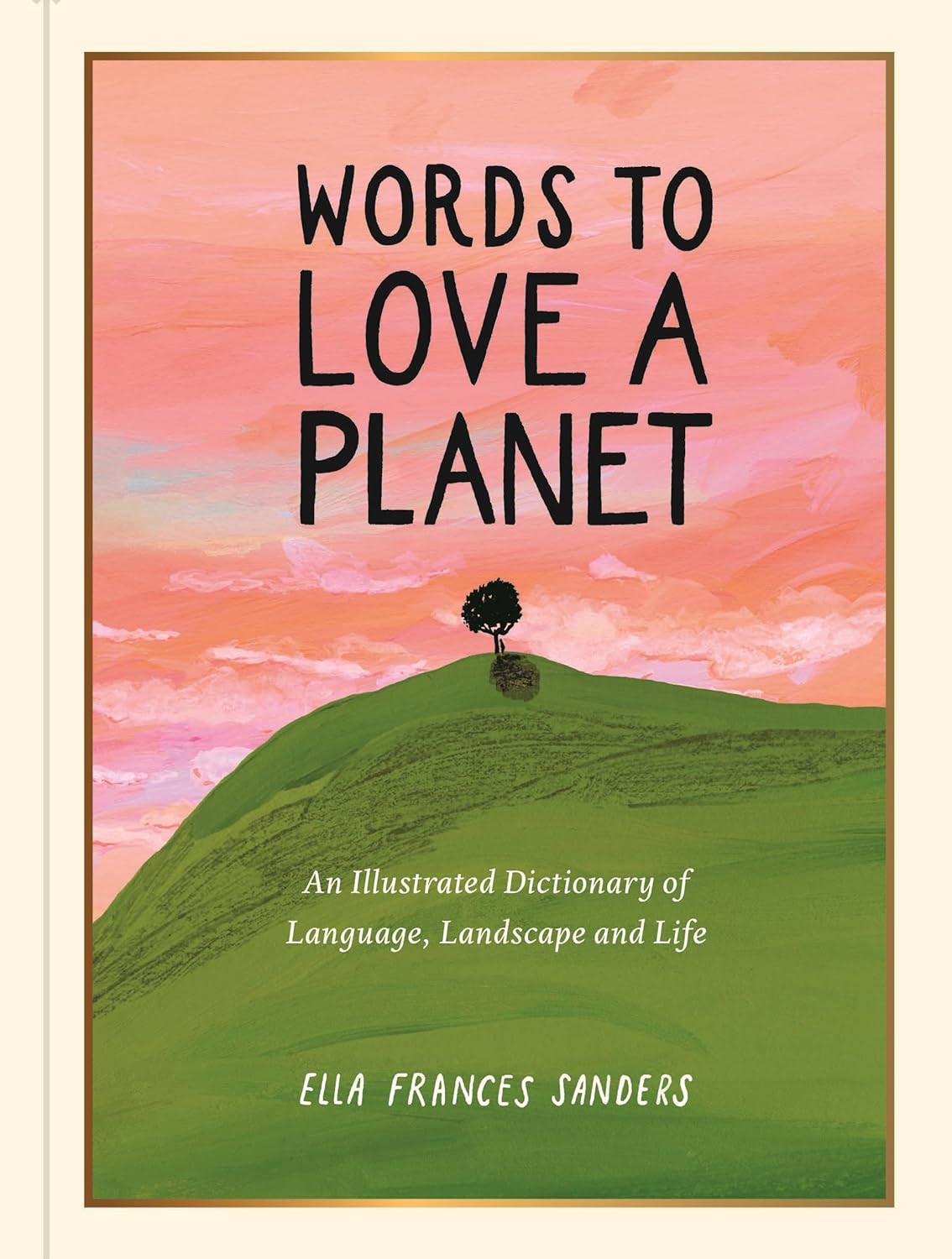
Words to Love a Planet is a beautifully illustrated ‘love letter to the earth’, a dictionary to reconnect us to nature, time and place.
This heartfelt collection celebrates the poetry of language, and the quiet power of noticing. Motivated by a deep care for both words and the world, the author invites readers to reimagine their relationship with the planet through a lens of linguistic wonder!
Across seven themes (from Seasons and Land to Time and Water), discover over 200 words in over 80 languages that illuminate the textures of landscape, feeling, weather and thought.
Each entry includes a pronunciation guide, thoughtful definition and etymological or cultural context.
Author Ella Frances Sanders is an illustrator of books on language and beauty, and lives in Scotland.
An Illustrated Guide to Words of Harmony
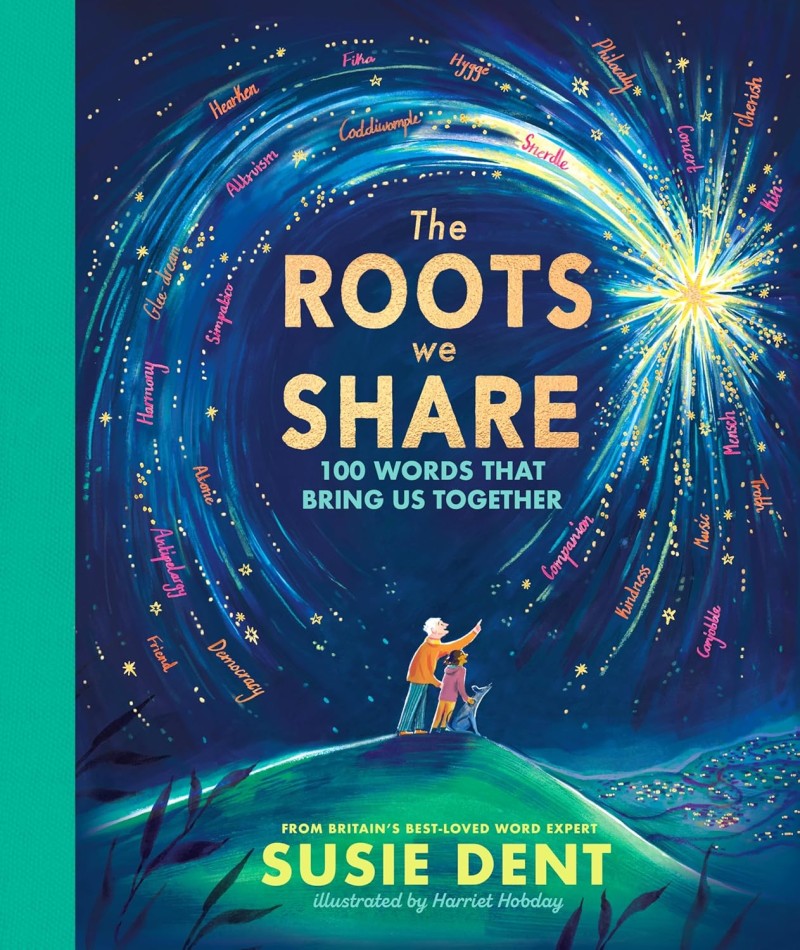
The Roots We Share is a lovingly illustrated guide to 100 words and phrases that bring people together, penned by Countdown’s dictionary expert Susie Dent.
At a time when the world feels more divided than ever, it’s important to remember the things that unite, rather than divide us. Susie has searched far and wide to unearth words and phrases that celebrate harmony, unity and the universal languages, that connect people across the world.
From conjobble (chat with a friend over food) to goodwilly (to be kind, generous and cheerful). At atone for a mistake (become ‘at one’ with someone again) or simply head off on a coddiwomple (a journey with no destination).
This joyous collection of words celebrates the things in life that bind us together – from friendship, love and peace to community, music and even the stars. These are the roots we share.
Susie Dent is a lexicographer and etymologist who was educated at a private convent school, set in 55 acres of woodland in Berkshire.
After studying German at Princeton University, she spent a year teaching the language in New York, before returning to England and becoming the resident lexicographer on Countdown.
When I hear the news that the word ‘selfie’ has been named Word of the Year by Oxford Dictionaries, I feel slightly horrified. I still think of myself as fairly youthful but I haven’t got a clue what ‘twerk’ or ‘binge-watch’, two of the other words in the running, mean.
Reasons to Teach Children About Language
Children don’t learn English by memorising a list of “correct” sentences. They learn by noticing patterns, copying what they hear, and testing what sounds right. Teaching the nature of the English language supports that natural learning, because it explains the “why” behind the “what”.
Reading becomes easier when children see how texts are built. For example, comics use short sentences and punchy words for pace. Adventure stories often use vivid verbs to build tension. Non-fiction texts tend to repeat key terms to help the reader stay on track. Once a child can name those choices, they can understand them faster.
Writing improves for the same reason. A child who knows that English offers options (short sentences for impact, longer ones for detail) can shape their work with purpose. They stop guessing. They start choosing. Even simple ideas, like how prefixes change meaning (happy, unhappy) or how endings show time (walk, walked), give children tools they can use straight away.
Speech and classroom talk improve too. When children understand turn-taking, polite disagreement, and how tone changes meaning, they speak with more confidence. They also learn that “good speaking” isn’t about sounding posh. It’s about being clear for your listener.
Better still, children become stronger communicators. They learn to ask, “Who am I talking to?” and “What do I want them to understand?” That mindset supports everything from show-and-tell to job interviews later on.
It teaches children to think critically
Language awareness is thinking skills in disguise. When children notice how words shape meaning, they become harder to fool and easier to understand. That’s a big reason to teach children about the nature of English, especially as they meet more media and more opinions.
A child who can explain why words work is a child who can question them.