Wilding (an illustrated guide to rewilding)

Rewilding is when people buy up land and leave it, so nature comes back to life. This must be done usually by experts, for instance beavers can only be released by experts, to avoid harm to other creatures and vice versa. And you could not release wolves in the hills, as dogs and other wildlife would be harmed.
Planners and builders can hire accredited ecologists at CIEEM, to avoid harming wildlife. Rewilding Britain recommends that if you are concerned over a planning project, to talk to your local Wildlife Trust.
Reform UK if elected, plan to give over all rewilding land to industrial farming, which could send many native species extinct. And increase both floods and wildfires.
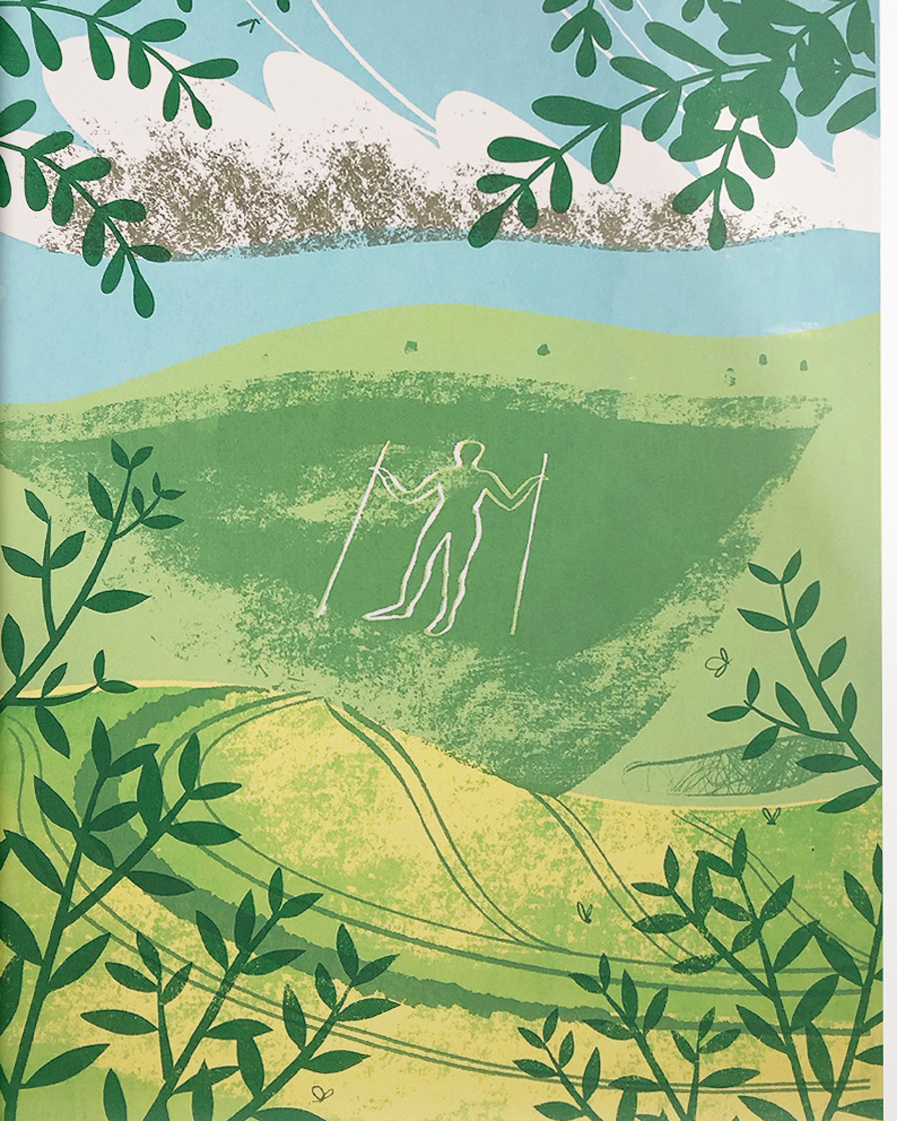
Wilding is a beautifully illustrated guide to rewilding, covering the story of one of England’s most successful project in West Sussex. This previously barren estate is now home to many happy birds – nightingales, peregrine falcons, turtle doves, ravens, red kites, lesser-spotted woodpeckers, skylarks, house sparrows, yellow hammers and sparrowhawks.
Restoring the wetlands of the floodplains by the River Adur has also created habitats for wading birds, amphibians, dragonflies, purple emperor butterflies, native owls and bats, rare beetles, visiting hoopoe birds and black storks (one of Europe’s rarest birds).
And even ‘heathland nightjars’ and ‘woodland nightingales’ that would normally live elsewhere, suggesting they are now ‘clinging to any natural habitats’.
Knepp Estate covers over 3500 acres near Horsham, once used for intensive farming. The owners decided to undertake a unique experiment, simply letting the land be, and leaving nature to itself.
Today, free-roaming herds of English longhorn cattle, Exmoor ponies, Tamworth pigs, and red and fallow deer roam the land. They graze, root and trample, turning up ground which allows wild plants to seed. This mimics natural grazing patterns that once shaped England’s countryside.
Never has there been a more important time to engage in nature and its recovery. And I hope this book will be a source of hope and inspiration for a new generation. Isabella
The book is both educational and funny. Although pigs naturally eat wild roots, the author talks of when they first introduced pigs to the rewilding project; they rooted up pristine lawns, and broke into a marquee where people were having a party, and ate all the ice-cream!
And the pigs on this farm stay with their piglets for months, as they would in nature (not like on a factory farm).
Oak trees need light to grow, so have developed an incredible relationship with jays, the blue-feathered birds of the crow family. A bit like how squirrels bury nuts for later on, jays do the same.
But unlike squirrels, jays suffer from ‘acorn amnesia, so the ones not remembered grow into beautiful trees, for other birds and wildlife!
Certain plants provide pollination for endangered birds and butterflies, and beavers help to prevent floods, and naturally clean the water, which helps local fish and other marine wildlife.
Byline Times reports that Reform UK policy is to ban rewilding on land that could be used for farming. The idea being to ‘help our farmers’. But the party does not know how nature works.
What is needed is to prevent monocultures that degrade land. And to pay farmers for natural flood management solutions, and restoring habitats for endangered species like water voles. This would help food security, farmers and native wildlife.
Isabella Tree is an award-winning writer who manages a rewilding project with her husband. The book is illustrated by Angela Harding, a printmaker who works from her garden studio in Rutland, England’s smallest county.
Rewilding is when people buy up land and leave it, so nature comes back to life. This must be done usually by experts, for instance beavers can only be released by experts, to avoid harm to other creatures and vice versa. And you could not release wolves in the hills, as dogs and other wildlife would be harmed.
Planners and builders can hire accredited ecologists at CIEEM, to avoid harming wildlife. Rewilding Britain recommends that if you are concerned over a planning project, to talk to your local Wildlife Trust.
Reform UK if elected, plan to give over all rewilding land to industrial farming, which could send many native species extinct. And increase both floods and wildfires.