Incredible Insects (how they balance our ecosystems)
Insects may be tiny, but they are some of the world’s most important species. They are responsible for helping plants, animals and people thrive, and without them, we would have no food, including chocolate!
Many people are aghast at the popularity of the TV program I’m a Celebrity, which encourages people to terrify and often eat insects, as if they are of no value. Chris Packham has written an open letter to the producer, begging them to not use live creatures for entertainment.
If growing plants and flowers to attract beneficial insects, read our post on pet-friendly gardens.
Insects Pollinator Plants (and food)
Bees, butterflies and beetles move pollen from flower to flower, which helps plants to grow fruits, seeds and new flowers. Without them, we would have fewer apples, berries and vegetables. Fields and gardens would struggle, and birds and mammals rely on the food they pollinate.
The pollination of cacao relies almost entirely on small biting midges, so without them, there would be no chocolate.
Insects Break Down Dead Matter
Ants, beetles, flies and their larvae feed on dead plants and animals. This natural clean-up crew recycles nutrients back into the soil, making it rich and healthy. Without these insects, dead leaves, wood and animals would pile up, slowing growth for everything else.
Insects Provide Food for Wildlife
Birds, bats, reptiles, frogs and many small mammals rely on insects for food. Tiny flies and moths feed swallows and robins. Hedgehogs snap up beetles and caterpillars.
Even some fish feast on mayflies and mosquitoes. If insect numbers drop, these animals have less to eat and can disappear.
Insects Eat Up Unwelcome Visitors
Ladybirds, wasps and spiders help keep plant-eating bugs under control. This service protects crops and gardens from damage. Farmers often welcome these helpful hunters as part of a balanced farm.
Healthy numbers of these insects mean fewer chemicals are needed on our food. For instance, ladybirds eat aphids, meaning no chemicals are needed.
Certain insects help keep harmful microbes in check. Dung beetles bury animal waste, limiting places where disease can spread. Some predatory flies and beetles eat pests that carry sickness. Their quiet work helps keep both wildlife and people healthier.
Insects Improve Soil, Woodlands & Streams
Earthworms, ants and beetles dig and mix the soil as they crawl. Their tunnels let water and air reach roots, while their droppings enrich the earth. With active insect life, soils stay loose and full of nutrients, which helps plants grow strong.
Read our post on no-dig gardening, to help earthworms and stag beetles.
Some ants and beetles carry seeds away from plants. As they gather food, they drop seeds in new places, helping plants spread and grow. This leads to healthy woods, meadows and gardens, with more space and food for every creature.
Dragonfly and mayfly larvae live in streams and ponds, eating dead plants and small animals. They help keep water clean and provide food for fish and birds. Healthy wetlands and rivers depend on these underwater insects.
Eating Insects Will Not ‘save the planet’
The companies that claim that eating insects (rather than cows) will save the planet are misguided. It’s not true (insects are already eaten in their millions worldwide, it has made no difference).
This is because you can feed far more people on land grown for crops (but insects eat more than they produce, so you need to provide food for them, while alive).
People are starving due to nearly all the world’s land being used for animal feed. If we ate crops instead, the land could feed people. Then the ‘insect answer’ would not be needed anyway.
Insects are also sentient beings (bees do a ‘waggle dance’ to show others where the nectar is, and ants carry ‘wounded soldiers’ back to the nest, to nurse them back to health). Do we really want to create ‘insect factory farms’ in return?
Fun Books to Learn More on Insects
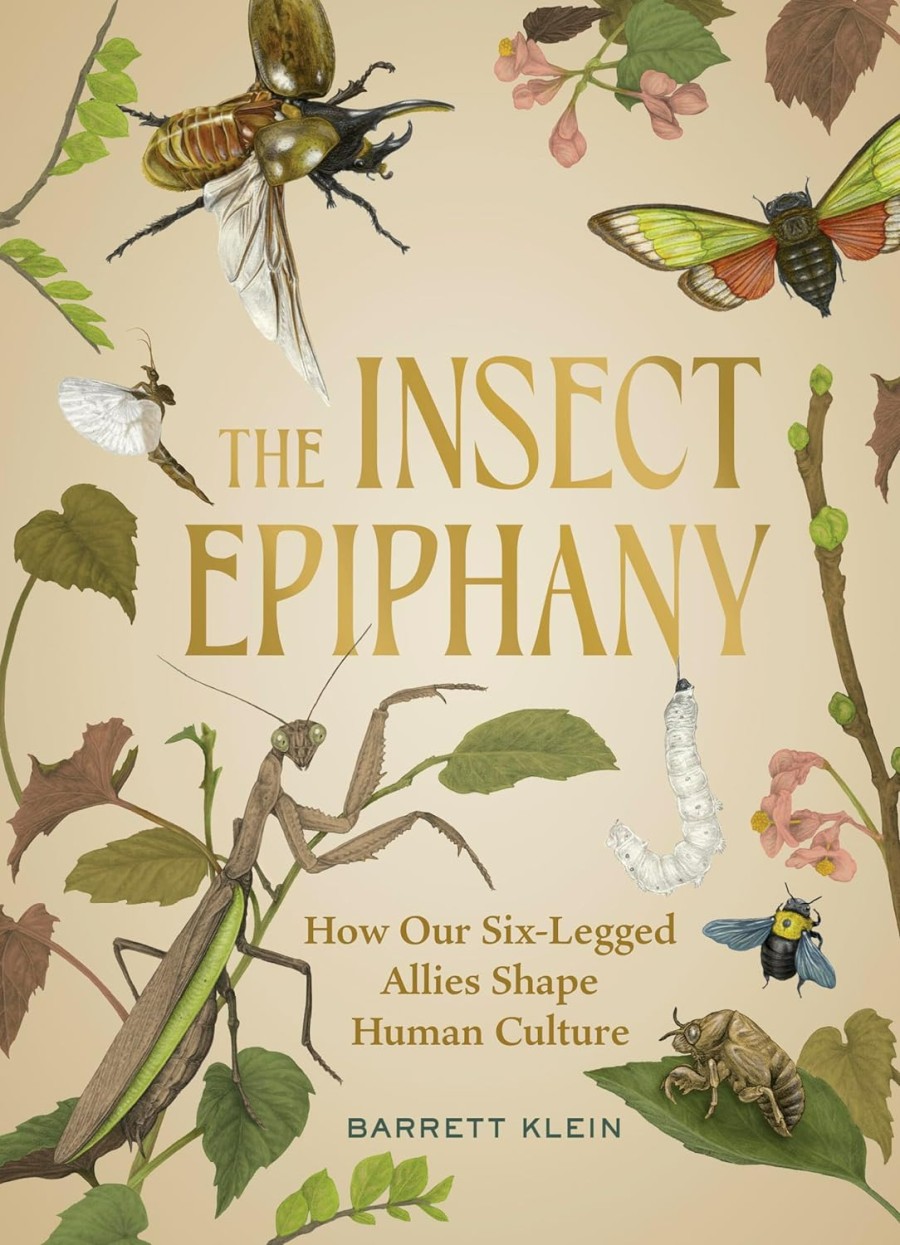
The Insect Epiphany is a buzz-worthy book by a leading entomologist on how insects are needed as pollinators, predators and prey and how they play an often overlooked role in our culture. Their anatomy and habitats inform how we live, build, create and take flight.
An Insect a Day is a glorious collection of richly illustrated stories, profiling fascinating insects from across the world. The showcases the colours, textures and strange unique features of these fascinating creatures, and their special place in our ecosystems.
A Year of Garden Bees and Bugs profiles 52 minibeasts from the around the world, including bees, butterflies and insects. This book tells the story of what is happening week-by-week in the insect world, in our own backyards, window boxes and hidden corners of our homes.
Meet 20 of Nature’s Tiny Champions!

Nature’s Tiny Champions is a unique friendly book, introducing us to 20 of teeny creatures worldwide, that do so much to help our planet. Some of the biggest impacts on our planet is made by some of earth’s smallest species.
We often hear about the importance of amazing large animals (elephants and whales!) But what are the little creatures, whose role is just as vital? This book sheds light on some of the animal kingdom’s most unlikely heroes.
You’ll meet:
- Nocturnal dung beetles
- Cape dwarf chameleons
- Golden poison frogs
- Bumblebee bats
- Reef starfish
- Bee hummingbirds
Learn how the tiny insects, invertebrates, amphibians, reptiles, mammals and birds all play key roles in natural phenomena like migration, food chains and pollination.
Each miniature miracle-worker is portrayed with a life-size diagram, along with detailed views of its attributes. And lots of bite-size facts!
Ben Lerwill is an award-winning children’s author and freelance writer. He has previously been shortlisted for a Wainwright Prize for Children’s Literature.
The book is illustrated by Nic Jones, who draws nature inspiration for her work in the ‘beautifully cloudy’ northwest of England.