Feathered Einsteins! England’s Eight Intelligent Corvids
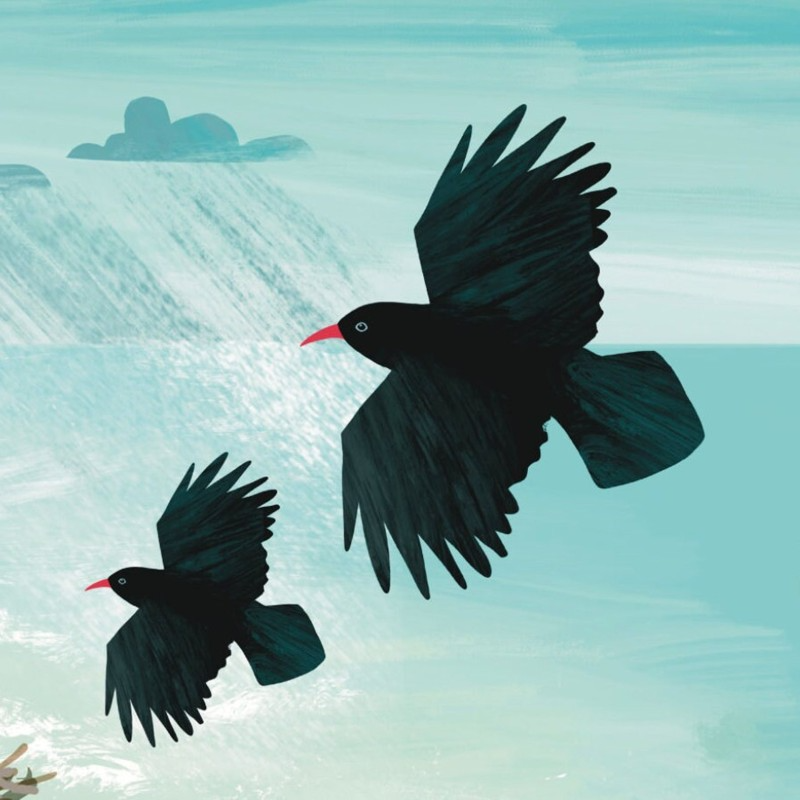
England has eight species of crows (corvids). From Cornish choughs (above) to more common carrion crows (the ones poking around your lawn, taking an interest in everything that moves). Let’s meet all of them (and how to tell the difference), then learn how we can help these most intelligent of birds.
All UK crows are protected under the Wildlife and Countryside Act. You can contact National Wildlife Crime Unit (anonymous if preferred) to report any concerns.
How to help England’s crows
Crows often visit gardens, though they don’t tend to use nestboxes, as they are too large. Keep cats inside at dawn and dusk, when birds are likely feeding (and avoid wooden birdfeeders, that cats can claw up).
- Report broken street lights at Fix My Street and ask your council to install wildlife-friendly lighting). This stops birds waking up at midnight, due to light pollution (affects feeding and breeding).
- Never give garden birds stale, mouldy or crusty bread (can choke) nor buttered bread (fat smears on feathers, affecting weatherproofing and insulation). Also don’t feed nuts to baby birds (buy proper feeders from garden centres with knowledge). Creating natural habitats is best (read our post on pet-friendly gardens).
- Never use bright or tin bird houses (overheat and attract predators)
- Turn off indoor lights when not in use, and don’t face foliage to face gardens. Read more on how to stop birds flying into windows.
- Avoid work or maintenance around the chimney or nesting spots until the young birds have left the nest. Schedule chimney bird-proofing, cleaning, or repairs outside nesting months, usually late autumn or winter. Disturbing active nests is illegal.
What makes crows intelligent?
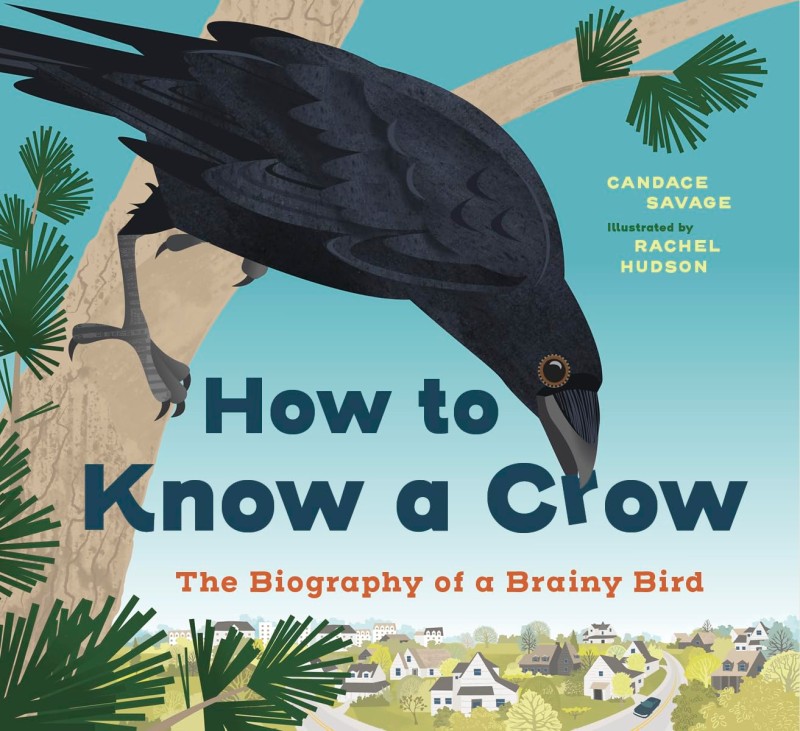
With the biggest brain-to-body ratio of any bird, crows are one of just four species (along with humans, chimpanzees, orangutans) that can make tools. They have been known to craft ‘hooks’ from twigs, to fish out creatures from tree crevices.
They also have been seen dropping stones to raise the level of water (so food floats closer). And dropping nuts onto roads, waiting for cars to run over them, then flying down to retrieve their dinner!
Crows are (mostly) sociable birds, that often ‘teach skills’ to other birds. They also watch and learn. Say if one crow learns how to access food from a new source, the other birds will do the same. Crows can also warn each other of threats, and recognise different faces.
Although mostly solitary, crows are even known to hold ‘funerals’ for dead birds. They peck dead birds, ward away predators trying to eat the corpse, and even make cawing noises (like a hymn).
Let’s meet England’s crow birds!
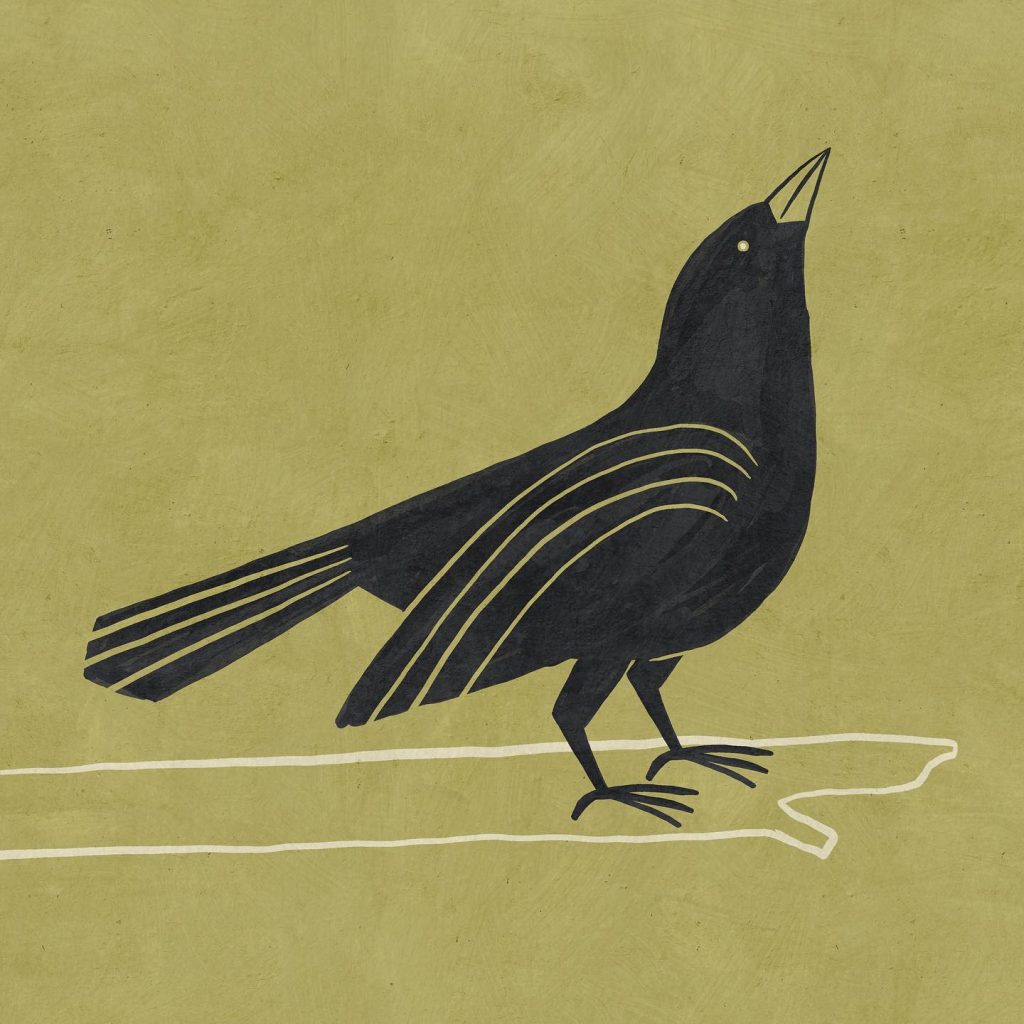
There are eight species in total:
Carrion crows (blunt back beaks)
These are big heavy birds with blunt black beaks, usually found alone or in pairs. Like most crows, they live on seeds, fruits, eggs, young birds and carrion (carcasses).
Hooded crows (they have grey backs)
These look similar to carrion crows, but have grey backs. They are only really found in Scotland and Ireland.
Rooks (ruffled ‘baggy’ shorts)
These are also big heavy crows, but they have purple feathers and pale grey longer beaks, with ruffled ‘baggy shorts’. They are more social and likely to be found nesting in mature trees in the countryside. They have good memories, often returning to food they have stored earlier on.
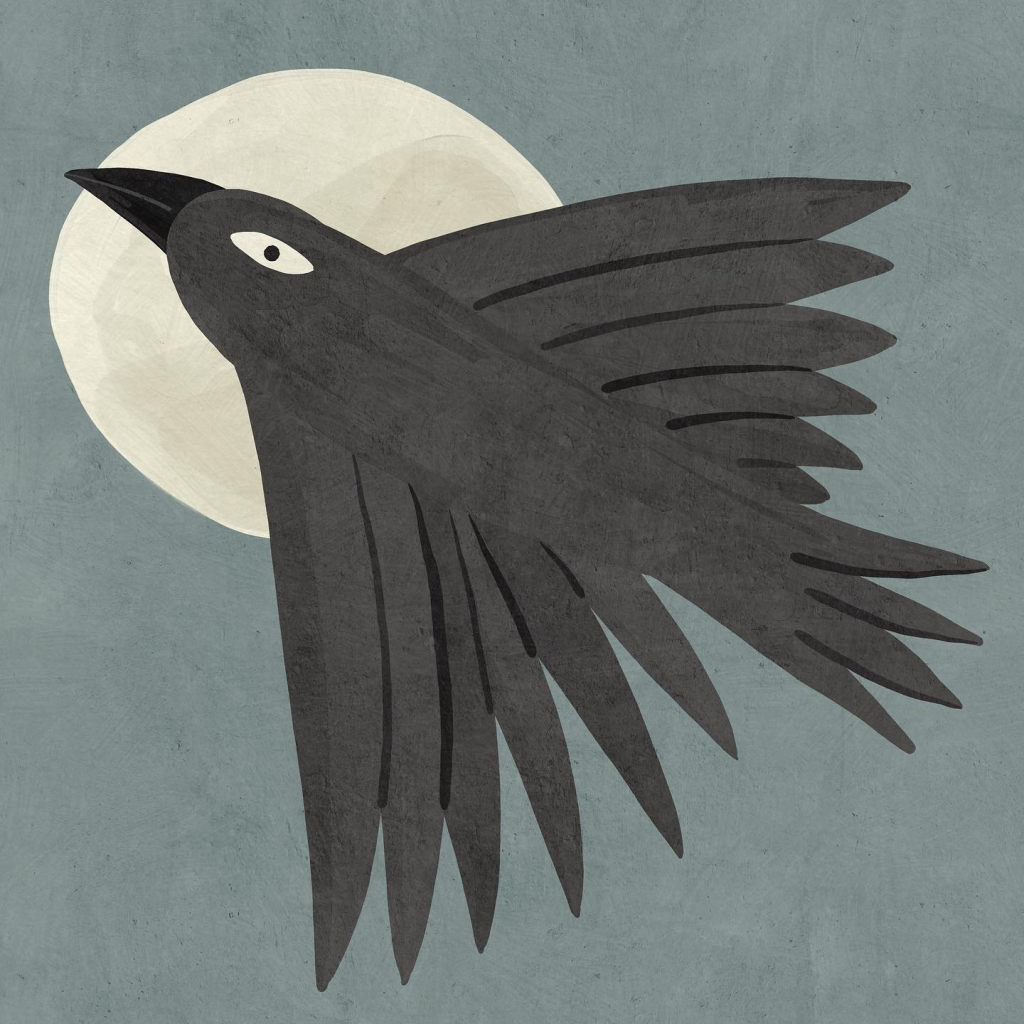
Ravens (fly upside-down for fun!)
These are less common. They are bigger than other crows with metallic feathers and wedge-shaped tails. They are very playful, often flying upside-down for fun. Young ravens drop sticks mid-air, to fly and catch them.
These are the birds at the Tower of London. They have their wings clipped to stop them flying off, though the tower claims this is to keep them safe and well-fed, as they have never lived in the wild.
Jackdaws (smaller crows with grey ‘hoods’)
These are rare smaller crows with short beaks, grey ‘hoods’ behind their head and pale blue-grey eyes (young birds have darker eyes). They often nest on rooftops and chimneys with noisy chicks. They can also often be found nesting in churches, trees and on cliff ledges.
Jackdaws are often seen swaggering about, as if they’re carrying a couple of radiators.
You can be walking along and a jackdaw will look you right in the eye, like he’s reading your mind and make you feel slightly unsettled before flying off. Matt Sewell
Magpies (purple feathers, long tails)
These actually have some purple feathers (they are not just black-and-white). These small birds look bigger, due to their very long tails.
Known for their rattling calls, it’s not true that magpies like shiny jewellery (they are more likely to steal your sandwich!)
Another myth is the ‘one for sorrow, two for joy’ belief. This comes from an ancient nursery rhyme, and has no meaning. In China to see one magpie is good luck!
Choughs (Cornwall’s national birds!)
These are unique crows that are easy to spot as they have red beaks and legs. Previously endangered, these birds are now thriving thanks to conservation efforts, and can also be found in Scotland, Wales and Ireland.
Choughs use their long bills to eat beetle larvae and leatherjackets. They have a loud ‘chee-ow’ song, and are mostly found on cliff faces and rock ledges, but also nest in empty buildings.
Keep at least 50 metres away from coastal birds (if they fly away, this wastes energy that could be spent feeding).
Beautiful blue jays (shy woodland birds)
Jays are one of England’s most exotic looking birds, simply because amid their brown bodies, they have beautiful bright blue patches, almost unique in bird world – along with black moustaches!
The blue colour though is not due to pigment in the feathers (they are brown), it’s from light scattering (a bit like polar bears have translucent, not white fur).
Jays are brown birds, with beautiful blue patches and ‘black moustaches’. Mostly found in woodland, you are more likely to hear these noisy chatterboxes in the park, giving out loud screeches as they search for acorns, fruits, beetles and caterpillars.
What’s important (and quite funny) about jays, is that they are very forgetful. So they hunt for acorns, then store them away, often forget where they put some of them, so are almost single-handedly responsible for many of England’s beautiful oak trees that grow from their forgotten stash!
Oak trees (and acorns) are unsafe near pets, horse and livestock, so keep them well away.
How to help orphaned or injured crows
- Check if the birds need rescuing (many fledgling birds learning to fly, have parents nearby). If there is no sign, look around for a nest and gently place the chick back inside. Keep contact brief and only if necessary to move the bird to safety.
- If you don’t see the parents for an hour or more, intervention may be needed. If the bird is injured or too young with few/no feathers to place in a high tree to safely observe, call your local wildlife rescue. Include the location where you found the bird, a description of its condition and the species, if known.
- Place the chick in a small box lined with a soft cloth (no tassels on towels), and keep in a warm spot away from children, pets and noise. Do not feed the bird or give water. Rescuers have training to care for the bird properly (do not handle the bird unless necessary). .
How to stop birds nesting in chimneys
Many birds (especially crows and owls) like to nest in chimneys, and often return each year to the same place. It’s illegal to disturb birds that nest in chimneys, so the best idea is to prevent nesting in the first place.
If a bird is trapped in a chimney, turn off the gas/electricity to the fireplace, then create a dark quiet room with one open window or door, and place a bright torch at the hearth to lure it down, so it can fly out naturally (or catch it in a box to release).
- Have your chimney swept once a year (when all birds have gone at end of season). Schedule chimney bird-proofing, cleaning, or repairs outside nesting months, usually late autumn or winter.
- Don’t install insulation until you’re sure birds have moved on. For gas fires, you’ll need a qualified fitter to move your fireplace away from the chimney opening, to conduct any work.
- Signs of nesting birds include droppings, twigs, leaves and feathers, or noise with visible entry holes. You can try shining a torch down the chimney using an angled mirror, to spot nests in low light or hard-to-reach areas, without disturbing birds.
- Chimney cowls & caps can help prevent smoke blowing back into homes. These sit on your chimney pot to block birds, some with mesh covers to keep small birds out, without blocking airflow. Install correctly so oxygen can circulate.
- Make sure your cowl fits well on your chimney top. A loose cowl can let birds slip in or get damaged by wind. Check your cowl regularly for rust, damage or blockages from leaves. Cleaning it once a year keeps it effective.