Interview with Tristan Gooley (the natural navigator!)
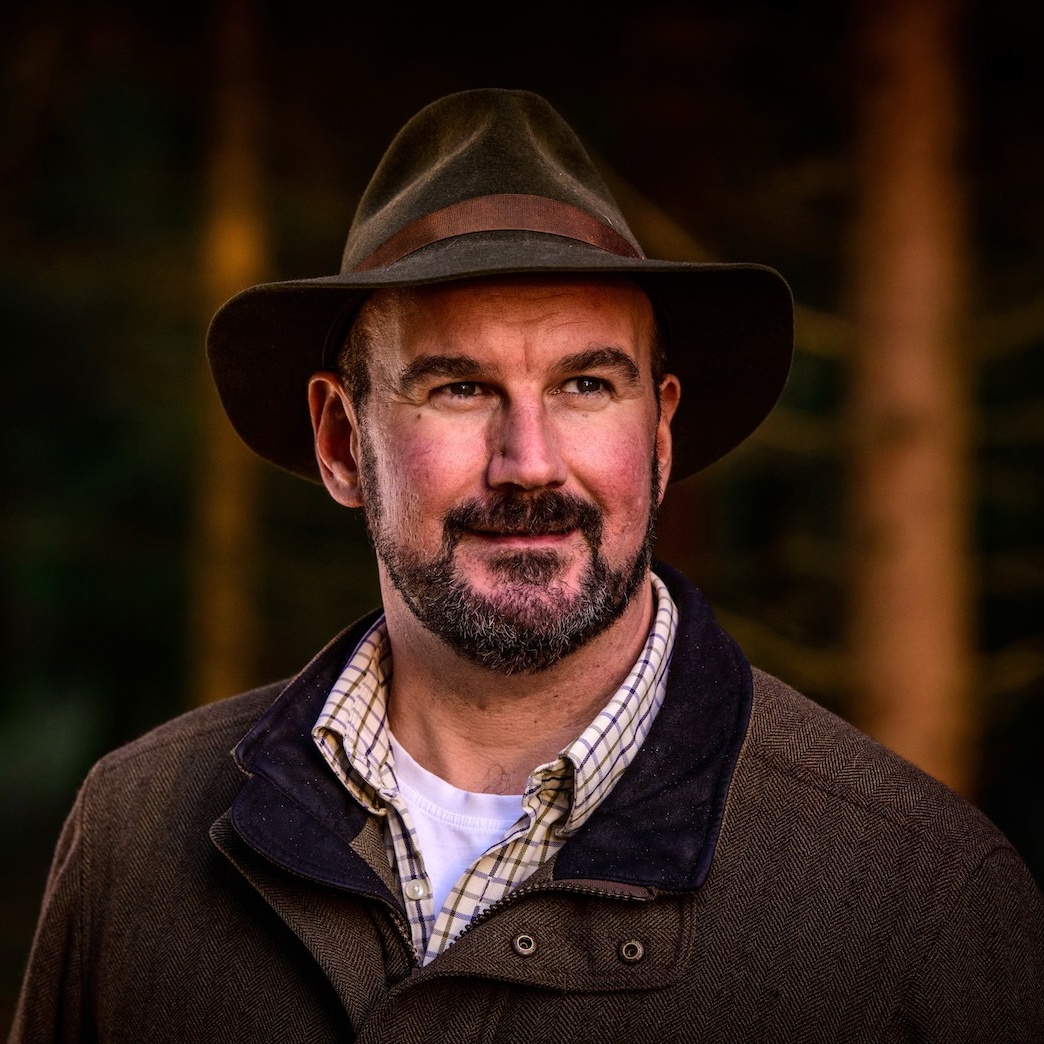
Here’s the first of our interviews with nature-friendly peeps! Tristan Gooley (also known as The Natural Navigator or ‘the Sherlock Holmes of Nature’) has spent decades looking for clues and signs in nature across the world.
He can tell you how not to get lost in the woods, know the way a tree faces, or give information just by looking at a puddle!
You can measure the size of raindrops by looking at the colours in a rainbow – the more red, the bigger the drops!
The moon might not seem to tell you much, about the tree in front of you. But it can tell you which way is south, and this might help unlocked the tree’s secrets.
I would rather die walking, than die of boredom, reading about how to walk safely.
Tristan has walked and studied with some of the most remote people on earth, and even tested Viking navigation methods in a small boat in the north Atlantic.
He is a Fellow of the Royal Institute of Navigation, the Royal Geographical Society and the Royal Scottish Geographical Society. Sign up to Tristan’s free newsletter for interesting lessons by email.
You’ll find Tristan’s books in nearly all bookstores nationwide, so go on a book-buying spree, or ask your library to reserve some of his titles (authors still get royalties, when books are taken out, so ask your library for a request card!)
Interviewing Tristan Gooley (on natural navigation)
Give us 5 easy tips to navigate without a compass!
- Let the sun do the work. Notice where it rises and sets, of course, but also how its arc changes with the seasons. At midday it will always be due south from north of the Tropics, and that simple truth can anchor your sense of direction.
- Read the land. Valleys, ridges, and watersheds have a pattern to them. Water flows downhill and past people and settlements grow where routes naturally meet.
- Tune in to the wind and weather. Prevailing winds leave signatures — bent trees, snow drifts, wave patterns on lakes. These clues are surprisingly consistent once you start looking.
- Use plants and trees. Moss, lichen, branch and leaf density and angles reveal patterns that can all hint at aspect and exposure. Brought together they form a reliable compass.
- Learn to find the North Star. Follow the pointer stars in the plough and you’ll have an accurate compass on every clear night.
Is there anywhere you haven’t been? Tell us about your most exciting expeditions.
The joy of exploration for me is less about place and more about learning how every single landscape will offer up clues. That said, crossing the Atlantic alone in a small boat was formative — weeks of sky, swell, and subtle signs.
Desert journeys have been equally powerful: landscapes in the Libyan Sahara that seem empty at first, until I realised they’re whispering constantly.
Tell us more about your online course.
The course is designed to give people a different way of reading landscapes and new levels of awareness. We move step by step through natural navigation — Sun, stars, weather, plants, animals, landforms — and how to combine clues and sense patterns that hide from most people.
It’s about learning to see again, wherever you live, whether that’s a city park or a mountain range.
Your membership costs less than a coffee, once a fortnight. What are the benefits?
Membership gives you a living library: in-depth articles, video lessons, a photo collection of my favourite clues and signs, all explained, films, seasonal guidance, it guides curious people to ask better questions of the outdoors and enjoy the fascinating clues and signs all around us.
It’s also about rhythm — gentle prompts to notice what’s changing right now in nature, rather than consuming information and forgetting it.
Give three tips to inspire people to get off their phones, and into the outdoors!
- Once a day, ask yourself: Which way am I looking, N, S, E or W? And use your surroundings to answer that question. It is fun and more-ish!
- Start small. Ten minutes of noticing clues near home, beats a grand plan that never happens.
- Make a map with the sky and trees. When we appreciate that clouds and trees map towns, hills and water for us, they never appear the same again.
Nature has always been talking to us. The trick is relearning how to listen.
Tristan – Thank you for sharing your knowledge on England, Naturally!
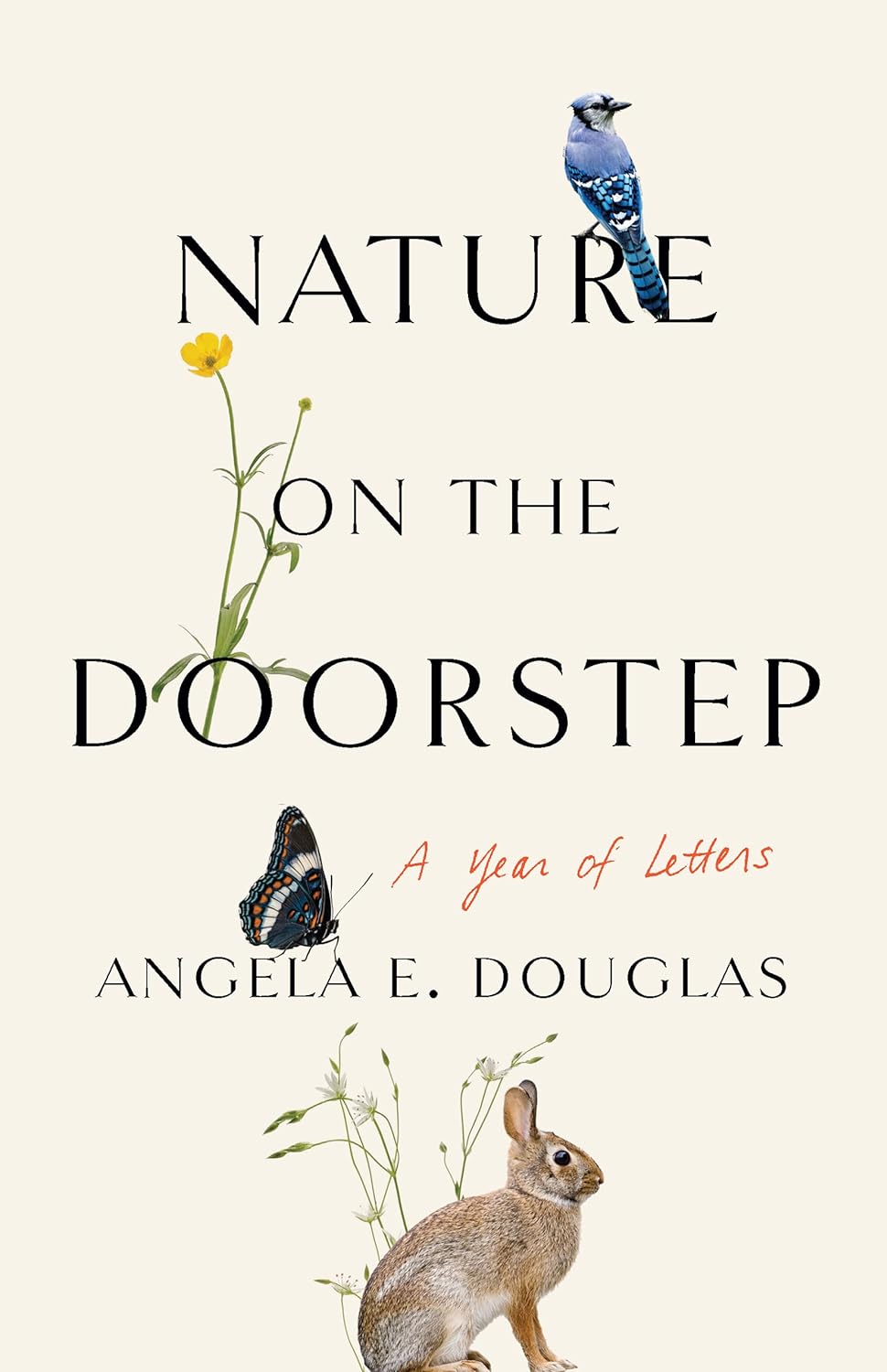
A Couple of Tristan’s Nature Books

The Hidden Seasons shows how to read the clues that the sun, moon, stars, plants, fungi, weather, animals and water give us.
- Spring is the time of wildflower signs, unique cloud shapes and curious animal behaviour.
- Summer is the time of coastal clues, astronomical extremes and secret grass patterns.
- Autumn is a time for reading leaves, deciphering scents and investigating fungi (only if safe, keep pets away).
- Winter is the time to read snow, deepen our star knowledge and use rare methods to find clues in overlooked places, including indoors.
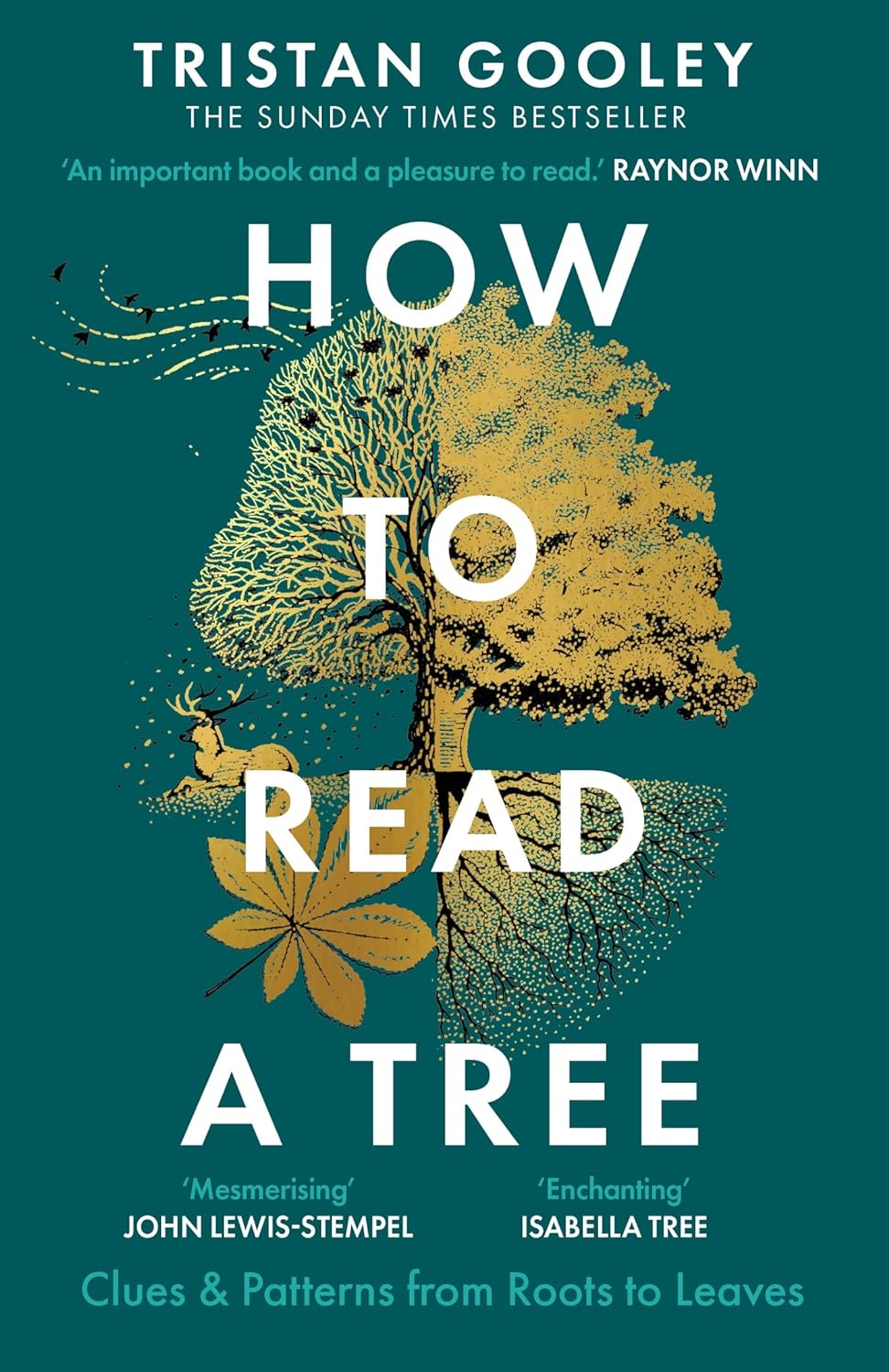
How to Read a Tree shows that clues are easy to spot, if you know what to look for. You’ll learn rare skills that can be applied each time you pass a tree, whether you are in a town or wilder spot. Trees can tell us about the land, water, people, animals, weather and time. And about their lives.
Did you know that some trees are not safe near animal friends? Read our post on pet-friendly gardens, and know that some trees (like oak, yew and sycamore) are not safe near horses (also keep dogs away from conkers).