Kent (leafy towns, castles, islands & Canterbury)
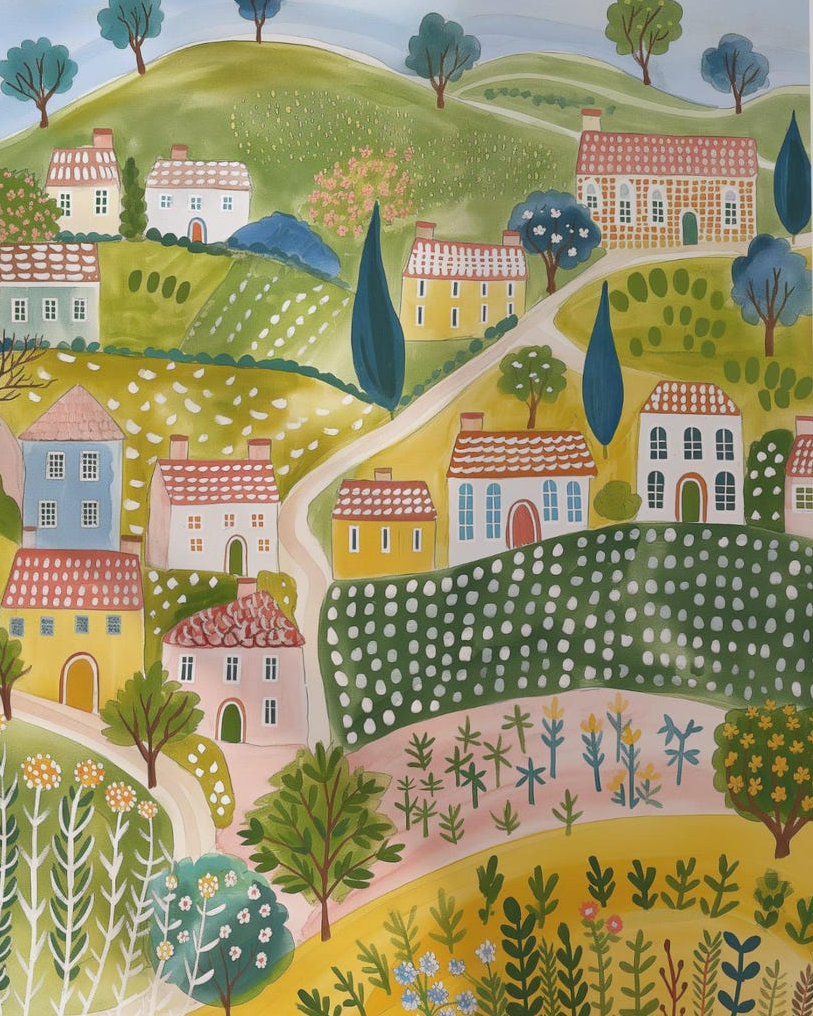
Kent is a county that has several leafy towns, where you can step off the train to a softer air, neater street and find small little tea rooms, just like decades ago. Three towns stand out, each one full of old parks and long lanes of trees, with castle walls by the River Medway, and even a spa town. Ideal to live in, or a day out – or even string them together for a leafy weekend away!
If out walking, always follow the Countryside Code to keep all creatures safe. If at the coast, read about how to keep dogs safe by the seaside (check beach bans before travel).
Never walk on sand dunes, to protect nesting birds, seal pups and other wildlife. Also keep dogs away, especially in breeding season.
Oak trees are toxic to horses and livestock (conkers from horse chestnut trees are also unsafe to dogs).
Sevenoaks (big trees and and Knole park)
Sevenoaks sits close to the North Downs, with the edges blurring quickly into woods and commons. The name sets the tone, as oak trees are of course part of the story, their solid trunks and wide shade a steady presence in parks and along lanes.
Knole Park is the anchor here, with broad lawns and wild deer, which you can walk a a short loop in an hour, or go for a longer wander, when you want a proper stretch for your legs.
The affluent town centre is practical with smart shops and well-kept streets, and places to lunch quietly in local eateries serving seasonal food. Make a day that isn’t over-planned: an oat milk coffee, a relaxing walk and a browse round indie shops, before heading back to the railway station.
Sevenoaks also fits that particular South East idea of “posh”, the sort that shows up with polished front doors, clean brickwork and a quiet confidence in the way people view their town. The town is full of independent schools, two former pupils were actor Daniel Day-Lewis and Princess Diana.
Tonbridge (river town with a castle)
Tonbridge is busy enough to have energy, but has a steady centre, with bridges, towpaths, the River Medway and its own castle. You don’t need a history lecture to enjoy the walls, gatehouse and green space surrounding.
The nicest way to take Tonbridge is on foot. Walk near the Medway, watch rowers and dog walkers pass, then cut back into the centre for something to eat. Meanwhile, the town keeps a low-key, lived-in feel.
Because Tonbridge sits so well between bigger name spots, it can get overlooked. That’s a mistake, especially if you like places that feel real. The shops and cafés are practical, and the pace is friendly. Still, it has that commuter-belt neatness: clean pavements, well-kept greens and houses that hint at serious money.
If you’re doing a three-town Kent run, Tonbridge works as the middle. It links the tree-heavy calm of Sevenoaks with the dressier mood of Tunbridge Wells. So you get variety without long travel.
Royal Tunbridge Wells (a heritage spa town)
Royal Tunbridge Wells knows exactly what it is. It’s a spa town, and it still carries that old idea of health, leisure, and a bit of ceremony, even if you’re only there for brunch. The streets feel intentionally well presented, and the whole place has a light, ordered elegance.
This town has a royal title, and it wears it like a good coat! s a result, the centre feels more dressed-up than many Kent neighbours. You notice it in the shopfronts, the flowers, the way people meet for a drink as if it’s a small event.
The Pantiles is the signature. A simple place to walk, sit and browse. Built for lingering and browsing the shops, the gentle line of cafés and small shops all push you towards taking your time. On some days it feels quietly glossy, while on others it’s almost sleepy, which is part of the charm.
Although Royal Tunbridge Wells is posh, it doesn’t have to feel icy. The best version of the town is relaxed, a few hours wandering, a drink somewhere nice, then a slow walk out towards greener edges. Besides, the surrounding area makes it easy to tack on a bit of countryside without changing gears.
The Fairytale Castles of Kent
Leeds Castle sits in a broad moat, with water reflecting walls and windows like a mirror. It can feel more like a palace in parts, because the interiors aim for elegance as much as defence. Outside, the grounds are a big part of the appeal.
Hever Castle is smaller and cosier, with strong Tudor links that give it a courtly edge. The rooms feel closer, and you get a clearer sense of how people moved through a household. Includes beautiful gardens and a lake.
Dover Castle sits high on the white cliffs, facing the Channel like a guard on night duty.
A Few Unique Islands off the Kent Coast

You’ve likely heard of the Isle of Sheppey (just off the North Kent coast) which has seaside towns, a harbour and two nature reserves (home to oystercatchers, redshanks, lapwings and marsh harriers).
Ian Crofton’s book on English islands has a history of this island, with unexploded bombs being left on the shoreline after World War II. Elmley National Nature Reserve draws birdwatchers with rare waders and sweeping views.
Isle of Sheppey (big skies and hidden corners)
Sheppey sits between the Swale and the Thames Estuary, a low stretch of land where water seems to press in from both sides. It counts as an island even though the Kingsferry Bridge links it to mainland Kent.
Leysdown has a wide shore, although it’s not a postcard-pretty town. Elmley is a different kind of open. Minster adds the human layer. The island’s history sits in the town shapes, the sea front, and the way the harbour and defences face out.
Sheerness has that mix of working coast and ordinary seaside life. You can take the train to Sheerness-on-Sea via Sittingbourne, then use local buses for certain areas. After that, it depends on where you want to end up. A day based around Sheerness and Minster suits trains and walking.
More tiny islands of Kent
The Isle of Thanet is simply a coastal area, that separated at one point from the mainland by River Wantsum, but now is joined again. It has the longest continuous stretch of chalk cliffs in England, and the 40 square miles includes key towns of Ramsgate, Broadstairs and Margate (where Del Boy and Rodney went for their ‘jolly boy’s outing in the classic TV episode of Only Fools and Horses).
There are also a few villages (Birchington-on-Sea, Minster and St Peter’s, along with scenic beaches at Botany Bay and Viking Bay.
Burntwick Island lies in Medway Estuary, cut off from the mainland by muddy creeks and tidal water. There’s no access by road, but you can see remains of a shepherd’s house (long left with his sheep, due to flooding) and littered Victorian glass and pottery.
The island is now a protected nature reserve, the saltmarsh home to curlews and redshanks. Seals often haul out on its muddy banks.
Burntwick was a hideout for smugglers in the 18th and 19th centuries, and also used as a quarantine site during outbreaks of plague and cholera.
This area is renowned for sinking mud, so stay away and check local signage. Estuary mud is not like beach sand. It can be deep, sticky, and uneven, and you can’t always see channels until you’re too near them. Read more on quicksand safety.
Deadman’s Island was named after finding the remains of 200 men and boys who dyed on ‘floating prisons’ around 200 years ago. Now a protected wetland, nobody visits.