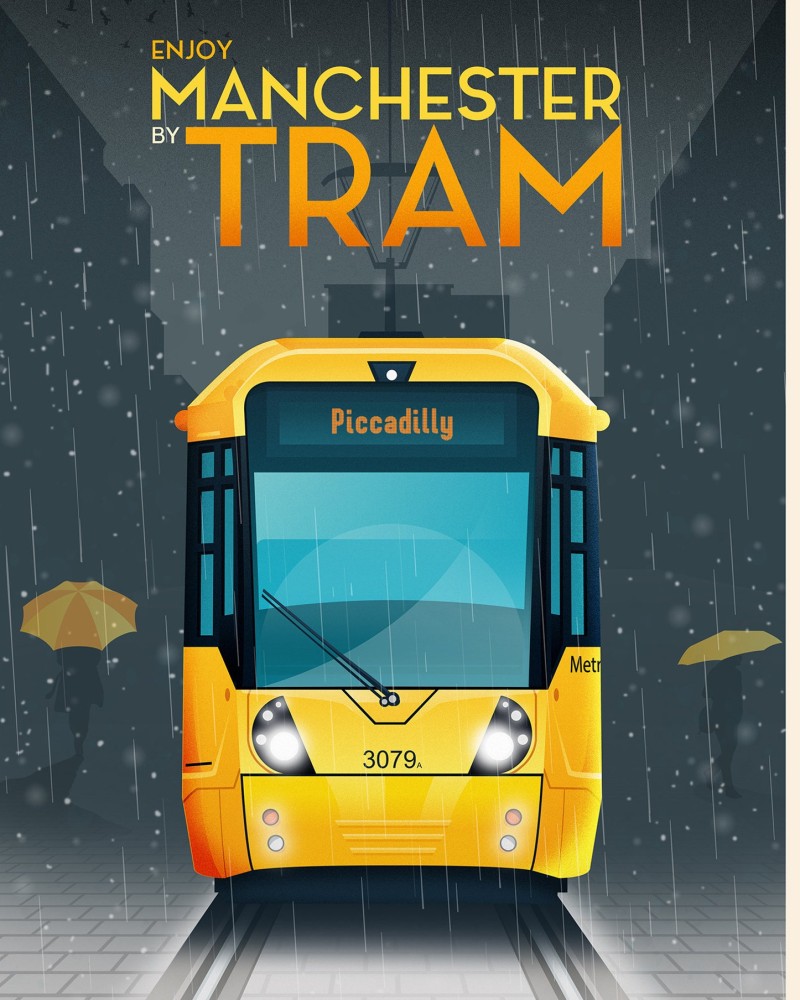
‘Leafy Bucks’ (threatened by HS2 project)
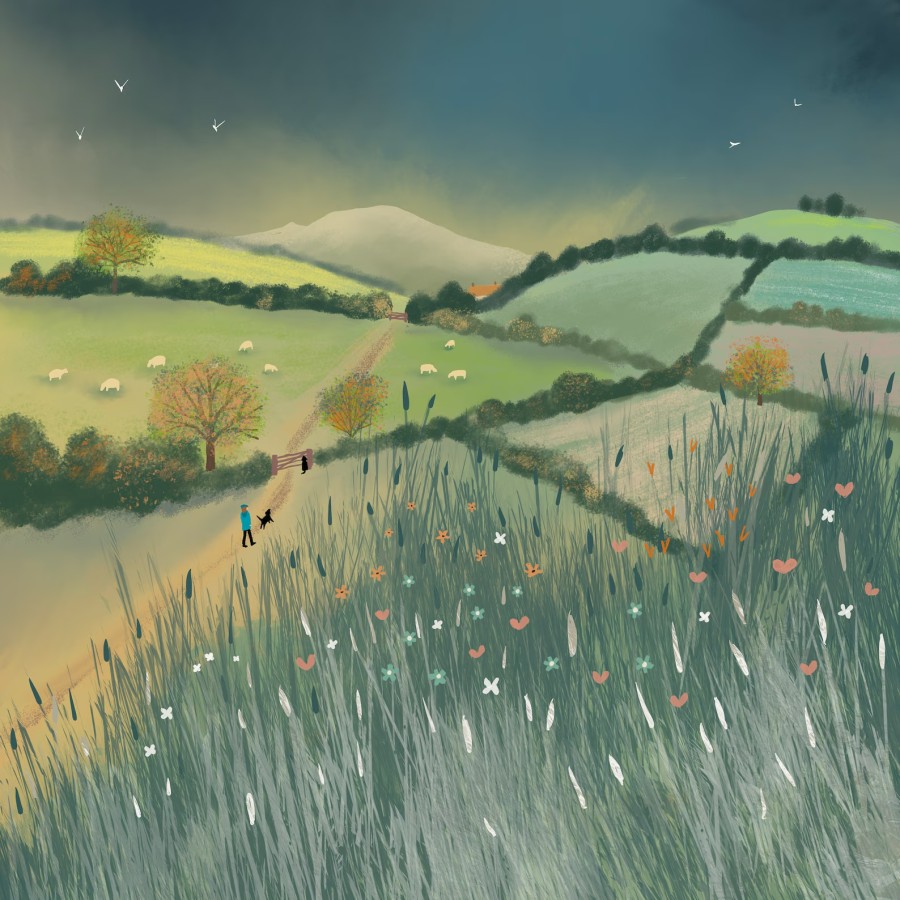
Buckinghamshire is an affluent county in the Home Counties (not far from London). Often called ‘Leafy Bucks’, it also has some of the London underground stations, one arriving at Aldgate East (a bit of a culture shock for some, who live in pretty villages!)
If out walking, follow the Countryside Code to keep all creatures safe. Keep dogs away from bluebells and other spring bulbs.
There are a few towns (Aylesbury, Princes Risborough), but this is mostly English country village land, with ancient churches and village ponds. And home to the Chilterns, low-lying chalk hills.
Buckingham has a timeless charm of cobbled streets and Georgian houses, alongside the River Ouse (it’s also home to England’s only privately-owned university). Markets run twice a week, and independent shops line the high street.
Set on the Grand Union Canal, offering peaceful towpath walks, along a stretch of water that runs from London to Birmingham. Read our post on protecting historic canals.
Denham (pretty parks, walks on Grand Union Canal and indie shops) means this village is home to many celebrities. Previous residents have been Sir John Mills, Sir Roger Moore, Cilla Black and Paul Daniels.
Although the outdoor and railway scenes for the iconic film Brief Encounter were filmed in the Cumbrian town of Carnforth, the studio scenes were filmed at Denham Film Studios (long gone, to be replaced by luxury homes).
The Chiltern Hills (threatened by HS2)
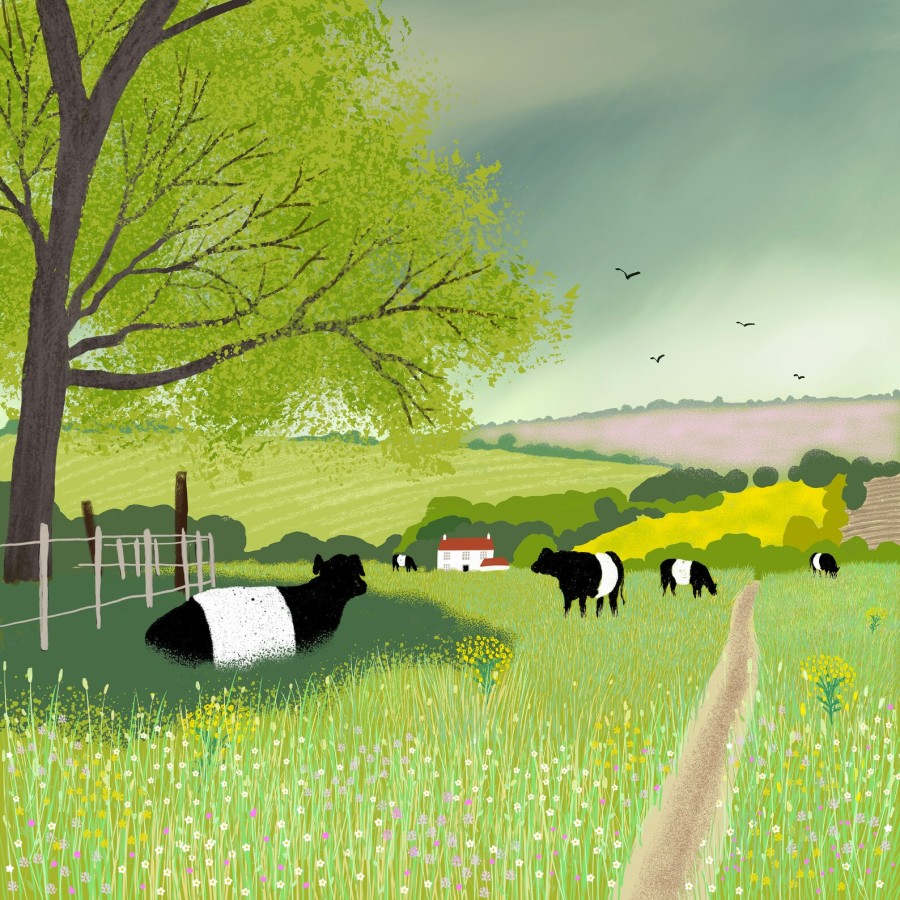
Leafy Bucks lives up to its nickname among the Chiltern Hills. The Chiltern Hills cover 660 square miles of Hertfordshire, Bedfordshire, Oxfordshire and Buckinghamshire, for endless walks, bluewood woods and far-reaching views. Barton Hills National Nature Reserve stands out for its chalk grasslands and wildflowers.
This National Landscape is packed with outdoor adventures, pubs with roaring fires and historic landmarks. Nature thrives in the Chilterns. You’ll often spot badgers, deer, and foxes roaming hedgerows and fields.
Red kites, once rare, glide above the valleys most days. These fork-tailed raptors are at risk from lining nests with shiny ‘junk’, road traffic (they often eat roadkill) and illegal poisoning. But these monogamous birds have friends in Bedfordshire, who have contributed to a conservation success story.
In recent years, parts of the Chilterns have been destroyed by the useless HS2 project, which will do nothing to help stop climate change, and which Barn Owl Trust says is a ‘very expensive way of killing owls’.
Local people have also said their landscape is changed forever, as flooding and dust has destroyed woodland and countryside to produce ‘fast trains’ that will kill 22,000 wildlife each year once built, based on comparisons with high-speed rail projects abroad.