The Lost Gardens of Heligan (Cornwall’s tropical plants)
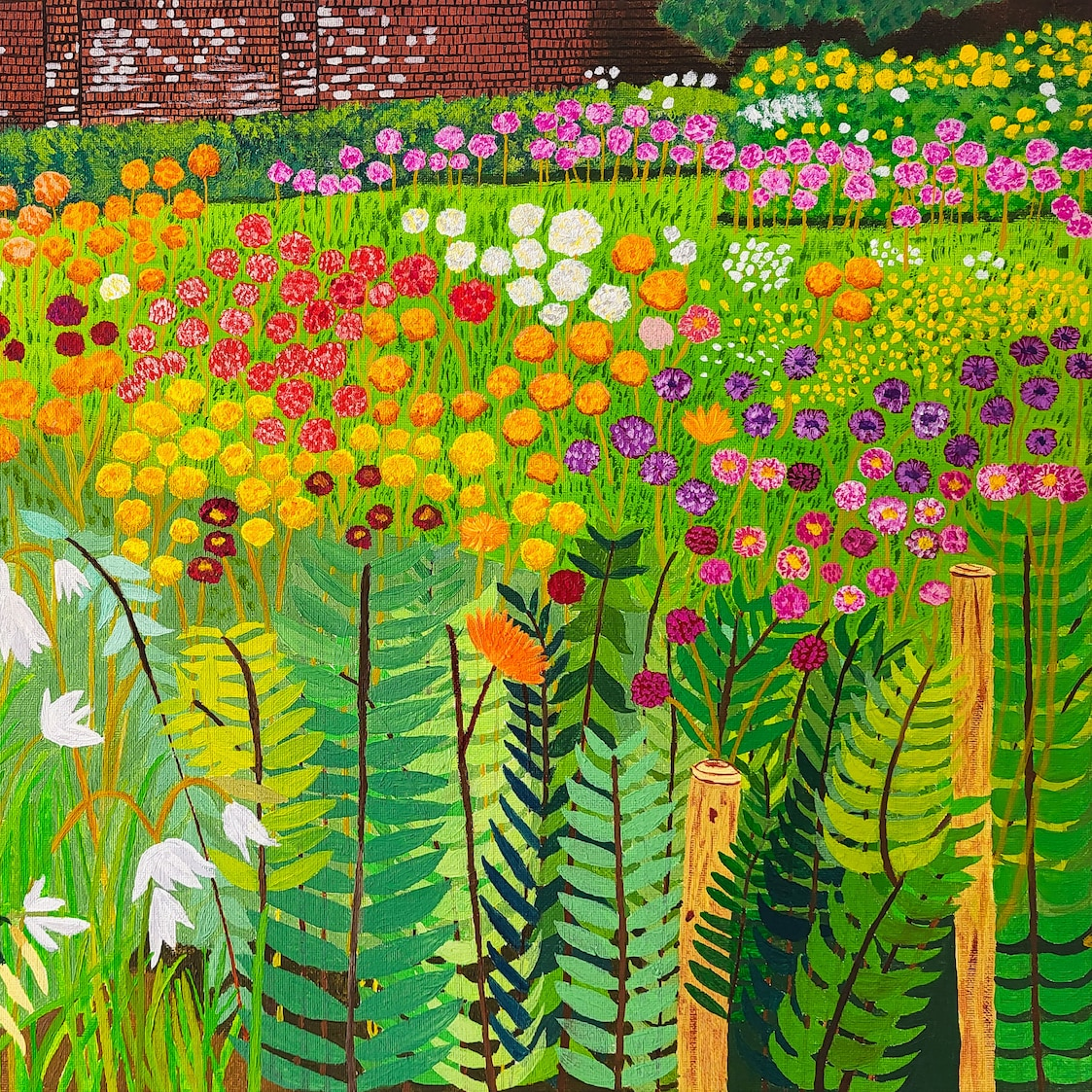
The Lost Gardens of Heligan near St Austell (Cornwall) were rediscovered in 1990, lost to overgrowth since World War 1. Names of the gardeners had been etched into walls, before they went off to serve.
This 200 acre paradise features Europe’s only remaining pineapple pit (it takes 2 years to grow one!), giant living mud sculptures and a sub-tropical jungle valley.
Dogs are allowed in some areas (not the Burma Rope Bridge) but due to lack of shady parking areas, they recommend not visiting these areas. Dogs are also not allowed in some areas of the Eden Project, as biomes are too hot. Read updated information (never leave dogs in cars).
Many flowers (including all bulbs and some wildflowers) are not safe near animal friends. Read more on pet-friendly gardens (avoid facing indoor foliage to gardens, to stop birds flying into windows).
Began as a productive estate garden
Heligan began as a productive estate garden, shaped over generations with glasshouses, walled plots, and long paths cut into the valley. But after the First World War, fewer gardeners remained to keep up the labour.
Over time, areas slipped from untidy to ‘hard to reach at all’. Beds vanished under brambles, and it was only in the late 20th century that restoration began, with teams clearing the undergrowth and bringing the walled gardens back into use.
A few landmarks help you read the place as you walk. The Mud Maid and the Giant’s Head sculptures sit quietly in the greenery, and show that these quiets are more than neat borders of bedding plants.
What was hiding under the brambles?
‘Lost’ can sound mysterious. But in fact the reality was messier, with many beds blurred and some paths blocked and walls that needed serious repair.
But not everything had disappeared. Found were hints of a path, the shape of a pond edge, and older plants. Old surviving fruit trees or sheltered corners, meant the garden was rebuilt with respect, rather than guesswork.
Why Cornwall can grow tropical plants
Cornwall has mild weather and less frosts near the coasts, with Gulf Coast giving kinder winters and an air with more moisture. This supports outdoor plants in sheltered spots, especially near sunny walls that store heat.
Local streams and wet grounds keep their damp, and it’s possible to grow tropical plants, that you could never grow anywhere bar Cornwall or the Isles of Scilly. This is the reason why seasons last longer, with many growing flowers for sale (like daffodils), way past normal selling months.
Daffodils are one of England’s favourite flowers, often grown in gardens and public parks (not the best choice, as daffodils are highly toxic to all pets, horses, deer and livestock).
So don’t send them to homes with animal friends. Read more on pet-friendly gardens (and never face indoor foliage to gardens, to help stop birds flying into windows).