Build (or buy) a Luxury Garden Shed
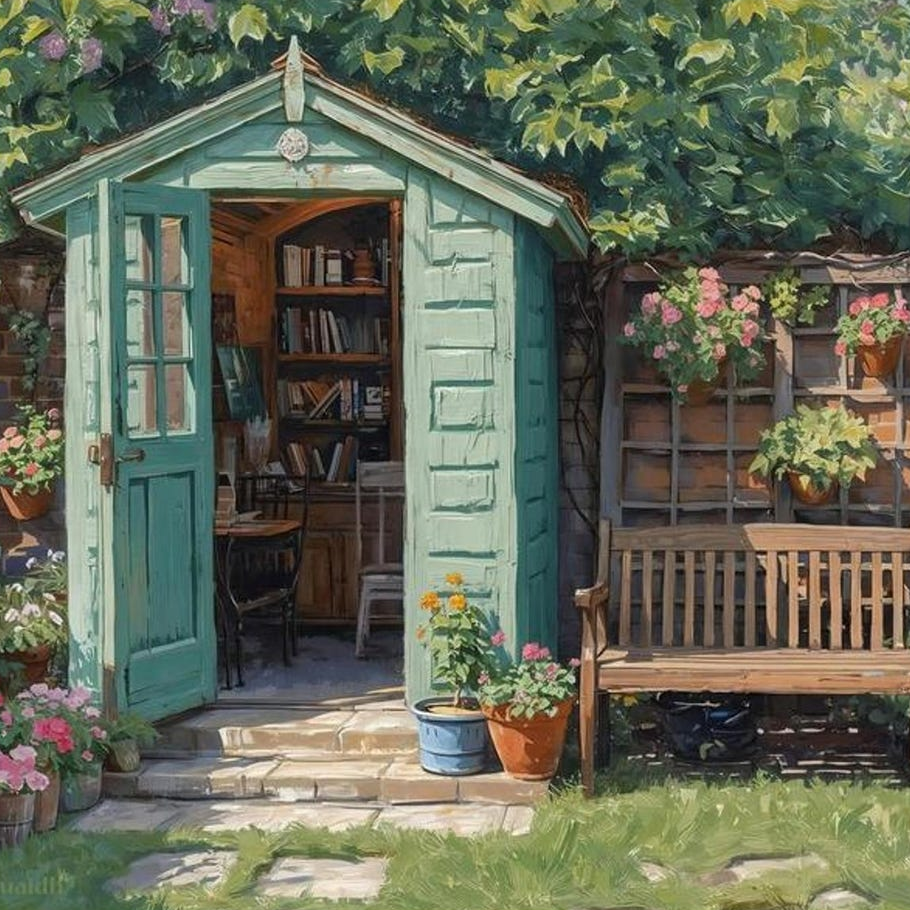
A luxury garden shed isn’t a glorified cupboard for tools! It’s a small garden building with generous light, proper insulation and materials that don’t rot after the first wet winter. If you need extra space, it can be an extra outdoor room. And of course it can be a sanctuary – whether as a ‘she shed’ for peace and art, or a space for men to retreat to their own ‘man caves!’
If giving an existing shed a makeover, you can recycled unwanted garden tools at your local depot (choose no-dig gardening to keep wildlife safe and get rid of the heavy forks and spades!)
You can recycle empty containers of chemicals at kerbside. For bottles with product left in them, don’t pour them down drains, take them to your council’s hazardous waste department for safe disposal.
If knocking down old sheds, check for wildlife (foxes make dens underneath, bats and hedgehogs hibernate in winter). Also check hoglets have left home (at least 8 weeks after giving birth, which can be from spring to July).
Plan it like a small room
Start with the principle that your garden shed (whether new-build or renovating an existing one) should be a place to retreat to, either to store garden tools, write your novel or paint art. You could even use it as a mini-gym or prayer/meditation space, it’s your shed, you can do what you like!
First measure your space in the garden, to ensure it’s worth building one. Walk around the area at different times of day, and notice how the shade and wind and sightlines affect the proposed shed.
Then of course you have to set a budget. Materials will include laying the ground work, and fixing the frame, doors, windows, locks and seals. Plus ensuring the shed is both insulated and ventilated. And possibly dealing with electric lighting and heating, if it’s say a home office.
Choose the shed’s job, before design
Instead of just building or buying a shed and deciding how to use it afterwards, decide what you need a shed for (if you don’t need one, don’t build one). If it’s an office you’ll need quiet, insulation and some form of power. A mini-gym will need ventilation (to stop smelling sweaty!) and tough flooring.
A mini-pub for you and neighbours will need controlled lighting (to avoid light pollution at night that affects wildlife) and sensible moisture control, to cope with spilled drinks. An art studio will need good daylight and wall space.
Allow room for a desk and chairs, and plan for built-in storage. Also check headroom (what’s the height of the tallest humans who will be visiting?) Also plan a clear walking route to the shed and back, without trampling on plants or flower beds.
Planning permission and access
Many councils will need to be notified if you build or buy a shed, especially if it’s a big one or looks over to neighbouring gardens. Also there will be rules on building (times of day and not disturbing local people or wildlife).
Look at the site before you build. Is it sloped and are there areas that could get waterlogged. Could tree roots shift the soil, and is the drainage good, or does it need improving?
Check your local council website for planning permission rules, especially if you have boundaries, and are dealing with conservation areas or listed buildings. You must ensure runoff does not pour into someone else’s garden, and always keep things civil with objects, they are your neighbours, after all!
Build a strong shell for year-round weather
You can of course build (or buy) sheds with FSC-certified wood, but there are other options. Some people choose to use recycled plastic panels, which are often weatherproof and won’t rot or need maintenance.
If choosing wood, then choose a nontoxic stain (creosote is now illegal due to being harmful to all life forms including aquatic life and being linked to chimney fires).
Lifetime Wood Treatment (also sold in UK) is a nontoxic alternative to creosote. Ideal for decks, fences, furniture, windows and doors. Made from natural plants and minerals, this is not a varnish but causes wood to develop different shades over time, depending on the wood to which it is applied. Made to a 60 year old recipe, it’s sold in powder form, just mix with water and apply.
Insulation, electrics, and ventilation
Unless you are professional builder or electrician, get the experts in. A small shed to store garden tools won’t need insulating, but if you use the space as a home office or art workshop, you likely want to ensure it remains a warm dry space in winter months.
Don’t depend on extension leads for a garden shed as you don’t want wires trailing through gardens. Ask a qualified electrician to help, and also a plumber if you have a sink with running water.
Use task lights (lamps) and curtains to avoid light pollution, and to help stop birds flying into windows (they often get confused by lights – also don’t face indoor plants to face outdoor gardens).
Don’t rely on convector heaters for warmth, as they warm up very quickly and could present a fire hazard. Instead, look at plumbed-in heating or safer oil-powered heaters that are always supervised.
Finally, ensure your shed is secure. If you have garden tools, office furniture, art materials or anything else, it’s likely a good idea to invest in a quality lock, to prevent burglaries. Also use good locks on side gates and garages, so people can’t easily access gardens with shed.
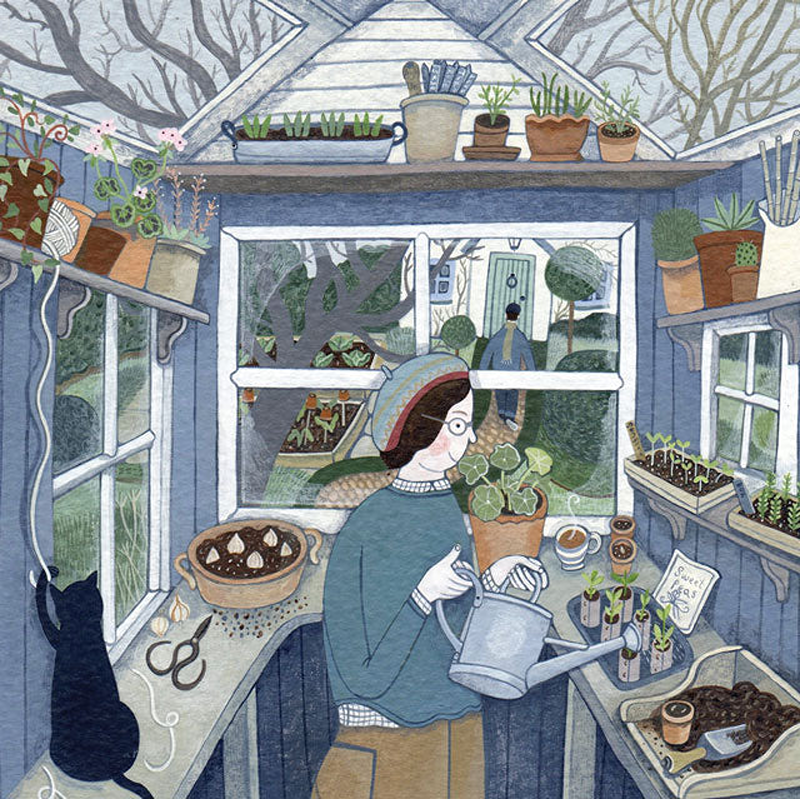
Time to enjoy your new luxury shed!
Once the boring basics are covered, it’s time to have fun! You could decorate your interior (and exterior) shed with natural house paint, and find thrift shop bargains like rugs, cushions and art. Have a little shoe rack for guests, and find little bargains or heirlooms to make the place look like home.
A Book to Build Your Own Garden Shed
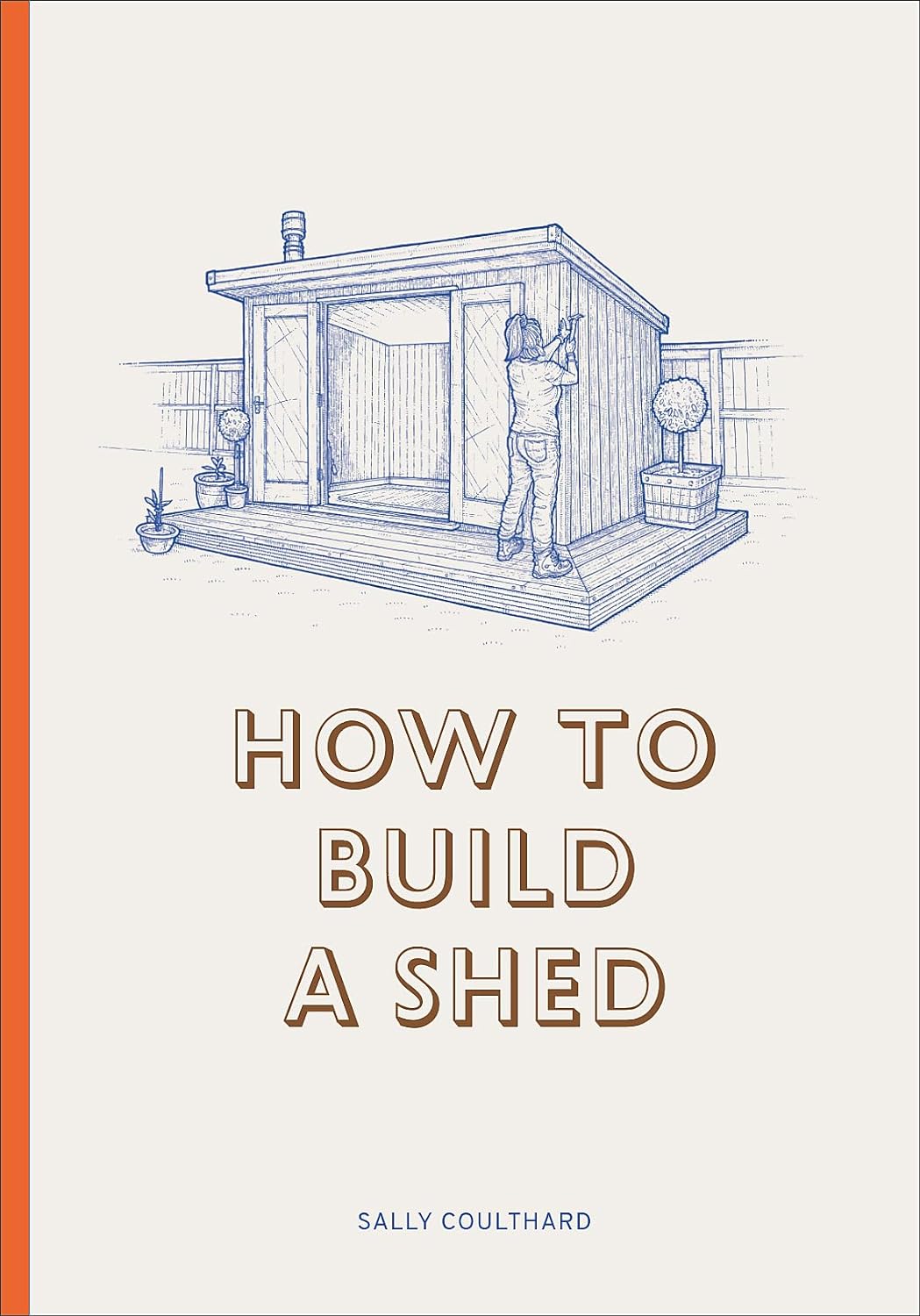
How to Build a Shed is a guide for DIY fans who would prefer to build their own shed, rather than buy one ready-made from B & Q. With clear easy instructions, expert advice and commissioned illustrations, learn how to source materials, use the right tools and build your dream shed on a budget.