How to Make or Buy Good Garden Compost

garden Hannah Cole

Hannah Cole

Composting is the process of breaking down organic matter into a dark, crumbly texture that resembles soil. It involves the natural decomposition of materials like food scraps and garden clippings. But what makes it work? Also read reasons to avoid peat compost.

At the heart of composting lies the work of microorganisms—tiny life forms that feast on your waste, breaking it down efficiently. This process creates heat, which speeds up decomposition and kills off any unwelcome seeds or plant diseases.

Making your own compost is a wonderful way to convert food waste into rich soil for your garden, and avoid buying peat, which supports habitats of endangered wildlife.

Learn how to create pet-friendly gardens and wildlife-friendly gardens. Also learn how to stop birds flying into windows.

Never fork compost piles, just gently prod as many creatures including hibernating hedgehogs can often be found inside.

What not to compost: latest research suggests to just bin citrus, rhubarb, tomato and alliums (onion, garlic, leek, shallots, chives) as acid could harm compost creatures – same with tea/coffee grounds due to caffeine.

You have to be a real expert to balance out the acids, to avoid harming compost creatures. Also bin soap nuts (natural insecticide could harm compost bin creatures).

Tips for Outdoor Compost Bins

  • Keep fresh compost away from pets, as it contains mould.
  • Always gently disturb (don’t fork) compost piles before handling/moving, as frogs and hedgehogs often sleep or hibernate in or underneath compost bins. 
  • Avoid rodents by siting compost bins  near footfall and not adding animal foods (it’s illegal to sell food made with composted animal foods). Also ensure you add more ‘greens’ (rodents are attracted to dry compost with too many ‘browns’).
  • Avoid ‘hot composters’ as these ‘cook’ garden creatures that fall in, as there is no earth to keep them cool.
  • Leave wormeries to the experts (worms for compost bins are different to earthworms, and many die when transferred to soil or get lost in the post.

evengreener compost bin

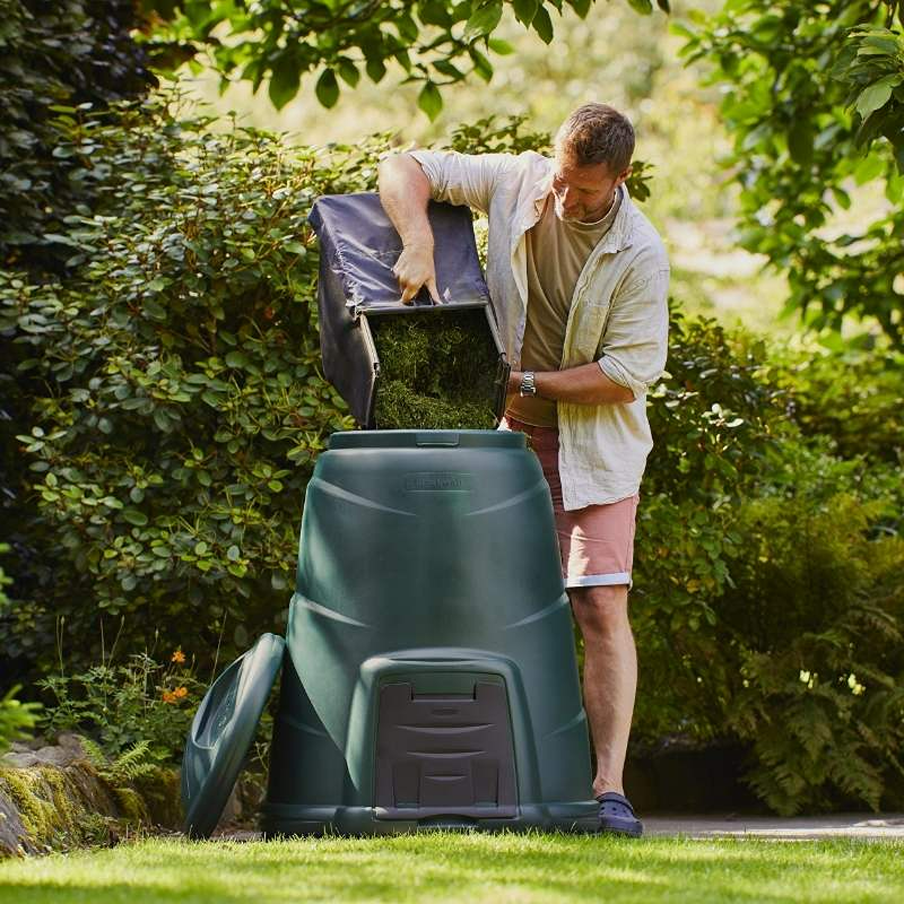
Blackwall compost bins (also in black) are made from recycled plastic, and some councils also sell them at discounts, so check before you buy online.

This is England’s best-selling compost bin, with an ample 330 litre capacity (or a compact 220L for small gardens) that retains heat to encourage moisture and produce a healthy mix of microorganisms.

Sold with a 5-year guarantee, it’s UV-stabilised and includes a wide aperture for easy filling. You can also buy an optional base plate to place on solid surfaces to increase ventilation and improve drainage and replacement hatches.

Know Your Greens and Browns

A good compost bin is made up of a roughly equal mix of greens and browns. Too many greens (like grass cuttings) will make your compost slimy, and too many browns (like leaves and cardboard) will make it too dry to turn into compost.

Try to tear up things like cardboard for faster composting. You can usually leave grass clippings on the lawn (if you have a lot of them, try a tumbling compost bin instead).

Green materials are rich in nitrogen. Think of grass clippings, fruit and vegetable scraps, and coffee grounds. They provide the moisture and proteins microorganisms need for growth.

Brown materials are high in carbon. These include dried leaves, twigs, and newspaper. They offer the energy microorganisms require to decompose waste effectively.

Greens include:

  • Fruit & veg peelings (not alliums, tomato, rhubarb, citrus – just bin)
  • Fresh grass clippings
  • Egg shells
  • Chicken, cow or horse manure
  • Seaweed (keep away from pets)
  • Dead flowers
  • Cut-up plastic-free cleaning sponges
  • Cut hair & pet fur (not with flea medicine etc)

Browns include:

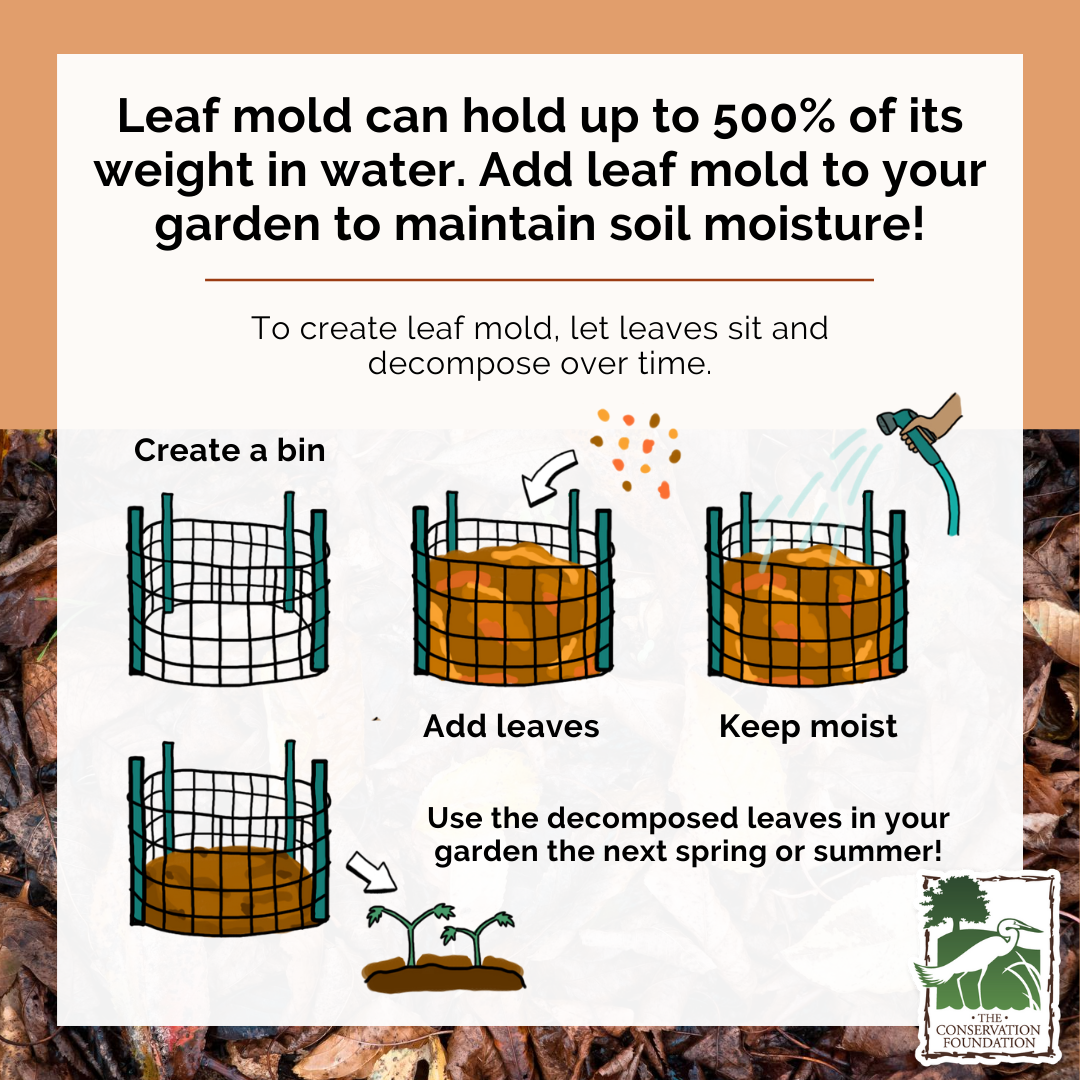
  • Fallen leaves (or use a leaf bag and sit in the corner of the garden and it will turn into leaf mould in a year or two).
  • Shredded newspaper & cardboard (no magazines, due to inks)
  • Sawdust or woodchips, straw or hay (in small amounts)
  • Pine needles
  • Cornstalks (after harvesting) if cut up
  • Old paper packaging (shredded)
  • Egg boxes
  • Untreated wood chips
  • Plant-based cut up fabrics (cotton or linen)
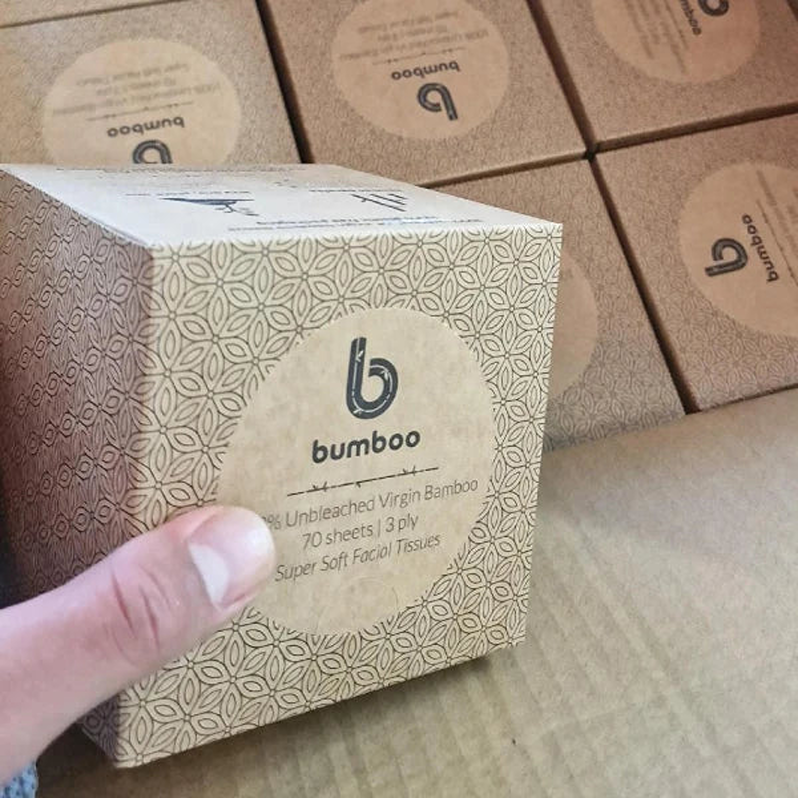
  • Bamboo toothbrushes

An Odour-Free Kitchen Compost Bin
Lomi home composter

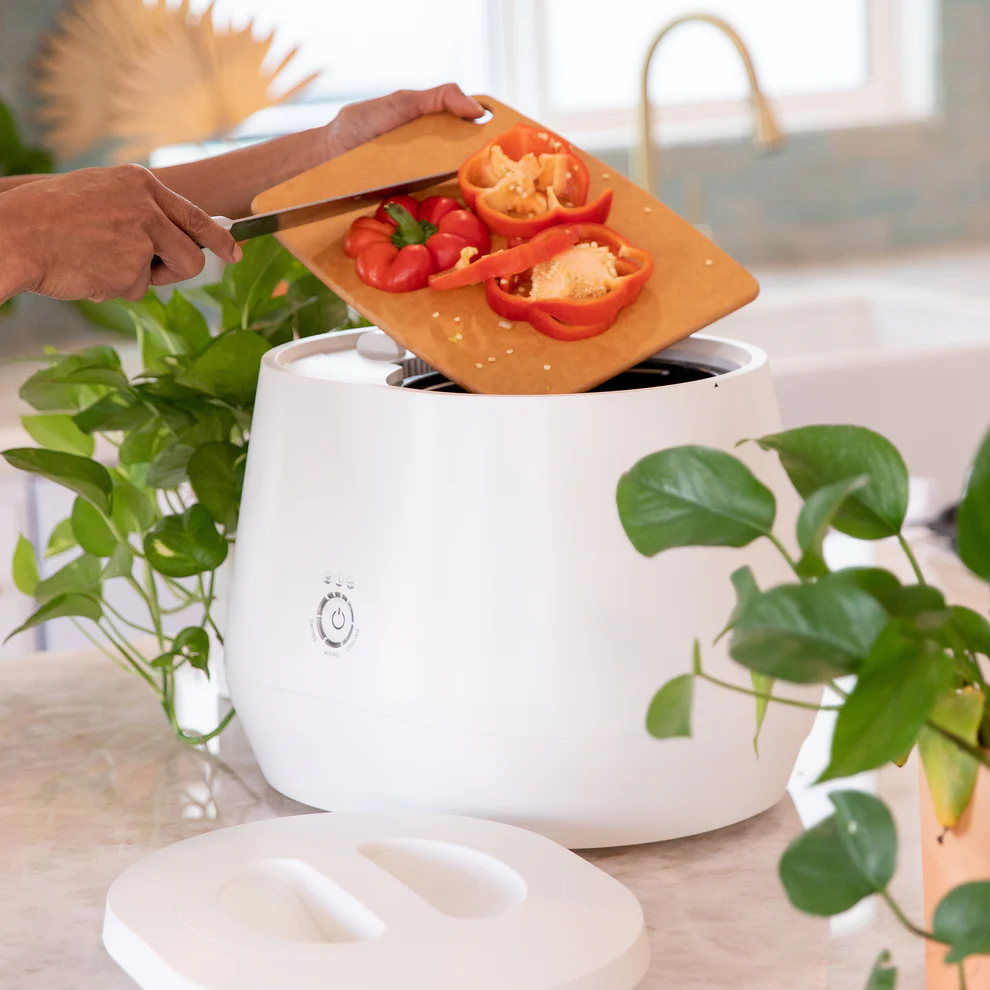
Lomi is a clever kitchen composter, to stop food waste. It stops smells and waste and is a good industrial composter for kitchens (it costs a few hundred pounds). Used by 100,000 people, it simply turns food scraps into nutritious compost.

Just push the button to turn your food waste into plant-friendly dirt! No ants, fruit flies or maggots. It sits on the kitchen countertop and is small enough to store in a cabinet. Ideal for anyone in a city apartment to a huge mansion.

Lomi home composter

The sensors simulate and accelerate the natural process to produce compost in as little as 4 hours. You can put yard and food waste in this, but also animal foods if you eat them, along with bread and grain products and Lomi-approved compostable packaging. It’s around the same size as a bread maker and uses little electricity.

Japanese Bokashi Compost Bins
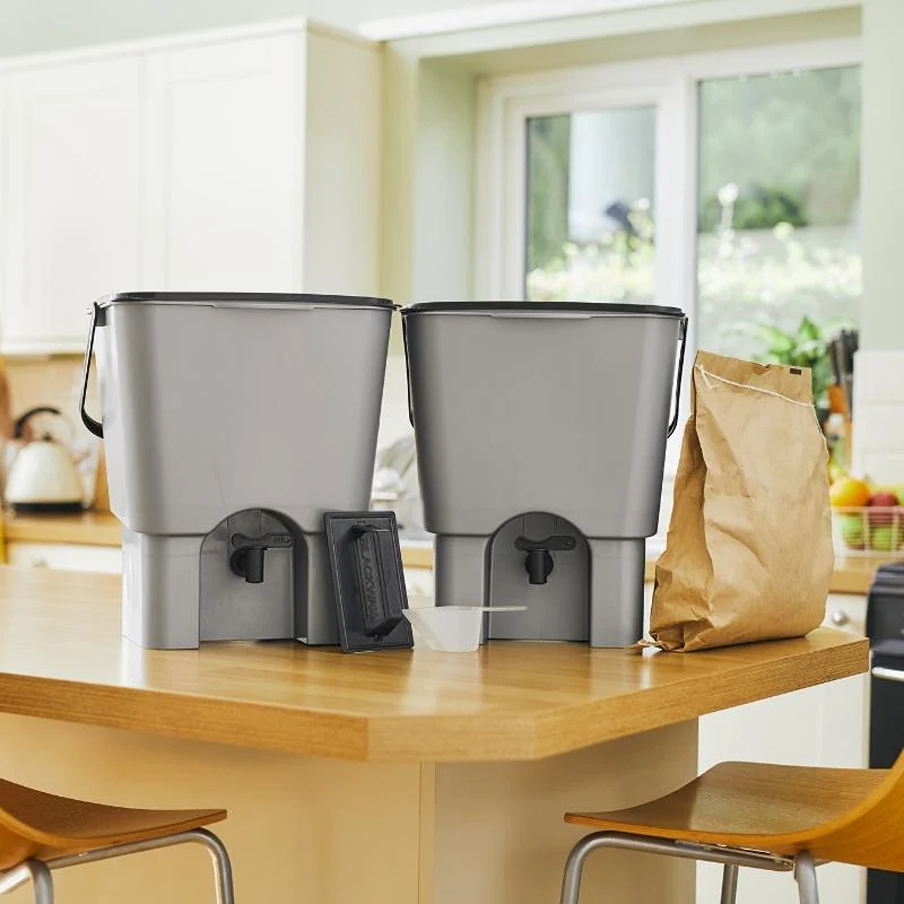
bokashi bin

Bokashi composting bins were created by a Japanese professor and unlike conventional compost that uses oxygen, these use lack of oxygen instead, using a bokashi bran that you add to food waste, then close the lid and leave for 14 days to produce compost to add to your outdoor bin.

The resulting liquid can be drained off using the tap to use as plant feed (dilute with water 1:200). You buy two, so there is always one on the go. All you need buy after that are bran refills.

Bokashi bins can accept other fruit/vegetable waste, bread, dead leaves & withered flowers and used compostable dish sponges. Unlike outdoor compost bins, Bokashi bins can take most animal products if you eat them (not large bones) due to Bokashi bacteria helping to destroy pathogens.

Don’t compost cooking oil or pour down drains (use a cooking oil recycling container).

Community Compost Bins

Some councils offer community compost heaps. Brighton Community Compost Scheme prevents 100 tons of food going to waste each year, by setting up local compost boxes with monitors.

Councils may have an industrial compost scheme, for things like ‘biodegradable plastics’ that usually only degrade in such systems.

Good Reasons to Avoid Peat Compost

curlews and birds Holly Astle

Holly Astle

Peat is basically a soil made from dead and decaying matter, mixed with clay and rocks. It takes ages to form (around 1mm a year) yet is immensely important (and England contains most of the world’s peat bogs – they are like our ‘rainforests’).

Formed over thousands of years in low-oxygen environments, you’ll find natural peat bogs across England in bogs, mires (wetlands) and fens. England’s most extensive peat bogs are found in the Pennines, North York Moors, and parts of the Lake District and south west England.

Peat bogs absorb water (so prevent floods), stop release of greenhouse gases (so reduce climate change) and also support habitats of many endangered birds (like plovers and curlews) and dragonflies – most live in peat bogs).

But instead of leaving them where they are, industry moves in and removes them – to grow plants for garden centres. Most stores now don’t sell peat compost (there is an upcoming Bill to ban the sale of peat for horticultural use, but it will take years). But a lot of peat is ‘hidden’ (in pot plants or plug plants etc).

You wouldn’t like it if a bulldozer came into your home and upturned your entire life, leaving you homeless and without food and shelter. Yet that is exactly what is happening, in the peat industry to our most precious wildlife, many of them endangered species.

Using peat in your garden is a sign of environmental vandalism. f

The government is running out of time to fulfil its promise to ban the seal of peat to gardeners. Peat belongs in bogs, not bags. Whenever a peatland is dug up, a natural habitat is destroyed, with appalling consequences for wildlife and our climate. Alison Steadman (actress and wildlife campaigner)

Peatlands have the power to help lock up carbon, alleviate flooding and help wildlife recover. So why on earth are we still allowing them to be dug-up? It has to stop. Iolo Williams, wildlife expert

Make Your Own Garden Compost!

evengreener compost bin

This takes a bit of effort to get started, but you are then rewarded with homemade compost for free. Read our post on how to make your own compost. There are just a few caveats:

Unless you an expert on ‘balancing greens and browns’, it’s best to just bin a few food scraps (to naturally break down, as acids could harm compost creatures:

  • All alliums (onion, garlic, shallot, leeks, chives)
  • Tomatoes, citrus and rhubarb
  • Tea leaves and coffee grounds

Wear organic cotton/rubber gloves when handling fresh compost (contains mould) and keep away from pets, for the same reason (read more on pet-friendly gardens). For houseplants, avoid facing foliage to outdoor gardens, to help stop birds flying into windows.

Avoid ‘hot compost bins’ (these kill garden creatures due to no soil inside). Also avoid wormeries unless you know what you’re doing (the little red wriggly worms often don’t survive in soil when being transferred, or get lost in the post if delivered to homes).

Make Your Own Leaf Mould

leaf mould

Make your own leaf mould from old rotting leaves in autumn. This is a great soil improver, to replace peat.

Again, keep leaf mould away from pets, as it harbours bacteria and fungi that could produce toxic mycotoxins . Read more on giving dogs baths, if they come into contact with damp leaves.

Enrich the Earth is a campaign to get more councils to collect green waste (millions of tons are discarded each year). This could be used to make green compost, another good nutrient-rich peat alternative.

Coir Compost Blocks

coconut coir plant pots

If you are not making your own compost, this is the next best choice. Coir is the waste product made from coconut husks in Sri Lanka, and holds water very well.

Sold in blocks, just soak in water (for 5 minutes) to produce instant compost (no more lugging heavy bags from the garden centre to the car to your house!)

Coco & Coir offers a wide range of coir compost including an everyday one, and those for specialist planting needs plus versions for houseplants and cutting/seed compost.

Their information page is extensive, covering all your question needs. Join the peat-free loyalty club, and receive 10% off regular orders.

Coir compost is sold in blocks, to which you add water. As a rough guide:

  • 5kg makes 75 litres of compost
  • 1kg makes 15 litres of compost
  • 650g makes 9 litres of compost

Coir mulch retains soil moisture, and reduces weeds by up to 90% (ideal for no-dig gardening that protects earth worms and stag beetles). Ideal for acid plants (rhododendrons are toxic to pets including rabbits and guinea pigs).

Lightweight and easy to store in cupboards, just soak in water for 20 minutes, before use. It can also be used to create natural ‘woodland pathways in gardens.

As long as pets don’t eat it, coir is a safer mulch to pets, than cocoa, pine or recycled rubber mulches – which are toxic, puncture/scented or choking hazards respectively). 

Avoid using netting in gardens, as most is sold with holes way too large, than recommended diameters to avoid wildlife getting trapped. Protect crops with fruit protection bags instead.

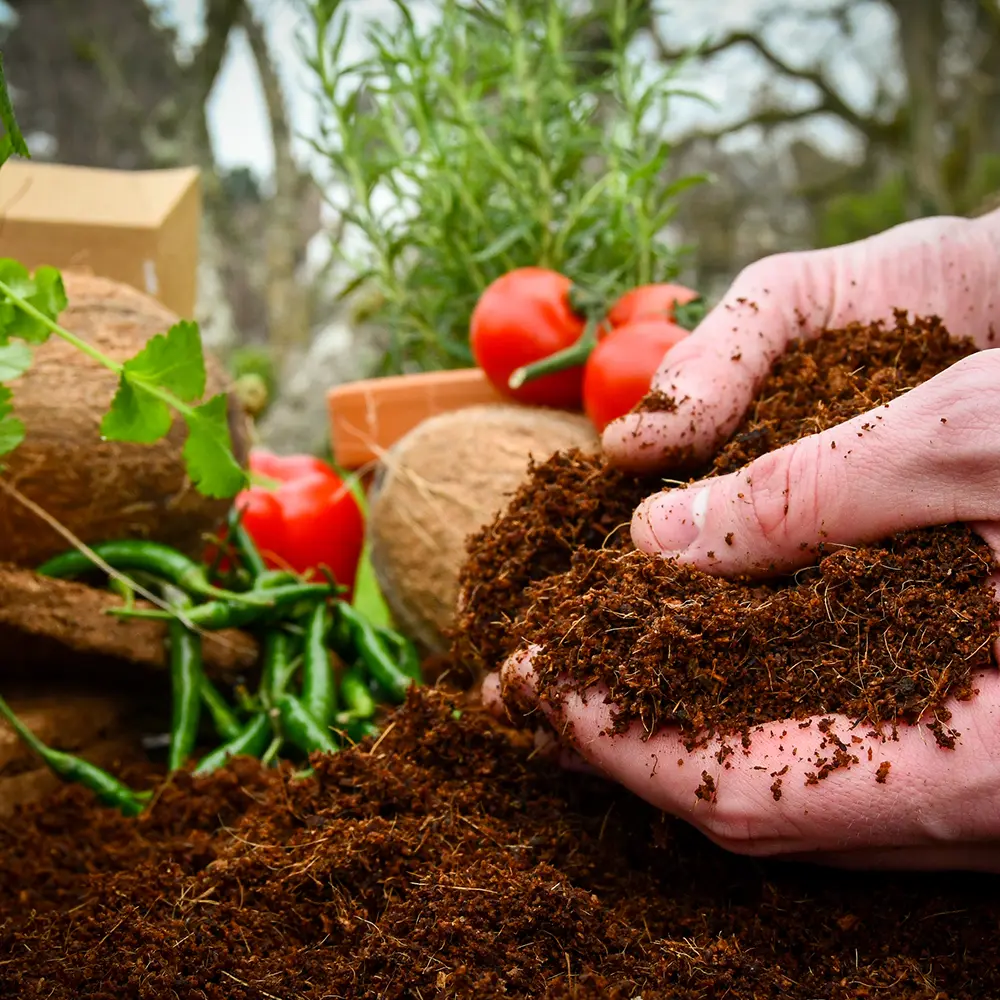
The Coconut Compost Company
the coconut compost company

The Coconut Compost Company is another good brand, which donates 10% of profits to Sri Lankan charities.

Other Peat-Free Growing Composts
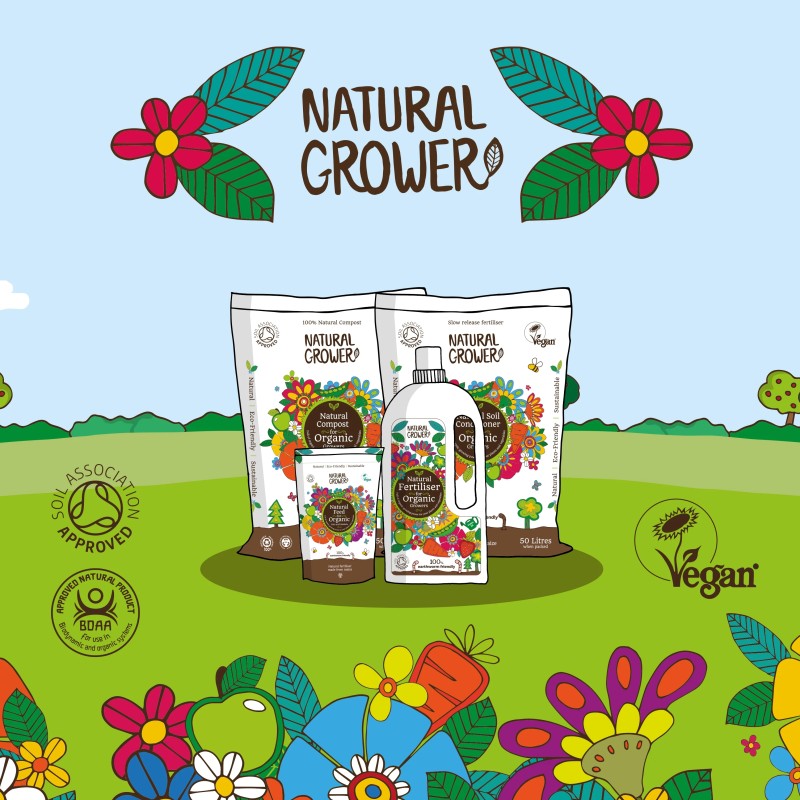
Natural Grower

Sold in bags that are are easily recycled (at supermarket bag bins, if your kerbside does not recycle), these are all sold wholesale for garden centres and larger projects (public gardens and parks, stately homes etc)).

Natural Grower is a brand of natural compost and liquid feeds, with well-balanced NPK values and trace elements. Made with renewable energy, it’s approved by both Soil Association and Vegan Society.

RocketGro (made in Somerset)  offers a wide range of peat-free composts (from everyday to specialist versions for roses, hanging baskets, herb/alpine plants, tomatoes and lawns.

The Hunting Industry Burns Peat Bogs

pheasants Holly Astle

Holly Astle

Peat burning often occurs on land used for grouse shoots, by burning vegetation (that lays on top of peat), usually purple moor grass or heather. This provides new heather shoots for grouse (so they are easier to find and shoot).

A voluntary ban by government a few years ago did not work, with Greenpeace reporting fires on peatlands, in northern England’s national parks.

The peat bogs on a grouse shooting estate were on fire. The burning of peatlands is likely to exacerbate floods downstream. Towns in the Calder Valley such as Todmorden, Hebden Bridge and Mytholmroyd have been flooded repeatedly. George Monbiot

Books on the Importance of Peat Bogs

peatlands

Peatlands is a book on the value of peat bogs by award-winning garden writer Alys Fowler. She calls for us to sink deep into the dark black earths of these rugged places, and take a look at the birds, animals, plants and insects, that live within them.

Living in Wales (nestled between bogs) makes this book both personal and illuminating. Her odyssey takes her from the Peak District to Ireland, creating an intimate picture of these magical places and the people who care.

the book of bogs

The Book of Bogs is an anthology of stories and poetries from various writers, looking at threatened landscapes like bogs and other peatlands. Like peat, this book is full of living things: scientific study, archaeological discovery; personal stories of suffering and growth. Not just in England but abroad, like the peatlands of Papua New Guinea.

Choose Peat-Free Whisky

NcNean organic whisky

Most brands of whisky are made with peat. Read our post on peat-free whisky!

the compost toilet handbook

Composting toilets are not as icky as they sound. When you remove water traps, you usually remove most of the smell (they kind of have an ‘earthy aroma’). They are great for campsites, churches and allotments.

How do Composting Toilets Work?

Most composting toilets use bacteria to break down solid waste (poo!) into nutrient-rich compost (note you  can’t use animal poo to make compost, as it’s illegal to sell plants made with it).

Most composting toilets also separate urine and faeces, as pee can disrupt the composting process. When done well (good ventilation and drying systems), the toilets are emptied and need little water, and create far less environmental impact. So are ideal for ‘wild areas’ where there is no mains water supply. Good composting toilets are just as clean (if not more so) than most conventional ones.

In England especially, it’s important to separate the urine, as it won’t evaporate, due to our rainy cold climate.  Modern composting toilets are designed by experts, who offer an ideal alternative to small chemical toilets for  greener campsites.

RHS (Royal Horticultural Society) has recently installed its first composting toilet at its Wisley Garden in Surrey. It will use the human compost, to fertilise its flowerbeds!

Natsol is the brand leader, which makes waterless and odour-free composting toilets for outdoor spaces, with wheelchair-friendly options. This company also offers waterless urinals which are odour-free and low-maintenance, which need no cartridges. Ideal especially for music festivals (due to the amount of beer!)

The company has recently taken over AirFlush Urinals, which basically ‘flush with air’, rather than water. This gets rid of the awful smell in urinals, and also saves a colossal amount of water. Companies that install them also don’t need to worry about those blue scented blocks or oil-filled trapped.

Composting Toilets on Scafell Pike?

Although composting toilets are a great environmental idea, there are kerfuffles about plans to install two blocks of composting toilets on Scafell Pike, England’s highest mountain in Cumbria’s Lake District National Park.

A petition by 100,000 people have now got the local council considering this. But many local residents and climbers say that up to now, people who climb the mountain simply bring their waste back with them, just like you would when walking your dogs!

One local resident says ‘Alfred Wainwright wouldn’t have accepted this, and neither will we. I hope they’re ready for a fight. Hasn’t anyone heard of ‘leave no trace?’ Everything you take with you onto the mountain, you take off with you. And that includes your own s***’.

Composting toilets aren’t just for remote cabins or back-to-nature retreats anymore. As more households, businesses, and public venues look for ways to live greener and cut resource use, these systems are getting noticed for all the right reasons.

They offer a fresh take on handling waste, making them popular in eco-friendly homes, off-grid cabins, glamping retreats, and National Trust sites. This article highlights the biggest benefits of modern composting toilets, showing why so many people are making the switch.

Composting Toilets Save Water

Traditional flush toilets use up litres of fresh water every time you pull the handle. Most people don’t realise that nearly a third of all household water goes right down the loo. Composting toilets flip this equation on its head by using little or no water. This shift matters, especially for areas where dry summers or regular droughts make water precious.

  • Traditional toilets use 6 to 13 litres of water per flush, an annual yearly water use (per person) of 11,000 to 18,000 litres
  • Composting toilets use 0 water, and 0 litres per person per year!

Flushing away clean water doesn’t make sense when you can keep it for things like drinking, cooking, or watering plants. Composting toilets help ease the pressure on overworked water supplies and are a smart fit for water-conscious homes.

Reduction in Pollution and Wastewater

With flush toilets, waste ends up in the sewers, leading to huge volumes of wastewater that must be treated before being released back into rivers and seas. Problems start when ageing infrastructure leaks or overflows. Pollution can enter soils, streams, or groundwater, bringing nasty surprises.

By quickly separating liquids from solids and containing waste, composting toilets make it safer and easier to manage. They don’t add to the rivers of sewage that sometimes escape into nature after heavy rain.

This cleaner approach protects wildlife and reduces the risk of contamination. The smaller, managed volumes of treated waste also mean less strain on town or city sewer systems.

Supporting Circular Economies

Modern composting toilets play a key part in a more natural waste cycle. Instead of dumping waste as a problem to be locked away or buried, they allow nutrient-rich compost to head back to the soil. It’s nature’s way of recycling working in real life.

By turning waste into a safe, valuable resource, composting toilets close the loop. When fully processed, the end product can improve soil health and help gardens and landscapes thrive. This supports a future where waste from people gets put to good use.

Lower Operating and Maintenance Costs

If you’ve ever seen the bill for repairing a leaking pipe or connecting a remote building to mains sewer, you know how fast costs add up. Composting toilets skip expensive plumbing work altogether. No mains connection needed, little to no water piping, and fewer moving parts mean fewer things break down.

Upfront costs may be similar to a high-quality flush toilet, but long-term savings keep adding up. Owners spend less on water, chemicals, and callouts for blocked pipes. Modern designs make emptying and upkeep simple, with many families and venues getting by with a quick routine check every now and then.

Ideal for Off-Grid and Remote Locations

For many rural homes, nature reserves, tiny homes, and festival sites, running pipes or digging deep drainfields isn’t practical or even possible. Composting toilets offer independence, letting people set up loos wherever they’re needed, even in fields or woodlands. No need to rely on a tap or mains water, and no worries about frozen pipes in winter.

Holiday parks, campsites, and eco-lodges often use composting toilets to balance guest comfort with protection for the landscape. They’re also popular at national parks and historic sites where building new sewer lines would cause damage or be too costly.

Improved Hygiene and Odour Control

One of the biggest worries about composting toilets is smell. Modern systems meet this head-on with smart features like built-in fans, vent stacks, and sealed containers. Most work by separating liquids (which can cause odours) from solids, making it much easier to keep things fresh.

New materials, easy-clean surfaces, and improved waste containers all help keep bacteria at bay. Many models are as easy to keep clean as standard loos, with some users surprised at just how pleasant they are to use. Touch-free designs and good airflow also boost confidence for families and public venues.

Similar Posts