Walking King Charles III National Coast Path
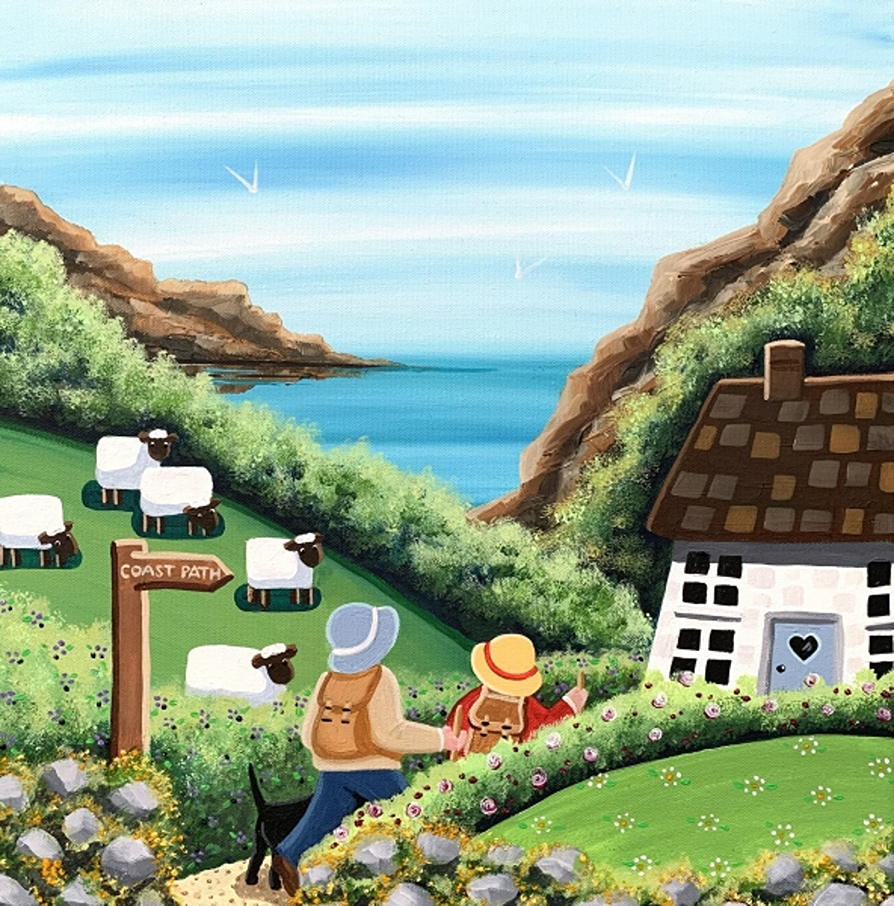
King Charles III England Coast Path is the longest coastal path in the world, weaving through 15 National Parks and National Landscapes, with dramatically changing scenery.
- When out walking, always follow the Countryside Code, to keep all creatures safe. At the coast, read how to keep dogs safe by the seaside.
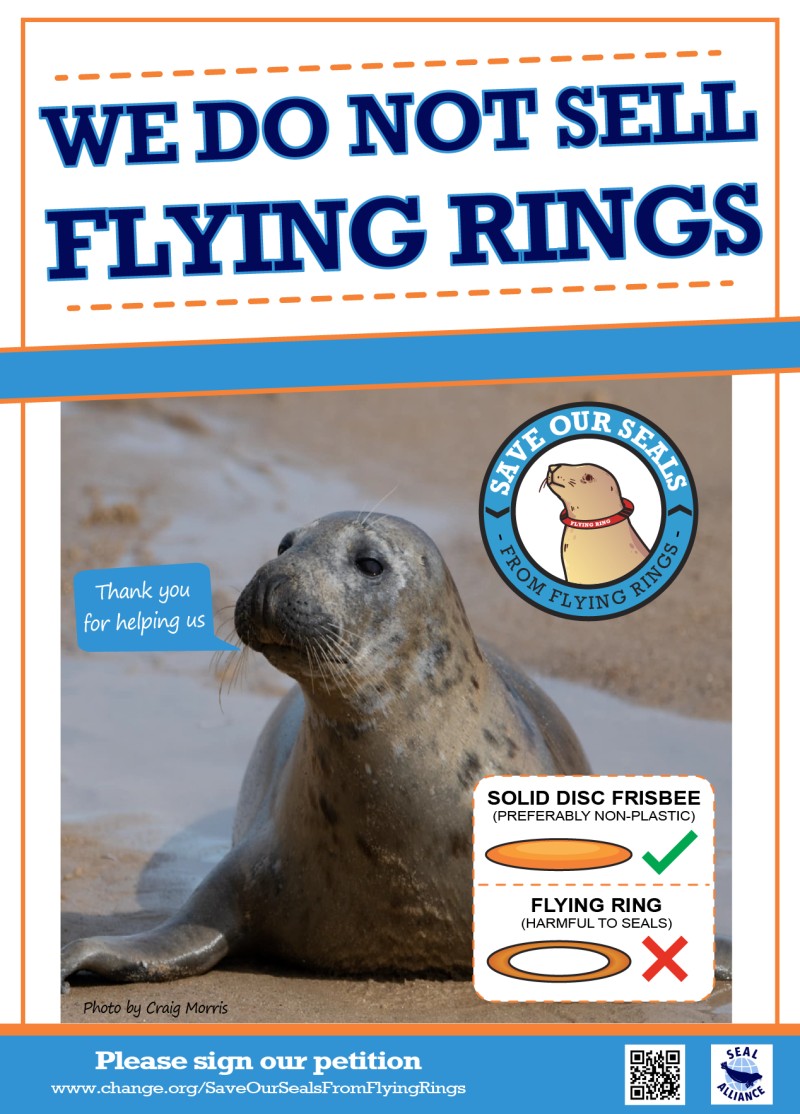
- Check tide times before travel, don’t walk on sand dunes and keep yourself and dogs away from coastal birds (and flowers, some are toxic) and marine creatures. Keep numbers to hand to report concerns for: farm animals, wildlife or marine creatures.
- Read about keeping dogs safe by the seaside (check beach bans before travel and keep dogs away from cliffs, seaweed, palm oil, uncapped mine shafts and jellyfish.
Pregnant sheep (and sometimes due to wool waterlogged from rain) can sometimes roll over onto their backs, and can’t get back upright, due to having four stomach chambers (so will die if not turned back upright).
If you see a sheep on its back, just firmly right it back, then stay with it, until rain has drained off, so it won’t happen again. Then inform your local farmer.
The trail is opening in sections:
- North West is from the Scottish border at Gretna Green. It stretches to the Chester and Welsh border, passing through the Lake District to Liverpool and Blackpool.
- North East is from the Scottish border above Berwick, to seaside holiday resorts. Passing sheltered coves and cliffs, and seabird colonies.
- East is from the Wash to the Thames Estuary, exploring sand dunes (don’t walk on them), market towns and villages and stunning seascapes.
- South East stretches from the Thames Estuary to Bournemouth, a huge stretch of coast, plus empty beaches and nature reserves.
- South West is from the Welsh border at Chepstow to Bournemouth, along dramatic coastlines. It links coastal resorts, towns and villages, plus piers, promenades and estuaries.