Norfolk (sandy beaches, seals and windmills)
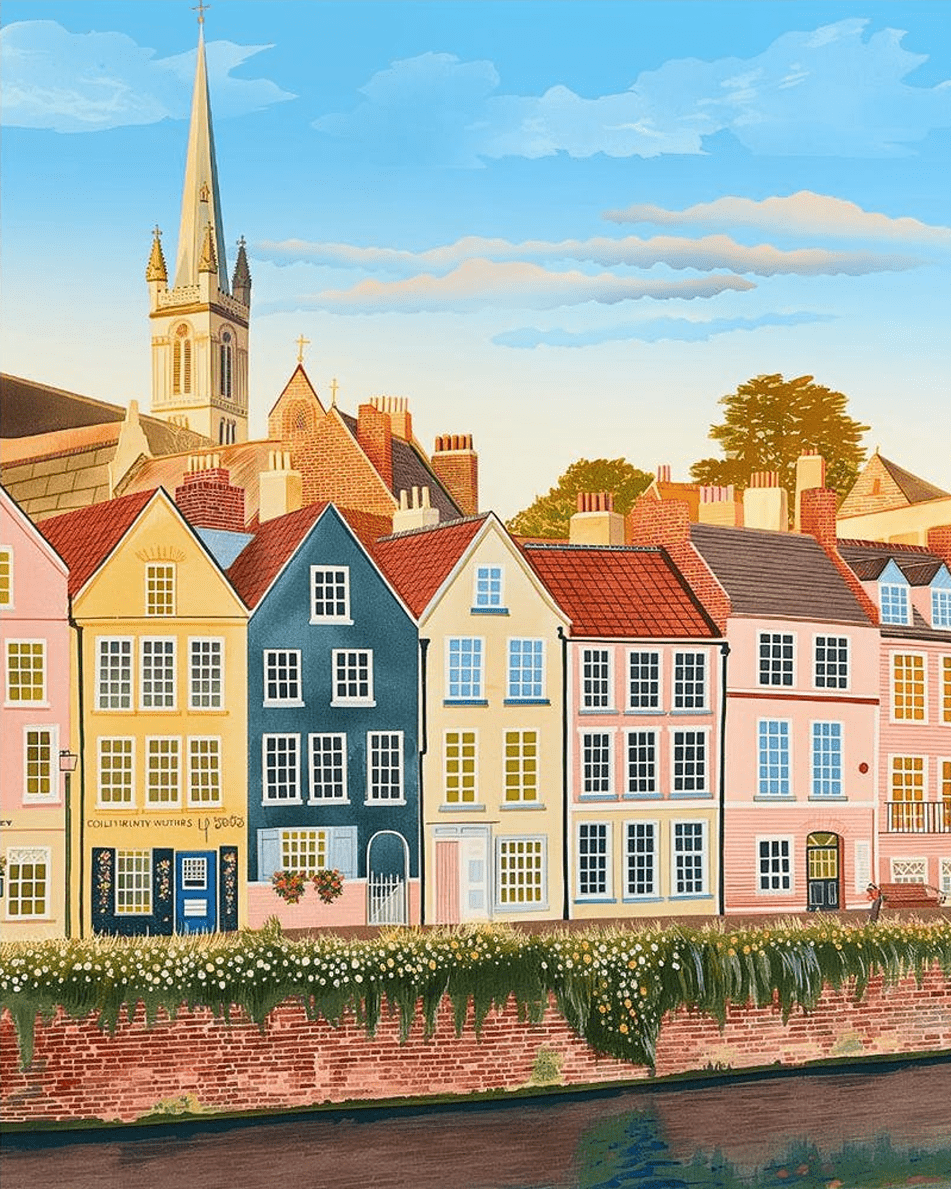
Norwich, Ava Lily
Norfolk is a lovely county, dry and flat with a low population. It faces the chilly north sea, so it doesn’t get warm until around May or June! It’s known for its wide sandy beaches and seals, pretty beach huts and windmills.
Always follow the Countryside Code to keep all creatures safe. Keep dogs away from steep banks, mushrooms (and toxic plants/trees) and on leads near birds, barnyard friends and wild ponies.
If at the coast, keep away from nesting birds and never walk on sand dunes. Learn how to keep dogs safe by the seaside (check beach bans before travel).
Join the campaign to ban flying rings, to help local seals.
Wells-Next-The-Sea (beach huts and pine woods)
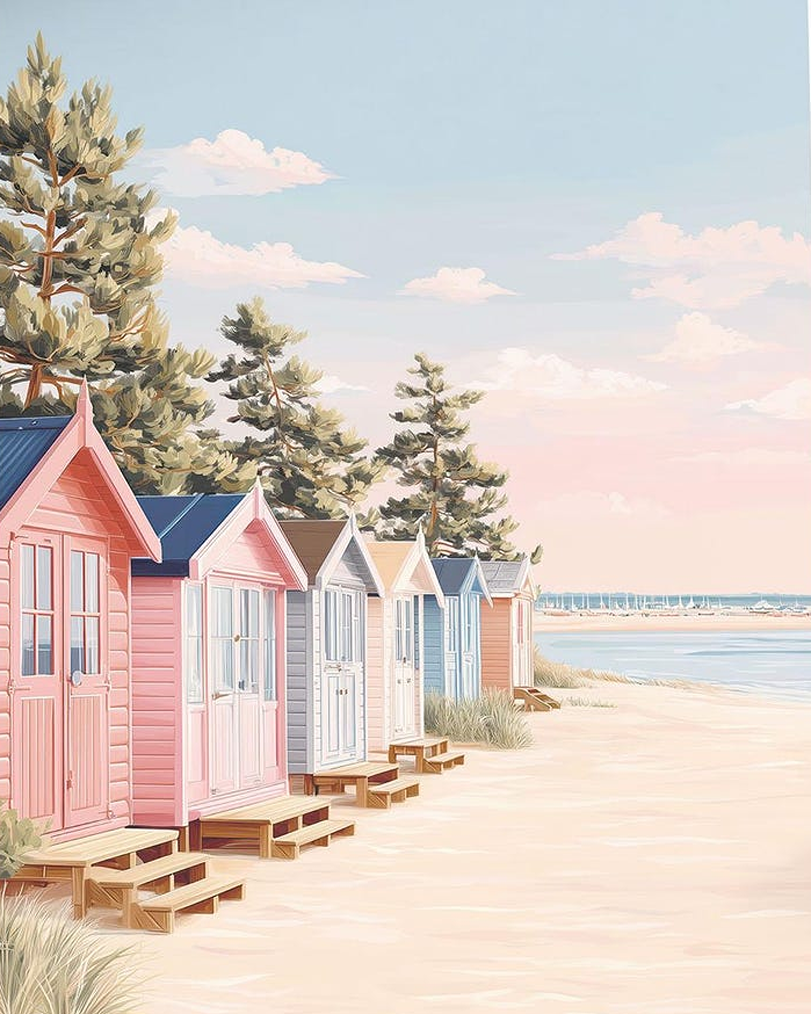
Wells-next-the-Sea (the add-on name was created to avoid confusion with the Somerset city of Wells) is a pretty town on the north Norfolk coast, with sandy beaches and pastel-coloured beach huts. The tidal creek offers changing views throughout the day. Barbecues are banned on beaches and local woods.
The town has a little steam train, where you can take a four-mile trip to the religious village of Walsingham, known as ‘England’s Nazareth’.
The 1953 Great Flood killed many people on the East coast. Local police officers Charles Lewis and Leonard Deptford received George medals for heroic rescues, including a bedridden elderly couple, and a local dog.
During summer, a warning ‘hide tide’ siren sounds for four hours, to keep visitors safe.
Originally the harbour was a major grain port (ships would sail as far away as Iceland), but today it’s more for leisure (the Granary is now a series of luxury apartments). The name comes from the clear freshwater springs that rise through the local areas’ sedimentary chalk.
Towns and villages near Wells-next-the-Sea
Sheringham is a pretty town, known for its indie shops. It had a huge 13-year battle to stop Tesco opening a superstore, which it lost (the council voted it in). Recently it voted down to open a Dominoes pizza (there are 40 indie food shops in the town) but this decision was overturned by government?
Residents are furious. Already there is a Gregg’s next to Morrison’s petrol station, with locals concerned over plastic sauce pot litter, and that this affluent and unique town is turning into a ‘mini Great Yarmouth’.
Cromer is less pretty but it has a lovely beach, and interesting pier. It also has a fascinating lifeboat museum, which profiles Henry Blogg, a modest man who rescued many people during his lifetime, including a huge dog called Monty (named after the ship) that stayed with him for the rest of his life.
Blakeney is home to England’s prettiest boat harbour, and England’s largest grey seal colony. Previously a bustling port, it has a unique Church with two towers (one at the west and one used by sailors from the east to navigate the channel).
It also has a unique affordable housing project, pioneered by a local resident in 1946 who bought five derelict cottages as ‘tumbledown’ Housing Aid.
The Norfolk Coast Path (Hunstanton to Sea Palling)
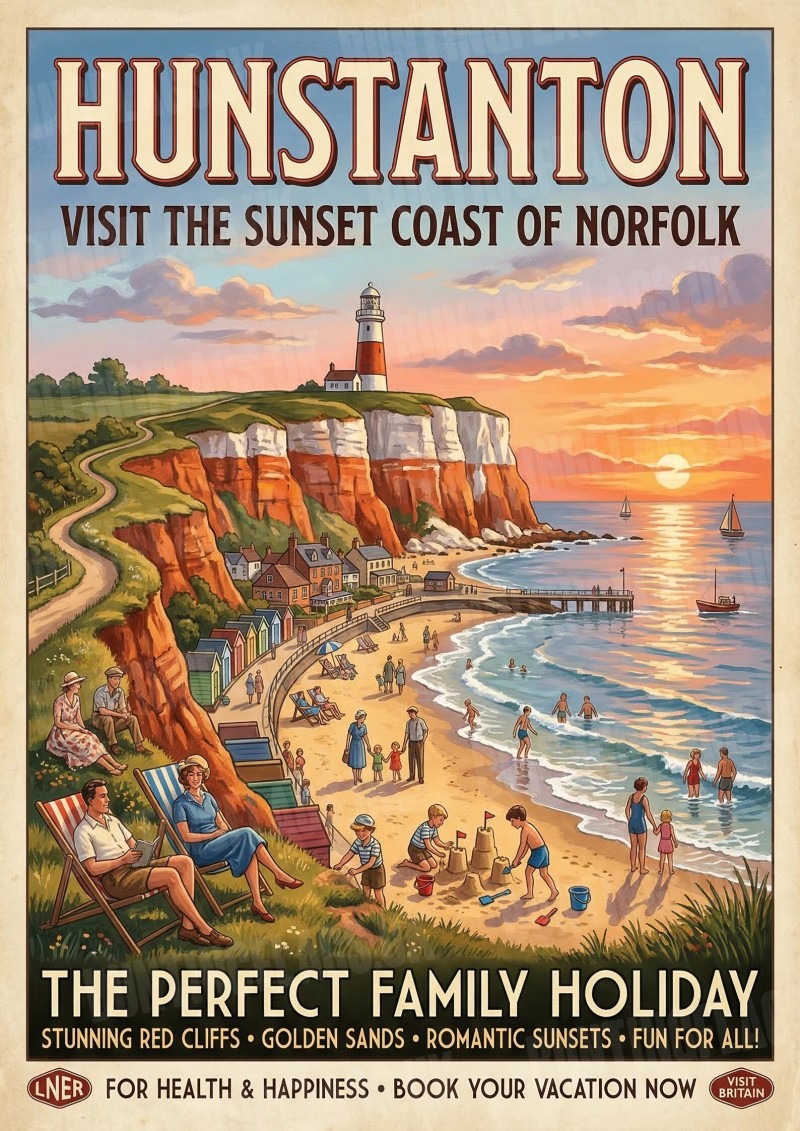
The Norfolk Coast Path offers tidal marshes, sandy beaches and big skies. Starting from the cliffs at Hunstanton, this waymarked route travels through flat, soft paths for an easier long walk.
While Wells-next-the-Sea and Cromer add classic English charm, birdwatchers flock to Blakeney Point and Cley Marshes, where grey seals and rare birds gather.
The Peddars Way starts at at Suffolk (near Thetford) and follows the route for 49 miles to Holme-next-the-Sea on the North Norfolk Coast.
The Norfolk Coast passes through:
Blakeney (this former medieval port has narrow streets with flint cottages and hosts England’s largest grey seal colony and many bird breeding sites. Known in history as Bolshy Blakeney, this was because it was a very independent town that established a society in 1946 to keep homes affordable for local people.
Hunstanton (known as ‘sunny hunny’), this Victoria seaside resort has red-and-white striped cliffs and is one of the few places on the east coast you can watch the sunset over the sea, due to the west-facing beach. It’s also home to the River Hun (at just 3 miles, one of the shortest in England).
Sea Palling (‘Norfolk’s secret’) is a charming North Norfolk village where sheltered bays are now protected by artificial reefs, and visitors are advised to stay away from the large seal colonies. This village was very affected by the 1953 North Sea flood, commemorated at the local church.
The flood (caused a high spring tide that surged over sea walls in a bad storm) killed seven local people. The flood’s effects ended up creating the Thames Barrier, many years later.
The Peddars Way starts at at Suffolk (near Thetford) and follows the route for 49 miles to Holme-next-the-Sea on the North Norfolk Coast.
The route is roughly 130 km (about 80 miles). Most walkers break that into several days. Underfoot, expect a mix of firm paths, sea walls, field edges, dunes, beach, and some shingle. Because of that, difficulty depends on weather and route choice. Flat ground can still feel hard, especially on loose sand.
The Norfolk Broads (England’s ‘Amazon’ wetlands)
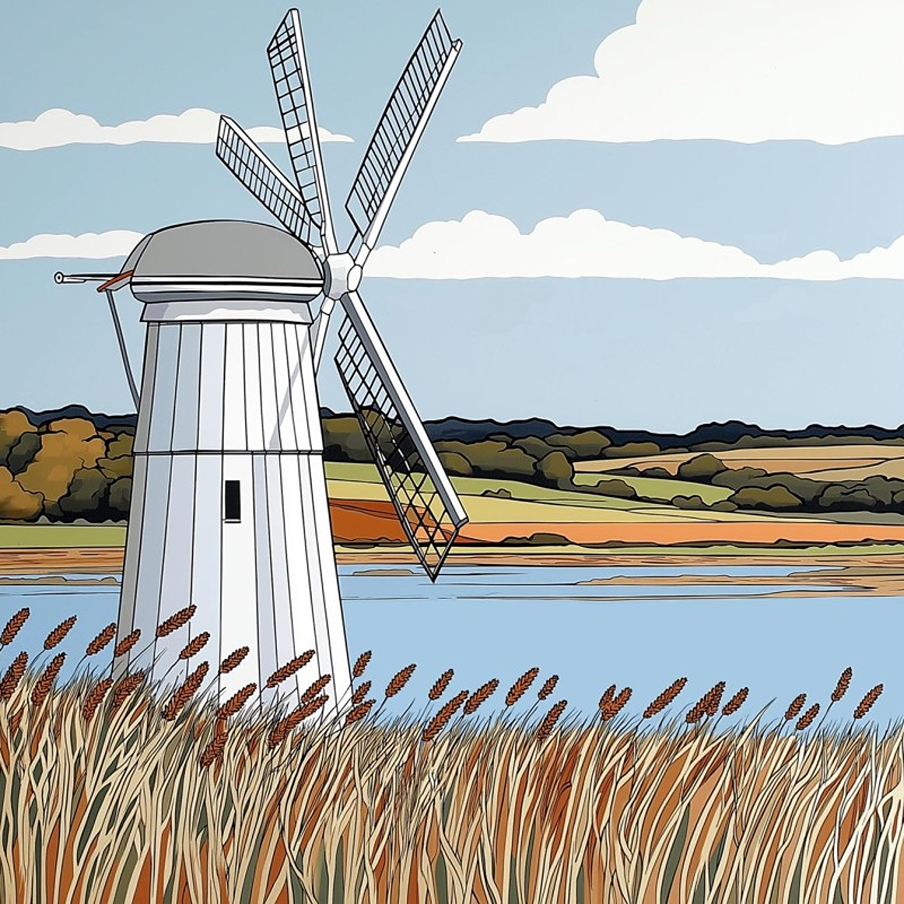
Norfolk is a large dry and mostly flat county in the east of England, the coast facing the North Sea, the coldest on earth! It’s pretty chilly in these parts in winter, so bring an extra jumper.
The Norfolk Broads (manmade wetland waterways) are home to 25% of England’s birds and native wildlife (including rare Swallowtail butterflies).
Known as ‘England’s Amazon’, the Broads are home to many creatures you likely won’t find elsewhere in England these days: bitterns, marsh harriers, swallow butterflies and fen raft spiders all find safe haven here. As do avocets, wading birds with unique upturned beaks.
There are seven rivers and over 60 broads (bodies of water). They span over 120 miles of rivers and lakes, created from flooded medieval peat diggings.
The Broads are also one of England’s most popular boating holiday destinations, so be a sustainable sailor, to protect local birds and wildlife. Canoeing is also popular, with plenty of quiet corners to explore. Moor up at a riverside pub, or just drift along and watch the world go by.
A wetland shaped by people, then nature
The story begins in the Middle Ages. People dug peat here for fuel, and they cut deep pits into the soft ground. Later, rising water flooded those pits and joined them to rivers. Over time, the old workings became the broads, those open stretches of water that now define the area.
That origin matters because it explains why the place feels slightly unusual. These are not natural lakes in the usual sense. They began as working ground. Then reeds spread, fish moved in, insects bred in the shallows, and birds found cover and food. So the Broads became a wetland where history and nature sit side by side.
By boat, you move through a maze of channels, broad water, hidden dykes and reed-fringed edges. Life gathers around the water. Birds hunt above it, fish move below it, and villages seem to lean gently towards it. Because of that, the Broads can feel like another world, calm, green and lightly wild.
Birdlife is one of the main reasons people come. Herons stand still at the margins, looking half-formed from the mist. Marsh harriers drift over the reed beds with slow, steady purpose. A kingfisher flashes past like a thrown jewel, gone almost before you register the blue.
The Broads are also linked with the swallowtail, Britain’s largest butterfly. It is one of the area’s best-known species, and for many visitors it becomes the moment they remember. One sweep of those cream and black wings can turn a quiet walk into something vivid.
A year surrounded by marshy wildness
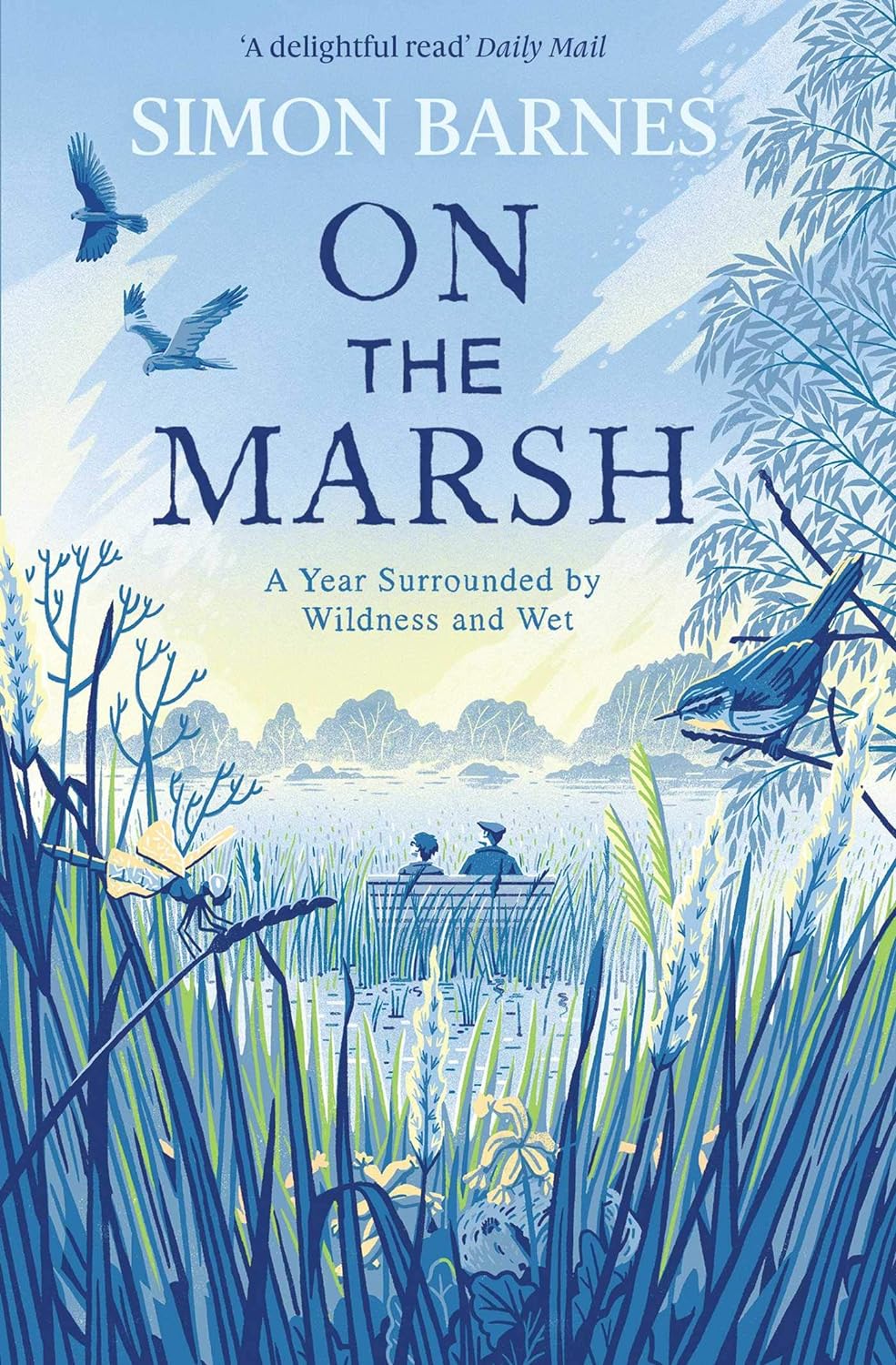
On the Marsh is a lovely book by Simon Barnes, who on hearing a Cetti’s warbler sing in Norfolk as he looked at a house for sale, moved there with to avoid the marshy land being lost to developers or intensive farming.
As he and his wife rewilded the area, this had calming effects for their son, who has Down Syndrome. A place of calm and inspiration for all.
Follow triumphs (two harrier families arrive to use the marsh as hunting ground). And disappointments (chemical run-off from neighbouring farmland creates a nettle monoculture).
Norfolk’s medieval religious history

A few miles inland from the Norfolk town of Wells-next-the-Sea (reached by steam train) is the ancient village of Walsingham, a popular pilgrimage for religious retreats. Read Paul Kingsnorth’s lovely piece on visiting England’s Nazareth.
Norfolk boasts more churches than anywhere on earth, so you won’t have to look for to spot a medieval church or spire, even if some lay abandoned. This is due to the strong history of the Catholic faith, before Henry VIII came to power.
Today, Walsingham has both Roman Catholic and Anglican shrines, which draws hundreds of thousands of pilgrims each year.
Walsingham Abbey grounds are known for their spectacular snowdrop displays (dogs are allowed in the grounds, but know that snowdrops and all bulbs are not safe, so avoid for flower-nosey pooches).
The medieval architecture makes this little village stand out. The 14th century buildings were built in a grid layout for the benefit of pilgrims, and there were two markets (now long gone) to buy food.
The old prison was built on the site of a former leper hospital, and there are numerous little churches. The tiny orthodox church was built from the old railway station, and one of the Catholic churches is the first in England to be carbon-neutral, with solar panels for electricity, and a deep-bore heat exchange system.
The village is also home to ‘little sisters of Jesus‘, a community of around 900 religious women who live in 50 countries. One writes a lovely story on their website:
After giving up her career as a paleontologist, she travelled to Wells to examine fossils on the beach. Meeting a dying man on his last holiday, they struck up a conversation and she told him ‘Keep courage and see you one day’. She went home, and knew she would never see him again.
Seven years later, he approached her – now healthy and married to his wife (the nurse who looked after him). He had kept the fossil she had given him and remembered her words. She writes that now she knows ‘God didn’t take her love of rocks away’ – instead He uses them as a means to give her people!’
The story behind Our Lady of Walsingham
Tradition says that in the 11th century, a Norfolk noblewoman, Richeldis de Faverches, received a vision of the Virgin Mary. Mary showed her the house of the Annunciation in Nazareth and asked for a copy to be built in Walsingham. That building became known as the Holy House.
Today around 350,000 pilgrims visit the village each year, full of well-preserved half-timbered medieval houses. A unique place to stay is The Control Tower, a vegetarian bed and breakfast, which looks very modern but in fact the rooms like the old signal room still retain authentic features.
Like a huge art deco bath, with a hand-held shower for washing your hair! With handmade soaps (no palm oil) just up the road in Burnham Market. And the large living room used to be the meteorological office!
What you won’t find are TVs, trouser presses, modern gadgets or rashers of bacon. But you will get a homecooked breakfast with local apple juice, homemade jam and a vegan menu with sourdough bread. Pets are unfortunately not allowed due to two rescued resident cats.