Nuneaton (birthplace of Larry Grayson and George Eliot)
Some towns feel like they exist only to get you somewhere else. Nuneaton doesn’t. It’s busy, practical, and lived-in, with a story that keeps surfacing in small ways, on plaques, in parks, and in the way people talk about home.
It also has two famous names tied to it, and they could hardly be more different. George Eliot (Mary Ann Evans) grew into one of Britain’s great novelists, with an eye for human behaviour that still feels sharp. Larry Grayson became a much-loved entertainer, remembered for warmth, sparkle, and a catchphrase that people still quote.
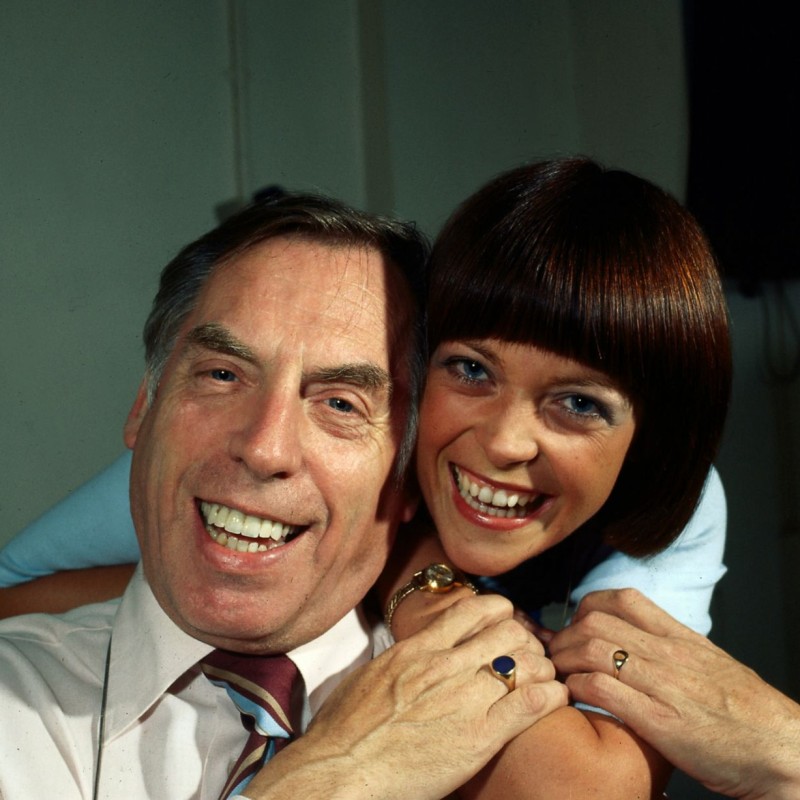
Nuneaton was the birthplace of Larry Grayson, one of England’s most beloved entertainers, who despite his success, loved it here so much that he never left.
Nuneaton (the name is from a 12th century Benedictine nunnery) has a market that has been there since 1247. Local residents are concerned that a new housing development could impact the water quality at a local stream from run-off, as it recently found endangered water voles nearby.
Labour government plans are to rip up local planning laws, to build more homes (although it’s possible to do this, without affecting wildlife if they consult with ecological planning experts).
Larry was born to a single mother, who who handed him in a blanket to a local family (they all remained close friends, he lived with his sister until his death). His phrase ‘shut that door’ arose from when he first did stand-up, and a stage door kept flying open!
It is important to be happy and enjoy what you are doing, without the sole aim of becoming a star. Setting out only to be a star, can lead to misery. If someone is meant to become a star, it will happen naturally. Larry
Isla St Clair (not impressed by reality TV)
Many people loved The Generation Game TV series a few decades ago, presented by Larry and his beautiful co-star Isla St Clair. She was a Scottish folk singer (still is! – listen to beautiful songs at her site for free).
Like many, she is not impressed with reality TV. She writes that people long for a light entertainment show that ‘doesn’t involve eating worms or awful revelations that should be kept indoors’.
A view shared by TV wildlife presenter Chris Packham. He recently wrote an open letter to Ant and Dec, asking them to not promote a show where native creatures are scared (or eaten) for ‘entertainment’.
Each year, Ofcom receives thousands of complaints about the ‘I’m a Celebrity’ show, which disrupts local ecosystems (these are creature that in nature, would be food for other creatures).
The programs also sends the message that insects are of no value. In fact, insects vital to ecosystems (and likely more important species than us!)
Writer George Eliot – a Scandalous Life

Also from Nuneaton was Mary Ann Evans (better known as George Eliot), described as one of history’s most scandalous writers. She is however known for her book Middlemarch, many describe it as one of the best novels of all time.
So why did her life shock so many people. For a start, she refused a loveless marriage, instead taking a partner who could not legally wed her, as he was married to someone else. This shocked both friends, family and society.
Born in 1819 in rural Warwickshire, she was a bookish child who studied languages, history and religion. After her mother died, she had to run the household, but still would read at every chance she got.
On moving to London as an adult, she worked with a publisher, and soon became editor of the Westminster Review. She also was so bright, she could translate religious works, and realising that it would difficult to publish as a woman, took her pen name of George to hide her gender (and keep her controversial life separate from her writing).
A Scandalous Life with George Henry Lewes
In 1851, she met George Henry Lewes through literary friends. Already in an open marriage (his wife had children with another man), She met George Henry Lewes in 1851 through literary friends. He was a sharp critic, witty and warm, and already married. His marriage to Agnes Jervis was open (she had four children with him, and another four with his friend?!) Forming a strong bond, Eliot and Lewes chose to live together out of wedlock, a bold move in Victorian London.
The couple lost friends and family, and newspapers hinted at their immorality. She was shut out from polite society, yet this did not seem to affect her work, as her writing thrived. They even travelled to Europe, where she wrote some of her finest books.
In 1878, Lewes died. Consumed with grief, she continued to edit his work, but her health declined. Just 2 years later, she married a banker (and old friend) John Walter Cross, who was 20 years her junior.
What happened next was beyond belief. On their honeymoon in Venice, John (consumed with depression) jumped from a hotel window into the Grand Canal. He survived, and they returned to London. But not long after, George died and is buried beside Lewes in Highgate Cemetery. John never married again, and died many years later age 84.
Challenging Social Norms Through Literature
Although George Eliot wrote some years after Jane Austen and the The Brontë sisters, their styles were very different. If you liked old-fashioned romance novels and the Christian faith, you likely preferred the latter and its romantic Regency life.
George was more a humanist-leaning feminist, and was seen as having views not in keeping with modern society. A bit like the 60s likely, when you either preferred The Beatles or The Rolling Stones!
It is a narrow mind, which cannot look at a subject from various points of view. George Eliot
Meet Nuneaton: a straightforward picture of the town and its story
Nuneaton sits in north Warwickshire, in that stretch between Coventry and the Leicester direction where the Midlands feels both close-knit and open. People often pass through by road or rail, yet the town rewards a slower look.
At heart, it’s a place shaped by work and movement. It grew from village roots into a town with strong industry and strong transport links, especially once railways helped shift people and goods fast. That history still shows up in the town’s layout, and in the mix of older streets and newer shopping areas. On a day trip, you’ll notice a town centre that gets on with things, plus pockets of calm that sit just a few minutes away.
The name “Nuneaton” is usually linked to a religious community of nuns and an old settlement by the river. You don’t need to hold the full detail in your head to feel the point. Faith and labour both left marks here, and everyday life developed around them.
For visitors, the appeal isn’t a single blockbuster sight. It’s the way heritage and normal life sit side by side. Add a park walk, a museum stop if it’s open, and a bit of reading later, and you’ve got a well-balanced things to do in Nuneaton plan.
A quick timeline, from old settlement to modern market town
Early Nuneaton grew around religious life and local farming, with a small settlement that served the area’s daily needs. Over time, the town became more of a working centre, with markets, trades, and new housing pushing it outward.
Then the 19th century changed the pace. Industry expanded, and transport links tightened, so the town connected more directly with nearby cities. Work shaped routines, and it shaped identity too, with families tied to skilled jobs and steady shifts.
In recent decades, Nuneaton has kept adjusting. Shopping areas, public spaces, and local services have evolved to match how people live now. The older story hasn’t vanished, it just sits underneath the modern one.
What visitors notice first: parks, canals, and an easy day out
Nuneaton feels most relaxed when you step away from traffic and into green space. Riversley Park is a good example, close enough to feel effortless, but calm enough to slow you down. It’s the kind of place where a short walk still feels like a break.
The wider area also suits gentle exploring. Canal-side paths nearby give you that steady, level walking that works for most ages. Even a brief stretch can reset your head, especially in spring or early autumn when the air feels mild.
This is an easy day out for couples, families, or solo history fans. Come mid-week for quieter streets, or choose a Saturday if you like the town at full volume. Either way, plan for simple comforts: decent shoes, a warm layer, and time for a café.