Organic Fabrics and Plant-Based Knitting Yarns
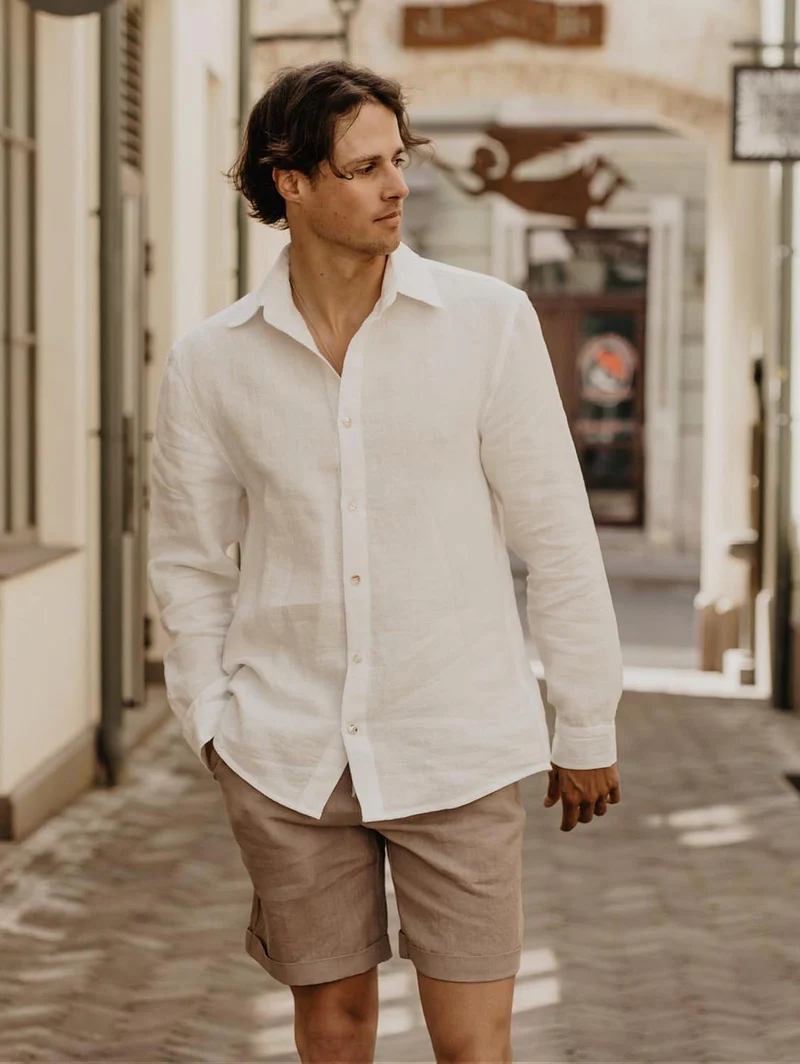
Amour Linen is a quality brand of linen clothing, from our friends in Lithuania. And unlike cotton, it doesn’t cling to your body, so no static electricity!
Linen (along with cotton and hemp) are the best ‘natural fibres’ to wear as they don’t release microplastics (try to choose organic or recycled cotton, as conventional cotton uses pesticides). Linen comes from flaxseeds, so is more local (often grown in Europe) and uses less water than cotton.
Cool in summer and warm in winter, it gets softer with age. Its only caveat is that it wrinkles, so avoid it if you don’t like ironing (or don’t mind being a bit ‘crinkly-clothed!’)

All the linen is locally sourced and the dying factory is nearby too. Everything is made by a team of in-house seamstresses. Any leftovers are made into other products, and all items are sent in zero waste packaging.
Where is Lithuania?
You will find that linen clothing often is from Lithuania, a Baltic state in eastern Europe, and home to one of the world’s oldest languages (related to Sanskrit, which is used to chant mantras in India).
It’s home to The Stelmuze, the oldest tree in Europe – an oak. Not surprising, considering one third of this beautiful country is entirely forest.
Wavy Linen Clothing (also from Lithuania)

Wavy Linen is a quality family-run brand of linen clothing from Lithuania, run by a pattern cutter, with everything expertly-made to Fair Trade principles, and sent out in compostable packaging.
Leftover fabrics are turned into pattern swatches, to send out to customers, rather than go to waste. The range includes comfortable summer hats, plus pretty blouses and skirts, along with elegant summer dresses and jackets.
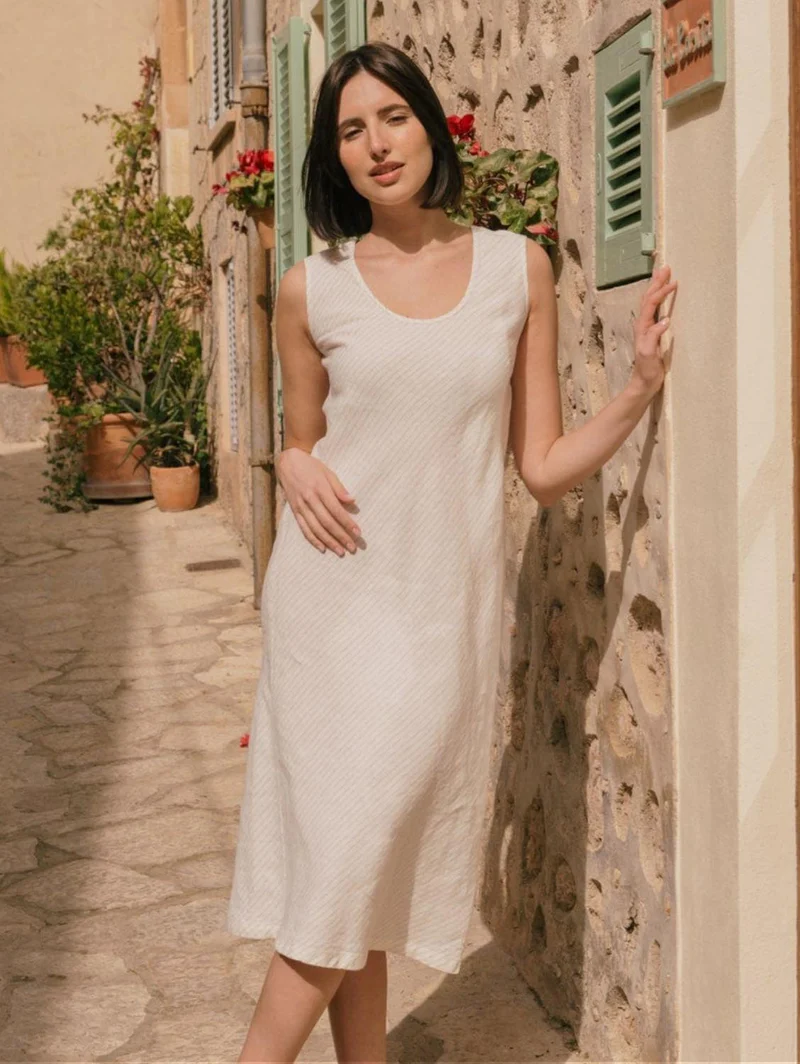
An Elegant Sleeveless Linen Dress
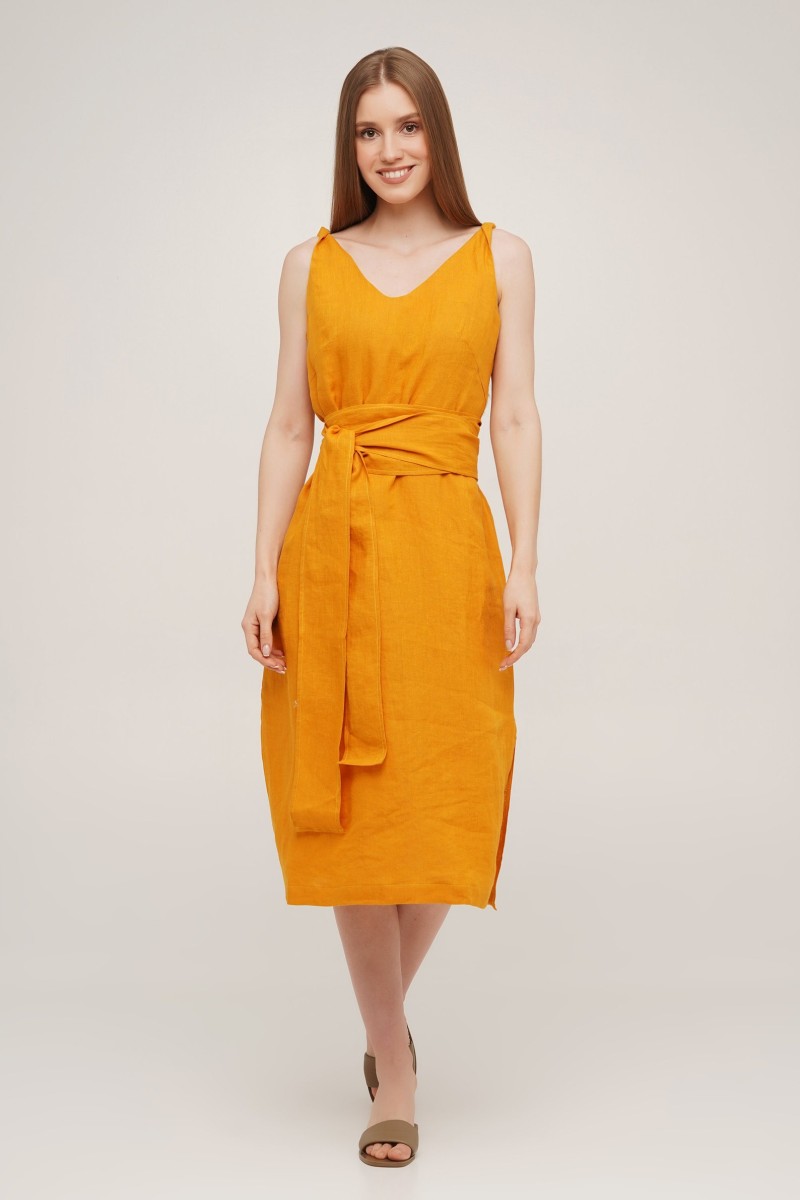
This sleeveless linen dress is made from 100% organic linen. A lovely way to display your ‘low fashion miles’ on a summer day.
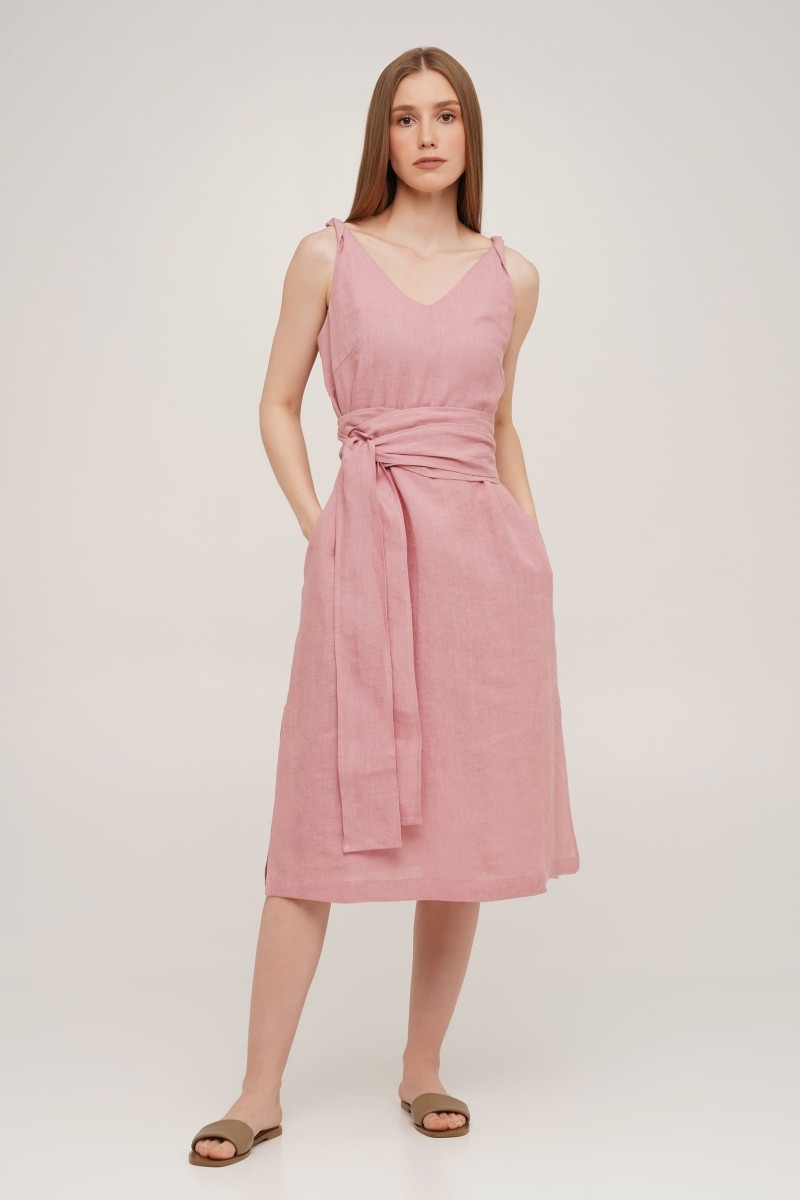
Available in several colours and sizes, this stonewashed linen dress is perfect for summer, with a wide belt (or wear without, for a relaxed flowing fit).
The dress features hidden pockets on each side, and the lightweight breathable material makes it comfortable on hot days.

The Stitchery Dorset is your online haven for organic cotton fabrics, now that most retail haberdasheries are no more. Just click the ‘organic fabric’ tab on the left of the Etsy shop, to find lots of lovely choices for your sewing projects.
This haberdashery also stocks organic sewing thread. Available in 34 colours, this is spun in Holland with a blend of the longest fibres, to make it smooth and strong.
Suitable for seams, overlock, top stitching and embroidery, this won’t shrink or bleed with washing and is supplied on a wooden spool. All you need is your skills and a sewing machine!
Grown Without Harmful Chemicals

Conventional cotton farming often relies heavily on pesticides, synthetic fertilisers, and harsh chemicals. Organic cotton is grown without these, using natural methods to keep pests away and soil healthy.
This not only protects the earth and local water sources but also reduces the risk of irritants making their way into clothing.
Gentler on Your Skin
Clothing made from organic cotton is less likely to cause skin irritation or allergies. Since it skips harsh chemicals and toxic dyes, organic cotton fabric feels softer and more natural on the skin.
This makes it a favourite for baby clothes, underwear, and bedding, especially for those with sensitive skin.
Supports Fair Working Conditions
Many organic cotton farms stick to ethical standards, aiming for safer workplaces and fair pay for farmers. Certification labels like GOTS (Global Organic Textile Standard) mean that workers get safe jobs and proper treatment.
When you pick organic cotton, you support brands that value people, not just profit.
Stronger and Longer-Lasting
Organic cotton fibres are harvested by hand and processed gently, keeping them stronger and less likely to break. Without chemical treatments, the fibres keep their natural shape, which helps clothes last longer and look better wash after wash.
Garments often hold their shape, colour, and softness much longer than regular cotton.
Uses Less Water Than Conventional Cotton
Cotton is known for its thirst, but organic farming often relies on rainwater and better soil health to cut down on water use.
Without synthetic fertilisers and intense irrigation, growing organic cotton saves precious water, making it a better choice in areas that face drought and water shortages.
Reduces Impact on Wildlife
Growing cotton with toxic pesticides affects birds, bees, and fish. Organic cotton farming bans these chemicals, so wildlife near farms stays safer.
Healthier soil, fewer toxins, and cleaner water all add up to farming that fits better with nature.
Easy to Recognise Through Certifications
When shopping, look for clear labels like GOTS or Soil Association Organic. These certifications mean fabric comes from farms and factories meeting tough environmental and social standards.
You don’t need to guess if your cotton is truly organic—these labels do the checking for you.
More Places to Buy Organic Cotton Fabrics
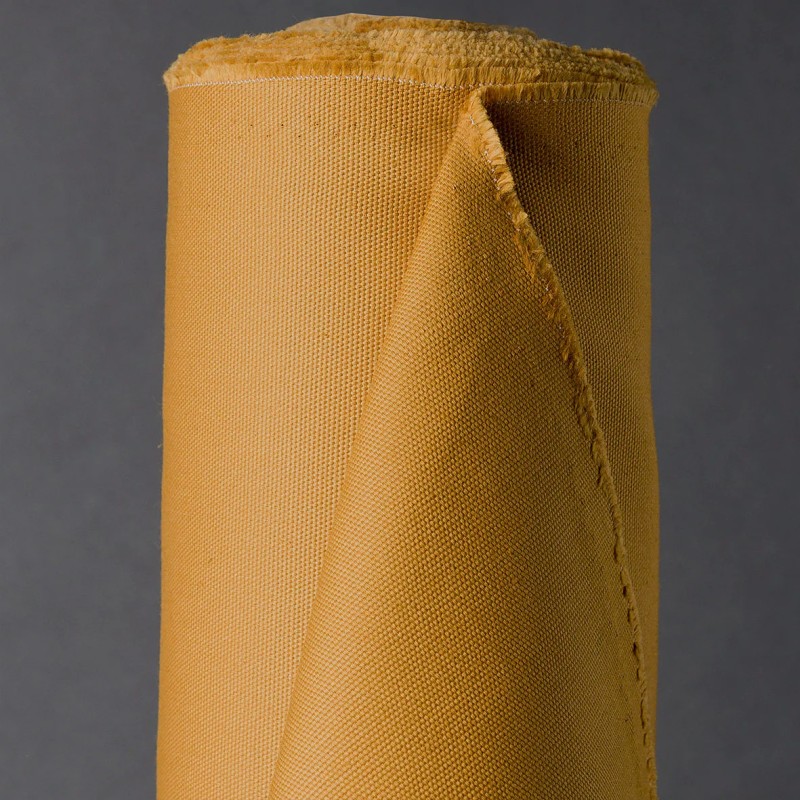
- Ray Stitch is a well-loved fabric shop in London. Their curated collection means every piece of organic cotton they stock has been chosen with purpose, from versatile plain cottons to stylish prints and canvas weights.
- Fabworks is a good place to buy linen fabric, buy by the metre for more affordability. It also offers its own house linen, which is dyed fabrics from overstock.
- Organic Textile Company has built a strong reputation for ethical sourcing and quality. They carry a large stock of GOTS-certified organic cotton, with options like jersey, twill, denim, and muslin. Also buy organic cotton thread
- Sew Me Sunshine offers a diverse selection of organic cotton, from plain muslins to vibrant patterns. Their prices are fair, and they post to the UK and abroad. The shop’s focus on transparency means you can check certifications quickly.
- My Fabrics is a larger retailer with a special section for organic cotton. You’ll find a good mix of plains, patterns, and baby-friendly textiles at prices that often surprise first-time shoppers.
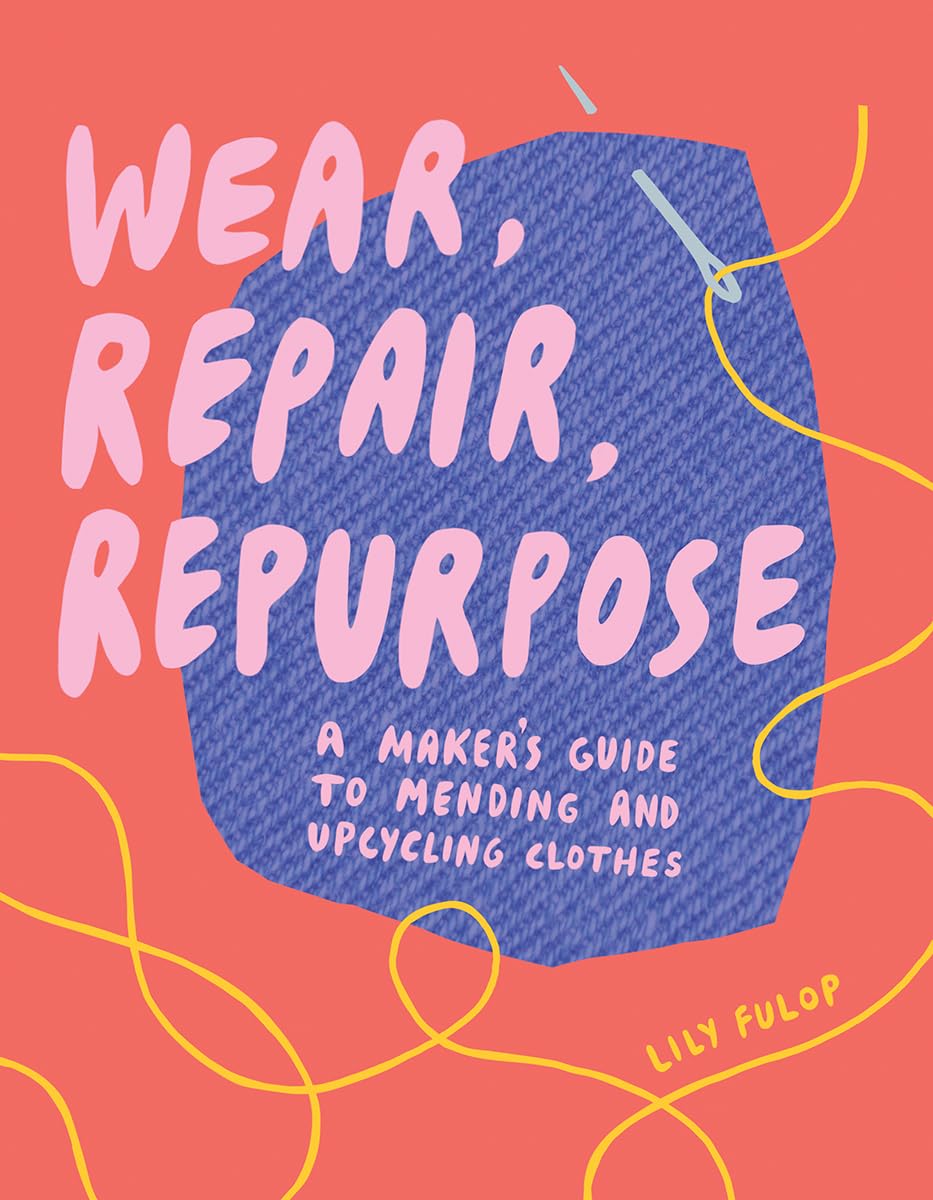
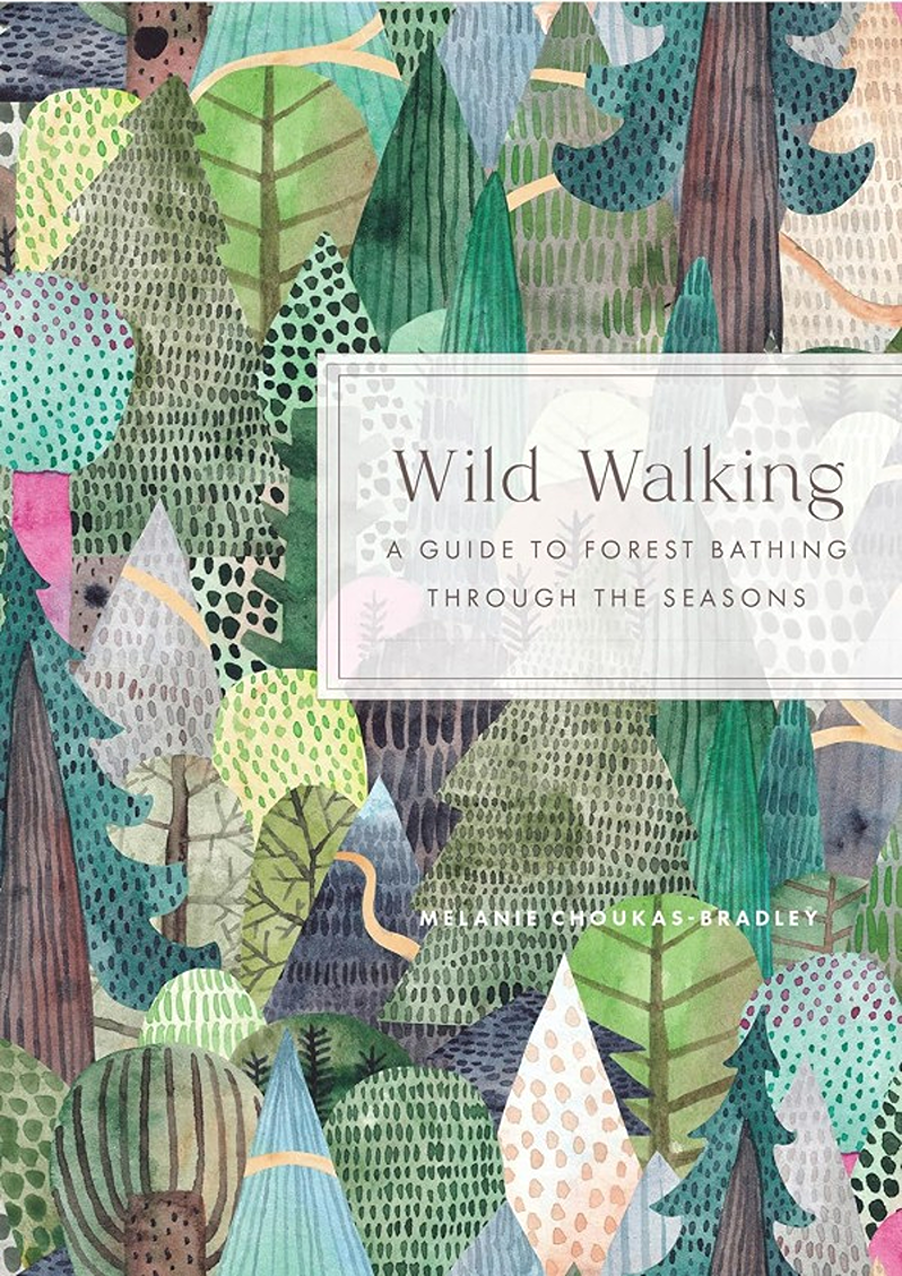
Wear, Repair, Repurpose is a beautifully illustrated guide to mending your clothes, with projects to refresh your wardrobe, give worn-out clothes new life or make the most of thrift store finds.
Read more on how to mend and alter clothes. Use organic cotton sewing thread and organic cotton fabric. If sewing with polyester, launder in a microfibre filter. Keep sewing materials away from children and pets.
Only buy used clothing from charity shops that don’t test on animals. Also read our post on removing stains, naturally.
Illustrated instructions demystify mending techniques. You’ll learn to darn socks, hem trousers, embroider over stains and reduce fashion waste, without sacrificing style.
- Basic Sewing Skills
- Repairing a Seam
- Hemming
- Sewing a Button
- Sewing a Hook & Eye Clasp
- Embroidery over Stains & Holes
- Patching Holes
- Darning
Lily Fulop is a brand designer who lives in Brooklyn, New York. You may not know her, but you likely know some of her designs, which she creates for the colourful packaging on eco-friendly toilet paper company Who Gives a Crap?
A Book to Alter and Repair Your Clothes
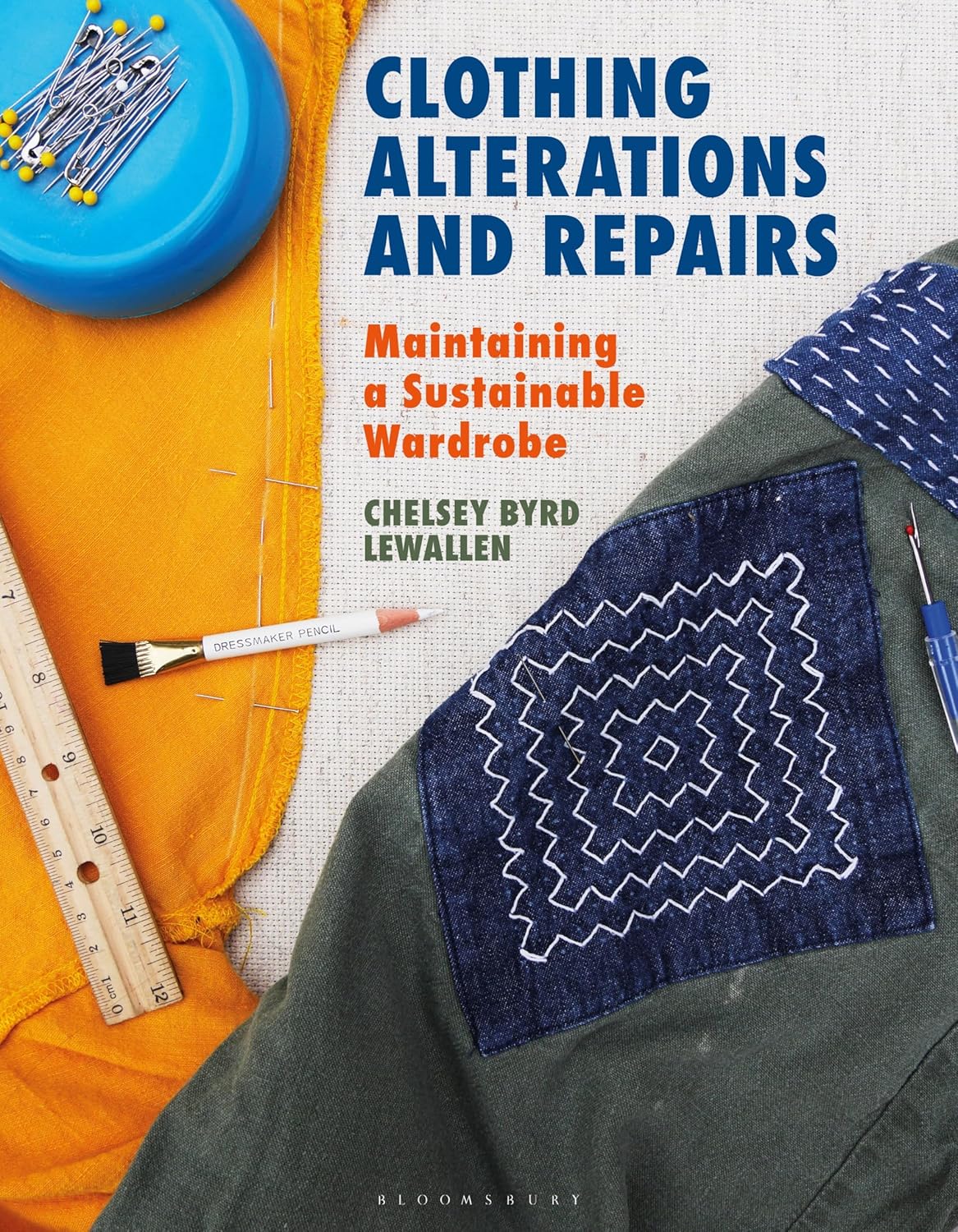
Clothing Alterations & Repairs is the ultimate guide to learn how to alter and repair clothes you already own, whether to extend their life or to achieve the perfect. Whether you’ve always wanted to know how to darn a sock, mend a hole or take up a hem, this book can show you how.
Ideal for anyone interested in mending their own clothes, this is also a good manual for anyone considering a home business in sewing. The book features illustrated projects. You’ll learn how to:
- Hem clothes
- Take in or let out seams
- Repair broken zippers
- Fix tears & holes
There is also a detailed section on more complex techniques like:
- Adjusting suit jacket sleeves
- Reshaping necklines
- Fixing backpacks, tents & bags
Chesley Byrd Lewallen is a lecturer in apparel, textile and design in Idaho, USA. She is also a sewist, artist and teacher who loves making clothes fit beautifully, while keeping textiles out of landfills.
DIY Thrift Flip: Transform Your Old Clothes!
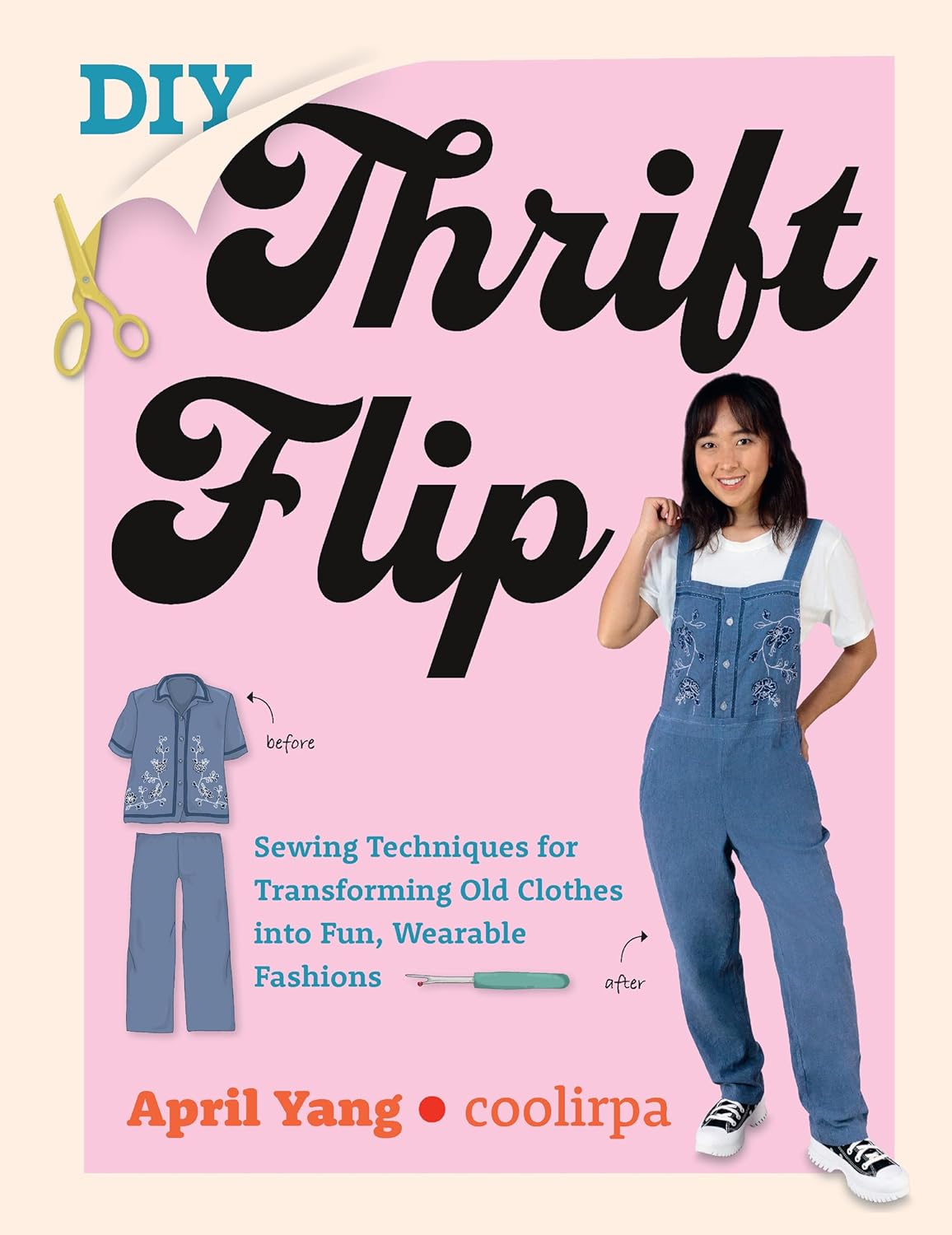
DIY Thrift Flip is a fun book by a student in California who learned how to make her own clothes on a budget, by transforming existing clothes or finds from thrift shops.
Join her, as she teaches you how to find, upcycle and customise second-hand clothing for sustainable style, with simple sewing instructions.

April takes you through every phase of the process, from how to find the best clothes and fabrics to transport, plus easy ways to alter and tailor shirts, dresses, trousers, coats and more.
You’ll also learn what can (and can’t) be fixed and how to gauge sizes when you can’t try something on.
Learn how to use patterns to alter clothes (or parts of garments), how to add sleeves and hems and pockets, plus how to custom-tailor an altered piece for a great fit.

The projects are for beginner to intermediate level, and include lots of inspiring before-and-after photos. QR codes give access to techniques and tutorials.
April Yang was a hobby sewist, who began to upcycle clothes, while studying at college in California. Her creations were so popular, that they went viral online, and led to the publication of this sewing books.
Sewing Green: 25 Projects with Repurposed Materials

Sewing Green shows how to turn old men’s shirts into pretty aprons, and make a wallet from the shirt cuffs! Author Betz White was born into a family of makers, earned a degree in fashion and after becoming a mother, left the corporate world to share her creativity to other sewers.
Taking care of your own clothes saves money, cuts down on waste and keeps favourites in rotation for longer. Mending and altering can sound daunting, but you don’t need fancy skills or a sewing machine to get started.
Most repairs and changes can be done with a needle, thread and a bit of patience. Here’s a step-by-step guide to help you look after your clothes and get more wear out of everything you own.

Organic Cotton Knitting Yarn is steadily replacing wool, as the yarn of choice for sustainable knitters. Ideal for vegans or those concerned over farming welfare or carbon footprint. you can also buy more affordable recycled cotton yarn that is perfect for knitting, crochet, weaving and macrame projects. Perfect for summer makes, choose from 16 colours.
Despite the image often given, keep balls of wool away from cats and kittens, as it’s a choking/tangling hazard.
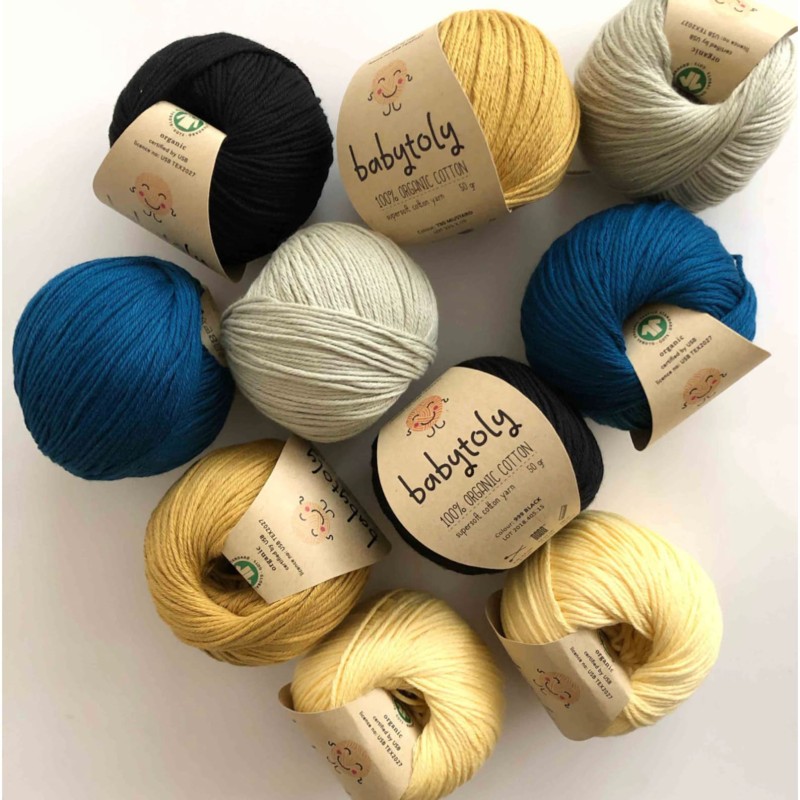
This Organic Cotton yarn is smooth, cold and holds its shape for plant-based knitting patterns. Absorbent and soft next to skin, it can stand up to frequent washing and daily use.
Other Plant-Based Knitting Yarn Choices
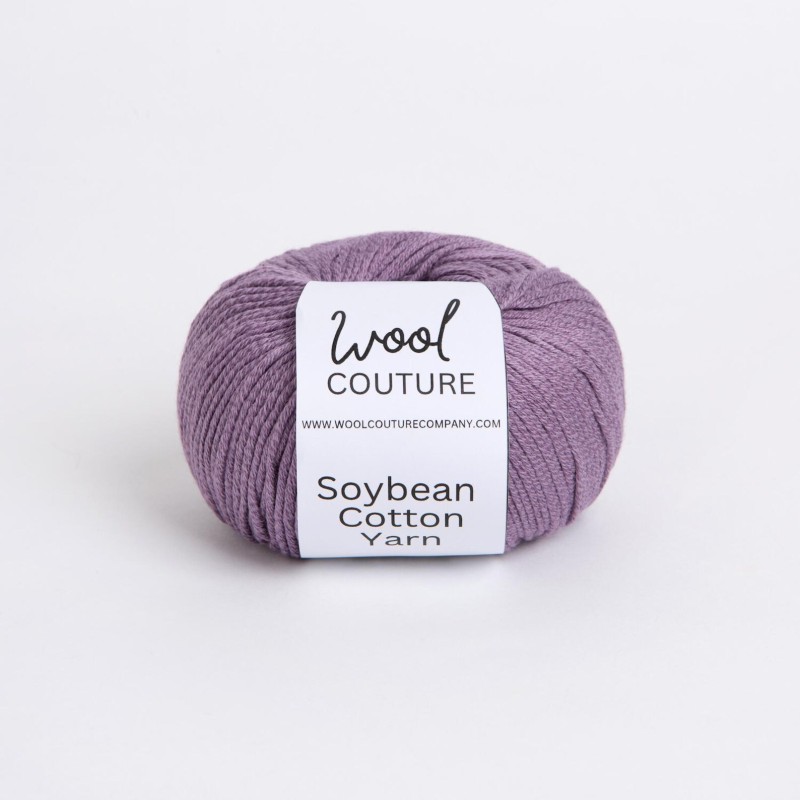
Soy yarn is made from the leftovers of soybeans, used to make tofu! This is a buttery soft yarn, similar in texture to silk or cashmere. Use it for scarves and wraps.
Linen is from the flax plant, so is more local than cotton (mostly grown in Lithuania). It also takes far less water to grow, than cotton. It’s an elegant fabric that drapes well, and ideal for summer tops, beachwear, towels and dishcloths (thanks to its moisture-wicking properties).
Bamboo has a silky feel. It’s not local, but a fast-growing grass (industrial bamboo is not the same as fresh shoots eaten by pandas). It’s good for warm-weather garments like summer dresses.
Hemp can be grown in England (it’s only slightly related to cannabis, and won’t make you high!) This plant draws heavy metals from the earth, and grows organically. Like linen, it keeps you cool in summer and warm in winter.
When weaved for fabric, it’s not like old rope! Though tougher hemp fabrics can be used to make hats and bags.
Ramie is made from a Chinese nettle plant. It’s similar to linen, and also good to resistant mould and mildew. It also does not shrink or lose colour easily (you can sometimes find this material in zero waste shops, to make alternatives to plastic shower sponges).
Seacell is made by blending cellulose (wood pulp) with sustainably-hand-harvested seaweed (mostly from Icelandic fjords). Again it has a silky touch and holds eco dyes well, so often sold in beautiful colours.
Corn fibre yarn is made from the sugars in maize, and again holds colour very well. It feels similar to acrylic, but this time it’s biodegradable. It resists moisture, so good for garments that are washed often.
Why Choose Plant-Based Knitting Yarns?
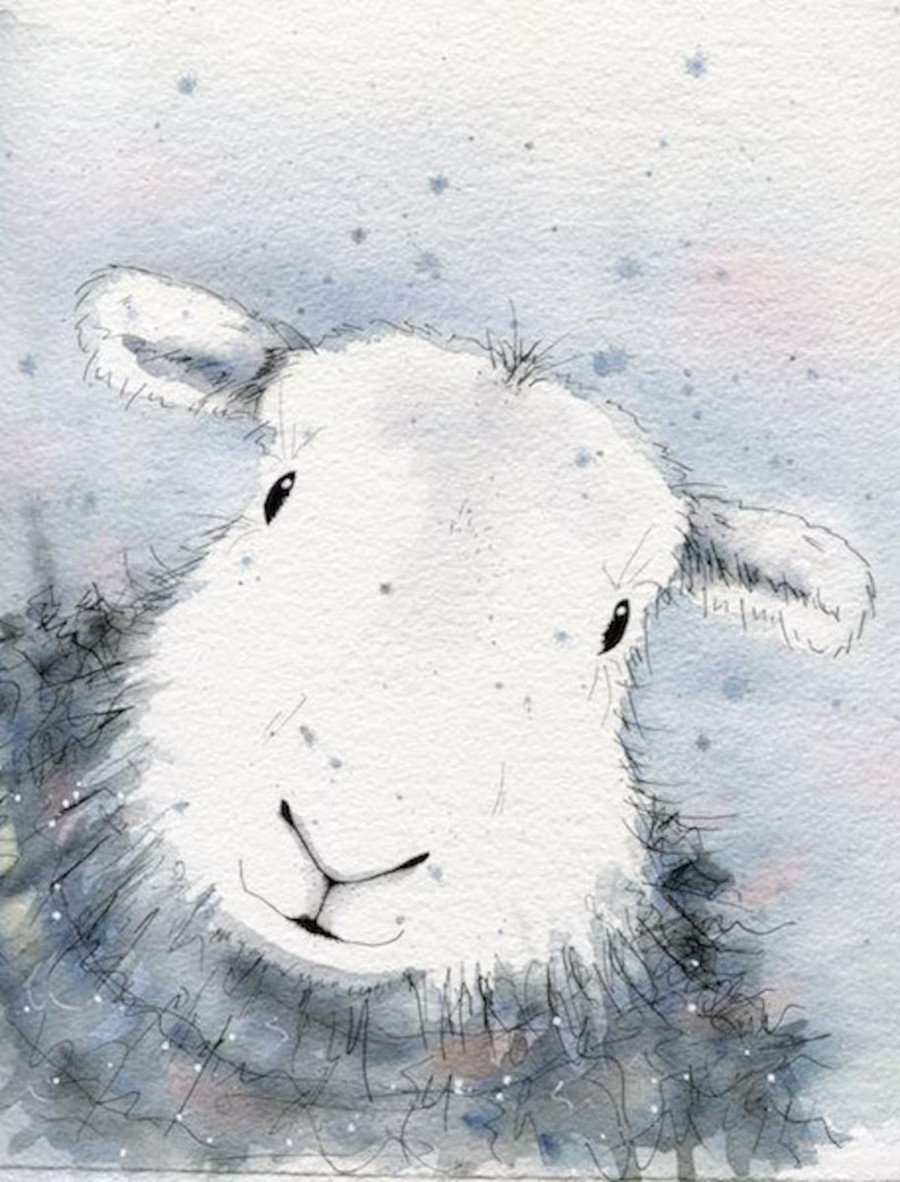
Although sheep do need shearing to avoid over-heating and be able to see predators, the conventional wool industry has many issues.
Some sheep are sheared too early (leading to hypothermia) and others suffer ‘mulesling’ (having chunks of skin sliced away to prevent flystrike, without painkillers). And many sheep are killed, when they get older and their wool production slows down).
If you wear wool, choose companies that don’t kill the sheep, simply shearing the wool: like vegetarian wool or sheepskins.
Pregnant sheep can sometimes roll over onto their backs, and can’t get back upright, and soon die if the farmer is not aware. Some sheep can also fall over, due to wool being waterlogged from rain.
If you see a sheep on its back, just firmly right it back, then stay with it, until rain has drained off, so it won’t happen again. Then inform your local farmer.
Knitting Patterns for Plant-Based Fibres
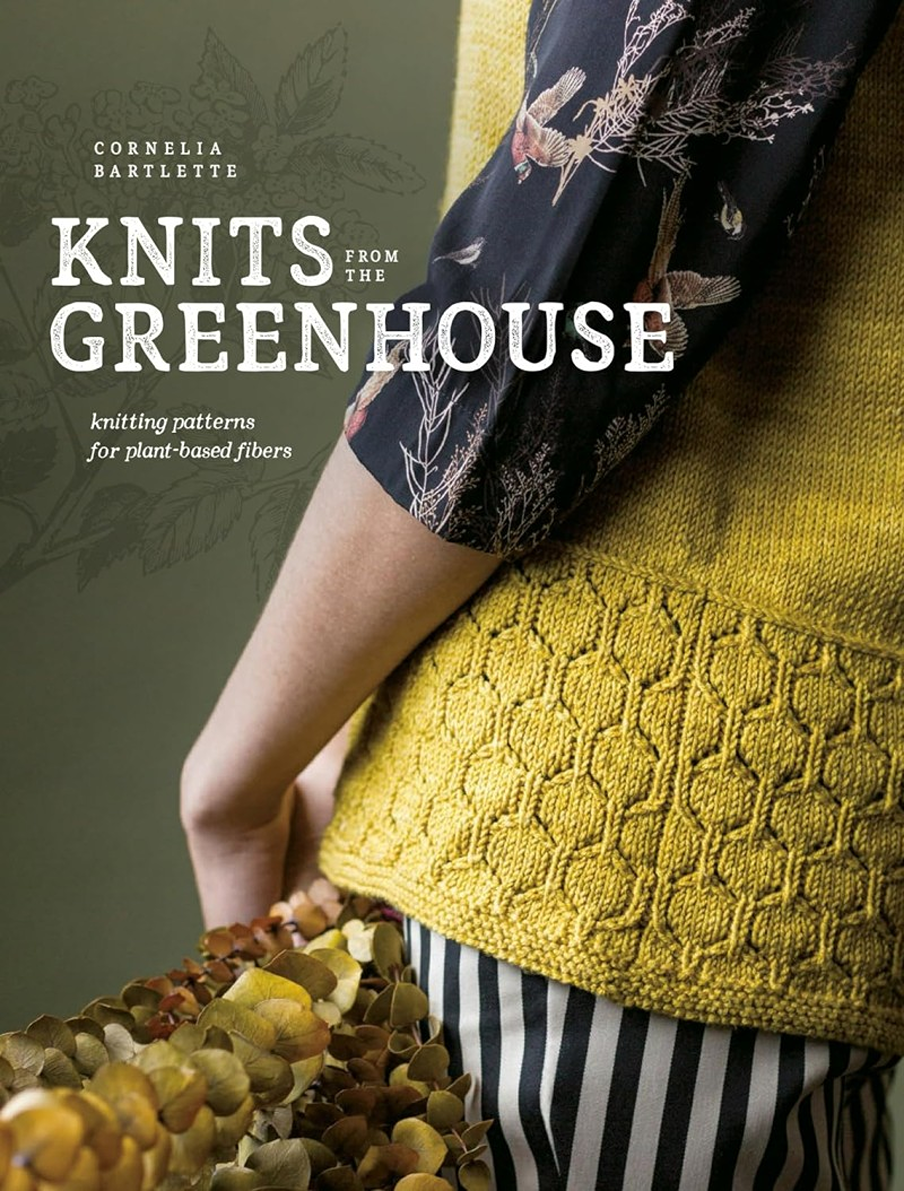
Knits from the Greenhouse is one of the first books to show how to knit clothes and accessories with plant-based knitting yarns. You have to use them slightly differently so this book lets you do that.
The book features 18 projects designed to show off the best properties of plant-based fibres, with helpful tips from designers who work with them. From soil to skein to finished project, enjoy working with plant-based fibres – no green thumb required!
Use with Bamboo Knitting Needles
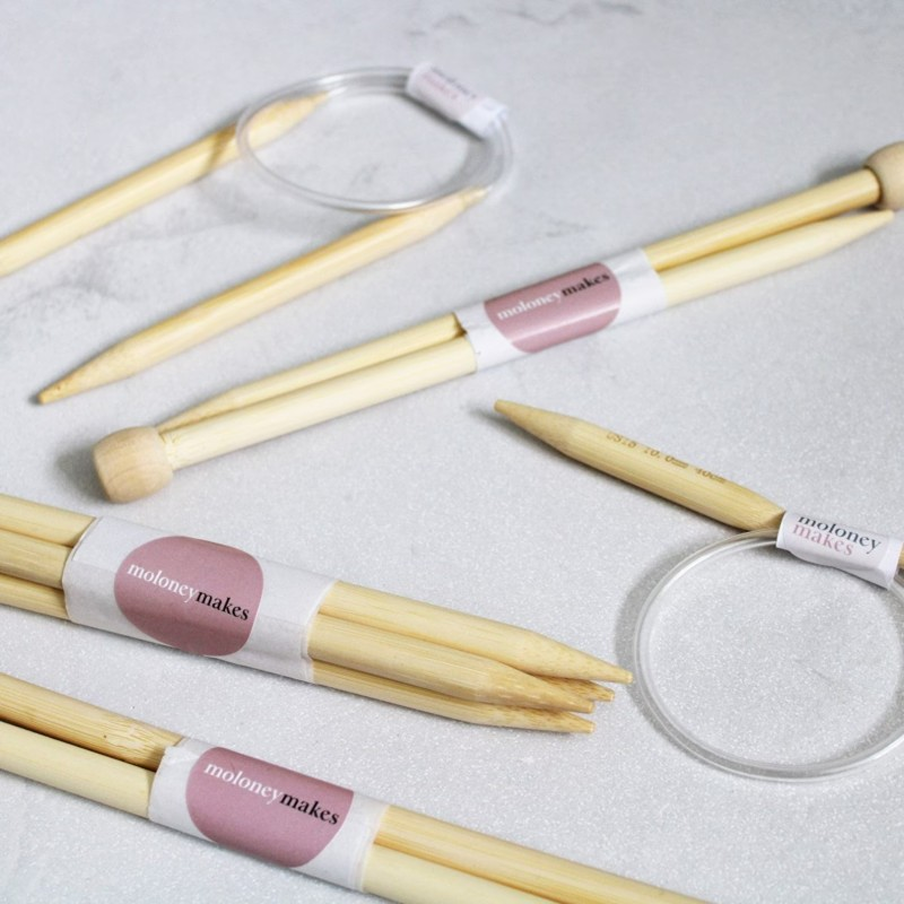
Bamboo knitting needles are warm to touch (over metal) and good for arthritic hands as they are easier to hold, and offer better control of stitches.
Why Choose Plant-Based Knitting Yarns?
Although sheep do need shearing to avoid over-heating and be able to see predators, the conventional wool industry has many issues.
Some sheep are sheared too early (leading to hypothermia) and others suffer ‘mulesling’ (having chunks of skin sliced away to prevent flystrike, without painkillers). And many sheep are killed, when they get older and their wool production slows down).
If you wear wool, choose companies that don’t kill the sheep, simply shearing the wool: like vegetarian wool or sheepskins.
Pregnant sheep can sometimes roll over onto their backs, and can’t get back upright, and soon die if the farmer is not aware. Some sheep can also fall over, due to wool being waterlogged from rain.
If you see a sheep on its back, just firmly right it back, then stay with it, until rain has drained off, so it won’t happen again. Then inform your local farmer.
Willow & Claude (an Aussie vegan knitwear brand)
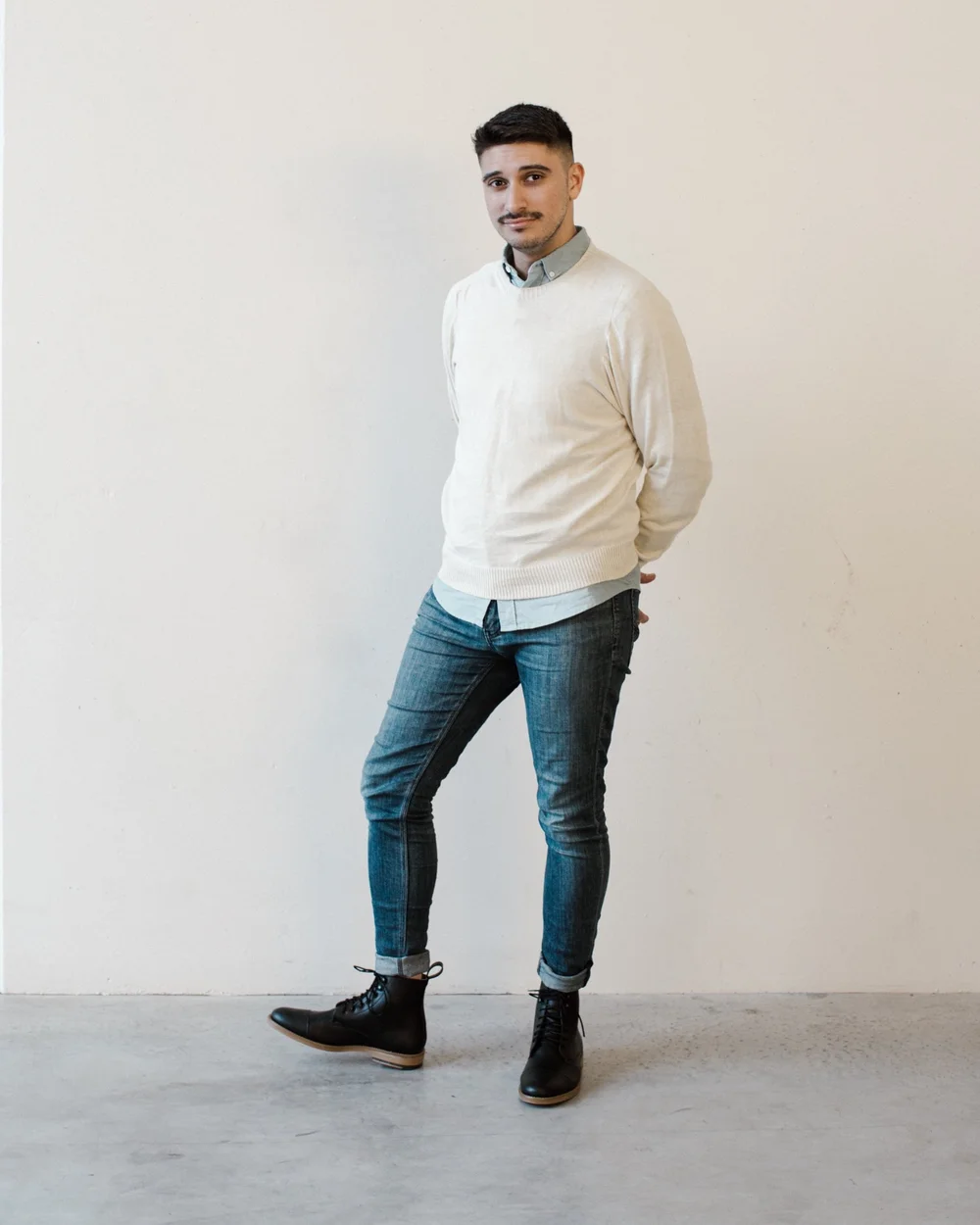
Willow & Claude is a vegan knitwear brand, to help save the millions of sheep slaughtered each year for meat and wool. Profits support the work of collective fashion justice. You can also contact them for a discount if you are an Aboriginal or Torres Strait Islander.
This Foggy Knit jumper was named after a rescued orphaned lamb.
A Vegan Wool (made from weeds!)
Described as ‘more sustainable than dirt’, Weganool is a new type of wool made from weeds! Made in India from carefully extracted calotropis stem and pod fibres, then blended with organic cotton.
The woven material is lightweight with remarkable thermal-regulating properties, giving the warmth of wool, without animals.
Made without chemicals or waste, the material can be used to make shirts, dresses, scarves and inner linings, plus single jersey and fleece knits.
The fabric also thrives in drought-prone areas so saves water over cotton, and is good to provide jobs. It’s also dyed naturally with plants, flowers, roots, seeds and minerals.