Restore Plain English (join the campaign!)
England is of course a nation of writers. And it’s good to write things ourselves, although there is some benefits to AI for say writing political laws to make them both understandable and accurate (so more likely to become law – humane medical research is one good example).
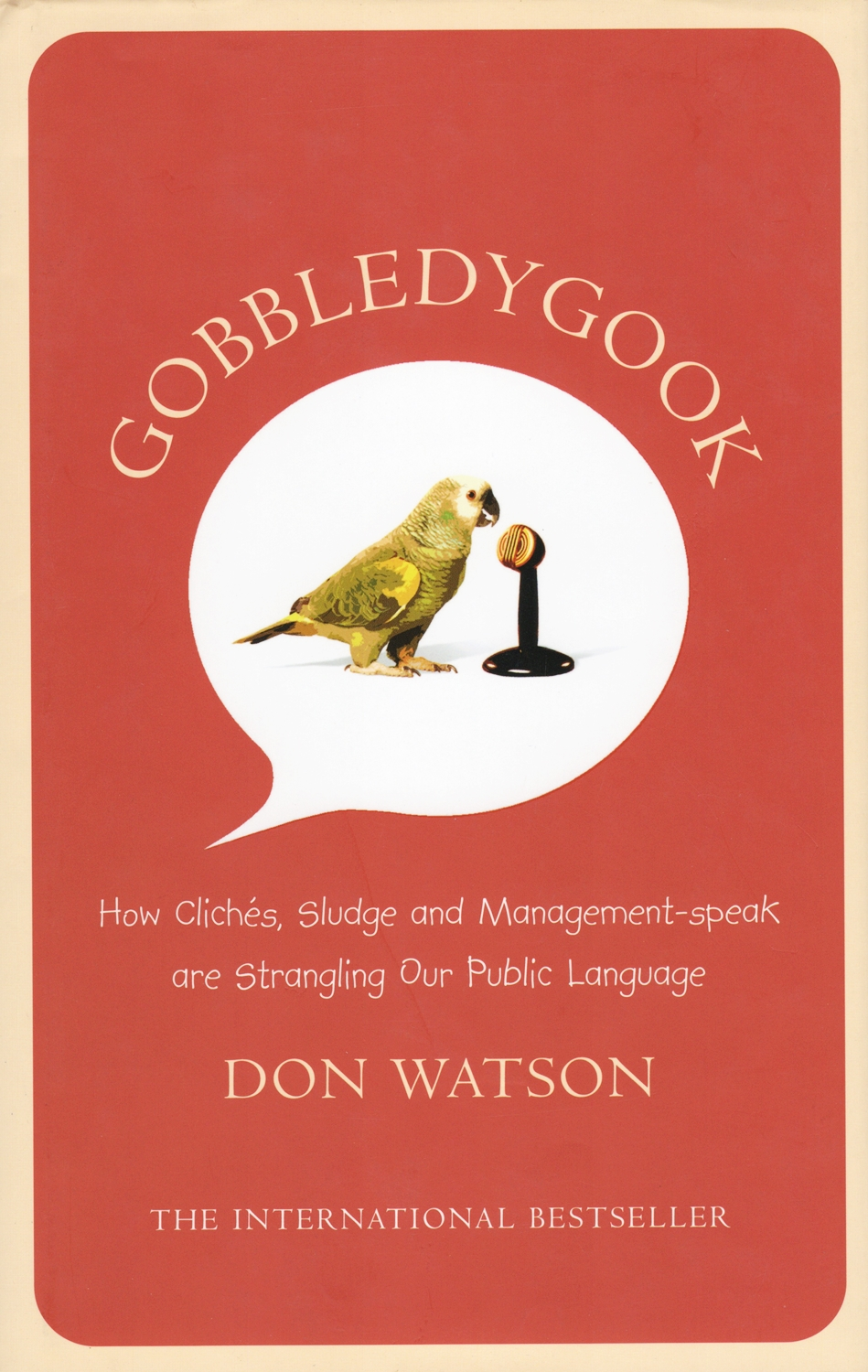
But what is needed is an end to talking gobbledygook. So often used in letters (especially by councils and lawyers), you’ll even find it on simple things like bus timetables (ever tried to understand one?)
Sometimes the examples (like below) can be funny. But there is a serious side, as not making things clear can lead to people say with dementia taking the wrong medicine doses, people building furniture that could fall down on their heads, and people following incorrect legal advice.
It would be a perfect world if all the pen-pushers in Whitehall and in councils could write properly. But many can’t. So we could wait eons for them to learn, or hire plain English editors (a good idea, but cash-strapped councils won’t).
Far better is for them to use sites like RightBlogger, which lets them put in all the info, and it will churn out (usually in under a minute) far better-written instructions, documents and the like. .
First of all, we’ll look at some funny before/after examples of Plain English translations. Then we’ll get more serious, showing how using AI for government Bills could make things far simpler.
Funny Before/After Plain English Translations
Here are some examples from the University of Colorado, to inspire you.
Before Plain English
The patient is advised to adhere strictly to the prescribed regimen of medication, which involves taking two tablets of 500 mg each of the antibiotic every eight hours, with the consumption of food to mitigate potential gastrointestinal side effects. Non-compliance with this schedule could result in diminished therapeutic efficacy and possible exacerbation of the condition.
After Plain English
Take two 500 mg tablets of the antibiotic every 8 hours. It’s best to take them with food to avoid stomach problems. Follow this schedule closely to make sure the medicine works properly and helps you get better.
Before Plain English
In accordance with the stipulations set forth in the agreement, the party shall remit payment of the stipulated amount within thirty days subsequent to the receipt of the invoice. Failure to adhere to this timeline may result in penalties or interest charges as delineated in section 4.2 of the contract.
After Plain English
You need to pay the amount shown on the invoice within 30 days. If you don’t pay on time, you might have to pay extra fees, as explained in section 4.2 of the contract.”
Before Plain Language
To ensure optimal safety when operating machinery, it is imperative to don all required personal protective equipment (PPE) including safety goggles, gloves, and ear protection. Adherence to these safety protocols is mandatory to mitigate risks associated with machinery operation.
After Plain Language
Always wear safety goggles, gloves, and ear protection when using the machinery. This will help keep you safe and is required for your protection.”
Before Plain Language
To operate the device, engage the power switch located on the rear panel of the unit. Subsequently, adjust the settings using the control dial situated on the front interface. Ensure that the device is calibrated according to the user manual to achieve optimal performance.”After Plain Language
Turn on the device by flipping the switch on the back. Then, adjust the settings with the dial on the front. Follow the user manual to make sure the device is set up correctly for the best results.
Example: Translating Parliamentary Bills

Again, RightBlogger has an ‘Explain Like I’m Five’ tool (and a ‘Rewriter tool’, which is more apt), which would be ideal for this kind of thing. We visited the UK government website for Parliament Bills, then used the tool to translate one currently going through, using this tool:
A Bill to ban the use of animals in medical research, using humane methods instead. Sounds good, yes? But just look at the wording:
Be it enacted by the King’s most Excellent Majesty, by and with the consent and advice of the Lords Spiritual and Temporal, and Commons, in this present Parliament assembled, and by the authority of the same, as follows:
Prohibition of use of animals in medical research. The Secretary of State must by regulations prohibit the use of animals in medical research from 1 January 2035.
Regulations made under subsection (1) must:
(a) prohibit the use of live animals or animal-derived biomaterials, and (b) require the use of non-animal methods in research into human diseases or in the testing of medicines or medical devices being developed for human use.
(3) Regulations under this section may include provision
(a) creating criminal offences in respect of failures to comply with the regulations,
(b) about such offences, and
(c) for, about or connected with the imposition of civil sanctions.
(4) Regulations under this section are to be made by statutory instrument.
(5) A statutory instrument containing regulations under this Act may not be made unless a draft of the instrument has been laid before and approved by a resolution of each House of Parliament.
(6) Before laying before Parliament a draft of an instrument under this section, the Secretary of State must consult—
(a) the Animals in Science Regulation Unit; (b) the Animals in Science Committee;
(c) the Commission on Human Medicines;
(d) the Medicines and Healthcare products Regulatory Agency;
(e) such other persons as the Secretary of State considers appropriate.Requirement to issue guidance in connection with section 1
(1) The Secretary of State must issue guidance for persons—
(a) undertaking research into human diseases, or
(b) carrying out testing of medicines or medical devices being developed
for human use on the regulations made under section 1 of this Act.
(2) Guidance under this section must include—
(a) advice and information about non-animal research methods,
(b) information about any support available from the Government or
other sources for the use and development of non-animal research
methods.
(3) The Secretary of State may revise guidance issued under this section.
(4) The Secretary of State must arrange for guidance issued under this section
to be published.This Act comes into force on the day on which it is passed. This Act may be cited as the Animals in Medical Research (Prohibition) Act 2025.
What Did Our Friendly Robot Say?
These 192 words took, by the way, 10 seconds!
This new law says that after 1 January 2035, medical research in the UK cannot use animals. The law covers all live animals and anything made from animals. Scientists must use other methods that do not involve animals when they study diseases or test medicines and medical devices for people.
If someone breaks these rules, they could face criminal charges or other penalties. The government will write these rules in detail and put them before Parliament. Both Houses of Parliament need to agree before these rules take effect. Before making the rules, the Secretary of State must talk to groups and experts who know about animal research and medicine.
The Secretary of State must also give advice and support to researchers. This includes information on how to use non-animal methods and where to find help and funding to develop new ways to do research without animals. These guidelines will be published and can be updated when needed.
This law will apply across England, Wales, Scotland and Northern Ireland. It will take effect as soon as it is passed by Parliament. People will call it the Animals in Medical Research (Prohibition) Act 2025.
Can you imagine the good that could be done, if AI was used well in everything from government to medicine?
Any fool can make things bigger, more complex, and more violent. It takes a touch of genius and a lot of courage, to move in the opposite direction. Albert Einstein