The Plant-based Baby & Toddler Book (by dietitians)
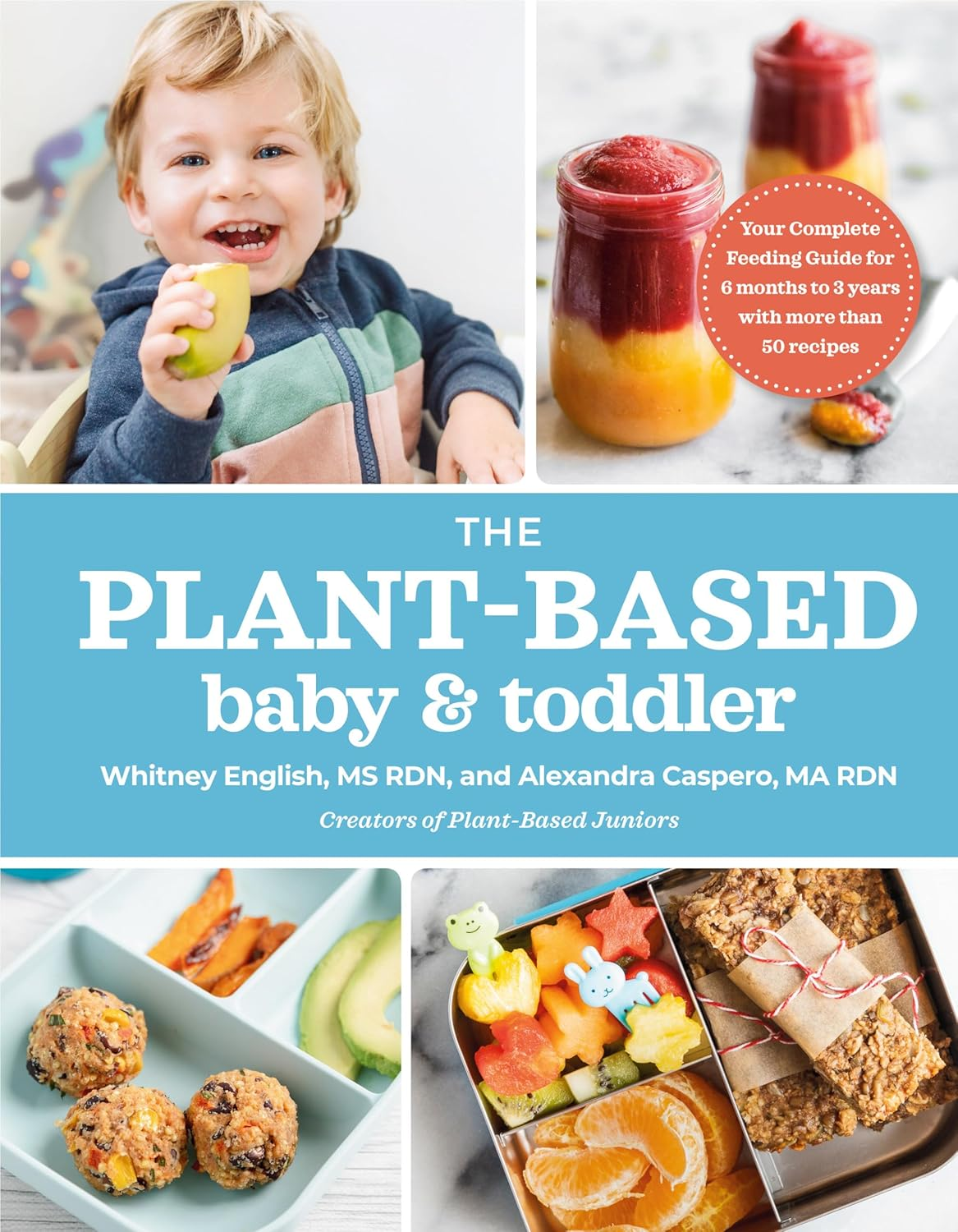
The Plant-Based Baby and Toddler is a complete feeding guide for 6 months to 3 years, with over 60 simple recipes. This is your go-to source for evidence-based healthy eating for parents of young vegans, from two highly qualified nutritionists and registered dietitians.
Some parents vegan children (and those with allergies or religious beliefs) want NHS Healthy Start Vouchers (for low incomes) to offer dairy-free milk and vegan vitamin D supplements (as well as fresh produce), especially as many African-American children are lactose-intolerant.
Read info by dietitians on food allergens (they say the top 8 allergens of milk, eggs, soy, shellfish, fish, peanuts, tree nuts and wheat account for around 90% of all allergens, the others being mustard or sesame seeds).
- Always supervise younger children to avoid choking (read more on food safety for people and pets.
- Before recycling cans, rinse then remove lids (pop ring-pulls over holes). Then step on upper cans to ‘pinch’ inner rims together, to avoid wildlife getting trapped.
- Unless you have a food waste bin, bin pepper and allium scraps (onion, leeks, garlic, shallots, chives) and citrus/tomato/rhubarb scraps, as acids could harm compost creatures.
In this book, the authors discuss:
- The PB3 plate; a visual guide to creating nutritionally balanced meals: one third fruits/vegetables, one third legumes (avoiding nuts/seeds for children under 5) and one third grains/starches – easy to adapt for the entire family)
- How to meet needs for critical nutrients like iron
- A primer on traditional purees and baby-led weaning/feeding
- Dealing with picky eaters
- Sorting fact from fiction for formulas and non-dairy milks
- Over 50 plant-based recipes (from first bites to age 3)
As dietitians and mothers, Whitney and Alex pored over nutrition journals and called on the experts to learn how to provide their babies with the best diet possible. They found that plant-based diets are associated with a reduced risk of obesity, decreased cholesterol levels, and increased fruit and vegetable intake. In short, if done well they are safe and healthy.
Choking hazards for children to avoid
Choking hazards should be avoided for children and people with swallowing difficulties (and allergies). Also keep small toys off the kitchen floor where toddlers and pets could find them.
Learn how to help someone who is choking. Foods to avoid include:
- Nuts, Seeds & Nut/Seed Butters (avoid for under 5)
- Chia seeds (soak in liquid first, if used)
- Dry Bread, Crackers & Croutons
- Crumbly Foods (pies & biscuits)
- Peas, Grapes, Cherry Tomatoes, Cherries (even sliced)
- Carrot Sticks
- Sausages (slice lengthwise & again, for older children)
- Foods with Seeds (raspberries etc)
- Boiled Sweets
- Sticky Foods (some cheese, marshmallow, mochi)
- Tough Foods (steak, bacon, skin/bone/gristle)
- Stringy Foods ((beans, rhubarb)
- Floppy Foods (lettuce, cucumber, spinach)
- Chia seeds (mix with water first, if using for others)
Useful e-books on their site are:
- An A to Z Plant-Based Child Nutrition Course
- First Bites (a plant-based weaning course for parents)
- A course for health professionals, to know what to recommend feeding vegan children.
The Nut-Free Lunch Box Book is by the same authors. It has 30 easy recipes, but information for navigating nut-free schools and playgrounds. This is an e-book for instant download.