Plant-Based Fertilisers (no fish or bonemeal)
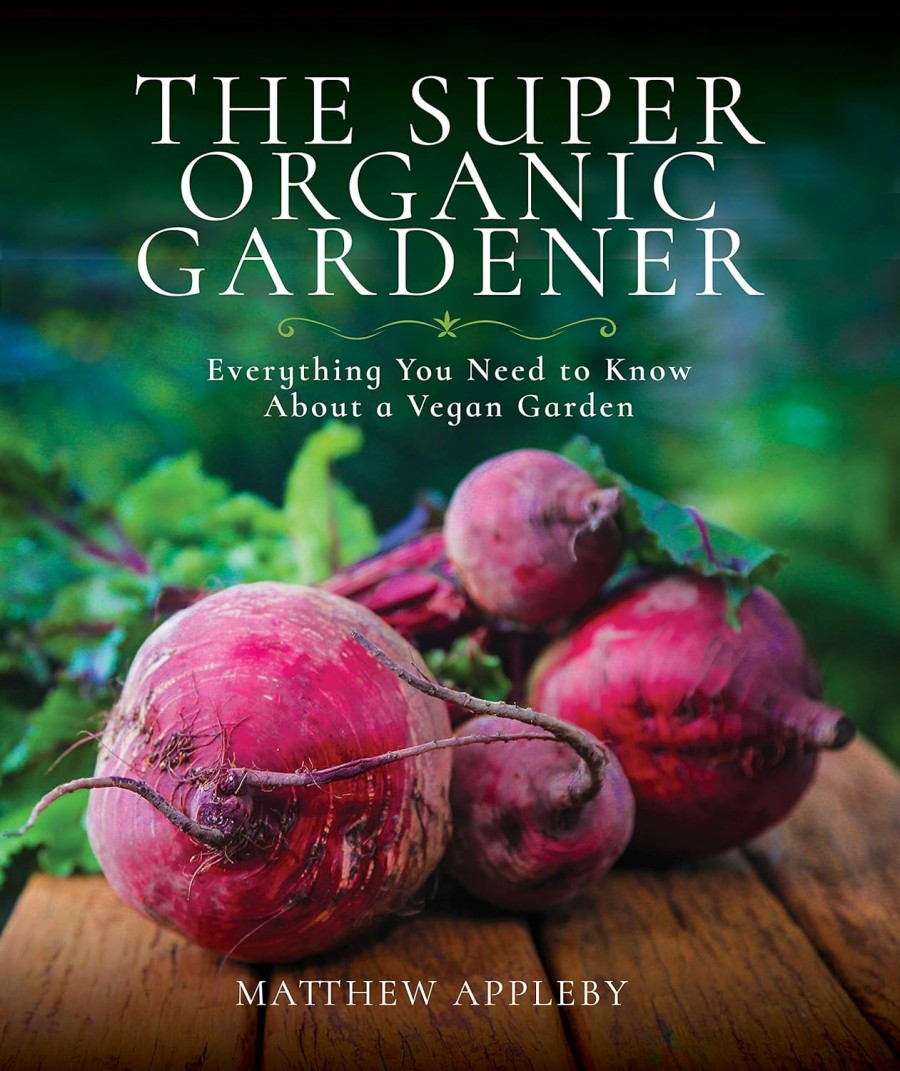
The Super Organic Gardener is the book to show you how to do it!
Often called ‘veganic gardening’, today it’s more fashionable to simply say plant-based fertilisers, as you don’t have to be vegan, to appreciate the wisdom of not using blood, bone or fishmeal to grow food. A bonus is that avoiding these products not only stops support of factory farms, but you are less likely to attract unwelcome visitors (say foxes on the hunt for garden hens).
Veganic (a merging of the words vegan and organic) replaces blood meal, fish emulsion and synthetic chemicals with a focus on good soil health through compost, green manures and companion planting, to let nature do most of the work for you, and protect local wildlife.
Read up on pet-friendly gardens (to avoid toxic plants and mulch) and use no-dig gardening and humane slug/snail deterrents. Avoid netting (use fruit/tree protector bags to avoid wildlife getting trapped). Avoid facing indoor plants to gardens, to stop birds flying into windows.
Keep fresh compost away from pets (contains mould). Learn more on how to grow your own compost (avoid buying peat compost, it’s home to endangered wildlife and prevents floods).
Fertility is built with green manures (cover crops like clover or alfalfa) and composted plant materials, wood ash and rock powders. This closed-loop system also means you’re not buying imported products in garden stores, which often have chemicals that disrupt local ecosystems.
By keeping nature in balance, this attracts natural predators (like ladybirds to aphids), avoiding the need for so-called ‘pest control’. And such gardens can also provide vital habitats for native species, which in turn allows plants to complete their lifecycles.
Although plant-based fertilisers are useful, they can cause bloat in livestock, especially if consumed in excess. So manage pasture intake for cattle and sheep in particular, and avoid high-legume or dew-covered pastures, and restrict grazing time and feed hay beforehand. Ask your vet for more details.
Clover Fertiliser
This is a natural and powerful nitrogen-fixer that converts from the air into a usable form to help plant roots. It also reduces costs for gardeners and farmers, and also reduces greenhouse gas emissions.
Clover also has deep roots for good soil structure that increases air pockets and boosts earthworm activity. While it fixes nitrogen, it often requires supplementation with phosphorus and potassium. It grows best in soils with a PH of 6 to 6.5. It’s slow to establish in cool conditions, and requires soil temperatures around 8 degrees C.
Alfalfa Meal
This is a nutrient rich soil amendment from ground dried plants, providing a slow-release low NPK fertiliser (3-1-2) along with natural growth stimulant. It’s rich in nitrogen, phosphorus and potassium and micronutrients (calcium, magnesium, sulphur, iron, zinc and manganese).
Again it also increases soil organic matter, improves aeration and boosts microbial activity, to help break up clay and sandy soils. Mix into the soil before planting, or top-dress around base of plants. It can also be made into a tea for liquid fertiliser, common for rose and vegetable gardens.
As it’s often powdered, wear a mask during application, to avoid inhaling dust. If applied too heavily before planting, it can temporarily reduce germination rates.
Seaweed Fertilisers
Seaweed is a nutrient-rich organic plant feed derived from marine algae, that also boosts plant growth and contains natural plant hormones and macro/micronutrients (potassium, zinc, iron). It is good to help plants during drought and frost, and again improves soil health.
Sold as liquid or powder or granules, it’s lower in NPK (nitrogen-phosphorus-potassium) but packed with over 60 trace elements, vitamins and minerals. It’s best applied early morning or late evening, to avoid leaf burn.
The Shropshire Seaweed Company makes a good organic seaweed fertiliser. Just fill the cap (10ml), then add to a full 5 litre (1 gallon) watering can.
Learn More on Veganic Gardening
Learn Veganic is an online course to show how to grow sustainable food, without animal by-products. Using permaculture principles, learn how to create good soil health, make your own compost and grow food in small pots to community gardens.
Natural Grower offers a good range of vegan-friendly fertilisers and composts. These are from a family farm of over 50 years, which found that a by-product from the anaerobic digestor (fed with non-gm maize) was a nutrient-rich organic fertiliser that was good for crops.
The PH-neutral compost is good for most crops, read their FAQ page for full details. The site has full instructions on how to use both the fertiliser and liquid fertiliser. They say if dogs are attracted to the smell, mix it into the top part of your compost, rather than using it as a mulch.
Ideas and Actions for Ethical Gardening
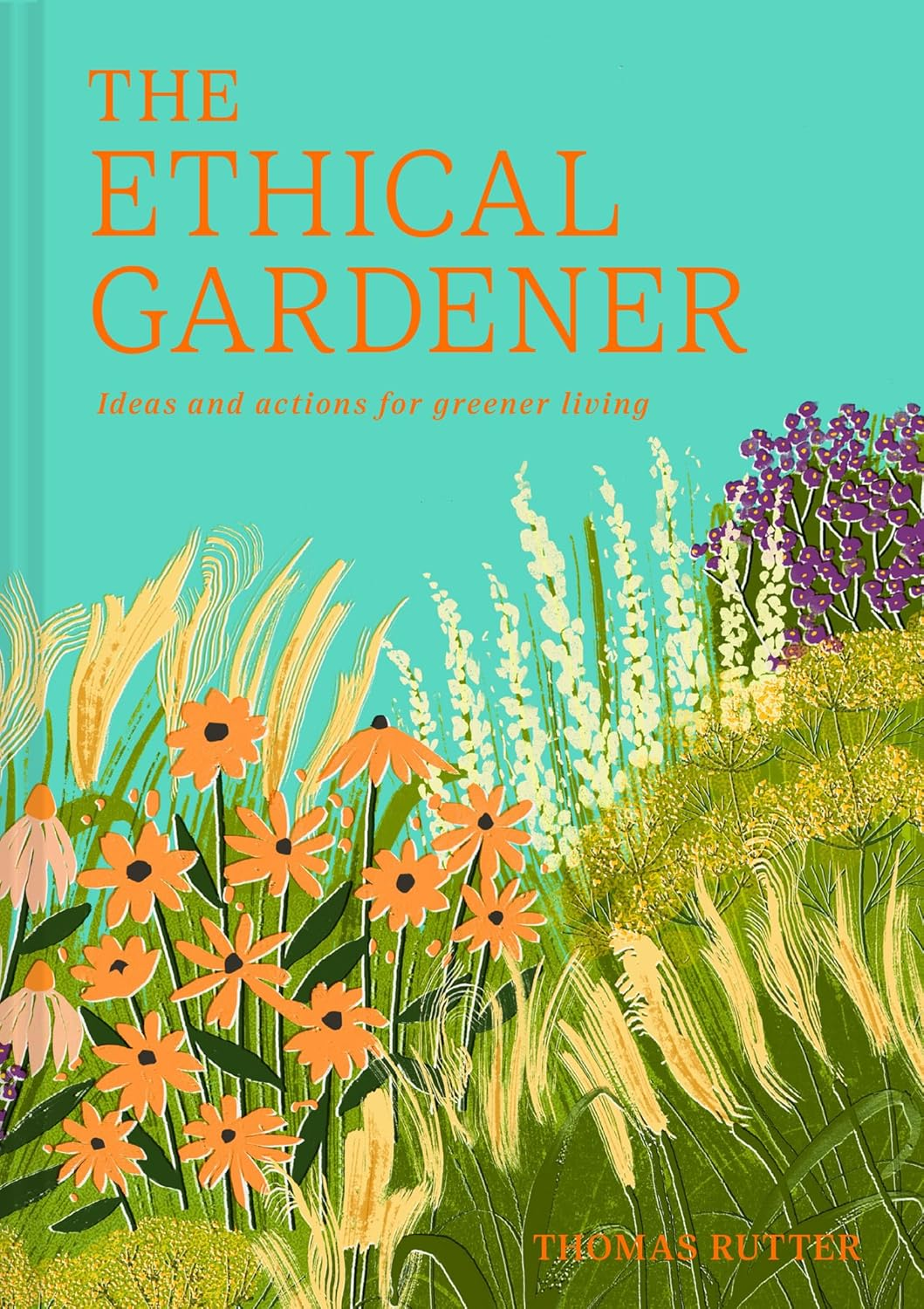
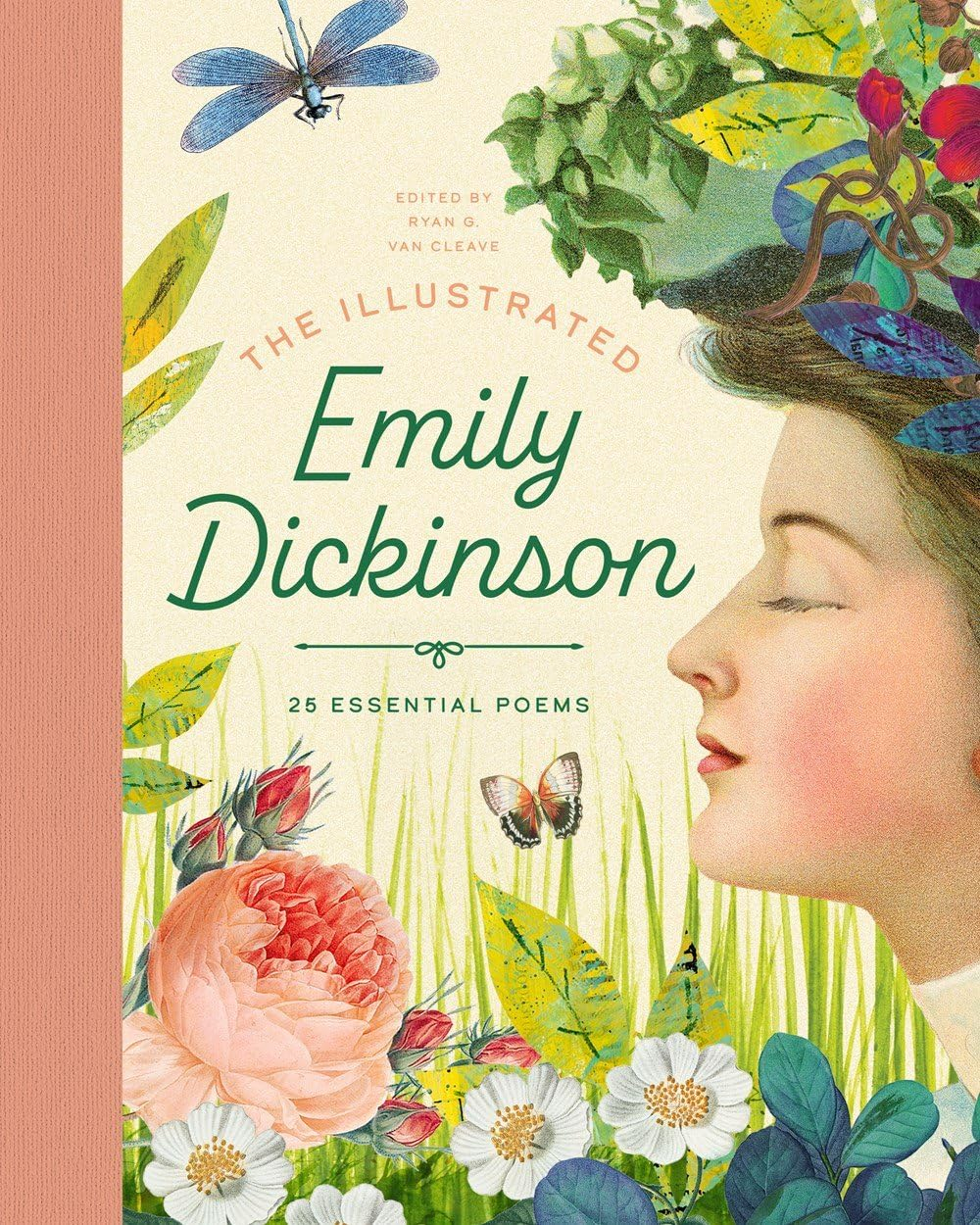
The Ethical Gardener is a nice little illustrated guide on gardening in harmony with nature, to protect local ecosystems, written by a man who trained at The Garden Museum in London. A single flower in your summer garden may be visited hundreds of times a day by a vast range of pollinators, drawn to nectar-rich blooms.
We can play a valuable role in making our planet and wildlife healthier and safe, by how we choose to grow plants. The book includes interesting stories like the High Line (a brownfield garden) in New York, and growing a food forest in Devon.