Cornwall’s Plastic-free Penzance (an inspiration!)

Cornwall is a fairly small county on the tip of southwest England, and surprisingly one of its less affluent as one of the only incomes these days is tourism. This has led to an influx of empty second-homes.
If out walking, always follow the Countryside Code to keep all creatures safe. If at the coast, read about how to keep dogs safe by the seaside.
Don’t walk on sand dunes (to protect endangered natterjack toads) and keep you and dogs away from coastal birds and flowers (some are toxic) and seals. Join the campaign to ban flying rings, to help local seals.
Penzance is one of England’s first plastic-free communities, involved in litter clean-ups and beach cleans and local shops that use reusable containers. Local greengrocers turn leftover veggies into soup, there are many zero waste shops, and restaurants are part of the nationwide tap refill water station network.
Even the local lido is powered partly by geothermal energy. And this is also where you take the 3-hour ferry ride to Isles of Scilly (it only operates part of the year).
Meaning ‘Holy Headland’ in Cornish, there is a very mild climate due to the Gulf Stream, so you can even find palm trees growing here. And Jubilee Lido is England’s largest sea water version, designed in an Art Deco style.
Penzance’s push for cleaner seas and streets
Cornwall has strong reasons to care. Wind and rain move fast here. A crisp packet dropped in town can travel, piece by piece, towards the shore. Tourism adds pressure too, with more takeaways, more day trips, and more bins that fill quickly in summer. Meanwhile, fishing and marine wildlife depend on clean water. Small choices on land don’t stay on land for long.
Single-use plastic is plastic made to be used once, then binned. Common examples include takeaway cups and lids, snack wrappers, sauce sachets, cling film, and wet wipes.
The local problems: takeaway waste to beach litter
Some items show up again and again in street clean-ups and beach cleans, because they’re light, easy to drop, and hard to recover once they scatter. You’ll recognise most of them:
- takeaway cups, lids, and straws
- sauce sachets and sugar packets
- wet wipes (and the plastic fibres in many of them)
- cigarette butts (many filters contain plastic)
- takeaway tubs, cutlery, and film lids
Rain does a lot of the work. Litter slips into gutters, then into drains, then out towards streams and the sea. Wind finishes the job, lifting light packaging from open bins or overfilled sacks. Over time, larger items break down into smaller pieces that are harder to spot and harder to remove.
How a community gets recognised as plastic-free
A town usually starts with a small local group, then builds from there. Businesses make visible changes, schools and community groups get involved, and clean-ups happen often enough to keep the message real.
Progress also needs to be public. That might mean a simple map of refill points, a noticeboard in a shop window, or a social post after a litter pick. These small signals build pride. They also make it easier for the next café or salon to join in, because the change already feels normal.
The change you can see in everyday habits

Walk around Penzance and the shift shows up in ordinary places. A café offers a sit-in mug without fuss. A shop has refill options for staples. Someone carries a water bottle because they know they can top it up. It’s not a perfect town, and it doesn’t pretend to be. Still, the baseline expectation changes.
One of the best parts is how unshowy it can be. Many swaps are quiet, even boring, and that’s the point. If a business can remove thousands of plastic items a year by changing one routine, it doesn’t need a drum roll.
You also see clearer sorting, better bin signs, and fewer “why is this wrapped?” moments. When packaging is needed, paper or compostable options sometimes step in. Those aren’t magic fixes, yet they can help when reusables aren’t realistic.
It helps to say this plainly: plastic-free doesn’t mean never using plastic. It means using less of it, more carefully. Medical needs, hygiene rules, and food safety all matter. Cost matters too. Some people can switch fast, others can’t. Good projects make space for that. They don’t trade progress for guilt.
Small business swaps that add up fast
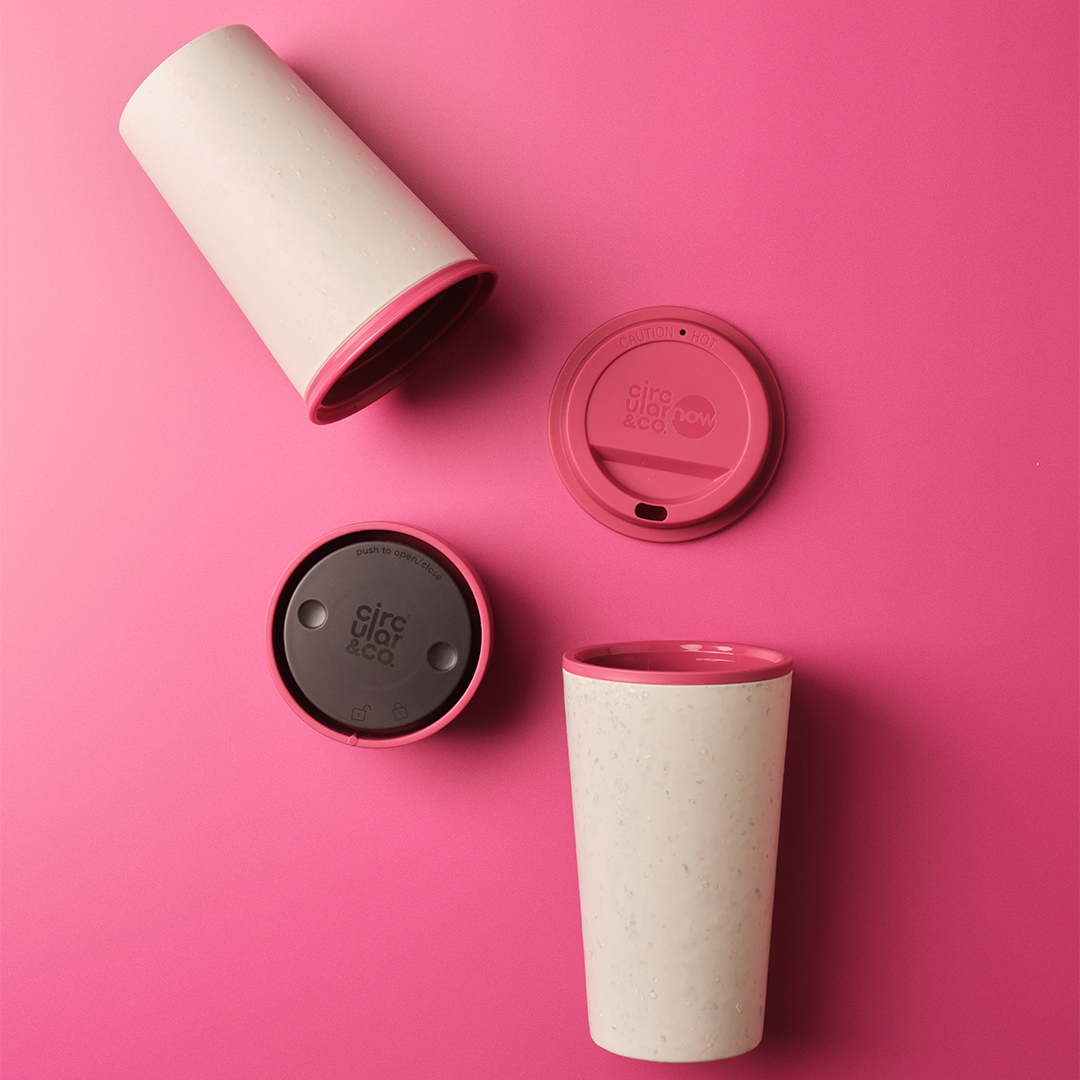
Common swaps include offering tap water refills, giving a small discount for bringing a reusable cup, and only handing out cutlery when someone asks. Some places move away from sachets by using pump bottles or shared condiments. Others switch to returnable containers for local regulars, or reduce mini toiletries in short-stay lets.
Refill stations and bulk buying can help too, because they cut packaging before it even reaches the shelf. Clear signs at the counter make the new system easy, and a quick staff briefing stops mixed messages on busy days.
Community actions that make it stick
The strongest results usually come from shared habits, not one-off campaigns. Schools can run small projects, like lunchbox audits or “bring your bottle” weeks. Youth groups and clubs can pair an outdoor session with a short litter pick. These actions teach attention, not perfection.
Regular clean-ups also keep the issue visible. People learn what turns up most, where it gathers, and when bins overflow. That evidence can feed into better conversations with suppliers and the council, because it’s grounded in local streets and local beaches.
How to borrow the Penzance mindset
The Penzance approach travels well because it’s built on ordinary decisions. Start with what you already do, then nudge it. If you’re visiting, the goal is simple: enjoy the town, leave less behind, and make waste easy to manage. If you’re taking ideas home, keep the first steps small enough to finish. Momentum beats intensity.
Travel light to Penzance, leave less behind
Pack like you’re heading out for the day, not moving house. A reusable bottle and a tote bag cover most needs. Add a cup if you buy hot drinks often. If you tend to grab takeaway food, a small container can help, although you might not always need it.
When ordering, say no to extras you won’t use. Choose eat-in when it fits your day, because it usually cuts packaging at the source. Then, when you do have rubbish, take ten seconds to use the right bin. If you spot a local clean-up, joining for even 15 minutes can feel grounding.
Beyond plastics, travel choices count too. Walking along the promenade, or using public transport when practical, keeps the whole trip lighter.
If you want a plastic-free push where you live
Keep the first month tight and friendly. Gather three to five people, then pick one hotspot you all understand, like takeaways near the station, a primary school, or a sports club kiosk. Next, do a simple litter count on one street or one patch of green. Take photos, note the top five items, and keep it calm.
Then talk to two or three businesses that already seem open to change. Ask what would make switching easier, and offer help with signs or customer messaging. Share progress in a local group online, or on a noticeboard, and thank people by name. Finally, measure one simple thing, such as bags collected, businesses trying a swap, or new refill points added. Small numbers still show movement.