What Wild Horses Can Teach Our Politicians!
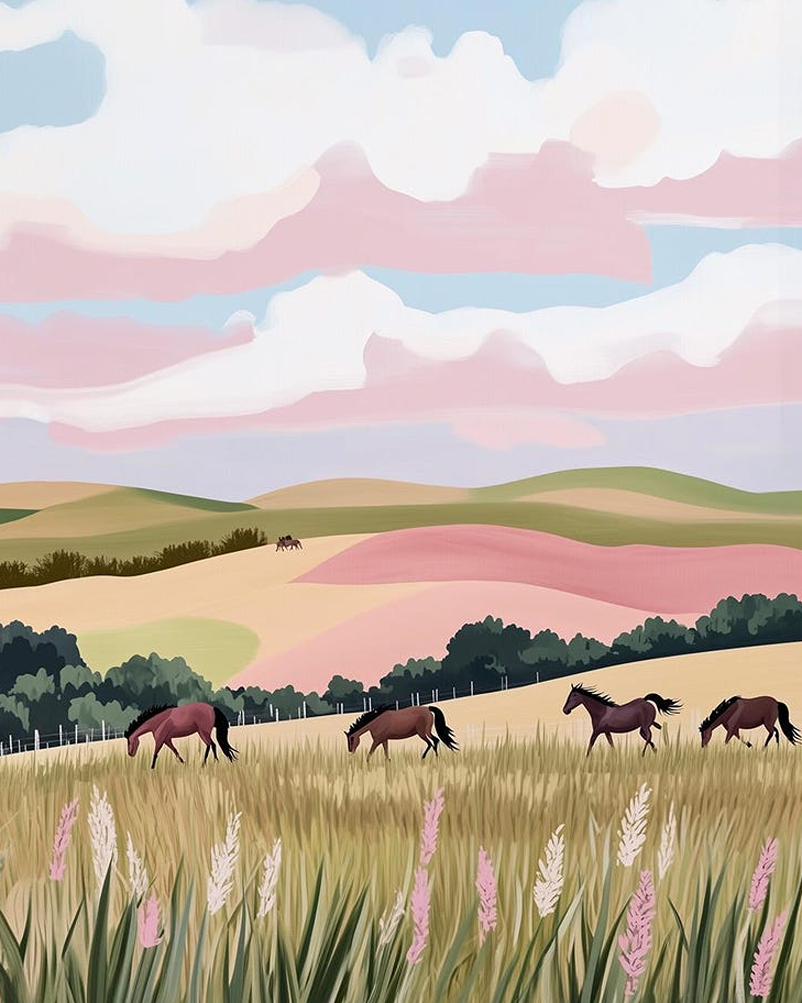
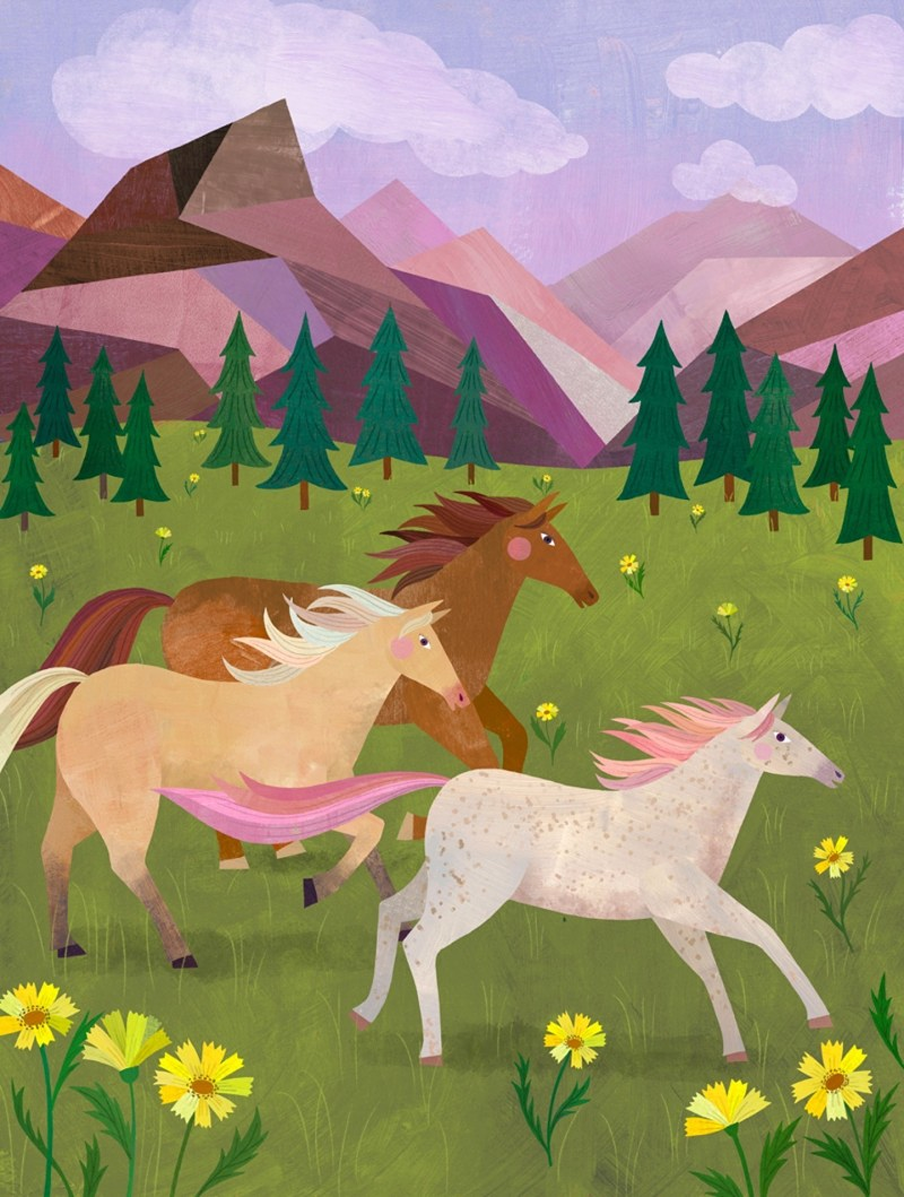
In her book The Power of the Herd, Linda Kohanov observes that horses have a huge amount to teach politicians (and business leaders) on how to ‘lead’. Although dogs and wolves work very well as pack animals, humans not so much!
This kind of ‘world domination’ mentality leads to tyrants, narcissists and a kind of ‘nasty man’ politics that ends up doing far more harm than good. Instead, politics could learn from horses, that live peacefully within herds, using social intelligence and quiet markers to look out for each other, without arguments or dominance.
This is what happens in Switzerland, where rather than ‘one top leader’, the country is mostly run by a panel of people, who hold regular referendums when any law is due to be changed. As a result, it’s a litter-free low-crime country, with good human rights, environmental and animal welfare laws. It’s not a member of the EU, and never goes to war.
In every age, it has been the tyrant, the oppressor and the exploiter, who has wrapped himself in the cloak of patriotism or religion (or both) to deceive and overawe the people. Eugene Victor Debs
Horses mutually groom each other to lower stress, and build bonds. Different horses scan for danger in turns. And while some check, others can relax. Horse herds ensure the most vulnerable are buffered, and roles shift with need. For instance, one horse may lead a move to water, while mothers watch over foals. And older geldings keep order ‘at the edges’.
Horses Build Trust (without dominance)
Horses use signals to say ‘I am aware and I am steady’. They never use signals to mean ‘Do what I say’. A small ear pin or a step aside, ends quarrels before they spark. Horses remember who restored calm, rather than who forced a win – or started or won a war?
Empathy is used in horse herds, but not for sentimental reasons. More practical ones. A confident horse can lead steadiness to a nervous one. A panicked horse could drain a group in seconds. Compare that to human politics, where leaders often panic or depress or bully others, which then makes things ten times worse.
How many times have you seen an MP interviewed about a problem that people are worried about. And the answer is always ‘our problem is that we have not been able to make the public understand…’
Herd Mentality in Politics
Herd mentality in humans can sometimes not be good. Look at how many intelligent people are now listen to climate science denying politicians, despite the end result of ignoring the Paris Climate Agreement being a possible end of the world?
MPs are not climate scientists (and are not getting their information from climate scientists), and have not been talking to rewilding experts son how to prevent floods. Yet people listen to them, because it’s easier to ‘follow the herd’.
How many times have you heard of someone always voting for political parties, due to their parents and grandparents voting the same way? Loyalty is based on emotions and campaigns, rather than true and trusted information.
It would be far better than party conferences, to create manifestos in plain English, and pop them through every household’s letterbox. Each voter could then learn of the policies of each party, and go to the ballot with facts. Not voting from fear or populism or media bias.
Fear-based leadership also leads to blame. Any criticism to a Labour MP is met with a response that ‘after 14 years in power with the Tories etc’. Horses don’t blame. They use social intelligence to get jobs done, for the benefit of the herd. This is leads to more accurate and better choices.
‘Horse wisdom’ means active listening. Repeat what you heard, then respond. Instead, we have MPs that shout insults at each other in the Houses of Parliament, or have warring MPs on TV. Often talking over each other, so nobody can hear what anyone is saying.
The media could help, by showing in-depth interviews with MPs, alongside experts in their field. A few examples:
Nigel Farage and a real expert on ‘the boats crisis’, with possible solutions. Let both speak, and tell the public why they agree or don’t with the other side.
Kemi Badenoch and a climate scientist. The scientist could explain why he or she is concerned at Kemi’s plans to tear up climate regulations, and she could respond. And vice versa.
Sir Keir Starmer could be interviewed alongside an aid worker in Gaza, who asks why he and his party is funding arms sales. Which result in aid workers being killed, or helping children and animals being bombed.
These would be intelligent interviews, where people could listen to both sides of the story. Then make up their own minds on how to vote. Based on truth, trust and information. Not just a few unanswered soundbites on ‘Question Time’. Which is usually just 45 minutes of hot air.

Most of us with a little vision and creativity, wonder why MPs don’t solve anything during time in power. No matter what the party, if you have billions of pounds and visionary people, we should be now have:
Zero climate change, walkable communities, excellent public transport, strict animal welfare and child protection laws, zero homelessness, fair benefits, good employment laws and no litter. So why have none of these happened?
It was only a campaign by the public at 38 Degrees that stopped David Cameron’s government selling off our remaining forests to private hands.
Fringe parties like Animal Welfare Party, the Peace Party and Greens all have great policies, but the mainstream parties never enact any of them to full effect.
The Alternative (Denmark) is more a ‘green movement’ than political party, a grownup consortium of people who know what they are talking about, care about the planet and inspire others to do the same.
It has almost 11,000 members, 10 MPs and 7 councillors. Present campaigns include pig welfare in the agricultural industry. Leader Franciska Rosenkilde is an expert on food systems and climate change.
Can Fringe Parties Make a Difference?

Fringe parties have a unique ability to mobilise disillusioned voters. Many people who feel neglected by mainstream politics are drawn to these parties, which can shift political discourse dramatically.
By addressing concerns overlooked by larger parties, fringe parties can alter the landscape, forcing mainstream parties to reconsider their platforms.
Mebyon Kernow is the official party for independence in Cornwall.
Yorkshire party wants more devolution, instead of ‘receiving the scraps from London’s table’, and help for their repeated financial cuts, decaying rails and roads, struggling schools and stuttering economy.
It would introduce tougher penalties on pollution, ban fracking, support ambitious rewilding projects, have all new buildings with first-class insulation and solar panels and make waves to stop water pollution and farming run-off.
Lincolnshire Independents is a coalition of local independent MPs. But unlike main political parties, local people who are elected are free to vote on or say what they want, as there is no ‘party whip’ to toe them into line, if they have a difference of opinion.
Church of the Militant Elvis Party shows just how bad politics has become, in that its policies appear to be some of the best.
It is against rainforest destruction and the power of the big supermarkets dominating the high street, along with climate change and the power of large corporations. he always wanted to bring back dog licenses, fill in potholes and keep public loos open.
The Official Monster Raving Loony Party again had some good policies, though Screaming Lord Sutch for all his barmpot fun, committed suicide while suffering from severe depression. The current leader is Howling Laud Hope.
Policies include sending all MPs who misbehave to Rwanda, introduce a 3-year ‘cooling off period’ for voters in case they want to change their minds, and all social media sites will be taken down for a day each week to ‘remember when we used to talk’.
Books on Better Politics

- Free and Equal is a book on to create a fairer society, where progressive politics wins. Written by an economist with a heart, this is food for thought. You won’t find a bad review!
- Code of Conduct is by a former MP who looks at how to solve misconduct in parliament. Taking us from the Prime Minister’s office to Stranger’s Bar) this book looks at how parliament got into this mess, and how it might get its House in order.
- How Westminsters Works (and why it doesn’t) looks at why most MPs fail in their promises, once elected. Learn the role of ‘special advisors’ and what the House of Lords does all day. From Downing Street to Whitehall to the House of Commons.