Restore England’s Wetlands (home to wildlife, prevent floods)

The wetlands of England are made of up of various bogs, marshes, estuaries and Fens, all vital for various birds and native wildlife, along with being crucial to help prevent floods. Yet in the last 200 years, we have lost over 90% of them, mostly due to urban building and pollution from farm run-off.
The most well-known Wetlands include The Norfolk and Suffolk Broads, The Wash (also in East Anglia) and Wallasea Island (Essex).
From the windswept broads of Norfolk to the dragonfly-rich marshes in Somerset, these watery places are packed with everything from endangered curlews and water voles, to rare butterflies and sea turtles.
The best way to help dragonflies and damselflies is to preserve remaining wetlands (their natural homes). In 1637, East Anglia had 3,380 square kilometres of wetland. In 1986 there was just 10 square kilometres left.
The main types of wetlands in England are:
- Wet grasslands (home to endangered curlews and wildflowers)
- Seagrass beds (vital as food for endangered sea turtles)
- Rivers and streams (vital to keep free of oil, litter and sewage)
- Reedbeds (home to bitterns, eels and harvest mice)
- Ponds (vital homes for amphibians: frogs, toads & newts)
- Peat bogs (home to dragonflies, damselflies & butterflies)
- Lakes (these are home to over 140,000 species)
- Estuaries (where freshwater and seawater meets)
- Ditches & scrapes (these small areas also support wildlife)
- Fens (fertile wetlands, mostly found in Eastern England)
Wetlands worldwide include coral reefs, lagoons and mangroves.
WWT is helping to restore 100,000 hectares of wetlands in the UK, and also buying up low-lying ground to create new ones. It’s also creating a saltmarsh nature reserve in the Forest of Dean, which will be a haven for wildlife, and also store carbon to help reduce floods and climate change.
Why Do England’s Wetlands Matter?

Wetlands are areas where water covers the soil, often supporting a patchwork of reeds, bogs, ponds, and marshes. They might look like just soggy corners of the countryside, but they pack huge ecological punch.
- Flood defence: Wetlands soak up and slow floodwater.
- Wildlife sanctuary: Wetlands support more species per square metre, than most habitats. That means birds, insects, amphibians, and plants.
- Natural filter: Wetlands clean water by trapping pollutants and sediments.
- Climate cooling: They lock up carbon, helping to slow climate change.
Somerset Levels: Wetlands Rich with Wildlife

One of England’s most important wetland habitats is the Somerset Levels, shaped by rivers and peat to provide lowlands that are haven for local wildlife, thanks to reed beds and shallow lakes.
Bitterns, marsh harriers and thousands of winter starlings call this place home. Along with cranes (England’s tallest birds) who have returned after 400 years. And it’s one of the few places in England where raft spiders live (they sit near bogs and ‘float’ while catching prey.
Learn more on how to restore England’s Wetlands.
If out walking, always follow the Countryside Code to keep all creatures safe. If at the coast, read about how to keep dogs safe by the seaside.
Somerset is a large county in southwest England, home to England’s smallest city, beautiful villages and a stunning sandy coastline.
The Strawberry Line Path is a converted 10-mile railway track near Wells. It stretches from Yatton to Cheddar, with shorter sections like the 2 miles from Wells to Dulcote through ancient woodland, with spectacular views of the cathedral. All routes are wheelchair-friendly (save a steep lane at Axbridge)
One of England’s most important wetland habitats is the Somerset Levels, shaped by rivers and peat to provide lowlands that are haven for local wildlife, thanks to reed beds and shallow lakes.
Bitterns, marsh harriers and thousands of winter starlings call this place home. Along with cranes (England’s tallest birds) who have returned after 400 years. And it’s one of the few places in England where raft spiders live (they sit near bogs and ‘float’ while catching prey.
Simple Ways to Help Restore Wetlands
There are few things we can collectively do to help restore our wetlands:
Avoid Buying Peat Compost
Peat bogs form over thousands of years and store massive amounts of carbon, and retain water (and are home to many endangered species. So choose peat-free compost for gardening (also buy peat-free whisky).
If you garden alongside animals, read our post on pet-friendly gardens. Keep fresh compost away from pets (contains mould – and some mulches contain cocoa, pine and rubber – all unsafe).
Restore Reedbeds and Seagrass Beds
Reedbeds and seagrass beds work like giant sponges, cleaning water and giving safe cover to fish, birds and insects. Many have been ruined through over-fishing and boat anchors.
Seagrass beds are also ‘watery meadow’ homes to endangered seahorses and sea turtles (who eat seagrass, known as ‘ocean lawnmowers’). Advanced mooring systems has developed an alternative to boat anchors, that is safer for seagrass beds and marine wildlife.
Ban Lead Ammunition
Many water birds and wetland creatures suffer from abandoned lead shot, which also poisons endangered water voles, ducks and predators higher up the food chain. At present, there is only a voluntary ban, which is not working. Join the campaign to ban lead ammunition.
Volunteer for Local Clean-Ups
Not dropping litter is of course vital. But to remove litter, plastic waste and dumped tyres that are already clogging up our streams and marshes, is vital to unblock water flow and avoid trapped wildlife.
Set up or join litter-picking groups (litter picking-tools included!)
Support Those Buying Wetland Sites
Not big business! But some rewilding charities are now buying precious wetland sites, simply so that once they own the land, nobody can come along and build on it.
This keeps water voles, dragonflies, lapwings and curlews on land that is safe from development. You can help by donating to Natural World Fund and Heal.
Books to Learn More on Wetlands
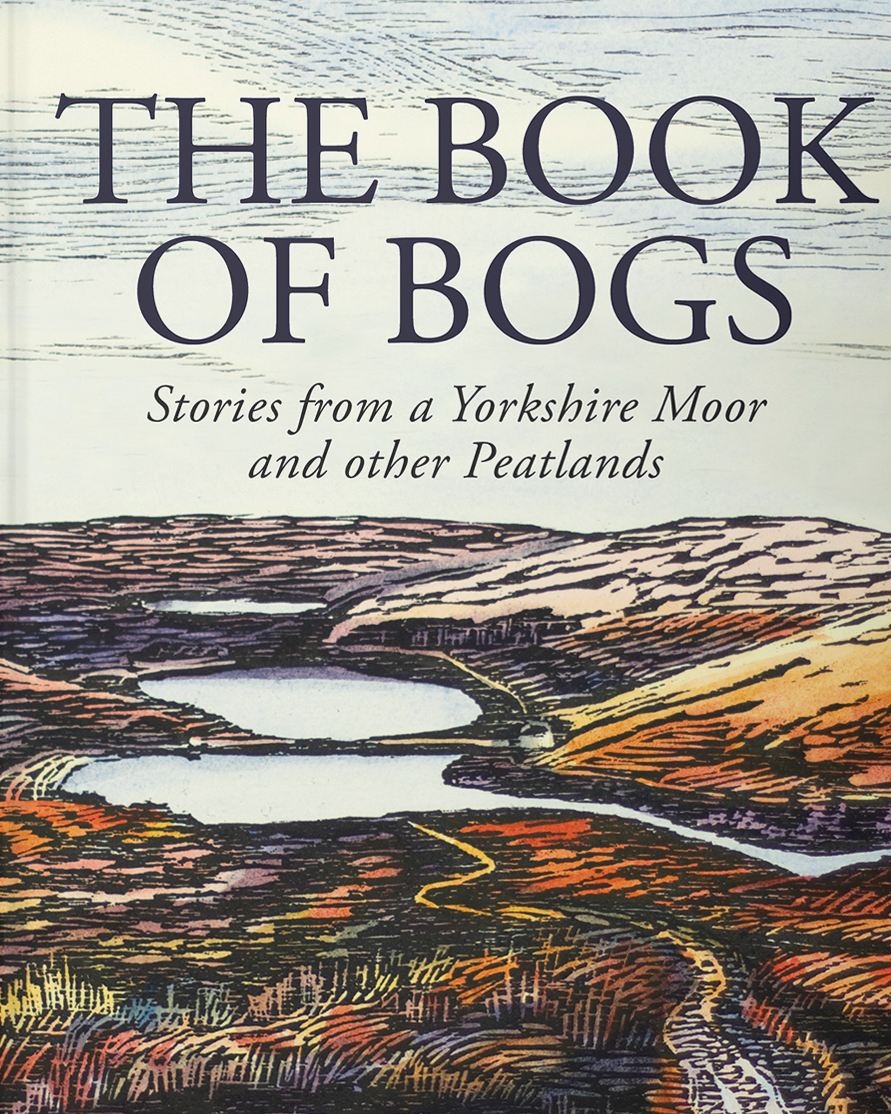
The Book of Bogs is an anthology from ‘the Boggarts’, a group of writers including Robert Macfarlane, Amy Liptrot, Alys Fowler and Guy Shrobsole) built from a shared passion for helping restore our bogs and wetlands.
From personal stories to fiction and poetry, you’ll read about Walshaw Moor in West Yorkshire, alongside stories of the peatlands of Papua New Guinea, the Flow Country and Cors Caron.
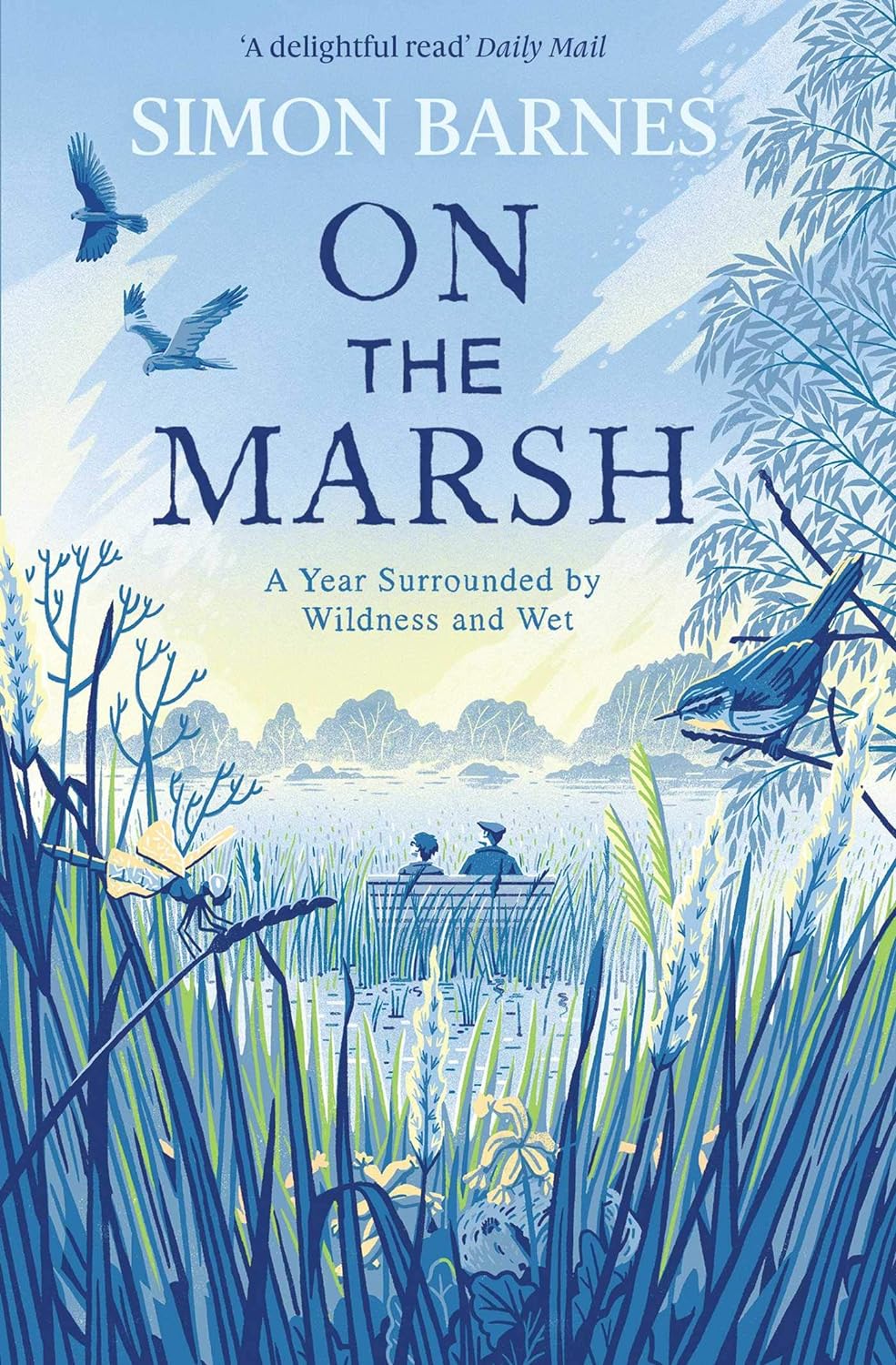
On the Marsh is a lovely book by Simon Barnes (a former journalist who moved with his wife to a Norfolk house, after realising if he didn’t buy it, the nearest marshy land would likely be lost to developer or intensive farming).
Together they rewilded the area, which also provided a calming respite for their son, who has Down Syndrome. The book follows their triumphs (two hen harrier families arrive to use the marsh as hunting ground) and disappointments (chemical run-off from neighbouring farmland creates a nettle monoculture).
How Florida Looks After Its Wetlands
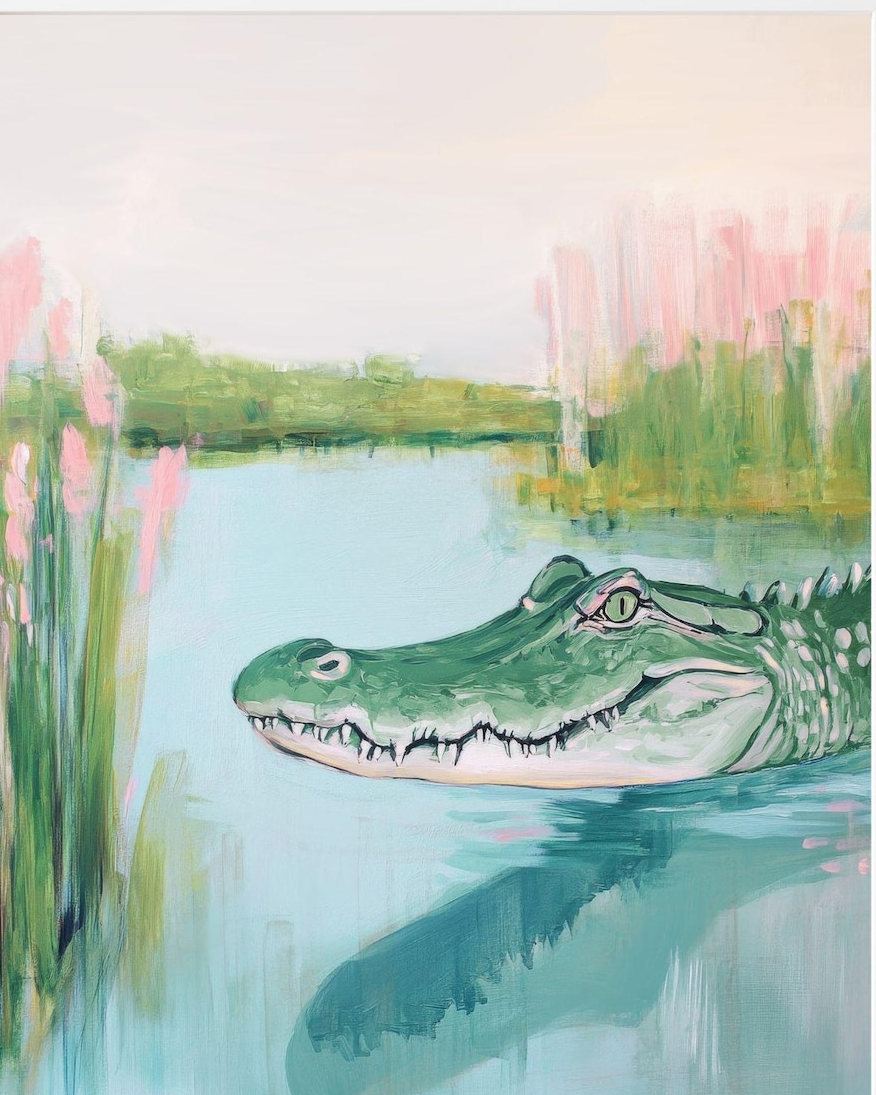
Floridians preserve their wetlands a lot better than English authorities, in the USA’s most southerly state. These wetlands (the top area flowing into Alabama’s Deep South) are known for pretty flamingos and scary-looking alligators!)
The Everglades has 1.5 million acres of wetlands, mangrove forests and marshes, home to sea turtles, wild dolphins, manatees and over 500 species of birds.
One reason why things get done in ‘the sunshine state’ is often because the people have a pretty sunny positive attitude about nearly everything, something possibly we could learn from in England!
Fight for the things that you care about. But do it in a way that will lead others to join you. Ruth Bader Ginsburg
Morecambe Bay (a northwest wetland bird paradise)
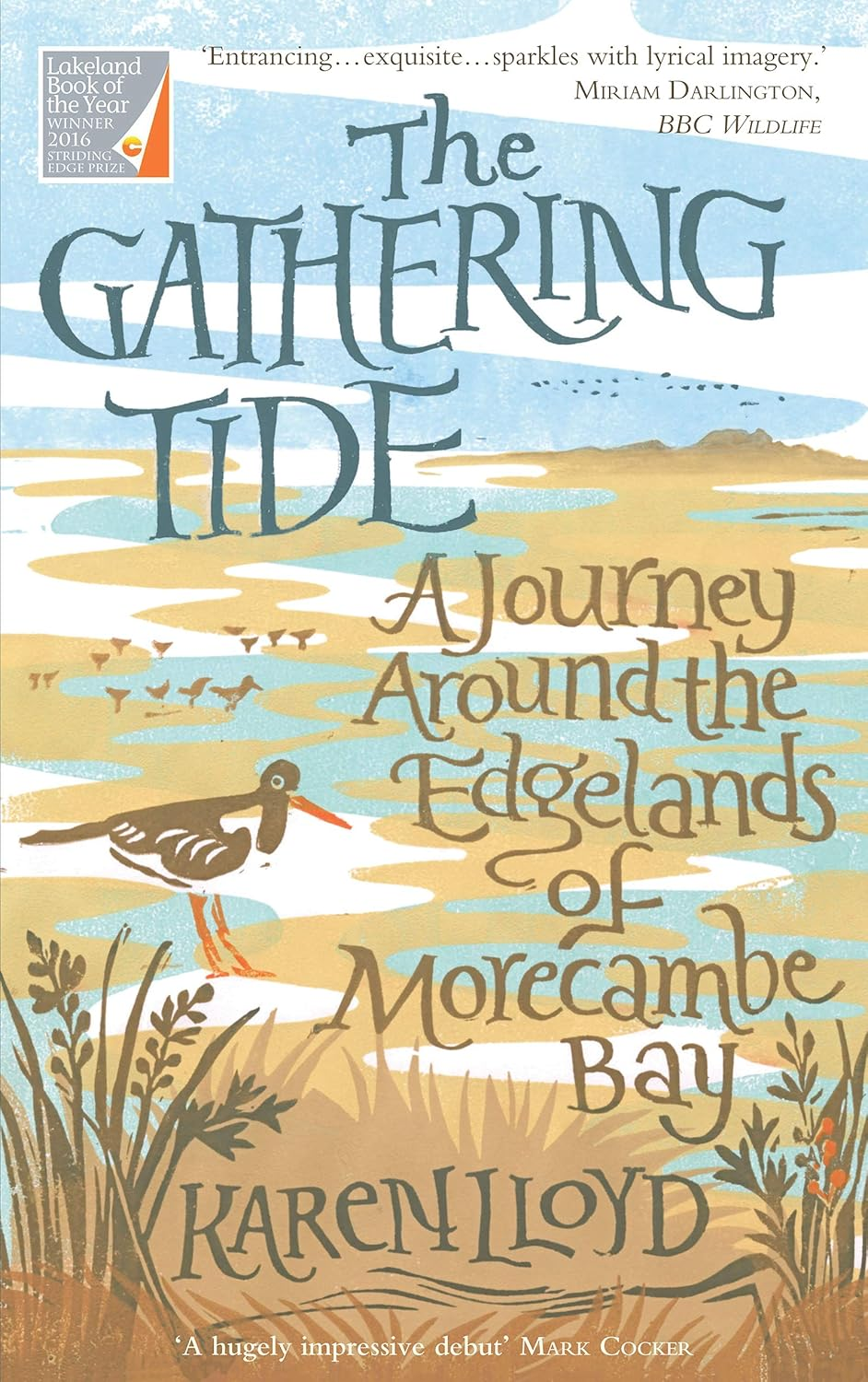
Lancashire is a fairly large county that is home to two popular cities (Blackpool and Manchester), surrounding countryside, and England’s second largest bay.
Morecambe Bay is a broad expanse of water in Lancashire (spilling into the Lake District), known for its shifting sands and wildlife. Flowing from the River Lune, it’s a wetland paradise for over 200,000 wading birds.
If out walking, always follow the Countryside Code to keep all creatures safe. If at the coast, read about how to keep dogs safe by the seaside.
Morecambe Bay has quicksand, so avoid walking on areas with warning signs. Keep yourself (and dogs) at least 50 metres away from birds, as disturbing nests could cause them to abandon chicks.
Morecambe covers around 300 square km (115 square miles in old money). It’s also the largest expanse of intertidal mudflats and sands in England, and an important estuary for waders, wildfowl and gulls (and home to rare brown fritillary butterflies).
Lancashire is a county mostly known for being home to the city of Manchester and the seaside resort of Blackpool. But outside these areas are numerous pretty countryside villages, and many seaside resorts.
Grange-Over-Sands (a pretty Morecambe Bay town)
One little gem (over the border in Cumbria) is Grange-Over-Sands. You can walk a promenade overlooking the lake, or enjoy quiet gardens and parks nearby.
The ‘over-sands’ part is not just for show. Back in the 1800s, the local vicar got fed up of his letters ending up in Grange (Borrowdale) near Keswick. So he changed the name, to receive his post!