Rivers, Streams, Lakes & Estuaries (the differences!)
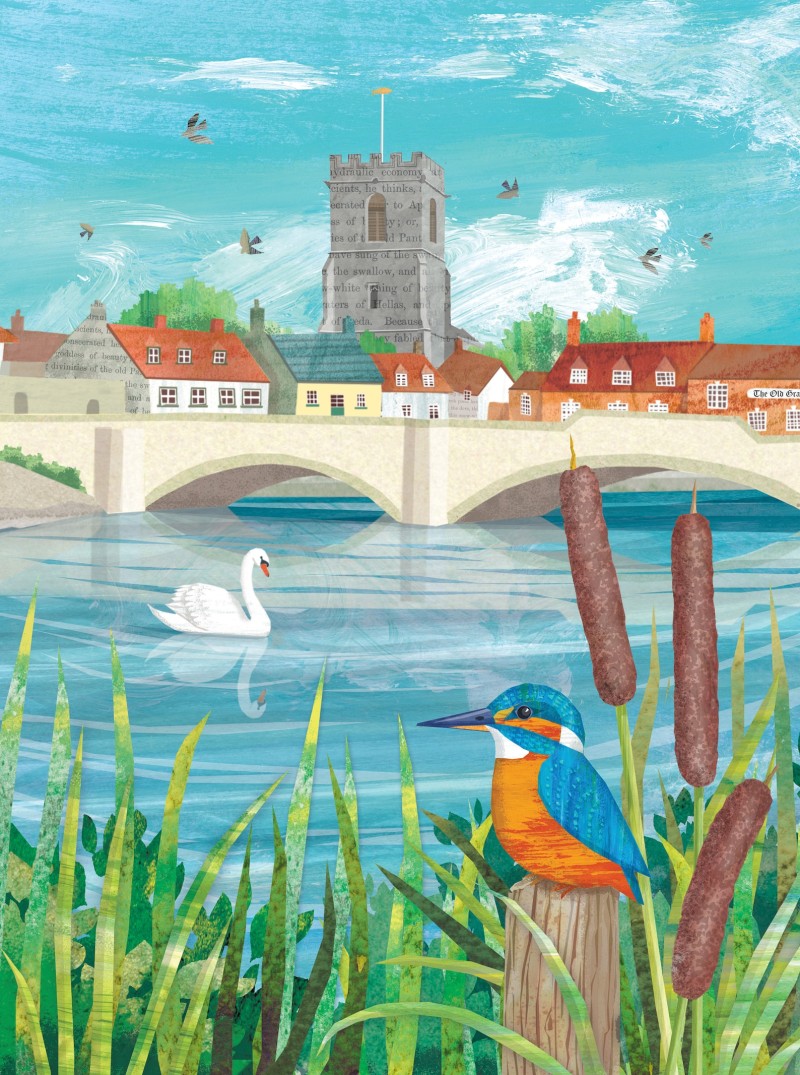
Wareham, Purbeck, Maria Burns
Why does a trickling stream feel so different from a wide river, even though both are “running water”? And why can an estuary smell salty one day, then almost fresh the next? These places can look similar at a glance, yet they behave in very different ways.
If you only remember one thing, remember this: rivers and streams are moving water in a channel, lakes are mostly still water in a basin, and estuaries are where river water meets the sea. Everything else follows from that.
Estuaries (where the river meets the sea)
Estuaries also teem with wildlife, these are similar to wetlands. Endangered curlews adore wetlands and surrounding mudflats, as do marsh harriers. England has many estuaries, including the Seven Estuary, which migrating birds adore.
Rivers (moving bodies of water)
Rivers are fresh water bodies that flow from high ground into the seas, lakes and other rivers. Streams are simply smaller rivers, which as they connect and grow larger, become rivers.
They are home to many creatures including salmon and trout, and loved by kingfishers, otters and many other native species.
Fens (manmade marshy bogs)
Fens are manmade water bodies located in the East of England, which contain natural peat bogs and reeds/grasses that provides land so fertile, it grows most of our organic food.
But we’ve lost 99% of our Fens, which also supports many species from dragonflies to endangered water voles to rare plants. The Fens are also home to many birds including migrating whooping swans, herons, cranes and barn owls.
Lakes (water enclosed by land)
Lakes are usually fed by rivers. England’s largest lakes are in Cumbria (the Lake District, which is our largest National Park). These are much deeper lakes than say in the Norfolk Broads.
The Lake District also has many tarns. From the old Norse word for ‘pool’, this is simply a mountain lake, formed in a hollow area by glaciers.
Home to lots of wildlife and birds (including fish-eating ospreys in Cumbria), the deepest lakes in the UK by far are in Scotland (all the lochs).
Reedbeds (adored by water voles)
Reedbeds are mostly found on East of England’s coast, when reeds grow alongside low-lying river banks or coastal estuaries.
They are loved by many creatures including otters, water shrews, harvest mice and many native birds, fish and insects. The River Tay reedbed was planted by monks, back in the 16th century.
Scrapes (shallow ponds)
These are very shallow ponds with sloping edges, usually found on agricultural land, alongside open channel ditches that run along field boundaries.
They are home to many insects including dragonflies and water beetles, and also loved by amphibians and again wading birds.
Rias (salty southwest water)
Rias are mostly found in Devon and have high salt levels, and little freshwater.
Freshwater, saltwater, or a mix
Freshwater contains very little dissolved salt. Rainfall, springs, streams, rivers, and many lakes fall into this group. Saltwater comes from the sea, and it holds much more salt (seawater is about 35 parts per thousand).
An estuary sits between the two, so the water becomes brackish, meaning partly fresh and partly salty. Brackish water isn’t a fixed recipe. It changes through the day and across the seasons.
Tides push seawater upstream, raising salinity near the mouth. After heavy rain, river flow increases and can force saltwater back towards the sea. During drought, the river weakens and salt can travel farther inland. Because of this, estuaries often have a salinity “fade”, fresher upstream, saltier closer to open water.
That mix shapes life. Some fish and plants can’t handle rapid changes, while others thrive on them. Estuaries often become busy feeding grounds because nutrients from land meet the rich waters of the coast.
Ponds (built by beavers or humans!)
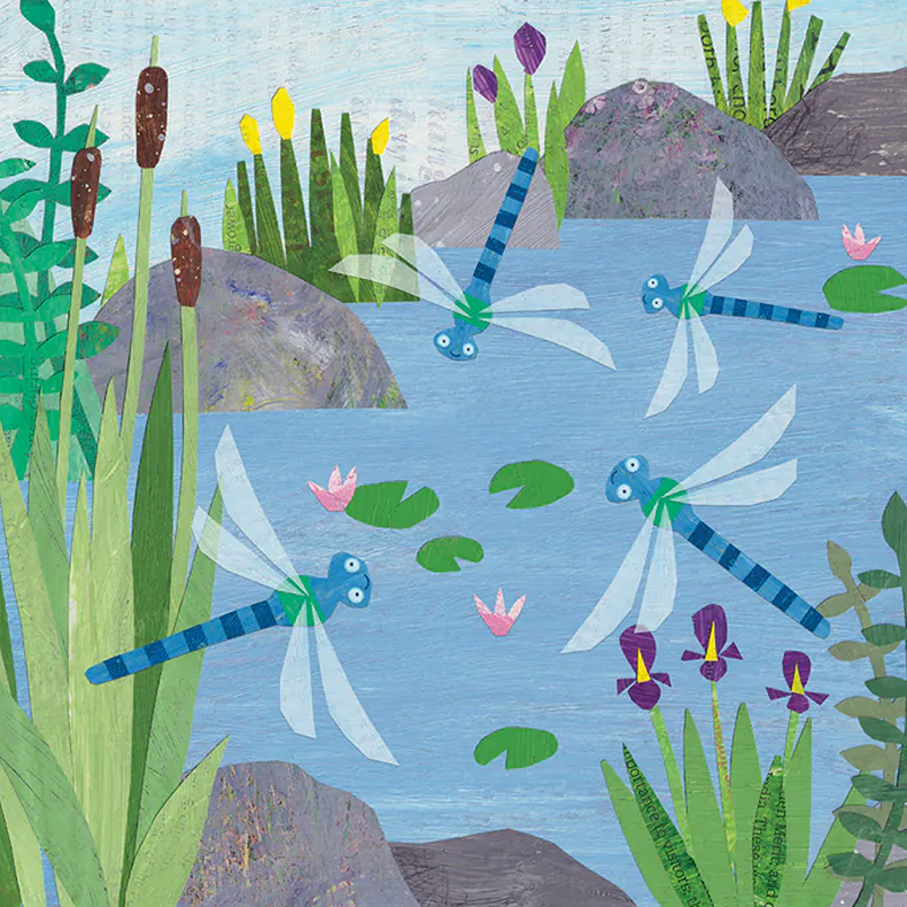
Ponds used to be mostly natural in England. But as we’ve lost most of them, this is why many people choose to build garden ponds for wildlife (with sloping sides, to ensure easy exit and entry).
Natural ponds include beaver ponds (formed by ‘nature’s architect’ to help prevent flooding.
Some lakes worldwide are very salty including the Dead Sea (this sea is literally dying, which is why people say not to use dead sea salts). In South America, beautiful flamingos live on salty lakes.