How to Build and Maintain a Wildlife-Friendly Pond
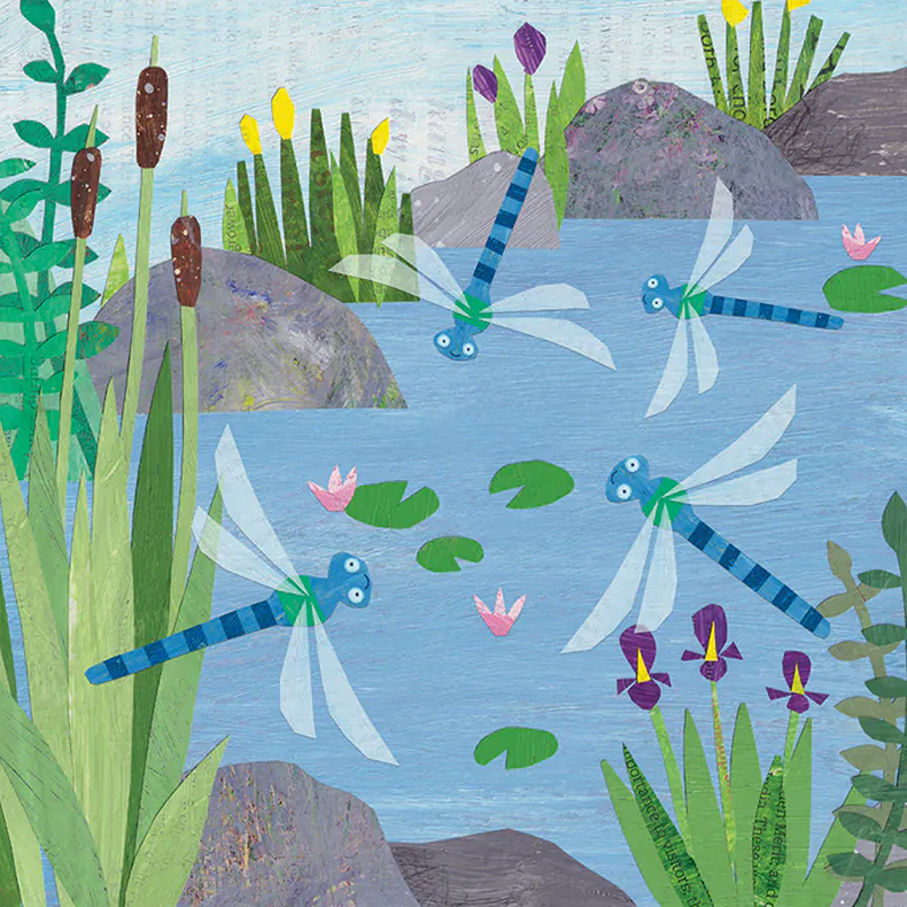
Wildlife ponds are places for amphibians to breed (if they can’t find ponds they may find puddles or buckets of water), birds can bathe, bees and butterflies can safely drink (with shallow stones to prevent drowning) and dragonflies and damselflies can patrol (like tiny helicopters!)
At a time when many gardens are paved over or sprayed/tidied into wildlife silence, a pond is a quiet act of repair for nature. Know that wildlife ponds can also attract surprising creatures like grass snakes.
Wildlife ponds (not the same as fish ponds)
Wildlife ponds and fish ponds are different (fish are carnivores that eat frogspawn, tadpoles and newt larvae), and also stir up sediment that raises nutrients and can lead to algae. Fish ponds also need special care to protect clean water.
For both types of ponds, if you move ask new occupants if they plan to upkeep them. If not, move fish or amphibians to a neighbour’s pond with permission (not far, as this could transmit disease and invasive plants).
Moving fish requires careful planning to prevent fatal shock from new water temperatures (look online for tips or ask local pond shops).
Pick the right location and shape
- Site wildlife ponds to get morning light and afternoon shade (full shade will slow plant growth and leave water too cold for wildlife). But full sun could create more algae, which needs to be removed.
- Don’t build ponds near trees (to avoid forming leaves, which again causes algae when they rot). Take into account water run-off from lawns and patios (and garden organically, to avoid chemical run-off into ponds).
- Recycle empty chemical container liquids at kerbside. For half-empty ones, don’t pour down drains, take them your council’s hazardous waste department (most will collect, if you don’t drive).
Keeping children, pets and wildlife safe near ponds
- Ensure ponds have sloping sides for easy entrance and exit, and place large flat stones nearby, so bees and butterflies have somewhere safe to land=.
- Always supervise children and pets near ponds, and use low fences or gates to prevent access (keep them in good maintenance to avoid snagging hazards).
- Keep fresh water in pet bowls nearby, so they don’t drink pond water.
- Avoid steep edging stones, as they can cause falls). Leave one side of the pond clear (thick plants could hide the water’s edge).
- Know toxic plants to avoid near pets (including foxgloves, yew and lilies).
- Read more on garden water safety (for people, pets and wildlife).
For fish ponds (without wildlife that need to climb out), polymer grid fish pond covers clip onto removable aluminium beams without having to remove the grid for maintenance. Triangular holes lets plants thrive, and the guard supports the impact falling weight of an average small child. This meets guidelines set by Royal Society for the Prevention of Accidents.
Creative Pond covers can stop predators from attacking wildlife (or fish in other ponds). The company also makes well covers, if you need one.
How to fill and clean wildlife ponds
- Rainwater (including from water butts) is best to fill wildlife ponds. Ensure tap water is filtered, to remove chemicals.
- Most issues with algae are due to too many nutrients, too much sun, too few native plants and not raking off algae at the first opportunity.
- If you see blue-green algae (a paint-like green or turquoise scum with a strong smell), keeps pets and children away and skim it off. Bag and bin (don’t compost it), drain 10 to 20% of the water, add more plants for shade.
- Leave plants and algae at the sides of ponds for 24 hours, to let insects and amphibians crawl back into ponds, if accidentally moved.
Seasonal wildlife pond care
- In autumn, skim leaves off weekly. In spring, thin out plants so they don’t choke the surface and turn into sludge.
- Delay pond maintenance until September/October (when froglets have left, before frogs arrive to hibernate). For urgent work, place in a suitable container with pond water, then return (tadpoles remain in ponds over winter).
- If your pond freezes in cold weather, never pour boiling water on it nor smash the ice, this could shock creatures to death underneath. Instead, place a hot pan over one corner until it has melted a hole, to provide oxygen until the weather warms.
- Solar pumps help prevent ponds freezing over, by circulating the water and creating an opening for gas exchange.
Can you deter herons from ponds?
Whichever type of pond you have, know that it will attract herons that eat fish and ducklings. There’s not much you can do, as dummy herons rarely work (herons hunt together). And heron deterrent discs have holes, so hedgehog spikes could get caught. Netting should be avoided, as it traps birds and wildlife.
Solar fountains can agitate the water (making it harder for herons to see creatures).
A book to build a wildlife pond
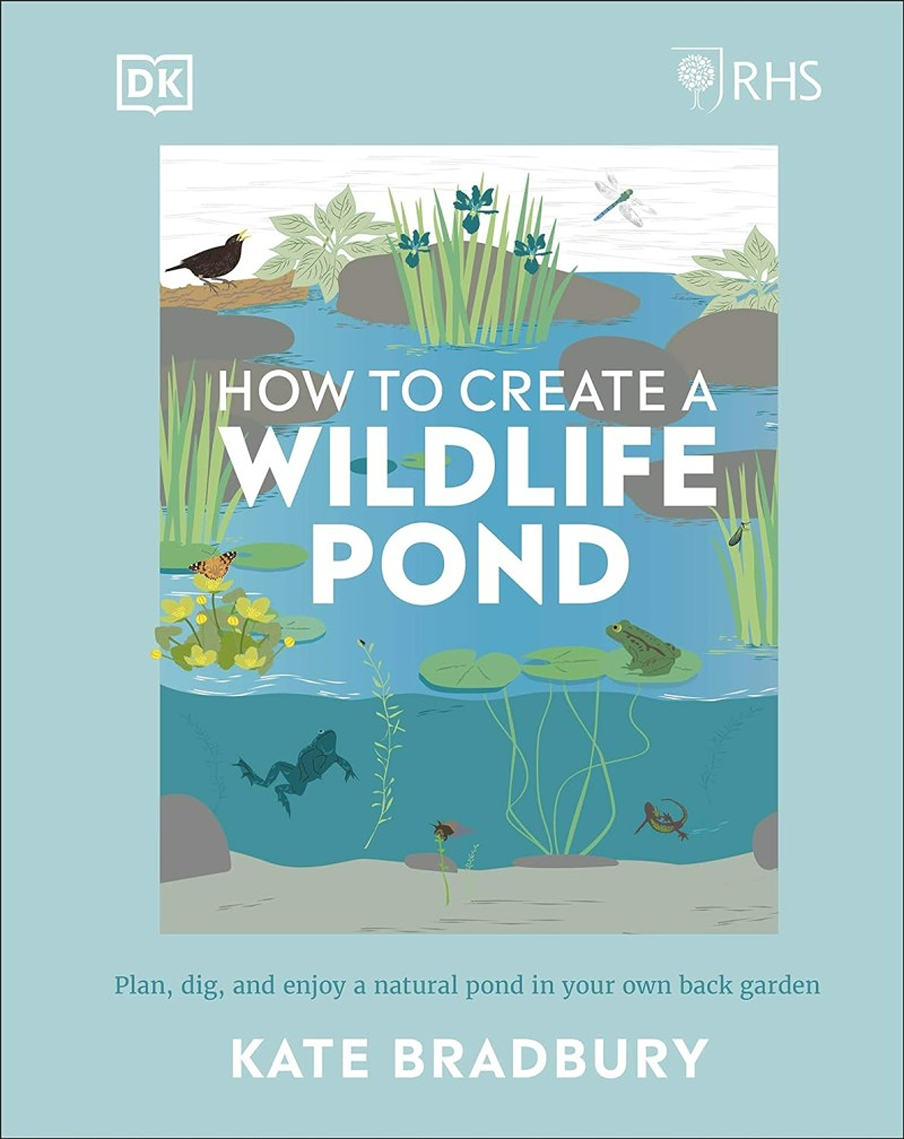
How to Create a Wildlife Pond is a beautifully illustrated guide to plan, create and maintain your pond (natural, container or formal). Learn which creatures will visit (and when) and plants that help ponds thrive.
If you have little space, RHS teaches how to create a mini bog garden. This is a case of filling an old sink or barrel (with a drainage hole) with soil, adding native plants, soaking with rainwater, and ensuring it has sloping sides and a few logs and rocks. Many creatures will make use of this, to stay cool in summer.