Saint Etheldreda of Ely (with a very long cathedral)

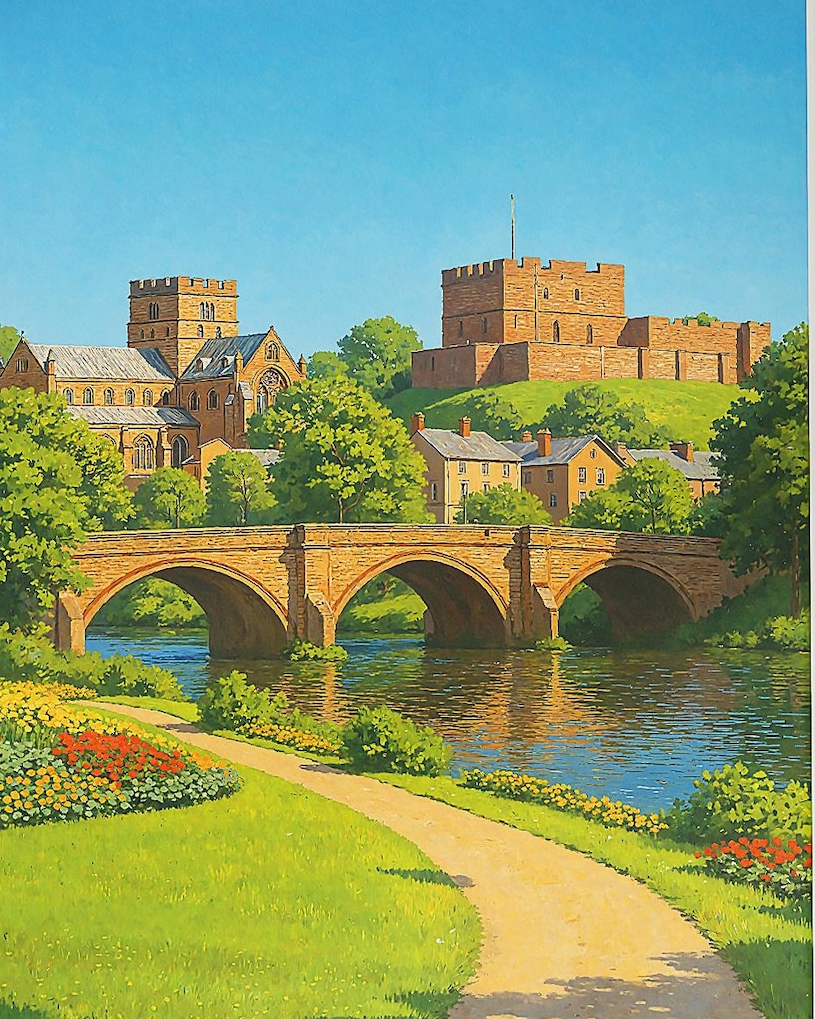
Cambridge may get all the headlines, but the city of Ely is equally as beautiful. And known for having one of the longest cathedrals in England (known as ‘the ship of the Fens’).
The cathedral stands on a site that used to house a monastery, founded by Saint Etheldreda (called ‘Audrey for short!), a 7th century princess who gave up royal comfort, a life of faith.
King Edgar the Peaceful (!) also played an important role in the city’s history, ruling in the 10th century. After many years of turmoil, he gave land and money to Audrey to help rebuild her abbey.
This turned the area into a place of power and wealth, which brought new money to build more majestic buildings. Thank you Audrey and Edgar!
Working-Class Roots: Ely and Littleport Riots
Not all of Ely’s history comes from royalty and saints. In 1816, local riots (due to unemployment, falling wages and high food prices) led to many people living on little more than gruel and water. While the Prince Regent (George V) was spending lavishly on multi-course banquets and spending hundreds of thousands of pounds, on redecorating Brighton Pavilion.
Things turned ugly with rioters even ransacking homes of innocent farmers, and magistrates promised a cap on the price of wheat, if things turned down. However, some riots continued, and some were publicly hanged (and buried in unmarked graves).
The King was known for his selfish lavish lifestyle, named by English Heritage as ‘Britain’s most useless monarch’. He amassed massive debts at the public’s expense, including remodelling Buckingham Palace and rebuilding Windsor Castle.
He also had many mistresses, and fathered several children outside his marriage. Nevertheless, despite always preferring ‘a girl and a bottle to politics and a sermon’, he repented his ways when dying. And actually became very devout, asking his subjects for forgiveness, for wasting his good fortune.