Seasonal Foods (what to eat each season)
Here are a few ideas to know what to buy in season. The food will be more local, it will taste nicer and be more affordable.
Before cooking, read up on food safety for people and pets (many foods are unsafe near animal friends). Bin allium scraps (onion, leeks, garlic, shallots, chives) and citrus/tomato/rhubarb scraps, as acids could harm compost creatures. It’s okay to put them in food waste bins (made into biogas).
For tinned foods, fully remove lids (put inside) or pop ring-pulls back over holes (and pinch tops closed) before recycling, to avoid wildlife getting trapped.
Spring (greens, peas and fresh herbs)
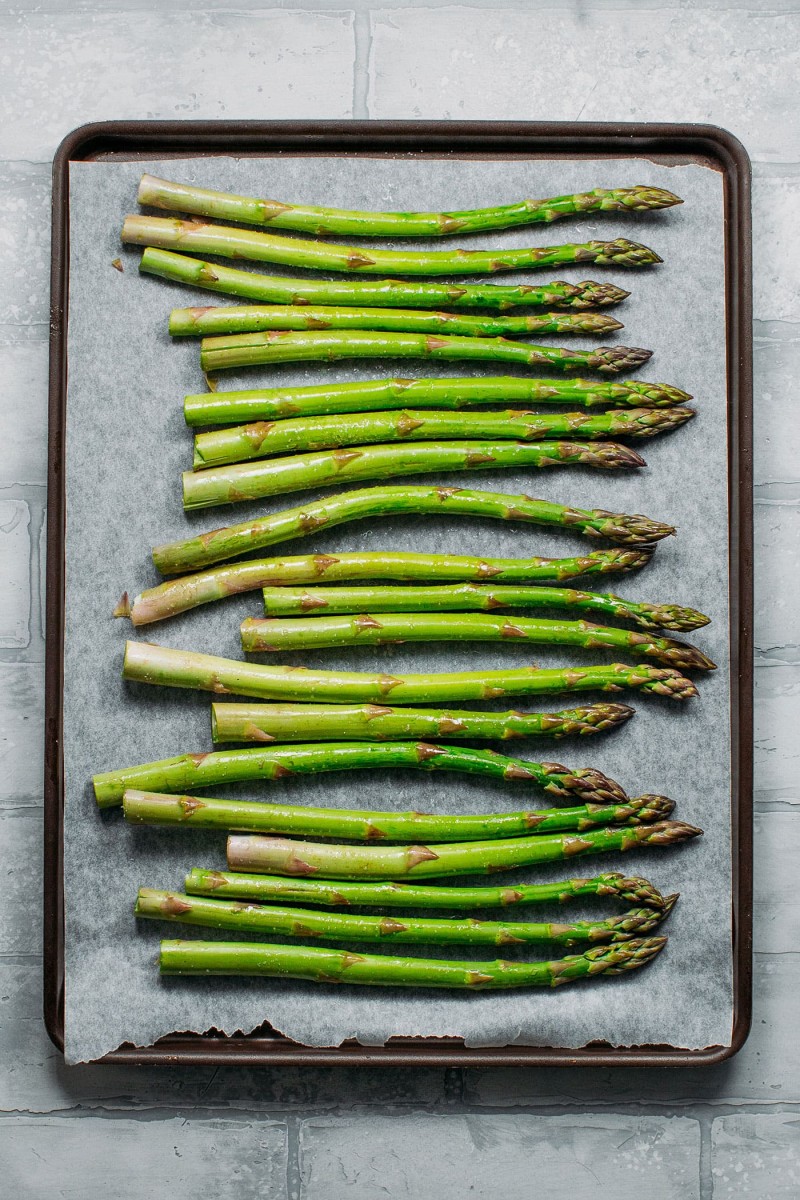
- Asparagus (it’s only in season for around 8 weeks, so be quick!) It also can make your pee smell, but don’t worry, just enjoy it while it’s here in salads and soups.
- Spinach, peas, radishes and new potatoes are all spring vegetables.
- Rhubarb (when available) is good with vegan custard and in crumbles. Or stew with a little sugar and orange zest, or use it in overnight oats.
Summer (tomatoes, courgettes, berries, salads)
- Organic tomatoes taste way nicer, so give them a go.
- Only buy organic courgettes (some ‘bad batches of seeds’ can be dangerous to health – one cookery writer almost died from eating them)
- Berry fruits are nice stewed or in crumbles.
Autumn and winter (squash, roots, brassicas)
- Pumpkin and squash soup are delicious in winter.
- Carrots and parsnips are nice stewed and mashed.
- Beetroot is an earthy veg, also good in desserts and baking
- Kale is one of the few veg that grows during our ‘hungry gap’ and is rich in calcium. Pair with less bitter greens in recipes.
- Apples and pears are are good stewed and in crumbles, to support your local farmers