South Devon (sailing) and North Devon (for hermits!)

Devon is one of England’s largest counties, and also has one of its longest coastlines. Situated in southwest England, it’s far bigger than neighbouring Cornwall, East Devon stretching to Dorset’s Jurassic Coast.
One of the sunniest counties in England, the many sandy beaches give rise to lots of visitors in summer (perhaps too many, as often wealthy resorts mean locals are priced out of the market, due to mostly empty second homes).
If out walking, always follow the Countryside Code to keep all creatures safe. If at the coast, read about how to keep dogs safe by the seaside.
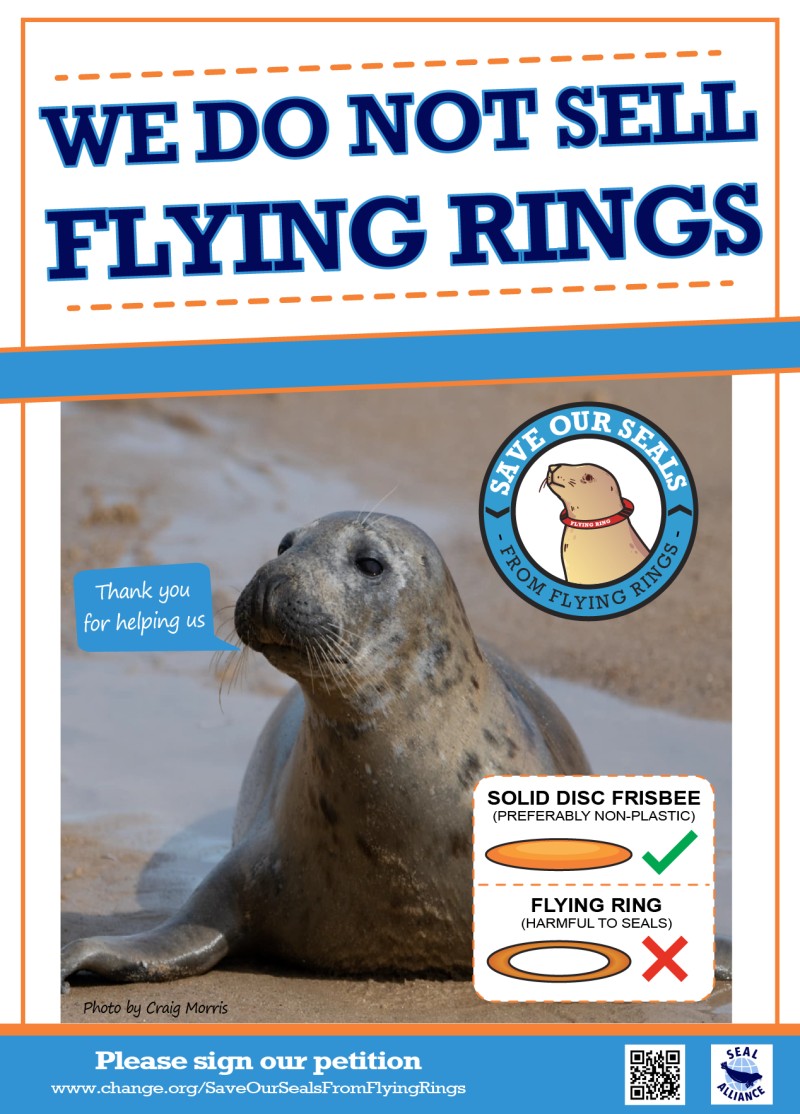
Never walk on sand dunes, to protect nesting birds, seal pups and other wildlife. Also keep dogs away, especially in breeding season.
The county is so large that it’s divided into three areas:
South Devon
This is home to the swanky sailing resorts of Salcombe and Dartmouth, plus smaller villages like Hope Cove, home to sustainable sailors and surfers. This is also the home of Torquay (nearby Cockington is thought to have inspired St Mary Mead, home to Agatha Christie’s Miss Marple).
North Devon
This is a lot quieter, but still home to some nice holiday towns like Ilfracombe, and the twin towns of Lynton and Lynmouth (known for being home to one of England’s few remaining funicular railways). It also is home to Clovelly, one of England’s privately-owned villages.
East Devon is also much quieter, home to Exmouth (the county’s oldest seaside resort).