England’s speed limits explained: what is safest?
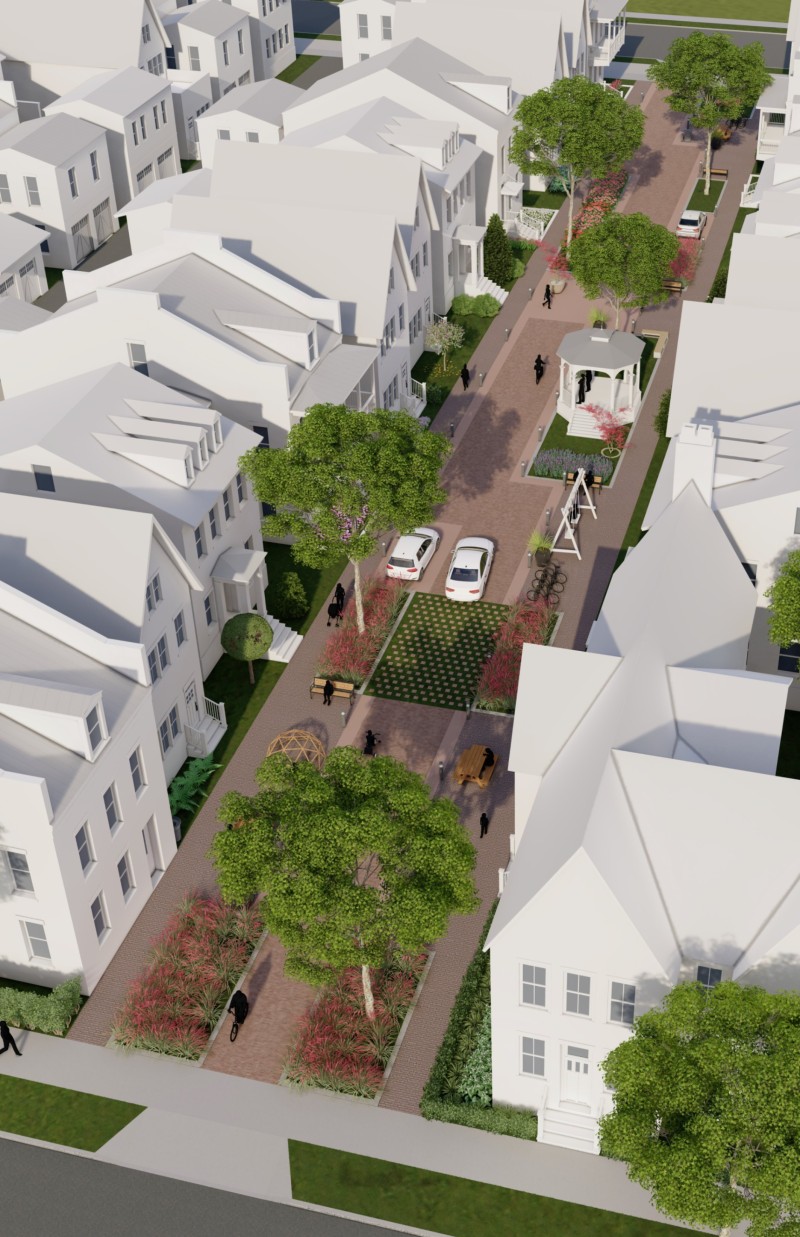
You won’t get the facts on the safest speed limits by chatting to boy racers or those who sell (or drive) fast cars. So what is the safest speed limit? We’ve all heard of 20s Plenty. But some people say this is not something that could be realistic. What’s the truth and facts?
AT present, the speed limit is usually 20mph anyway on built-up areas (including residential streets and areas around schools). Then the limit goes up to 30mph on roads with street lights. Then 40mph on other roads and 60mph for single-carriageways. Then 70mph for dual carriageways and motorways.
Did you know that in Finland (unlike our fixed penalty fines), drivers are fined for speeding, according to their income? One millionaire recently got fined the equivalent of around £100,000 for speeding. That would stop some footballers in their ferraris.
The simple truth is that if you have an accident, a person (child) or animal (pets or wildlife) are less likely to be injured or killed. There is a phrase (20mph injuries, 30mph kills).
School route audits can help your school find safer routes to school, without need for drop-offs for school runs.
Why BRAKE wants lower speed limits
The road safety charity BRAKE wants default 20ph speed limits in built-up areas. Here’s why:
Far more people are killed or injured, when speed limits are higher. So reducing to 20mph on built-up areas will undoubtedly save lives and prevent severe injury. Many people die from drivers breaking the speed limit.
The faster you drive, the longer your stopping distance.
A crash at 30mph is twice as likely to cause severe injury, than a crash at 20mph. Transport for London reported that collisions resulted in death or serious injury reduced by a quarter, when 30mph roads were changed to 20mph speed limits.
So what’s the safest speed? The Highway Code simply says that it’s the speed that lets you stop well within the distance you can see to be clear. So that basically depends on bends, poor road conditions (like ice and potholes), if other people or animals (usually wildlife) are around.
What are political policies on speed limits?
National speed limit laws can only be changed by government:
- Greens want to keep the rule at 20mph, and focus creating more walkable areas and better public transport, so less people need to drive.
- Labour and Lib Dems acknowledge the issue and are favour of 20mph limits in built-up areas. But so far there has been no legislation.
- Conservatives say that 20mph should be used selectively by councils, with consent of local people.
- Reform UK would abolish the limit and return urban area speed limits to 30mph, apart from around schools. Letting councils reduce limits.
Woonerfs (could they work in England?)
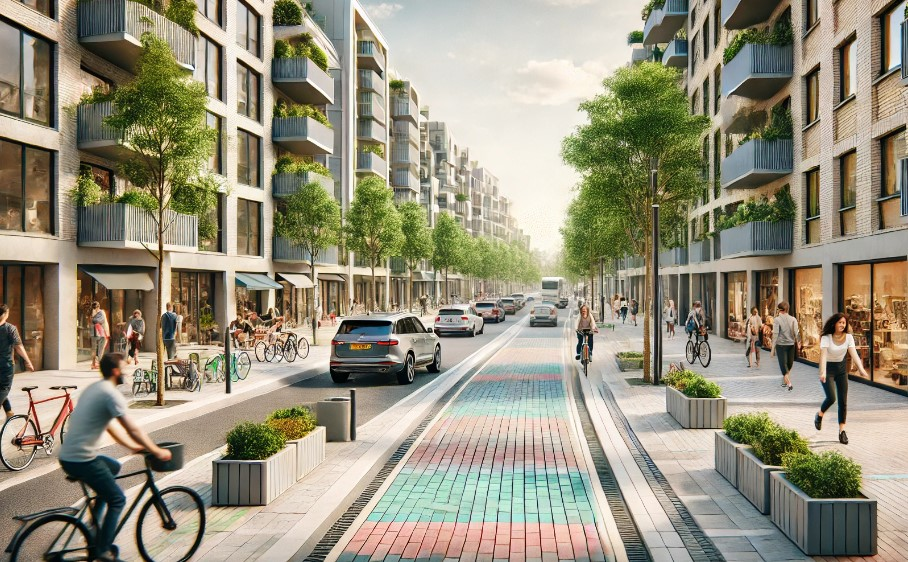
Of course the answer long-term is to build more walkable communities. In The Netherlands, many town planners have streets (woonerf) that are designed for drivers to voluntarily slow down by creating obstacles, to make cars ‘guests on the streets’. It’s not certain if this would work in England’s carcentric society.
A woonerf street basically works like this:
The town is designed not to ‘ban’ cars, but to make a mixed used neighbourhood so that they can’t just ‘race through back streets’. They are not car-free streets, but most fast cars tend not to use them. And another bonus is that emergency vehicles can reach destinations faster.
The problem is not so much practical, as psychological. Most people in Holland use bicycles, and it’s not such a carcentric country as say the UK or USA. So you would need a country that was not addicted to programs like Top Gear, to have the right kind of mentality to make this idea work – and safe.
Slower roads are safer for wildlife
Read more on making roads safer for wildlife.
- Follow speed limits and slow down near woods, fields, ponds and wildlife warning signs.
- Be especially alert at dawn, dusk and during the night.
- Use full beam at night (but dip lights in fog, rain or snow – otherwise bright lights could reflect back and startle wildlife).
- Keep your brakes, lights and windscreen clean and in good condition.
- Never sound your horn or swerve suddenly around wildlife, as this can cause another accident.