St Valentine Did Not Equate Love with Consumerism

St Valentine was of course a saint (read more below). But the massive consumerist binge that 14 February has become is nothing to do with his beliefs, nor is it good to equate money with love. It’s fine to buy a nice gift, but not to pressure people on low incomes into consumerism, just to ‘prove’ they love someone.
It leads to pressure that there is ‘an amount of money’ that must be spent on romantic partners. Linking love with money, means that if your friend spends £200 a gift for a loved one, does that mean that if you spend £10, you love your partner less?
Of course not, it likely means you are less consumerist, and will spend the rest of the money on something else – perhaps something practical like a comfortable bed for you both to sleep in – a firm mattress for a partner with a bad back, is more a symbol of love through caring!
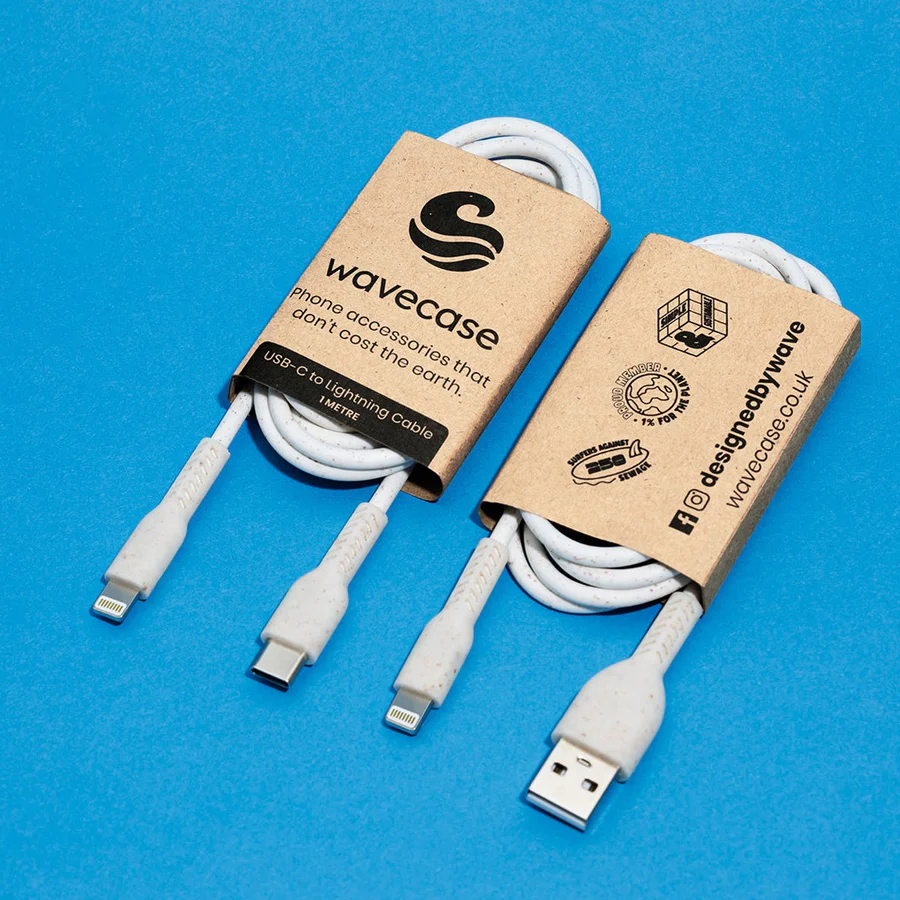
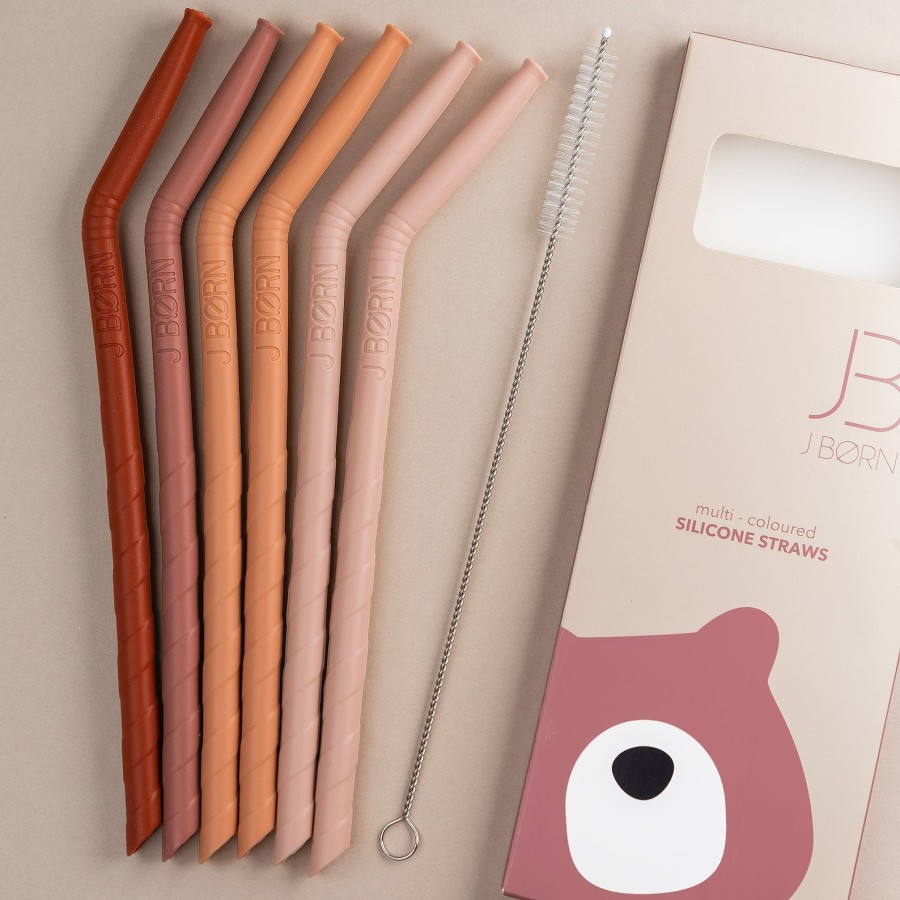
And of course, excessive consumption leads to more plastic waste (flower bouquets and chocolate boxes), more factory farming (dairy chocolate boxes), and more mining (jewellery made from non-recycled metals).
Choose these eco-friendly cards for St. Valentine’s Day.
Who Was St Valentine?
He was a priest who (like Jesus) could heal people, by laying his hands on them.
But when he defended the Christians at Rome (and refused to deny Christ), has was stoned and beheaded, back in the 3rd century. Not just for love, he is also the patron stain for epileptics and bee-keepers.
Some scholars believe there was more than one St Valentine, others say he had no connection to romance (this was due to Chaucer linking him with ‘courtly love traditions’ in a poem).