Sustainable Vegan Modular Sofas and Armchairs

Buying a new sofa should feel like a treat, yet it often comes with nagging doubts. Is it kind to animals? Is it full of nasty chemicals? Will it survive a house move, a new flatmate, or a growing family?
That’s why sustainable vegan modular sofas and armchairs are having a momen. They bring three ideas together: sustainable (lower-impact materials and a longer life), vegan (no leather, wool, feathers, silk, or animal-based glues), and modular (separate sections you can rearrange).
What makes a modular sofa sustainable?
Some brands shout “eco” because the fabric is recycled, while the frame falls apart after three winters. Others focus on vegan leather, even when it’s mostly plastic and hard to repair. To get the balance right, you need to think about the whole product, not a single feature.
Start with materials, because that’s where most impacts sit. Next, look at chemicals and emissions, especially if you spend evenings close to the upholstery. Then consider durability and repair, because the greenest sofa is often the one you keep the longest.
Finally, think about shipping and end of life, since bulky furniture can create a lot of waste if it’s poorly packed or hard to dismantle.
Vegan materials: what to choose
A vegan modular sofa or armchair should avoid more than leather. Non-vegan parts can hide in places you don’t see, such as trims, fills, and glues. Common culprits include leather and suede, wool or wool-blend upholstery, feather and down cushion fills, silk piping or decorative trims, and animal-based adhesives.
Upholstery can be made from recycled polyester, recycled cotton blends, organic cotton, linen, hemp, or hard-wearing synthetics designed for heavy use. Some brands also offer plant-based fabrics (for example, fibres blended with plant cellulose) that feel softer than you’d expect.
For fills, look for high-quality fibre fills, recycled fibre where available, or responsibly sourced plant-based fills when offered. Adhesives matter too, so ask about water-based or low-VOC options.
One catch: faux leather is usually vegan, but not always sustainable. Many PU or PVC “vegan leathers” rely on plastics and can crack over time. If you love the look, try to choose a version with a more durable backing, a longer warranty, and clear care guidance. In other words, don’t trade animal welfare for a short product life.
Sustainable build quality reduces waste
Modular seating earns its keep when it survives real life. Look for frames made from FSC-certified timber (or reclaimed wood) or well-made recycled metal. Ask what supports the cushions underneath. Slats and webbing can work well, while thin chipboard often won’t.
Upholstery durability matters as much as looks. Many retailers mention a rub count (a wear test). Higher numbers usually mean better resistance to abrasion, although the weave and finish still matter. Removable, washable covers are a big win, because you can clean spills without panic and replace a single cover later.
Cushions deserve attention too. Foam gets a bad reputation, yet the bigger issue is cheap foam that collapses fast. High-resilience foam tends to keep its shape longer. If you’re sensitive to smells, ask about low-emission certifications and low-VOC materials, especially for foam and glues.
Get the layout right first: modules and sizes
First, measure your room, then measure access. Door widths, hallway turns, stair landings, and lift depth can make or break delivery day. A quick paper plan helps too. Mark radiators, sockets, and the swing of doors, because a chaise that blocks a cupboard will annoy you daily.
Next, think about flexibility. Reversible chaises suit renters because you can flip the layout after moving. An ottoman can act as a footstool, a spare seat, or a coffee table with a tray. If you have an awkward corner, consider a single modular armchair piece instead of forcing the sofa into the space.
Ask these questions before you pay
A quick email to a brand can save months of regret. Keep it simple and direct:
- What is the upholstery made from (recycled, organic, plant-based, or a blend?)
- Are the dyes and finishes low-impact or certified?
- Does the sofa include any animal-derived components?
- Is the frame FSC-certified?
- Do you have a low-emissions certification?
- Where is it made, and how is it shipped and packaged?
- What’s the repair policy, and can I buy spares?
Arranging Sofas for Comfort and Conversation
Your sofa isn’t just a perch for movie marathons. Its placement shapes the flow and feel of any room. For the best mix of comfort and conversation:
- Face sofas and armchairs towards each other to encourage eye contact and easy chatting.
- Leave walking space between seats so people don’t need to squeeze by.
- Add a low table in the centre for drinks and snacks, keeping things casual.
- Aim for symmetry to create calm, well-balanced spaces.
- Use rugs or lamps to define cosy ‘zones’, especially in open-plan areas.
Habbio Vegan Modular Sofas & Armchairs
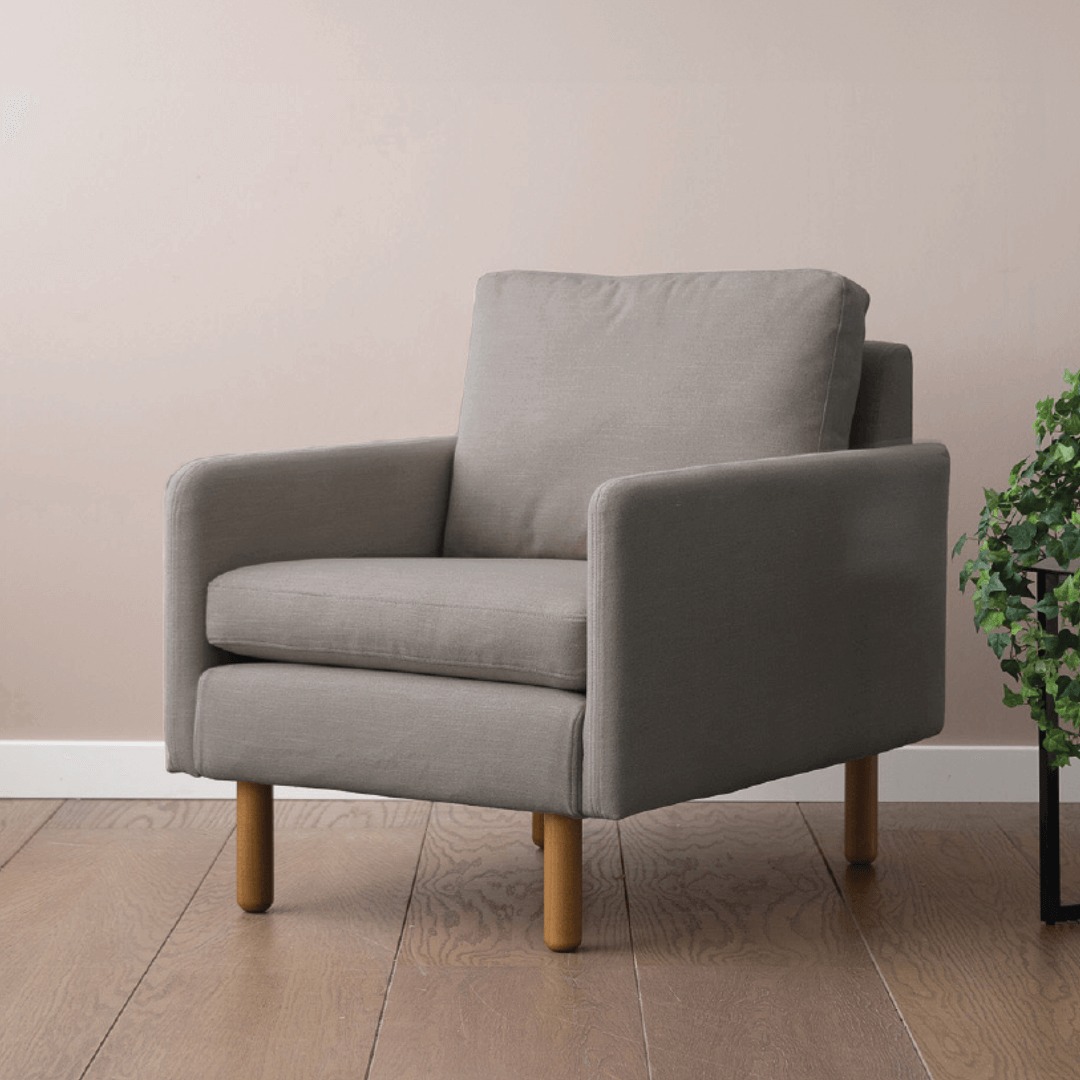
Habbio has created England’s first vegan-certified sofa, which includes many styles and colours of sofas, plus the company also makes sofa-beds and sells refurbished options, for people on a budget.
Designed to change with your lifestyle, these sofas are modular, meaning you can add new parts as your family grows, without having to throw out and buy a new sofa. The company also makes sofa-beds and sells refurbished options, for people on a budget.
You can also disassemble these sofas (no tools required) if you move house, and buy extra loose covers. The sofas are delivered in a box that squeezes through doorways (and goes upstairs without you swearing!). You can even order collection of your old sofa for recycling.
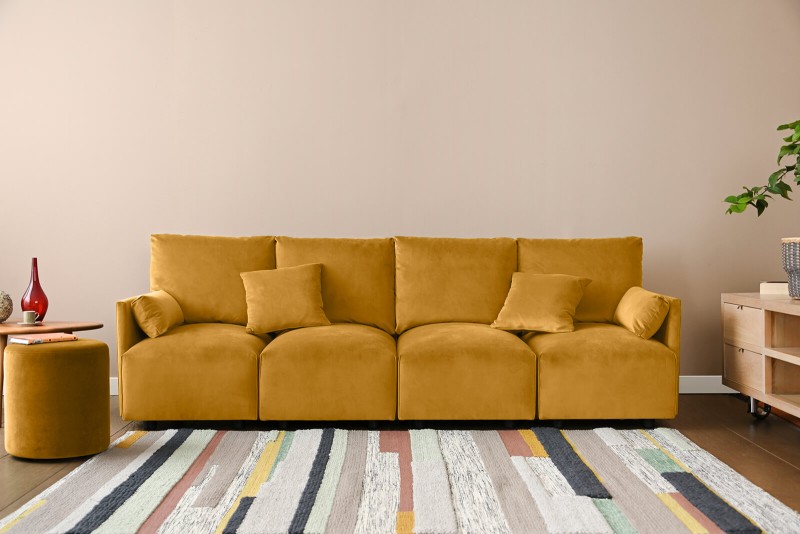
Made to last (with a 15-year guarantee), these sofas are made in Derbyshire by artisans from a family with 70 years experience in making furniture. Their workers are paid at least 20% more than the living wage, with no zero hour contracts.
This company uses 90% fewer chemicals than other sofa makers, and chooses nontoxic and biodegradable alternatives where possible (tomatoes have more formaldehyde!)
They use sustainably-sourced wood and fabrics made from recycled plastic bottles (if laundering, use a microfiber filter).
Cosy Threads and Zero Boucle are water/stain repellent and should be wiped with a damp cloth only. All their fabrics are naturally stain-resistant. Usually a sponge, soap and water should fix spills, allow to dry naturally. Their nontoxic treatments comply with UK fire regulations.
These retailers often provide extensive information about their materials and practices, making it easier to choose a sofa that aligns with your values.
How to Clean Sofas and Armchairs
When you care well for your sustainable sofa or armchair, you keep it out of landfill and looking its best. Even the greenest furniture breaks down faster with rough treatment and harsh cleaning products.
A simple good vacuum and airing should do the trick. For stains (if you can’t wash the covers), simply mix a teaspoon each of biodegradable dishwash liquid, white vinegar, baking soda and warm water, then it will froth up. Apply to stains, leave to dry for 10 minutes, rinse and leave to dry.
Read more on how to remove stubborn stains, naturally.
Cat and Dog Hair Removers (bamboo & metal)

This sustainable cat hair remover is made from sustainable premium bamboo and durable metal, a reusable lint roller alternative to keep clothes, furniture and carpets free from pet hair. Just glide over soft surfaces, and watch as the grooved metal bar lifts hairs.
Ethically made, it’s also available in a dog-hair removing design!

Recycled Ocean Plastic Drinks Coasters

These ocean plastic coasters make a lovely unique zero waste gift for others or yourself, to protect table tops. Unlike most coasters that are made from plastic, these are made from ocean plastic, which has been collected by hand from the scenic Cornish coast. So good for marine creatures too!
Sold in sets of 2 to 4, the more people buy these, the more plastic waste the brand can supply by removing more plastic waste (fishing nets and crates, water bottle tops, buckets and spades). The bright colours are naturally derived from whatever waste is collected.
And due to being plastic, the coasters are strong and waterproof, and should last you years. By supporting this brand, you can leave a legacy of cleaner oceans in Cornwall, for years to come.
Coasters Made from Recycled Newspapers
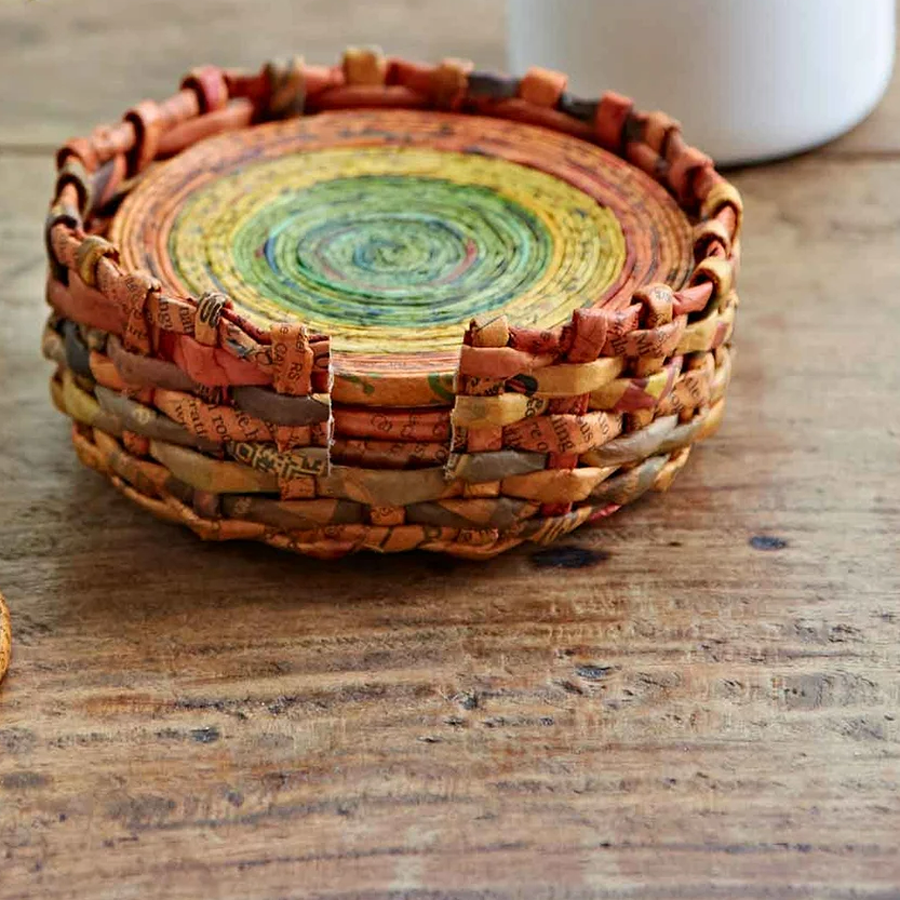
Stop spills, by using these recycled newspaper coasters, sold as a set in their own holder. Handmade by a social enterprise in Sri Lanka, these coasters help to reduce the amount of global waste, and cut down on use of unsustainable resources.

These recycled newspaper bowls can be used to stash your keys or anything small that’s likely to get lost. You could even use it as a tip tray for a small shop or eaterie.
Don’t put sweets or chocolate in them, near young children or pets.
It’s true that newspaper breaks down in landfills (unlike plastic). But this still causes methane, a potent greenhouse gas to be released. So making old newspapers into other things, helps to reduce emissions and therefore climate change.