Sustainable Vodka: From Field to Bottle

Fatty's organic vodka

Vodka looks simple in the glass, but it can carry a messy footprint. Sustainable vodka is vodka made with more care across the full journey, from ingredients to energy, water, packaging, and the people involved.

Spirits can create emissions in a few obvious places. Farming uses land, water, and fertiliser. Distillation needs a lot of heat. Then there’s glass, which is heavy to make and ship.

Fatty’s Organic vodka is made in Dulwich, London.

Corks are too dense to recycle and are choking hazards, so send off in bulk to Recorked, if your local off license does not collect.

Check medication before drinking tonic water (contains quinine). Also avoid tonic water for pregnancy/nursing (but hopefully you won’t be drinking gin anyway).

From field to bottle: vodka’s footprint

Most vodka follows the same basic path: grow a crop, turn it into a fermentable mash, distil it, filter it, then bottle and ship it. The details matter, because small choices add up.

First, the base ingredient sets the tone. Wheat, rye, barley, potatoes, grapes, and even sugar beet can all become vodka. A high-yield crop grown with heavy fertiliser can increase emissions and harm waterways. On the other hand, a crop grown with good soil care can store more carbon and support wildlife.

Next comes processing. Fermentation is fairly low energy, but distillation isn’t. Vodka often goes through multiple distillation runs, and each one needs heat. If a distillery burns fossil gas or oil, the footprint rises fast. If it runs on renewable electricity or biogas, it can drop sharply.

Water is another quiet factor. Vodka production needs water for mashing, cleaning, and cooling. Some sites also sit in water-stressed areas, which changes the impact even if the spirit tastes the same.

Finally, packaging and transport can surprise people. Vodka is usually sold in glass. Thick, decorative bottles look premium, yet they often create more emissions than the liquid inside. Shipping heavy glass around the world also adds to the total.

If you remember one thing, remember this: vodka’s footprint is often driven more by energy and packaging than by flavour.

Ingredients, farming, grains, potatoes, and crops

Farming choices shape soil health, pollution, and biodiversity. Intensive growing can mean more fertiliser, more pesticide use, and less variety in the field. That can strip soil over time and increase runoff into rivers.

Better farming focuses on keeping soil covered, rotating crops, and cutting chemical inputs where possible. You’ll sometimes see terms like regenerative or low-input. Those words can help, but they’re only useful with proof and detail. Look for signs of crop rotation, reduced pesticide use, or support for wildlife strips and hedgerows.

Using by-products can also improve the story. Some producers use leftover or waste streams as feedstock, for example surplus bread, whey, or grape pomace (skins and seeds left after pressing). That can reduce the need for dedicated crops, although quality control still matters.

Local sourcing can help, especially when it cuts lorry miles. Still, distance isn’t the whole picture. A nearby crop grown with poor soil care may beat up the environment more than a slightly more distant crop grown well. In other words, farming method often matters more than the postcode.

Distillation and water use, hidden energy cost

Distillation is where vodka can rack up a big bill. You boil alcohol out of a fermented wash, then condense it back into liquid. That takes heat and cooling, so energy use rises quickly.

When you’re comparing bottles, it helps to think in “better vs worse” terms:

  • Better: renewable electricity, or a clear plan to switch; worse: no mention of energy sources at all.
  • Better: heat recovery (re-using waste heat); worse: venting heat and starting cold each run.
  • Better: closed-loop cooling that re-circulates water; worse: once-through cooling with high water use.

Wastewater matters too. Distilleries create nutrient-rich effluent. Good treatment prevents pollution and can even create biogas in some systems. Producers don’t need to share engineering diagrams, but they should explain what they do with wastewater and spent grains (often used as animal feed or for energy).

How to choose a more sustainable vodka 

Shopping for sustainable vodka can feel like reading tea leaves. Labels are small, and marketing is loud. Still, a few checks make the choice clearer.

Start with the basics you can see. Bottle weight, shape, and extra packaging tell a story right away. A tall, thick, frosted bottle often means more glass and more transport emissions. A simpler bottle can be the greener choice, even if it feels less “giftable”.

Then look for useful detail on the back label or the producer’s site. Do they say where the base crop comes from? Do they name the distillery location? Do they explain their energy use? Clear, plain answers beat glossy slogans.

Be careful with single-issue claims. “Made with spring water” sounds nice, but it says nothing about heat, farming, or glass. “Gluten-free” helps some drinkers, yet it isn’t a climate claim. Also, “carbon neutral” can be meaningful, but only when it includes real cuts, not just offsets.

A quick mindset shift helps: you’re not hunting for a perfect bottle. You’re choosing the one with fewer downsides and better proof.

Packaging, glass weight and closures

For many spirits, the bottle is a large share of emissions. Glass needs high heat to produce, and heavy bottles burn more fuel in transit. That’s why packaging is one of the easiest wins.

Look for lighter bottles where you can. Recycled glass content also helps, because it usually needs less energy than virgin materials. Some brands share bottle weight in grams, while others mention recycled content. If neither is stated, that’s not a deal-breaker, but it does limit trust.

Refill and return schemes can be even better, where available. In the UK, options vary by area and retailer, so check what’s realistic for you. Also keep in mind that recycling rules vary by council, so a bottle that’s easy to recycle in one place might be tricky in another.

Avoid unnecessary extras. Gift boxes, plastic sleeves, and multi-part closures create more waste. Frosted and oddly shaped bottles can also be harder to recycle, and they’re often heavier too. A plain label on standard glass may look less flashy, yet it often does more good.

Certifications and transparency, what adds trust

Third-party checks matter because they reduce “marking your own homework”. Still, no single badge covers everything, so treat certifications as a signal, not a finish line.

You may see Organic (focused on farming inputs), B Corp (broader business practices), and carbon claims such as Carbon Neutral or Climate Neutral (quality depends on what’s measured and how). Some producers also reference ISO standards linked to environmental or energy management.

When in doubt, ask simple questions. A good producer should answer clearly, even if the answer isn’t perfect yet:

  • What’s the main energy source for distillation, and is there a plan to move to renewables?
  • Do you measure full life cycle emissions (farm to bottle), or only parts of it?
  • How heavy is the bottle, and what percentage is recycled glass?
  • How do you handle cooling water, and do you re-circulate it?
  • What happens to spent grains or other waste streams?

Trust grows when a brand shares numbers, boundaries, and progress, not just promises.

Drinking and serving sustainably

At home, plan drinks like you plan food. If you only use half a lime, the other half often dries out in the fridge. Instead, mix a small batch of cocktails for friends, or choose serves that use the whole fruit. You can also freeze leftover citrus juice in an ice cube tray for later.

Water use matters in small ways too. Making ice with tap water is fine in most UK homes, and it avoids single-use bags of ice. Reusable straws and durable bar kit also reduce bin waste over time.

Sapling Climate Positive Vodka

sapling spirits vodka

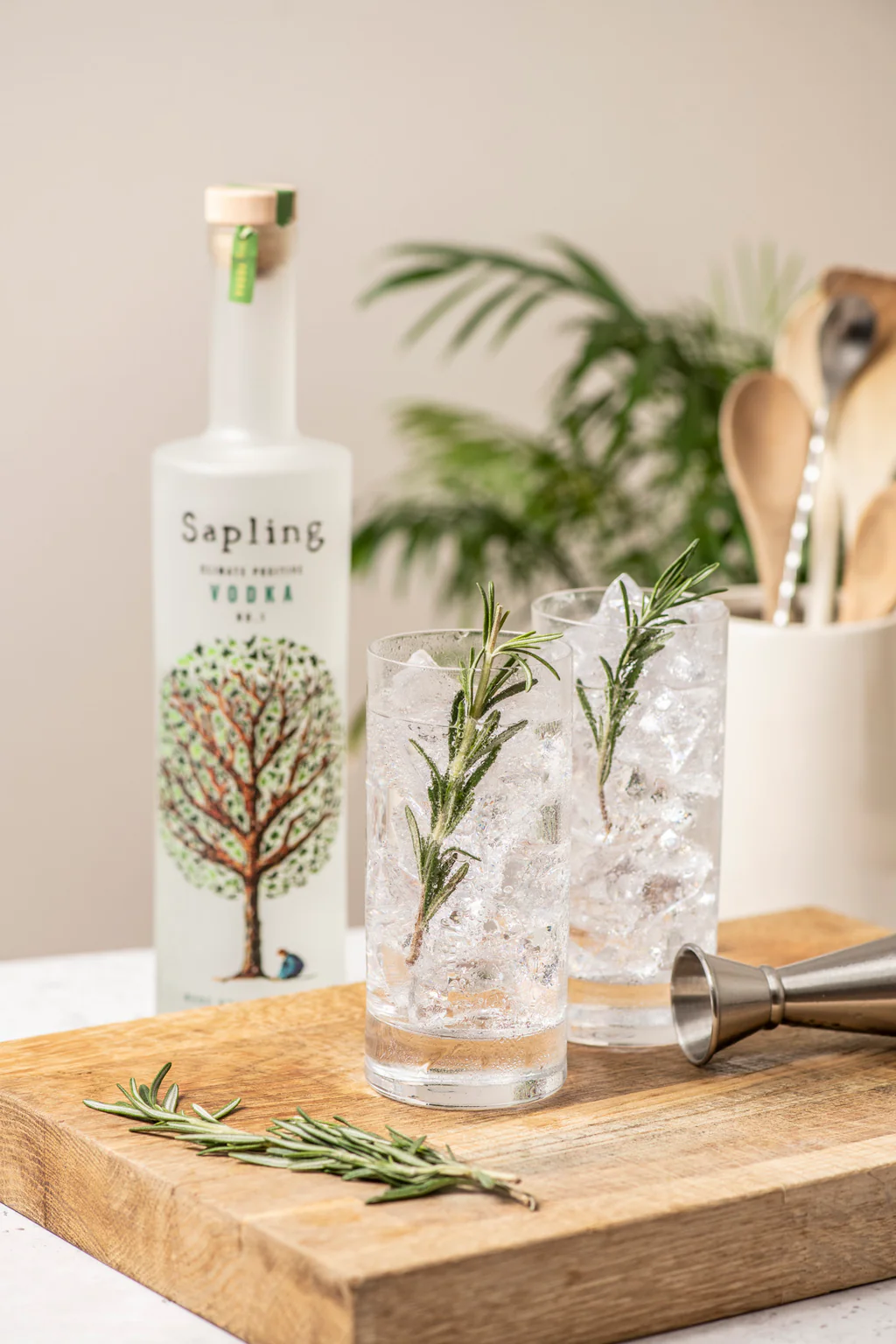
Sapling Spirits is the world’s first climate-positive vodka, which plants a tree for every drink enjoyed. Made with British wheat, a unique code on each bottle tells you what tree was planted (and where).

Vodka is a high-percentage spirit alcoholic drink that is usually made with wheat or potatoes. Rather than buy multi-national big brands, why not try some homegrown artisan brands?

A recent study found that the average bottle of vodka uses 2.8kg of carbon before it reaches the customer. Made in London, this uses charcoal filtered water, to leave a hint of natural sweetness.

So far, the company has planted over 300,000 trees (both in the UK and abroad), and saved over 300,000 bottles from landfill.

Bars and restaurant buying wholesale use refillable 5 litre eco boxes, which saves 7 bottles from ever being created. The bottles are also made from 40% recycled glass, and use natural corks.

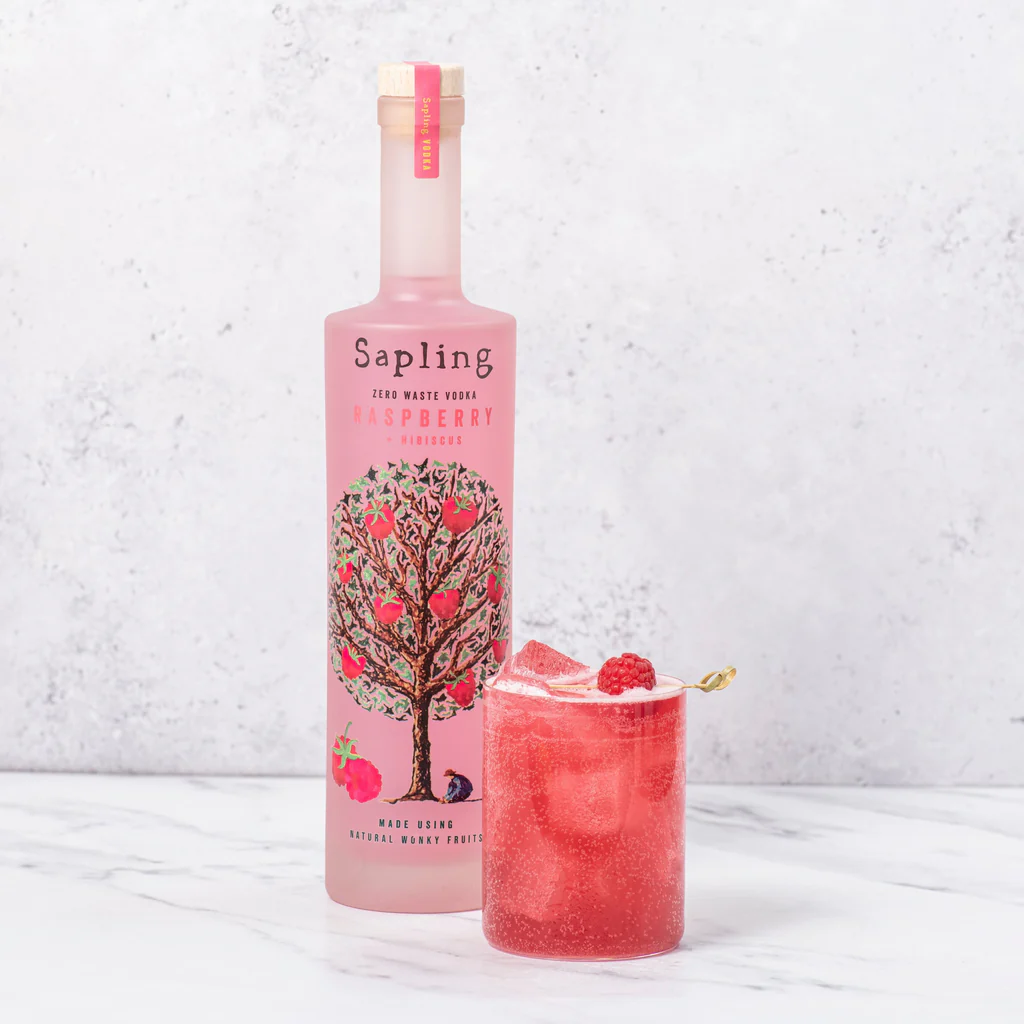
The range includes standard vodka, plus a raspberry hibiscus pink vodka, which makes use of wonky raspberries, that would otherwise have gone to landfill. Hibiscus should be avoided for pregnancy, but then hopefully are not drinking vodka anyway?

sapling spirits

There’s also a regenerative vodka, made with eco-farmed wheat that is a tasty mix of toffee, cereal, earth and chocolate orange!

Pure Organic Vodka (from an Essex boy!)

pure vodka lite

Pure Organic Vodka is a good brand of vodka, founded by a young Essex entrepreneur. It also comes in a light lower calorie version.

This ambitious young man (who used to work as a Saturday boy in a supermarket and now has his sights on becoming an organic eco-entrepreneur) has recently launched two flavoured organic vodkas (both vegan-friendly): caramel and peach/grapefruit.

Respirited Vodka (made with surplus grain)

respirited vodka

Respirited is a unique brand of vodka, made from surplus grain, rather than from new crops. It’s made with green energy and sold in recycled bottles. The bottles also feature eco-corks, compostable closures and biodegradable recycled labels.

For the ideal tipple, pour a measure over a glass of ice with a couple of squeezed fresh lime wedges, and top with soda water. Garnish with a wedge of fresh lime.

For a bloody Mary, pour a serving over a glass of ice, then add a squeeze of lemon, a pinch of salt and top with tomato juice. Garnish with a celery stick.

Tipsy Wight: Foraged Vodkas from Isle of Wight

tipsy wight vodka

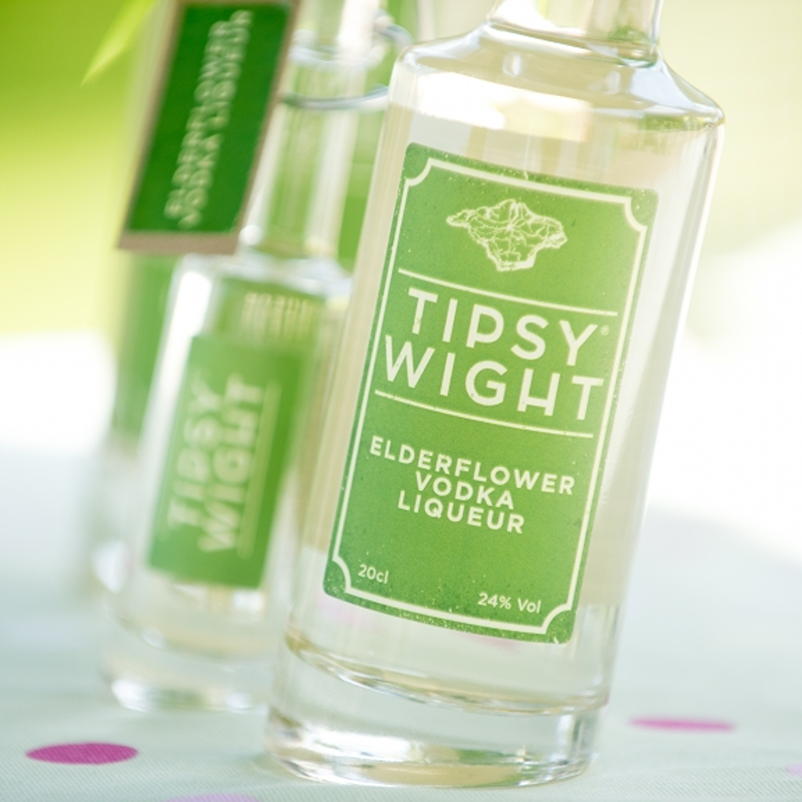
Tipsy Wight makes nice hedgerow vodkas, from ingredients foraged on the Isle of Wight. Locals pick ingredients like sloe, wild cherry, plum, and crab apple each season.

The infusions taste like the fruit itself, not a synthetic syrup. You’ll catch subtle notes of blossom, green leaves, and stone fruit, plus just the right amount of sweetness. The range (most vegan) includes:

  • Cherry
  • Damson
  • Elderflower
  • Medlar
  • Quince
  • Wild Plum
  • Wild Garlic

The Best Brands of Artisan Tonic Waters

Fentimans tonic water

Tonic water is mostly served as a mixer for gin and vodka, or sometimes alone as a refreshing drink. But it was originally used to help prevent malaria, as it contains quinine (from the bark of the cinchona tree).

It was so bitter that medics added gin, to make it more palatable. Modern tonic waters don’t have as much quinine, and are generally sweeter.

  • Fentimans (Northumberland) makes a wide range of botanically brewed tonic waters, made with herbal infusions from lemongrass to Sicilian lemon oil.
  • Luscombe (Devon) blends Dartmoor spring water with wild or organic fruits, and Indian quinine. Also in flavoured versions (elderflower and grapefruit) and a Light version (sweetened with fruit sugar, with Japanese yuzu).
  • Daylesford makes organic tonic water with dandelion, instead of quinine. Containing far less sugar, it’s bottled on a family farm in Devon. Choose from Light, cucumber, wild elderflower or Damescena rose.

Arrowtown Vodka Sodas (to help the oceans)

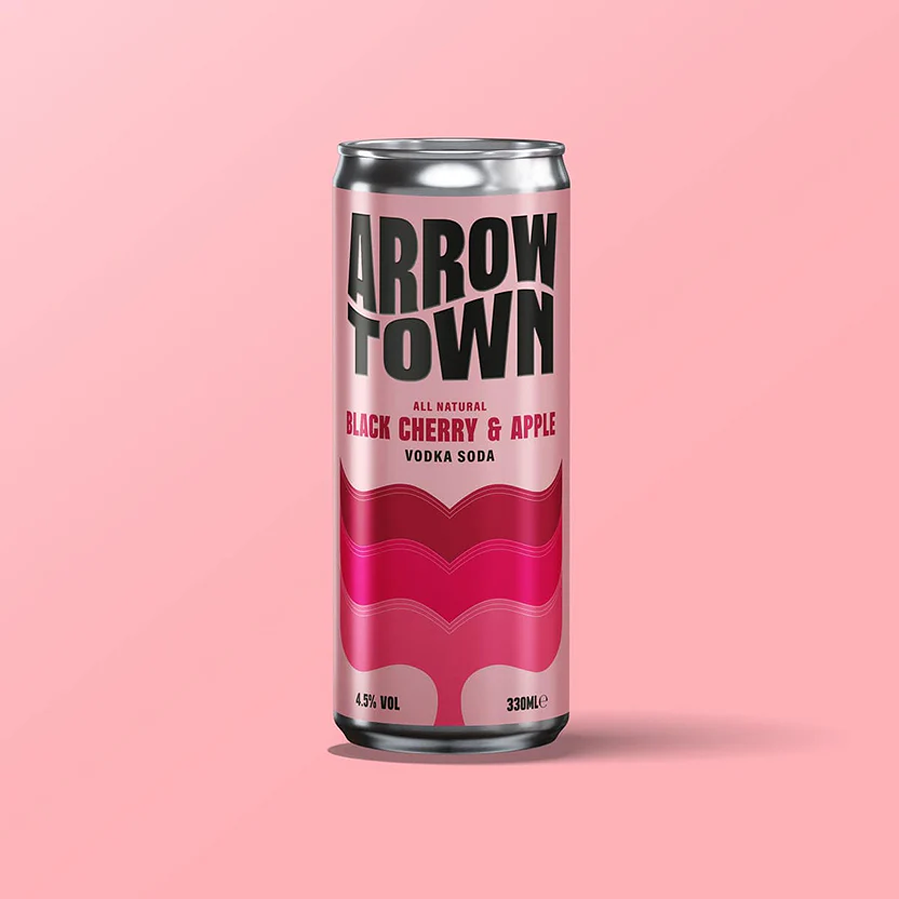
black cherry vodka soda

Arrowtown Drinks make vodka sodas in easy-to-recycle cans, like ‘hard seltzers’, so less alcohol than vodka (around 5%, the same as beer but lower in calories).

Healthier than a gin and tonic, but less puritanical than drinking a glass of water! For every can sold, the company remove 2 plastic bottles from the oceans, in partnership with an organisation abroad.

They employ people in developing countries to remove ocean plastic from the ocean, which is then sold for recycling.

Arrowtown vodka soda

This brand was inspired by two young brothers, who with the wisdom of a couple of university students (not much!), decided it would be fun to take on the world’s biggest brands of sugary seltzer drinks, by offering something better, and which helped wildlife too.

Choose from four flavours:

  • Black Cherry & Apple
  • Peach & Raspberry
  • Lime & Elderflower
  • Mango & Pineapple

Similar Posts