The Little Book of Chickens (an illustrated guide)
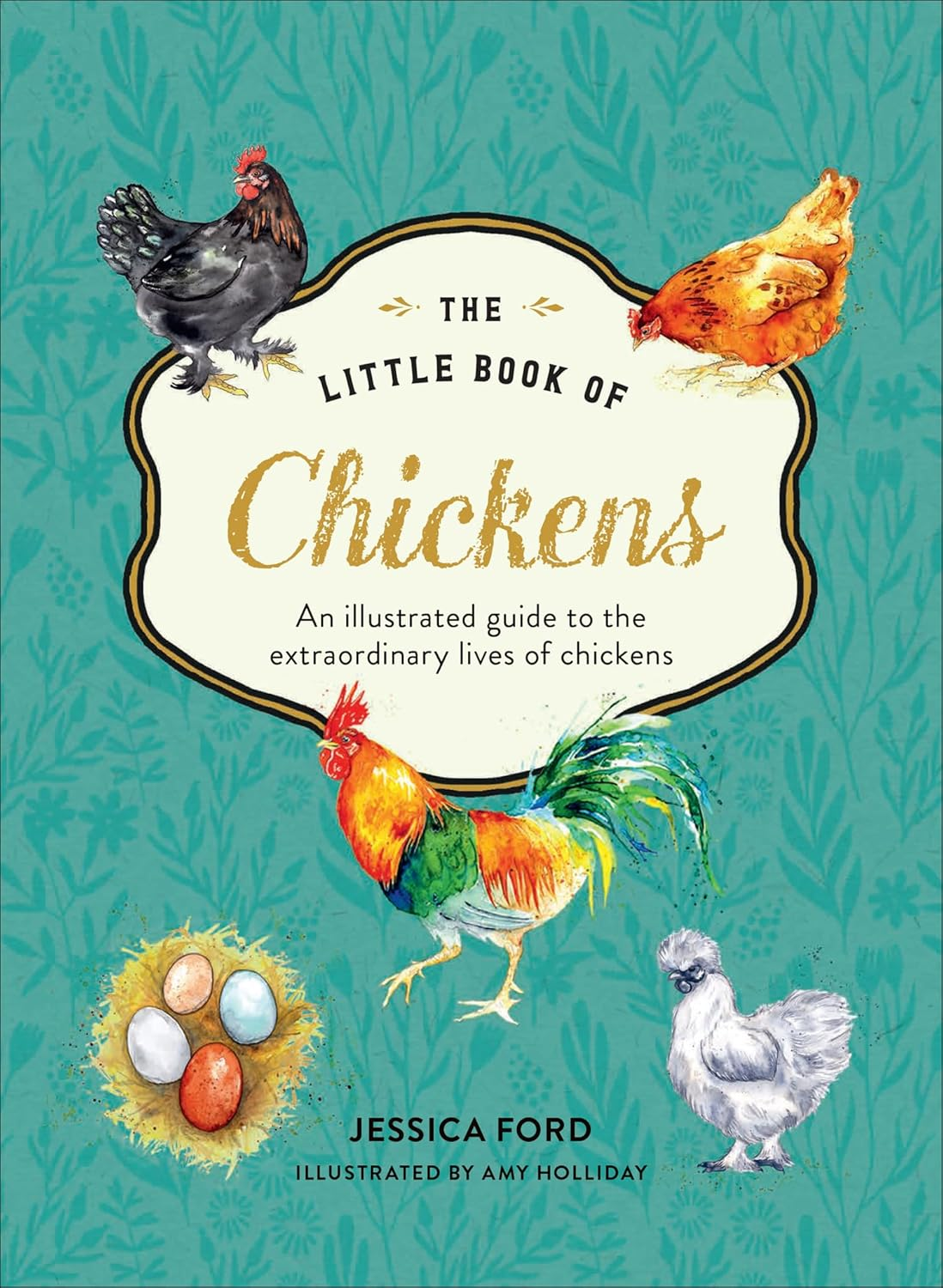
The Little Book of Chickens is a charming and informative book on all things chicken – from life stages to how clever they are, plus heaps of fun facts and truly gorgeous breeds and their colourful eggs.
Learn what a chicken is, and how chickens go from egg to bird. Learn about a chicken’s life cycle and how they interact with eggs. You’ll also learn about their natural foraging behaviour. And find tips if you care for (including ex-battery hens – find tips on keeping them safe from predators).
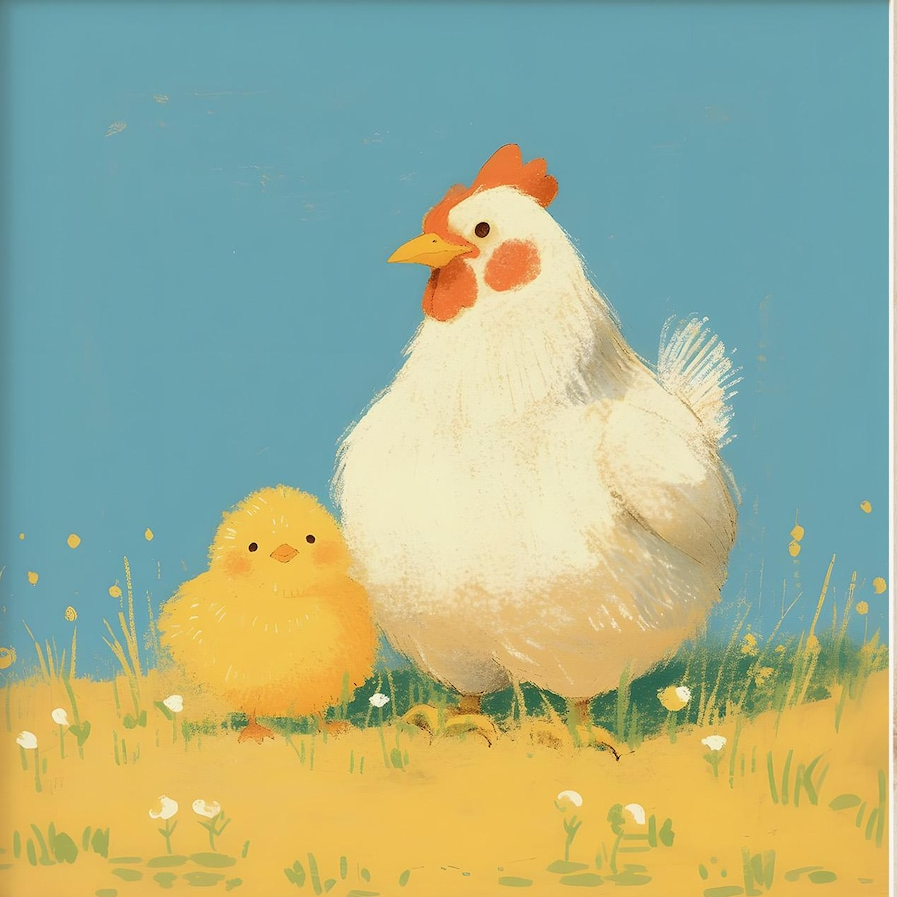
Chickens don’t just “peck about”. They organise themselves, they notice patterns, and they respond to how you treat them. When they have space and choice, their behaviour looks more like a busy neighbourhood than a mindless mob:
- They recognise faces: Chickens can tell familiar people
- They remember routines: They learn feeding times and favourite spots
- They pick favourite friends: Many hens have preferred companions.
- They use different sounds: Their calls change for food and danger.
- They dust-bathe on purpose: Dust helps keep feathers in good condition.
- Chicks learn by watching: They copy what older birds do
- Roosters keep watch: They usher hens to safety when needed.
If you want a quick clue that chickens are doing well, look for relaxed foraging, dust-bathing, and calm roosting at dusk.
At night, chickens prefer to roost off the ground. It’s a safety habit, and it also keeps them drier and warmer. By day they scratch, forage, and graze in short bursts, then rest in shade when it’s hot. Clean water matters more than people think; birds can overheat quickly, especially in still, humid weather.
Chicks need warmth, protection, and frequent feeding. Roosters often act as organisers. They call hens to food, break up scuffles, and keep the group moving together. Single birds can struggle, because chickens are wired for flock life.