The Shipping Forecast: England’s Bedtime Lullaby
Late at night, the radio can feel oddly close. Then comes that calm voice, reading Dogger, Fisher, German Bight, as if naming stars.
For many people, the Shipping Forecast is more than weather. It’s a ritual, a sound of home, a gentle sign that the day is done. Plenty of listeners have never sailed anywhere, yet they know the pattern by heart.
That mix is what makes it so interesting. How did a practical bulletin for ships become England’s bedtime lullaby?
The Shipping Forecast provides vital weather info for 31 sea areas surrounding the British Isles. Including wind speed and direction, visibility, atmospheric pressure and sea state. A valuable toolkit for sailors.
First aired in 1861, it was conceived by Robert FitzRoy, the founding force of modern meteorology. Today, satellites, buoys, and weather stations all play a part in collecting this information. It airs four times daily, and is also now accessible online and with apps.
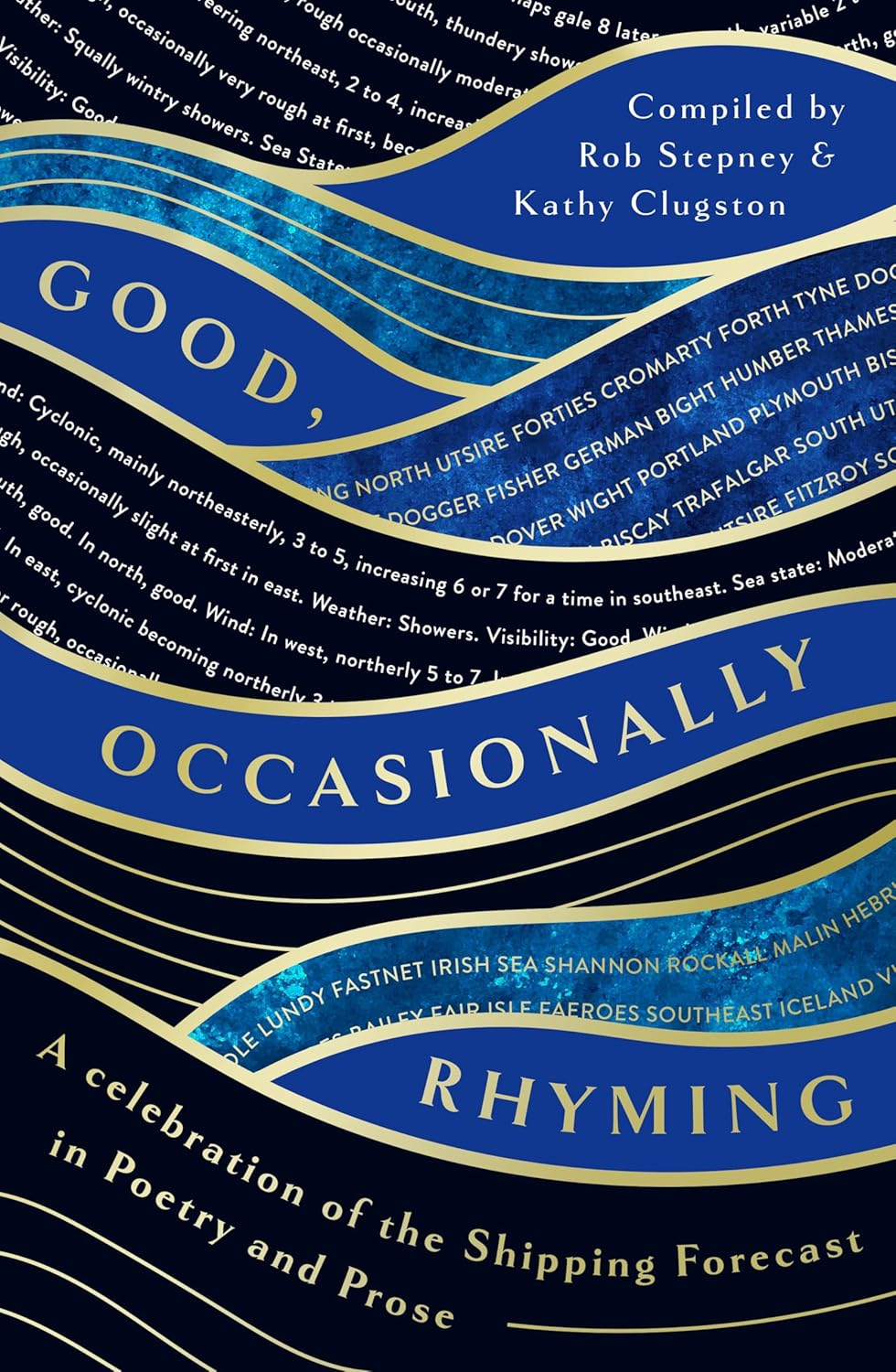
Good, Occasionally Rhyming is a selection of poetry and writing about the Shipping Forecast, to celebrate the 100th anniversary of the first BBC broadcast.
And now, the Shipping Forecast issued by the Met Office
Often described as the nation’s bedtime lullaby, the Shipping Forecast has long been a favourite listen in homes on chilly evenings, even if you’re nowhere near the sea and don’t sail a boat.
The precise reading of marine weather around the British Isles has often been forgotten, by those who instead value the gentle rhythm and curious wording as a charming way to induce relaxation and sleep.
The 31 areas take us on a virtual voyage that starts with the Shetland Isles and Norway, zig-zags down the North Sea, scoots west along the English Channel, sails by the coast of France, Spain and Portugal, via both sides of Ireland, up to the west coast of Scotland and even as far as Iceland.
Forties, Dogger, German Bight, Humber, Thames, Dover, Wight. These words speak to us like a spell, nonsensical in their substance, but enchanting in their delivery.
Since it first broadcast in 1925, the Shipping Forecast has captured the nation’s heart. This is a love letter from Britain’s literary landscape, to this iconic radio broadcast.
That’s the end of this shipping bulletin.
How a safety bulletin became part of the nation’s nightly routine
The Shipping Forecast began with a plain, serious job. It gave weather warnings to ships around the British Isles, so crews could prepare for rough seas and storms. That purpose still matters. At its core, this is not a quaint relic. It’s a working marine forecast.
Over time, though, it slipped into ordinary home life as well. Because the BBC gave it a regular place on Radio 4, people heard it again and again. The late-night slot mattered. By that hour, the house was quiet, the lights were low, and many listeners were already half asleep.
So a bulletin meant for mariners gained a second audience on land. Not planned, perhaps, but very English all the same.
A forecast made for sailors, not sleepy listeners
Its roots go back to the 19th century, when Admiral Robert FitzRoy worked on storm warnings and weather reporting. After a deadly storm in 1859, he pushed for a system that could help save lives at sea.
That basic idea still sits inside the forecast now. Sea areas, wind, weather, visibility, pressure, all are read in a set order. The language sounds old to some ears, but the function is current. Ships still need clear, trusted information, especially when conditions turn bad.
So while many people hear comfort, the sea hears instruction.
Why millions hear it as a nightly sign-off
Timing did a lot of the work. The late-night Radio 4 forecast arrives when many listeners are already winding down. Some hear it after the news. Others catch it in bed, with the lamp off and the radio still on.
Repetition helps too. The same structure returns night after night. The same sea areas appear. The same clipped phrases follow. That regularity turns sound into habit, and habit into comfort.
For insomniacs, it can be a companion. For long-time Radio 4 listeners, it can feel like the final lock on the door. The day ends, the names are read, and sleep moves a little closer.
What makes the Shipping Forecast so soothing to hear
The facts alone don’t explain its hold. Plenty of forecasts are useful, but they don’t send people drifting off. The Shipping Forecast does, and the reason sits mostly in its sound.
It has rhythm. It has restraint. It never tries too hard.
The steady rhythm, gentle voice and repeated phrases
The forecast moves at an even pace. There is no rush, but no fuss either. Each phrase lands cleanly, then gives way to the next. Because of that, listeners stop waiting for surprises. They can simply follow the pattern.
That matters more than people think. A predictable voice settles the mind. Repeated wording does the same. “North Utsire, South Utsire”. “Backing south-west”. “Moderate or good”. Even if you don’t know every term, you know where the sentence is going.
The comfort comes less from meaning than from pattern.
There is also very little drama in the delivery. Bad weather may be coming, but the voice stays level. That calm does something to the listener. It says, in effect, that the world is still in order, even when the seas are not.
Continuity counts as well. Radio is intimate at the best of times, and this is a form of intimacy with rules. It arrives the same way, in the same place, with the same steady frame. In a noisy age, that kind of order feels rare.
Why names like Viking and Cromarty sound almost poetic
Then there are the names. Viking. Cromarty. Forties. Bailey. Fair Isle. They don’t sound like standard weather terms. They sound half real, half dreamed.
For listeners inland, those names open a small door. You may be in Leeds, Reading or a flat in south London, yet the mind goes elsewhere. Dark water, distant lights, cold air, a map you can hear but not quite see.
That’s part of the charm. The sea areas are fixed and practical, but to land-based ears they feel almost mythical. They suggest a Britain beyond roads and rail lines, beyond office hours and kitchen clocks.
Children hear mystery in them. Adults hear memory. Some people recall parents with radios by the bed. Others remember student rooms, ferry trips, sleepless nights, or simply the habit of listening before sleep.
So the language works on two levels at once. It means something exact to those at sea. Yet it means something looser, softer and more inward to everyone else.
Why the forecast still matters in modern England
The Shipping Forecast survives because it does two jobs at once. It serves the sea, and it serves the imagination.
That contrast keeps it alive. In an age of apps, alerts and smart speakers, a spoken marine bulletin might seem easy to sideline. Yet people still seek it out, because it offers more than data. It offers form, memory and a sense of continuity.
A rare broadcast that is both practical and deeply emotional
Very few broadcasts carry this double weight. On one side, there is hard information for shipping and coastal waters. On the other, there is comfort for people nowhere near a harbour.
That split is part of its appeal. It never asks to be cherished. It simply does its job, and feeling grows around it. That modesty helps. The forecast doesn’t perform nostalgia, yet it gathers nostalgia all the same.
In that way, it feels almost old-fashioned in the best sense. Useful first, beloved after.
A small but lasting piece of English cultural life
Its mark on culture is wider than its short running time suggests. It turns up in books, comedy, music and casual conversation. People quote sea areas with a smile. They remember where they first heard them. They talk about the forecast as if it were both public service and shared folklore.
That affection has lasted because the sound still fits modern life. Podcasts fill silence. Streaming fills rooms. Yet the Shipping Forecast offers something different, a brief, ordered calm with no demand attached.
It doesn’t need updating to feel current. It only needs to remain itself.
The Shipping Forecast lasts because it brings together duty, rhythm, memory and calm in one small broadcast. It still helps people at sea, and it still settles people on land. Few things manage both without strain. That may be why it stays close. Long after the radio clicks off, Viking, Cromarty, Dogger still seem to hang in the air.
Sea Kayaking the Shipping Forecast
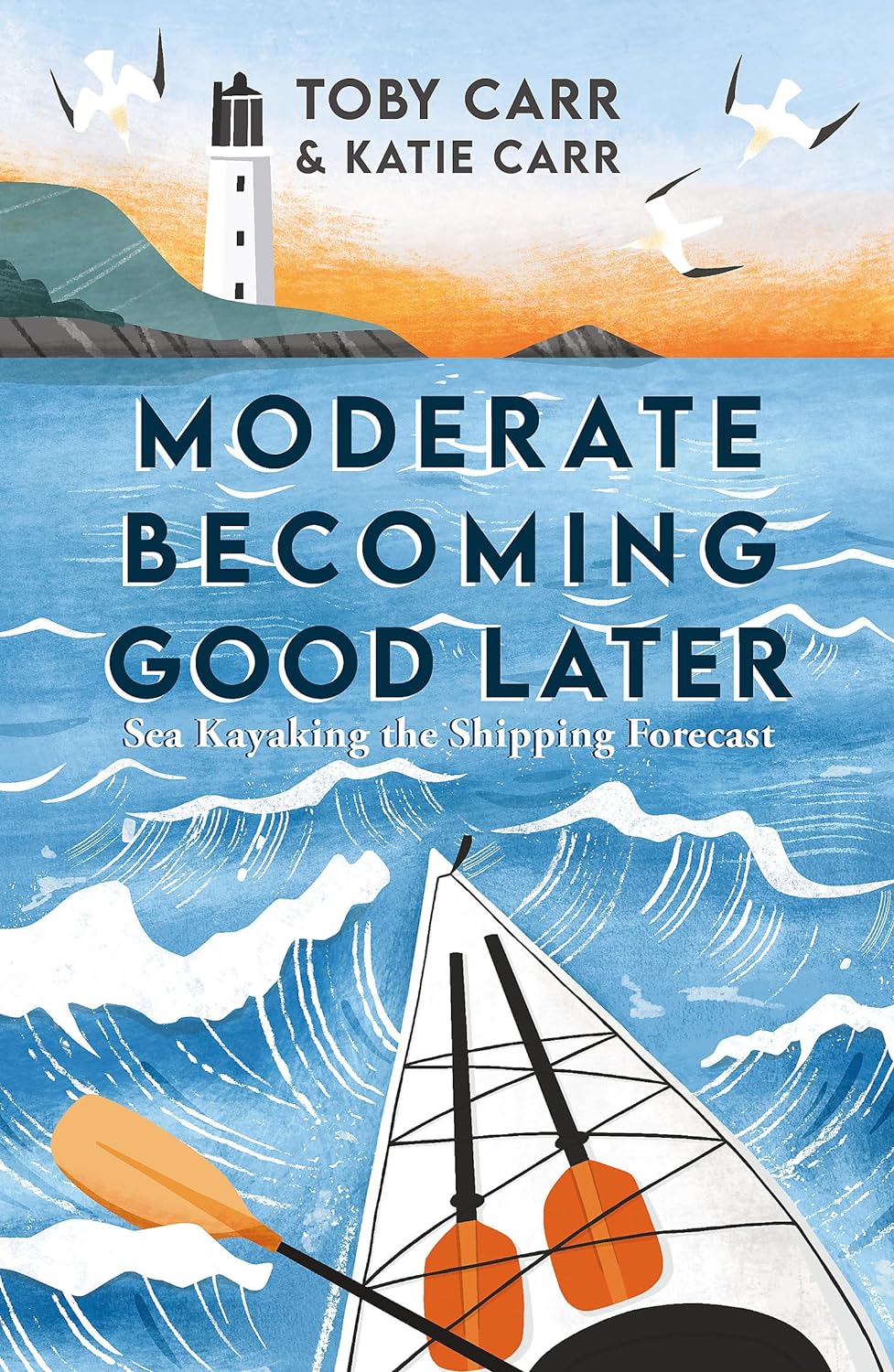
Moderate Becoming Good Later is a deeply moving story about one man who attempts to sea kayak the areas of the BBC Shipping Forecast, familiar to anyone who grew up listening to BBC Radio 4.
Often described as the national lullaby, the shipping forecast is a source of dependability and calm in an often chaotic world.
And has charmed millions of listeners, and aided generations of seafarers across the decades:
Moderate or rough, occasionally very rough in west. Weather. Rain or showers, perhaps becoming thundery. Visibility: good, occasionally poor. Fair Isle..
No stranger to weathering a storm (after living with a rare life-limiting medical condition, architect, lecturer and kayaker Toby sets out to explore the areas of the Forecast.
Taking him to the both tranquil and harsh teas, he finds the real people, places and stories behind the familiar names and imagined environments: and along the way discovers what anchors us to each other.
The book is written by Toby’s sister from his extensive notes and recordings, after his untimely death from liver cancer age just 40.
This is both an epic (sometimes choppy) adventure with old friends and new, plenty of wildlife and the ever-present sea.
What a special book. A manifesto for living, loving and laughing, whatever life’s storms and forecasts bring.
A guide for us all, whether we are embarking on voyages of our choosing, or dealing with waves and storms dealt us. Sarah Outen
Katie Annice Carr is an artist and university lecturer. After the death of her brother, she decided to finish telling his story that he so clearly wanted to share after finding extensive notes of his trip.
She lives in Barcelona, Spain.