Towns with No McDonald’s (councils getting feisty!)
For many years, it seemed that there was hardly a town in England, without a branch of the American fast food chain Mcdonald’s (the first one only opened in England, a few decades ago).
But today (despite the TV ads), sales are rapidly falling (and costs are rising, as franchises can’t sell cheap cheeseburgers and make a profit at the same time). And as people increasingly question the ethics of rainforest beef and ‘happy cows’ to make burgers and shakes, people are making their own food.
And finally many councils are growing backbones, and refusing planning permission to new outlets, due to concern mostly over litter and fast food being sold right next to schools.
Tavistock (Where Mcdonald’s closed down)
The Devon town of Tavistock is known as a bit of a ‘foodie place’, as it is full of farmers’ markets and farm shops. People here buy good ingredients, and then make their own food at home!
A few years back, it featured in the news, as it became the first town in England, where the local branch of McDonald’s had so few customers, it had to close down, and move its staff to nearby Plymouth.
One local said ‘We feed our children properly here, so they had no customers’.
Where is Tavistock?
Tavistock is located in West Devon, a market town that used to be known for tin mining. It’s often called ‘the western gateway to Dartmoor’, one of England’s smallest National Parks.
Named after the River Tavy, it once had two railway stations, but both have now closed. Local campaigners are dismayed that their request for a new line to Plymouth to reduce road traffic, has been refused government funding.
Ludlow (a medieval ‘foodie town’ in Shropshire)
Ludlow is a little town in southern Shropshire, that is known for being a ‘foodie place’. The town’s medieval streets are packed with independent delis, local bakeries and weekly markets.
Known for its medieval streets, poet Sir John Betjeman once described this place as ‘the loveliest town in England’ (he also adored Sidmouth in North Devon).
The town name is old English for ‘loud roaring hill!’ Here you’ll find almost 500 listed buildings and an 11th century castle (which once was the capital of Wales!)
Ludlow is one of the few towns in England (though the number is growing as councils increasingly refuse planning permission for new outlets) to not have a McDonald’s. Like Tavistock in Devon, here the local food is so good, that people simply would never dream of eating it!
Countries With No McDonald’s
There are quite a few countries on earth that don’t have any McDonald’s chains. Not just North Korea, but also Jamaica and Bermuda (people don’t really eat burgers in either country).
And Iceland (due to being an island out in the middle of nowhere, people tend to eat local food, as imports would be too expensive).
Why is Vatican City Renting Land to McDonald’s?
Unbelievably, one place that rents land for a McDonald’s (for around 30,000 Euros a month) is Vatican City. What would St Francis of Assisi (the patron saint of ecology and animals) say?
There were huge protests when the deal was done a few years ago, but Vatican City went ahead anyway. Leading to it having to give some food away free to local homeless people.
So we have the world’s richest religious organisation that takes money from a company that is torturing animals and tearing down rainforests, and giving out junk food to local people on the streets.
And people wonder why church donations are falling.
It’s best to avoid fast food restaurants for chips (KFC cooks theirs in fat, as does McDonald’s abroad, and Burger King’s plant-based whoppers are cooked on the same grill as meat.
McDonald’s fries are vegan in England (but not always abroad) and their Filet-o-Fish is made with Alaskan pollock (a fish now veering towards being endangered). Experts say that if you eat fish that has no label, it’s probably pollock.
Created in the 50s for Catholics (who didn’t eat meat on Fridays), this plain fish in a bun with tartare sauce is apparently President Trump’s favourite meal.
When he recently enjoyed a huge banquet on a state visit, apparently on the flight back home he said ‘Whatever the hell they served, I don’t know’ (it was made with British organic ingredients including Hampshire watercress, Kent raspberries and Victoria plums). As a teetotal, he was also not impressed with offerings of organic cognac, wondering where his usual diet soda was.
Concerns Over Animal Welfare
Recently there has been uproar, after both McDonald’s and KFC went back on their commitments to better chicken welfare (namely only buying slow-growing chickens that have a little less suffering – fast-growing ones end up with painful deformities, as they are grown too big than is natural for more profit).
There are also environmental concerns over ‘rainforest beef’, and their lettuce is even from various countries, which is a bit concerning.
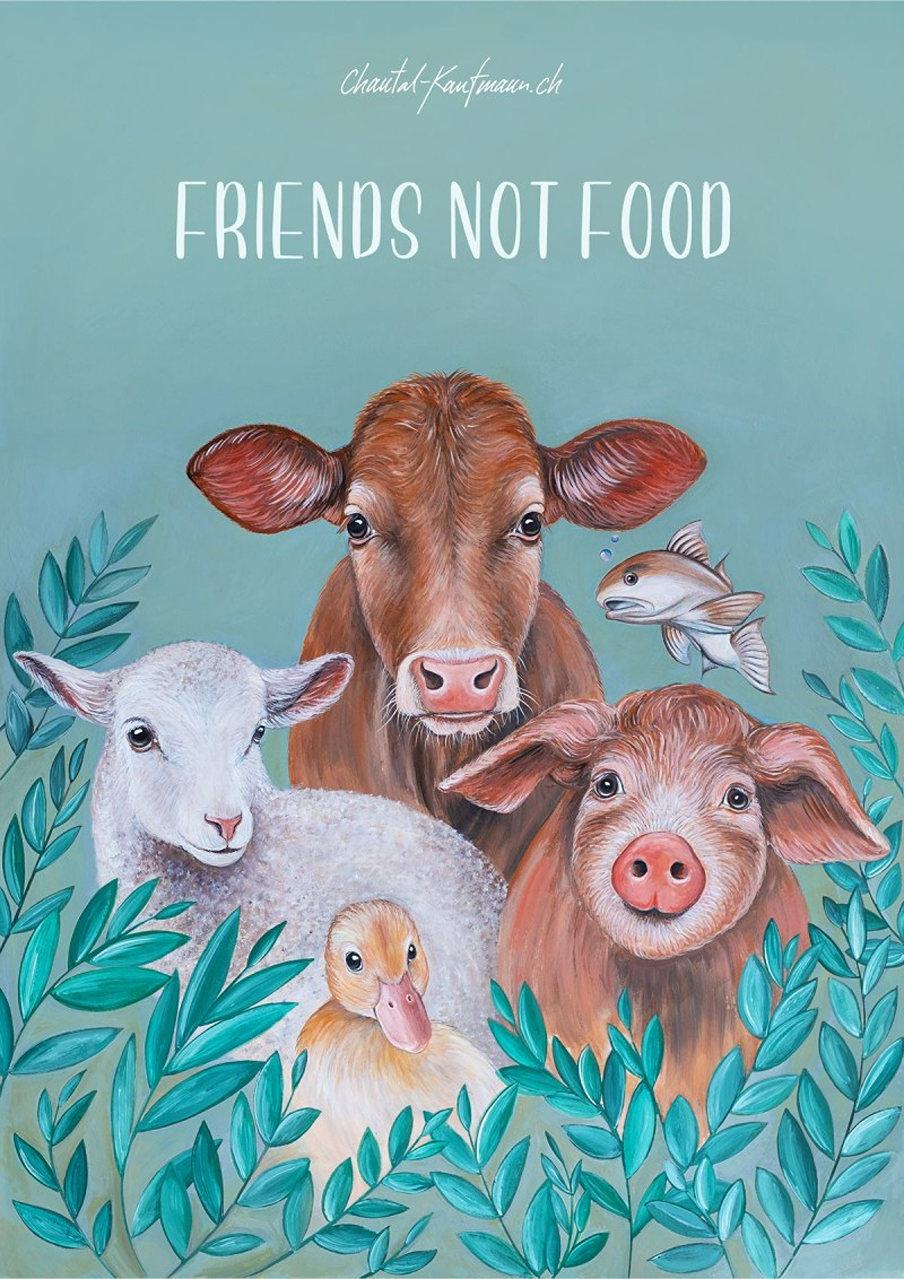
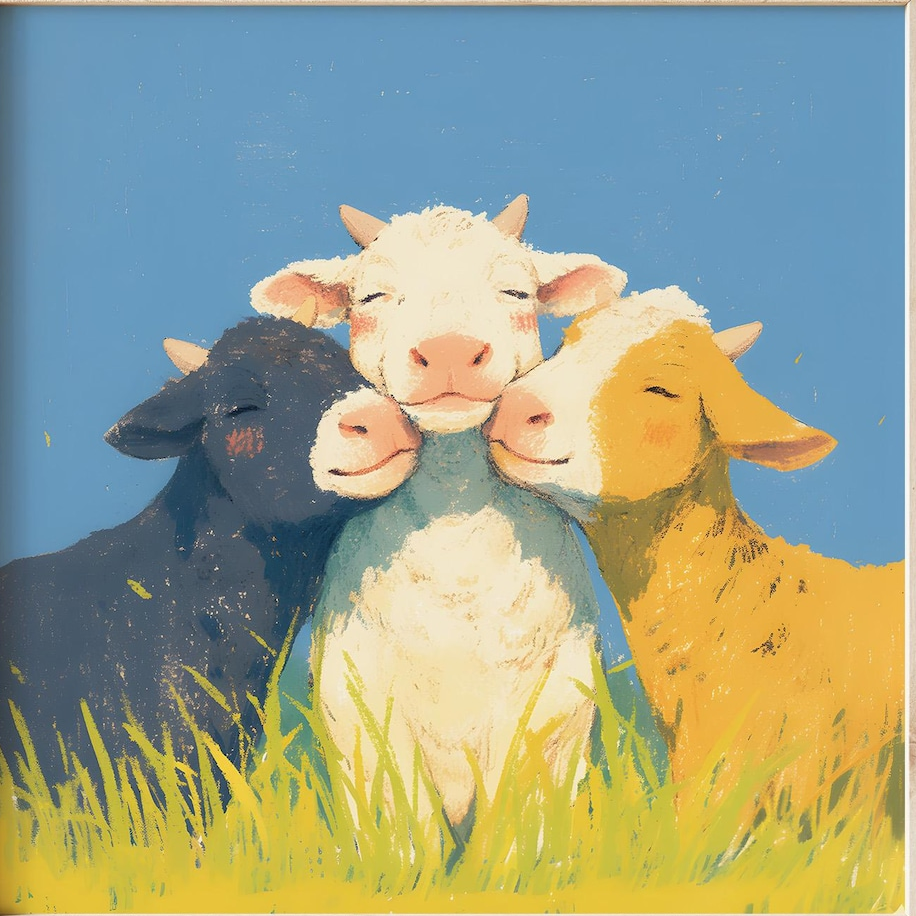
What is clear that the meats are not free-range organic. These are not burgers from ‘happy cows’, that’s for sure.
Unity Diner (a London fast food joint to help animals)

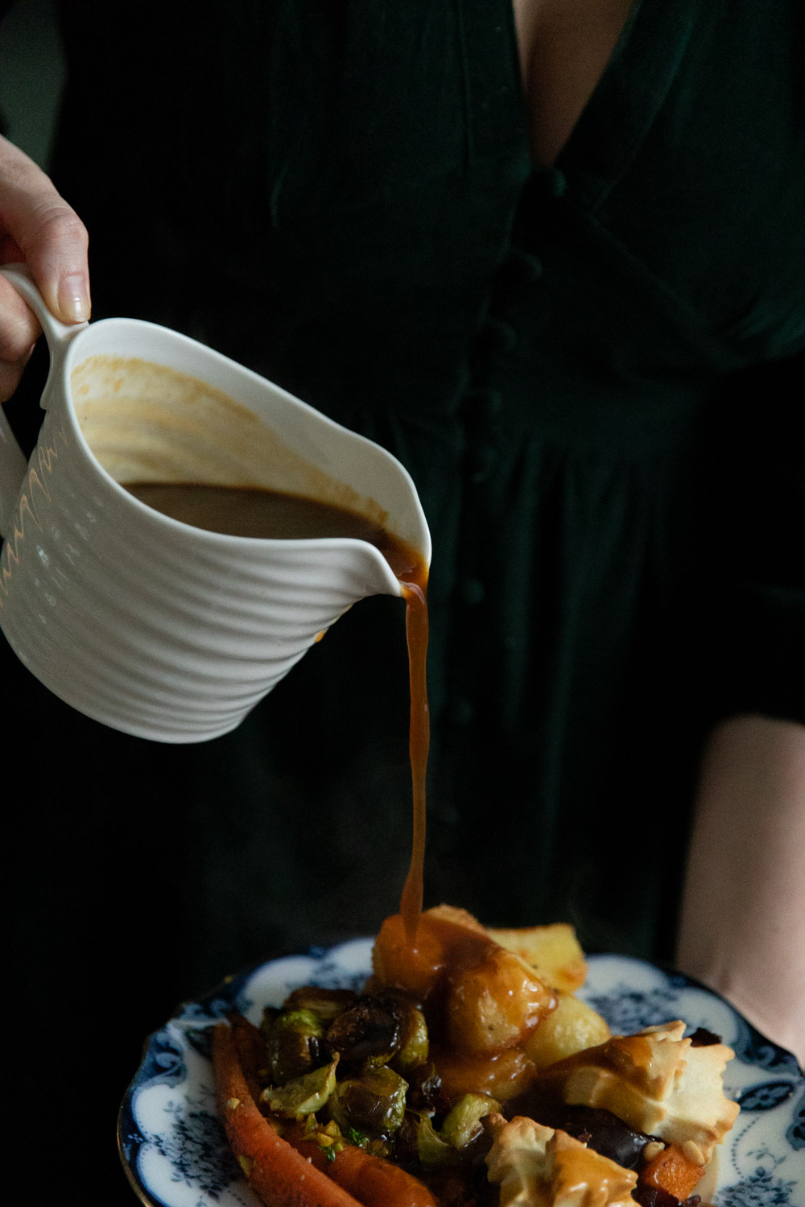
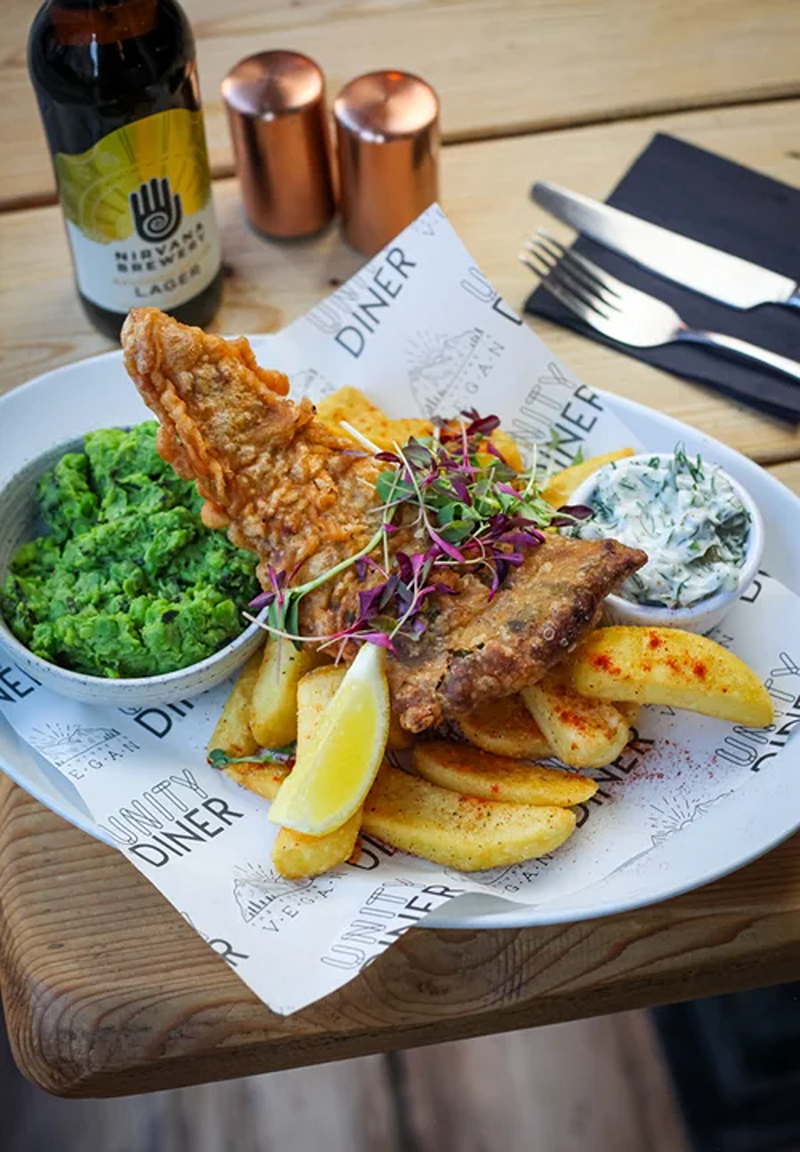
Unity Diner offers a vegan carvery on Sunday (with vegan Yorkshire puddings, maple-glazed veggies, vegan cauliflower cheese and gravy), then fast food in compostable packaging through the week (including burgers and hot dogs, ‘fish and chips’, tempura prawns and vegan kebabs).
Located in Spitalfields, nearest tube stops are Aldgate East and Liverpool East (just a few minutes walk away).
All profits help support its own Surge Sanctuary (to home rescued barnyard friends). You can also help to buy bales of hay by setting the sanctuary as your choice at easyfundraising. Then anytime you buy a product or service from participating retailers, a percentage goes to them, at no cost to you.
This means that whenever you buy a product or service from participating retailers, a percentage goes to the sanctuary, at no cost to you (and does not affect loyalty points).