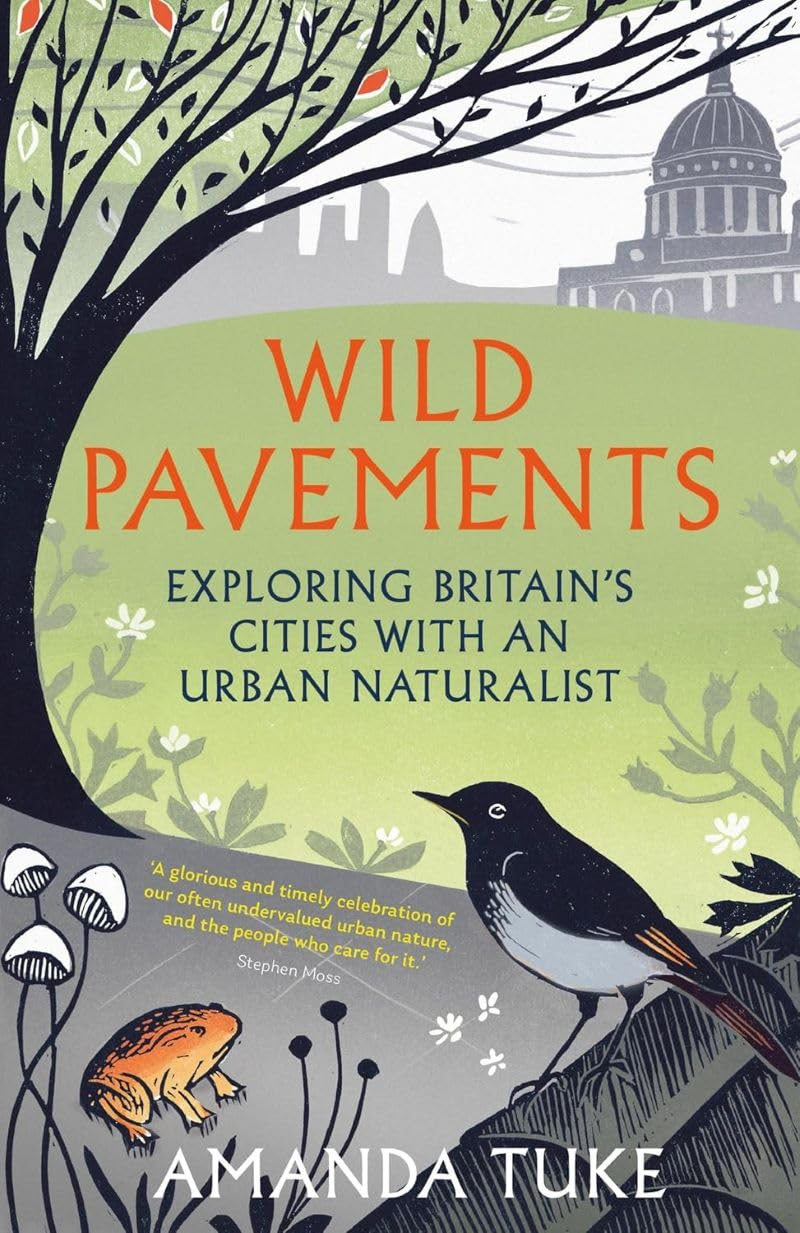
Britain’s Endemic (mostly Scottish) Native Wildlife
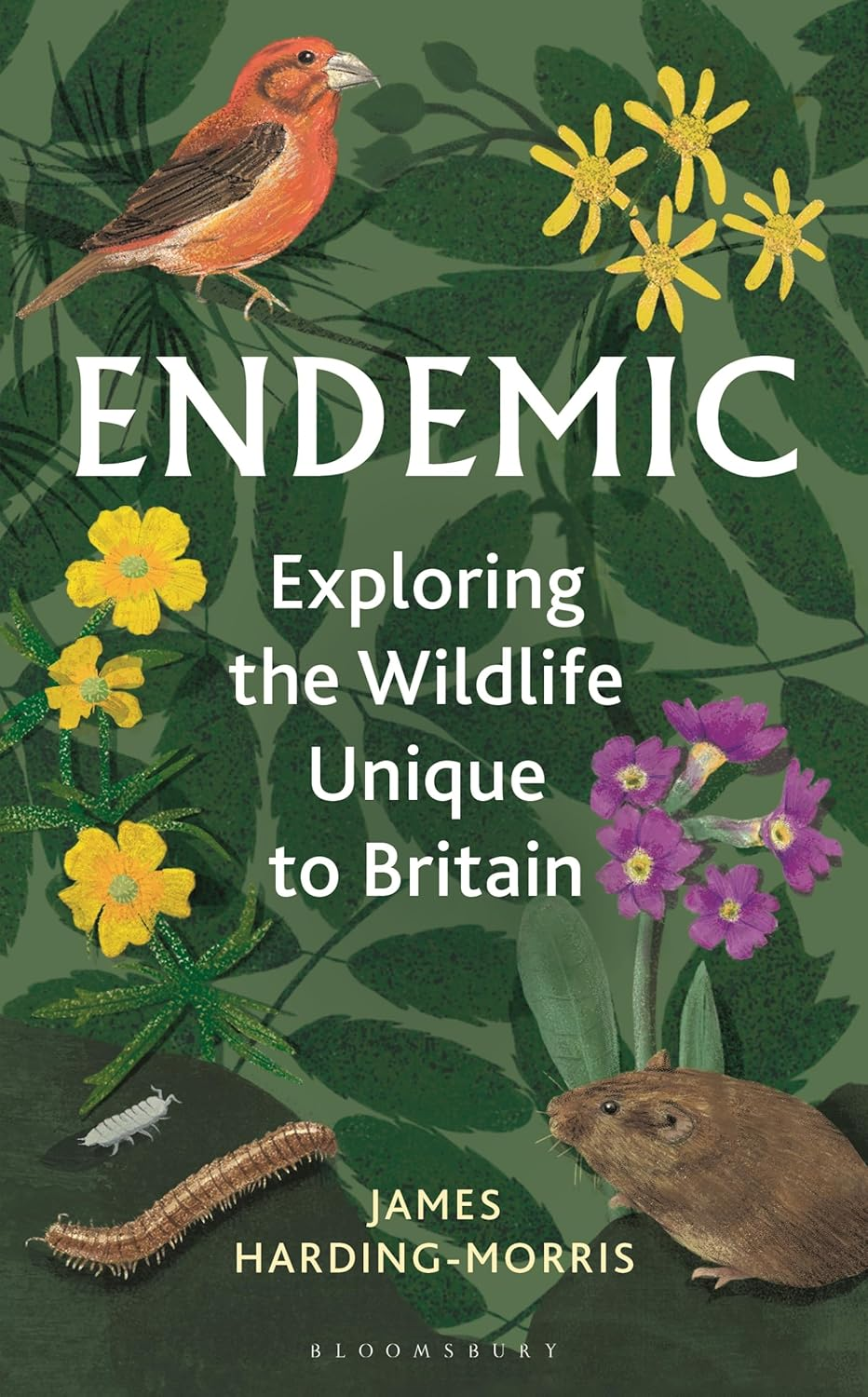
Endemic is a beautiful book that focuses on Britain’s endemic wildlife (of the 70,000 species, quite a few plants, animals and fungi are unique to these islands). Here they get their moment in the spotlight!
The author travels the country to seek out:
- Ground-weaver spiders in Plymouth (at risk of extinction)
- The Orkney vole (only found on these tiny Scottish islands)
- Alien fungi (on the roadsides of Norfolk)
- Ghostly cave shrimps (in Devon’s depths!)
Along the way, he meets experts who are devoted to studying and helping our rare plants and creatures, and sometimes are single-handedly saving them from global extinction. Many are at risk of disappearing forever, because most of us have no idea they even exist.
James Harding-Morris is a passionate nature enthusiast, who treks up mountains in search of flowers, and scours fens for elusive moths.
Concern over political wildlife policies
After discovering that 80% of Reform UK voters are concerned that the party has no wildlife policies (and is planning to return rewilded land to farming), it has hired Ben Goldsmith (half-brother of environmentalist Zak Goldsmith) to flesh out policies, to try to win more votes.
Presently, the party policy is to scrap the Habitats Directive, the Birds Directive and water pollution controls, in order to generate more business income. Removing these laws would lead to more development and intensive agriculture, and likely more sewage pollution, floods and wildfires.
This would place many of our protected areas (wetlands, hedges, chalk streams, ancient woodlands, sand dunes, peatlands) at risk, which in turn would harm birds and native wildlife. Friends of the Earth describes their plans as ‘a scrappage plan to speed up the demise of UK wildlife’.
Britain’s endemics exist because place shapes life over time. After the last Ice Age, rising seas cut Britain off from mainland Europe. That separation changed the story. Some species became isolated. Others adapted to local woods, islands, lochs, or wetlands. Over many generations, those differences grew.
This doesn’t always produce dramatic, lion-sized oddities. In Britain, it often means subtle but real local wildlife, small mammals, birds, insects, and freshwater species with narrow ranges. So the interest is not in scale. It’s in rarity, history, and the tight bond between an animal and its home.
Why islands often create rare wildlife
Islands act a bit like quiet rooms. Once a population is cut off, change can happen on its own terms. Food, weather, predators, and habitat all push in slightly different ways.
Britain is a large island, and it also contains smaller islands within it. That matters. Orkney, remote pinewoods, and isolated lochs all create pockets of separation. Over long periods, those pockets can produce species, or very distinct local forms, that don’t appear elsewhere.
A book to help England’s native wildlife
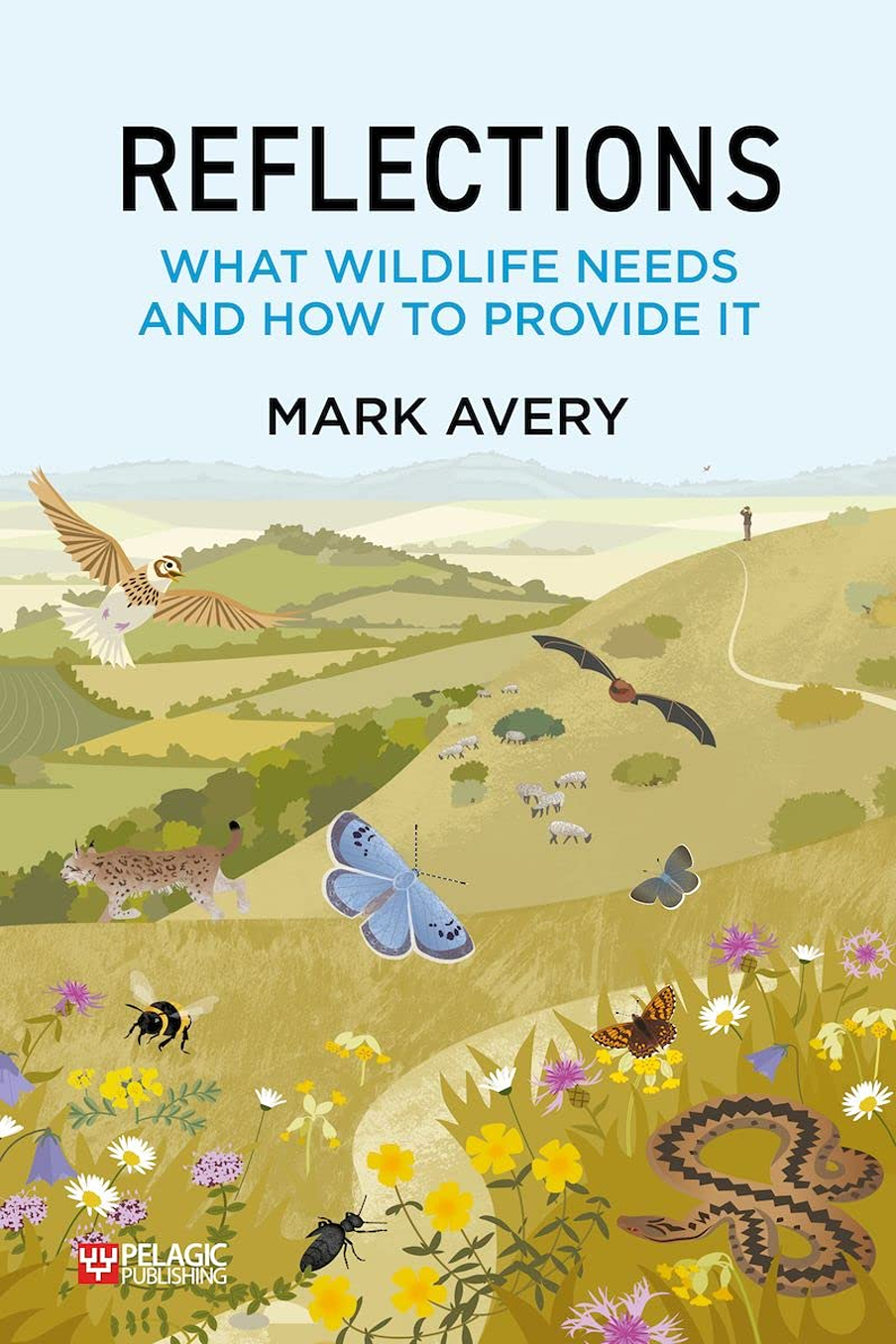
Reflections is a book on what wildlife needs, and how to provide it. Marc Avery reflects on our relationship with wildlife and conservation, from cats that pass through his garden to decline of farmland wildlife and pasqueflowers he visits each spring.
Everything is connected and considered. It’s time to role out conservation on a bigger scale.
A timely brutally honest yet inspiring account on what has gone wrong with wildlife conservation, and how we can put it right. Stephen Moss
If I were ‘king for a day’, Avery would be instantly installed as the benign dictator of conservation. If you love wildlife – read this, think about this, and act upon this. Chris Packham
Mark Avery is a scientist and naturalist who was the conservation director for RSPB for almost 13 years. He is now a trustee of the World Land Trust and lives in rural Northamptonshire.