The Ultimate Guide to Vegan Sustainable Fashion
Nobody’s keen on a ‘preachy vegan’, but fun message tees get the animal-friendly word out, at the same time as helping the planet by offering organic or recycled cotton clothing. To replace items that you would otherwise buy on the high street.
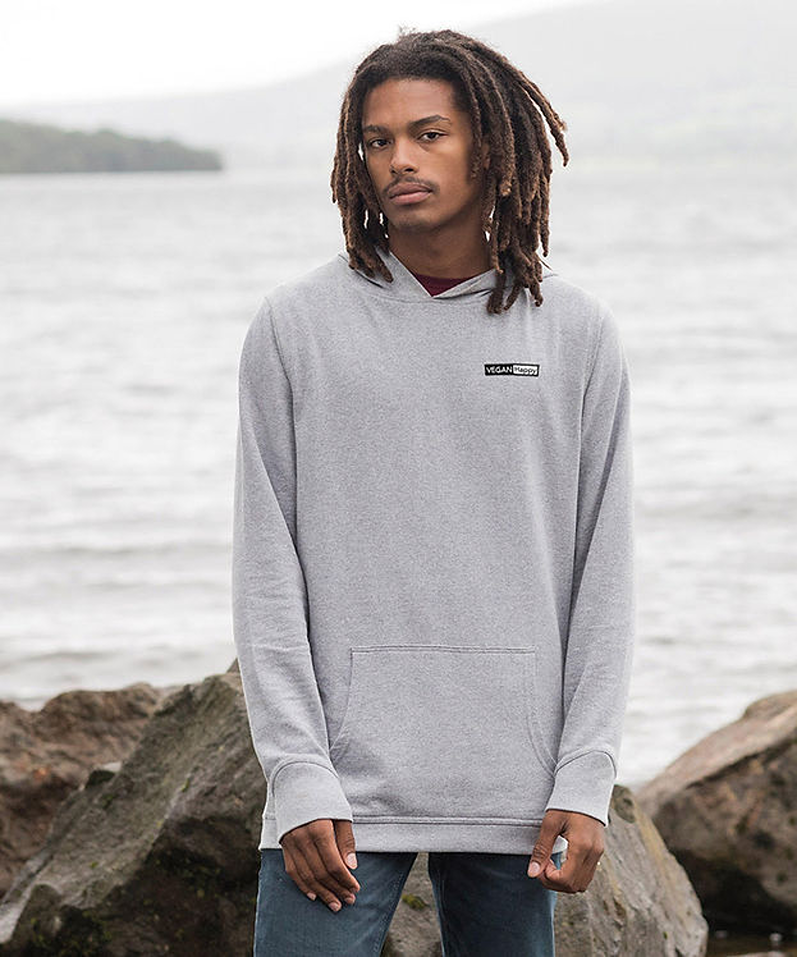
Vegan Happy Clothing is a wonderful fashion brand, founded by a woman who rescues barnyard animals and sells casual clothing items with vegan messages, with profits helping to fund animal welfare. Check out these organic hoodies.
For items with elastane or recycled polyester, launder in a microfibre filter (or buy 100% natural fabrics, far simpler!)
Donate unwanted clothing to small charity shops (not big ones that test on animals). Recycle damaged/stained clothing at textile banks (it’s shredded into insulation and other goods).
Vegan Happy Clothing (profits help animals!)
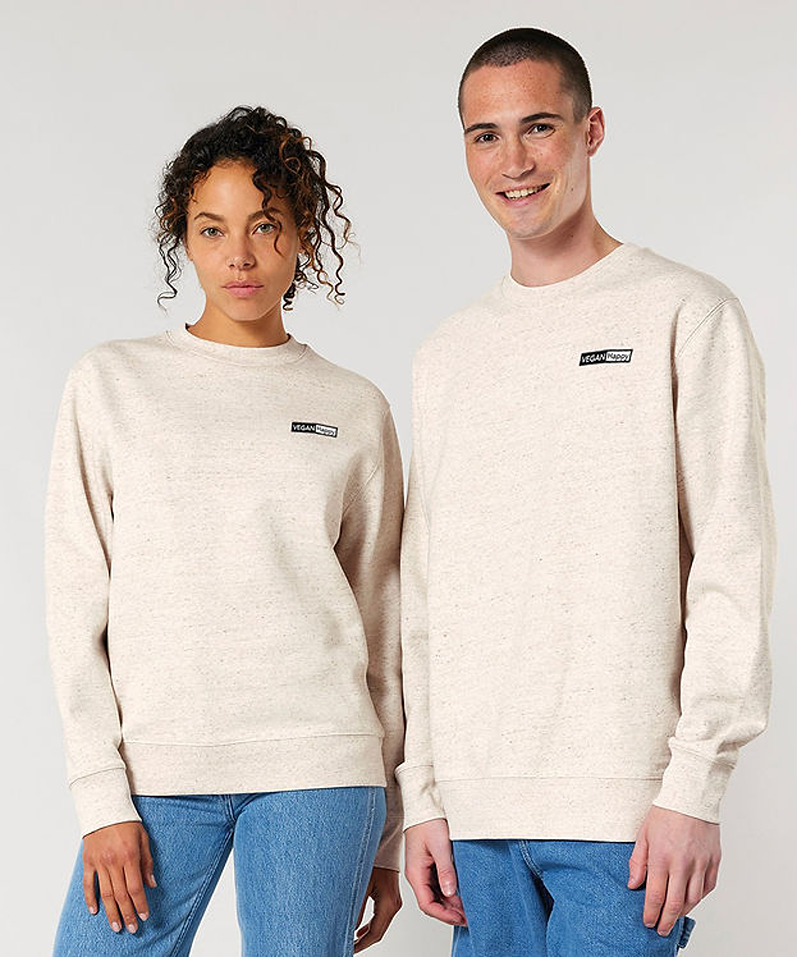
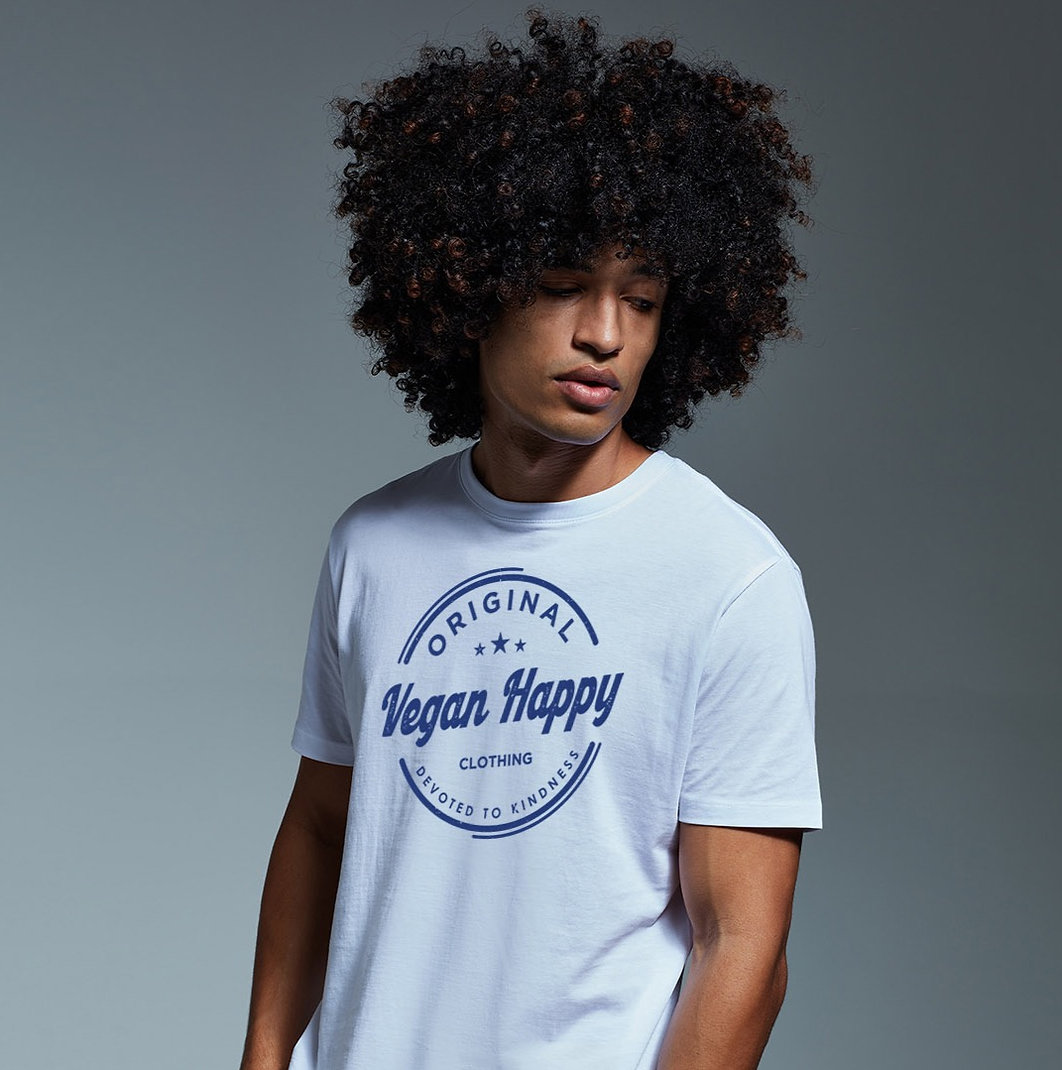
This tee has a vegan happy anthem!
Check out the 100% organic men’s cotton shirts.
As a vegan clothing company, everything is free from wool, silk, leather or fur. The brand uses water-saving natural dyes, and there are petite and plus-size ranges. All reviews are 5-stars, and you get freepost return labels.
Charities supported including those that help pets and barnyard friends, Spanish greyhounds, horses, rabbits and many other creatures, along with a charity that helps dogs that live with homeless people.
Meet the ‘face of Vegan Happy Clothing!’

Soprano singer Annette Wardell (described as the ‘Kylie of Opera’ by Manchester Evening News) is the face of Vegan Happy Clothing. Born in Yorkshire to British/Cypriot parents, she studied at Royal College of Music and performed with Alfie Boe (to over 280 million viewers, when she sang at an FA Cup Final). Follow her on Instagram!
Described by the Daily Telegraph as having ‘one of the most beautiful voices of her generation’, how marvellous that such a glamorous talent is using her own brand to help this one!
Viva! Organic Clothing (profits help animal welfare)
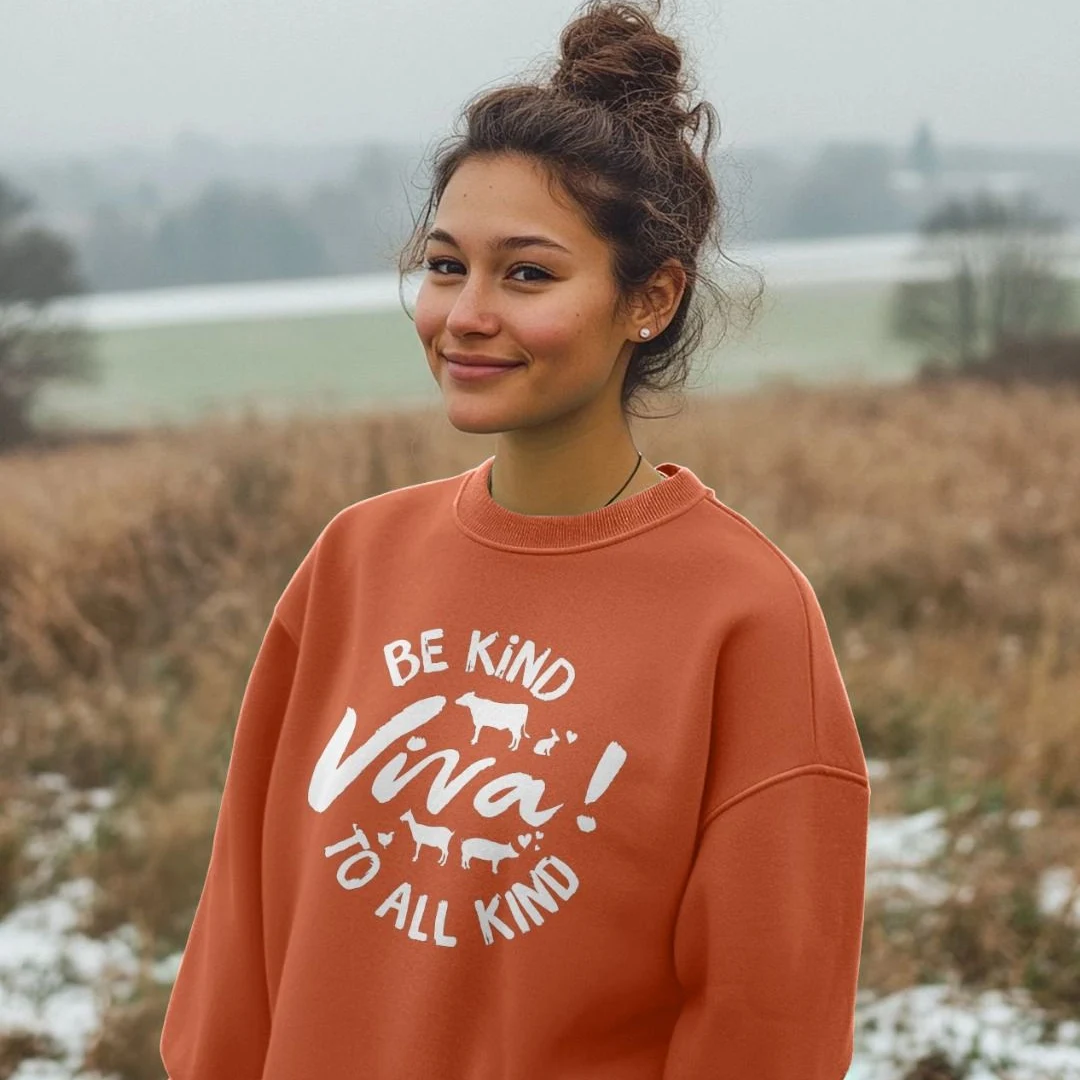
Viva! is a Teemill shop, where everything is made from organic cotton, made with green energy and sent in zero waste packaging. You can even return items at end of life, to be made into new clothing.
And this brand is owned by the charity Viva!, so uses profits to campaign for barnyard friends. Whether that’s nutritional advice, investigative work or rescue (many creatures in awful situations have been rescued by them – often with undercover investigations that led to supermarkets dropping their suppliers).
Vegan as Folk: Fun Message Clothing to Help Animals
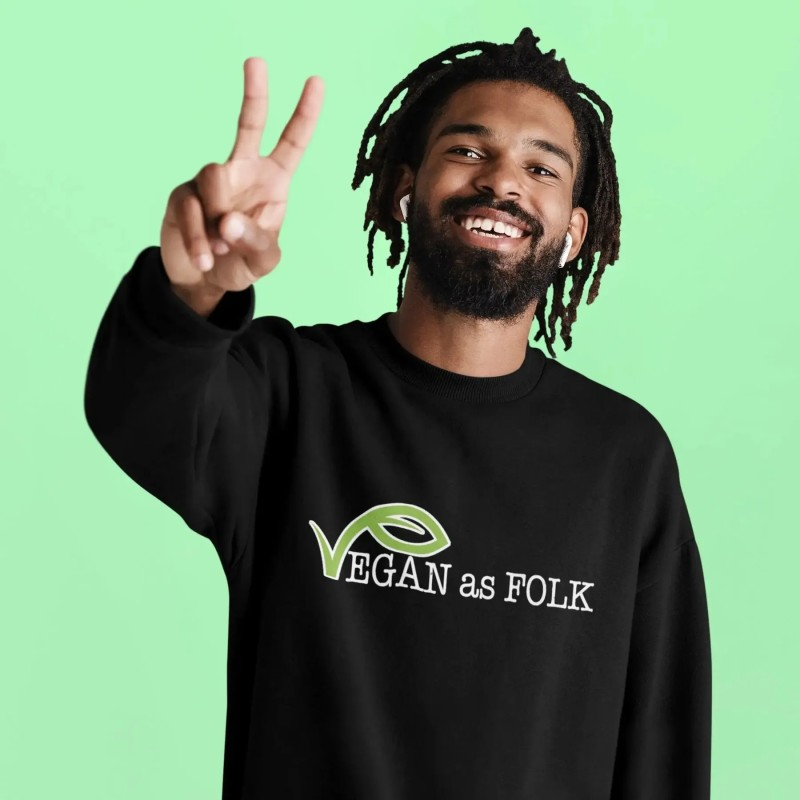
Vegan as Folk is a fun affordable online store, with organic cotton casual clothing and hats for men, women and children. Family run, and all items sent in sustainable packaging. This sweatshirt is 100% organic cotton.
Some vegan clothing companies with graphic images and skulls etc, don’t exactly give the right impression or inspire others. But this company is fun, and uses peaceful positive and colourful messages.
Someone once asked vegan cookbook author Isa Chandra Moskowitz the best way to convince people to try a plant-based lifestyle. She said the answer was on the end of your fork. There is no need to scare people or upset people, to get a positive message across.
Plant-faced clothing (positive messaging accessories)
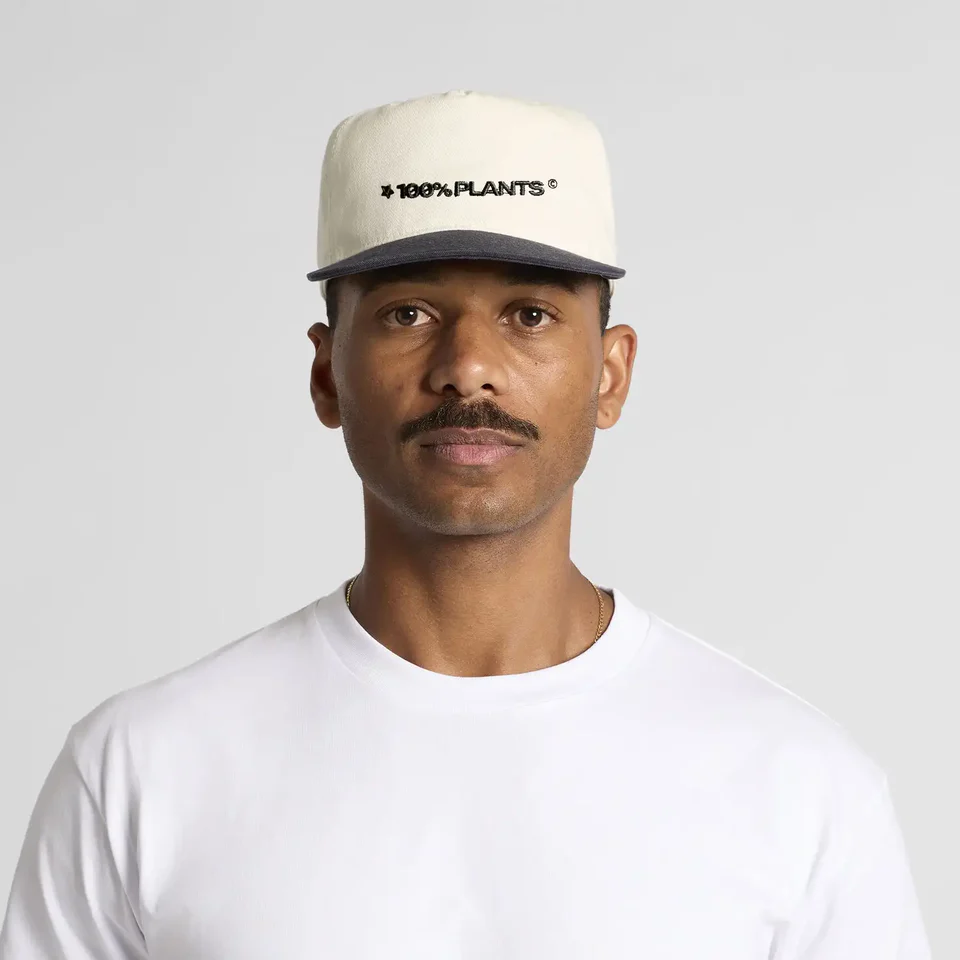
Plant Faced Clothing offers thoughtfully designed organic cotton t-shirts, all made with quality fabrics, and sent in zero-waste packaging. There is an easy ‘organic icon’ to choose only natural materials.
And each tee has a unique message to promote the plant-based lifestyle. And unlike most streetwear, this is all ethically made, by workers in safe conditions being paid a proper wage.
More vegan message clothing brands
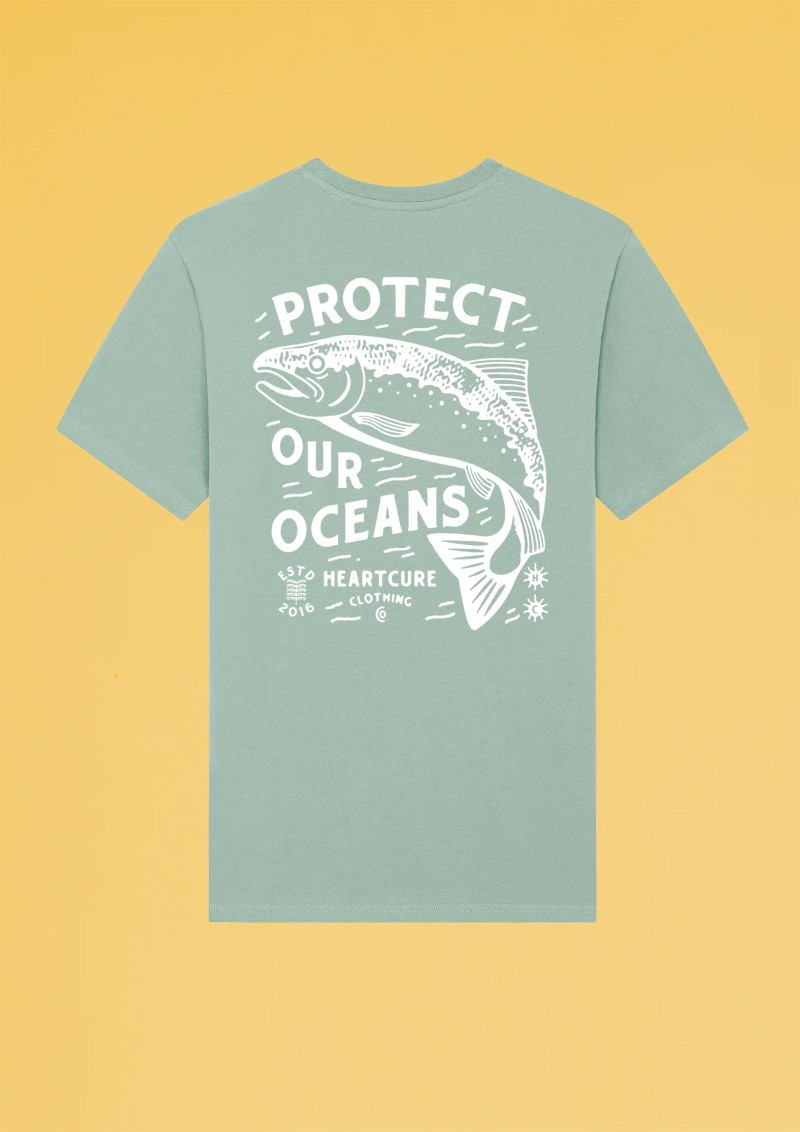
- Heart Cure Clothing spreads the message peacefully with stylish activism clothing. This nonprofit helps animals and offers free (worldwide shipping) for minimum orders.
- Smug Vegan uses Teemill to print organic message clothing, with the founder donating 50% of all profits to causes that help UK animal charities. These have bold prints and designs and are quite unique – there is even a Dolly Parton range!
- Viva La Vegan
- Say it Vegan
A Guide to Vegan Fashion (what to avoid)
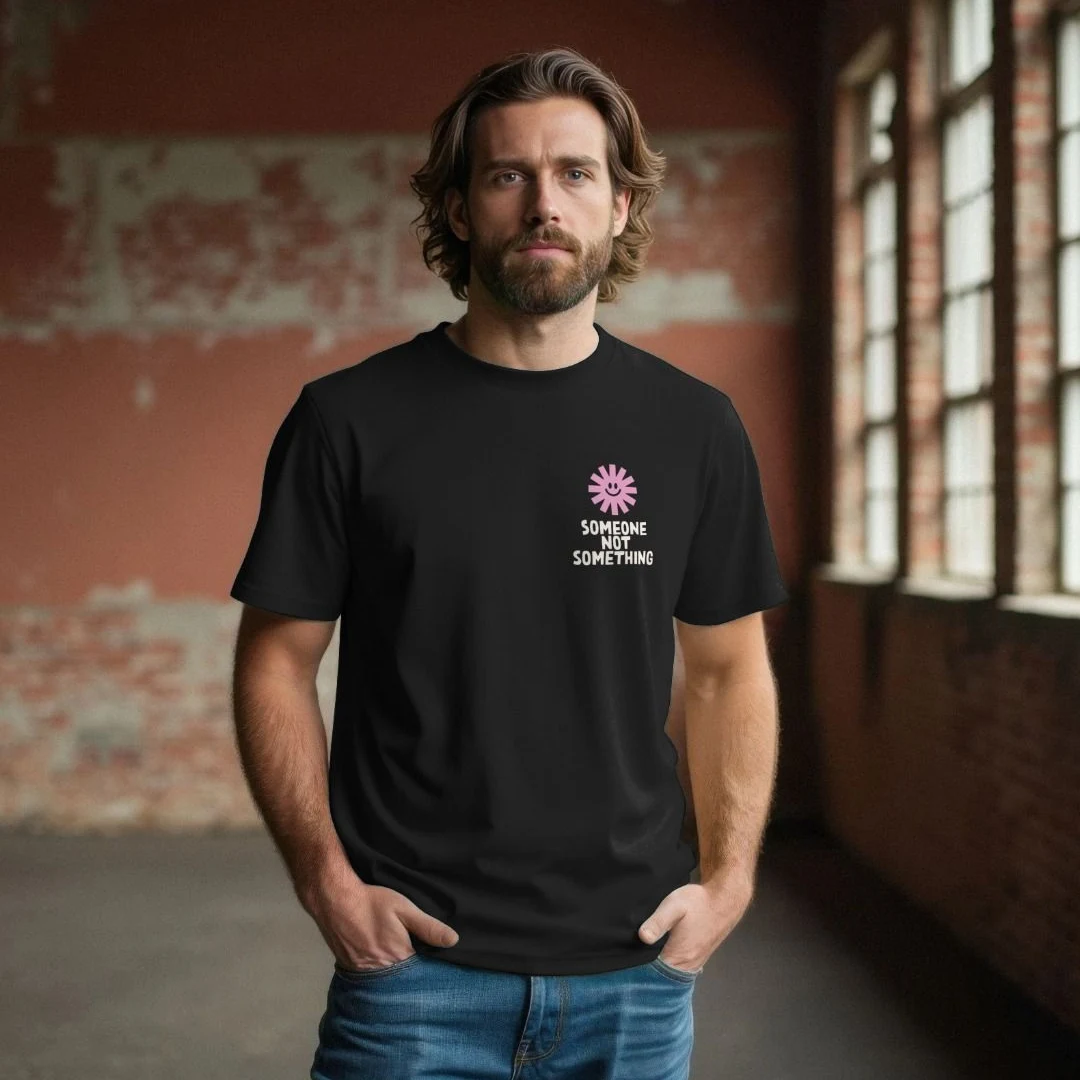
We all hear about vegan fashion. But what does that mean exactly? Apart from avoiding leather and fur. And why would people not wear wool or silk?
Organic cotton, hemp and linen are the best natural fabric choices. They are good for the earth and wildlife, and also for us as they last longer (as fibres are not damaged by chemicals).
However, vegan clothing also avoids:
- Fur (horrific cruelty, production is banned in the UK)
- Leather (often produced in countries with few animal welfare laws, and the tanning process is also cancerous – it’s not usually a by-product of the meat industry)
- Sheepskin & shearling (the latter is from the skins of lambs)
- Shahtoosh (banned) is from a Tibetan antelope. Pashmina is from a Tibetan mountain goat.
- Feathers or down (choose vegan bedding – most ‘eider down’ is from factory-farmed ducks or real eider down is only collected from fallen feathers in Iceland in tiny numbers)
- Animal-based jewellery (no bones, feathers, pearls, oysters, leather)
ReadVegan Style to learn about alternatives to conventional fabrics, and how to create a sustainable capsule wardrobe. It recommends watching the film Slay, from a former fur-wearing fashionista who now campaigns for animal welfare.
Why Vegans Don’t Wear Wool (learn the reasons why)
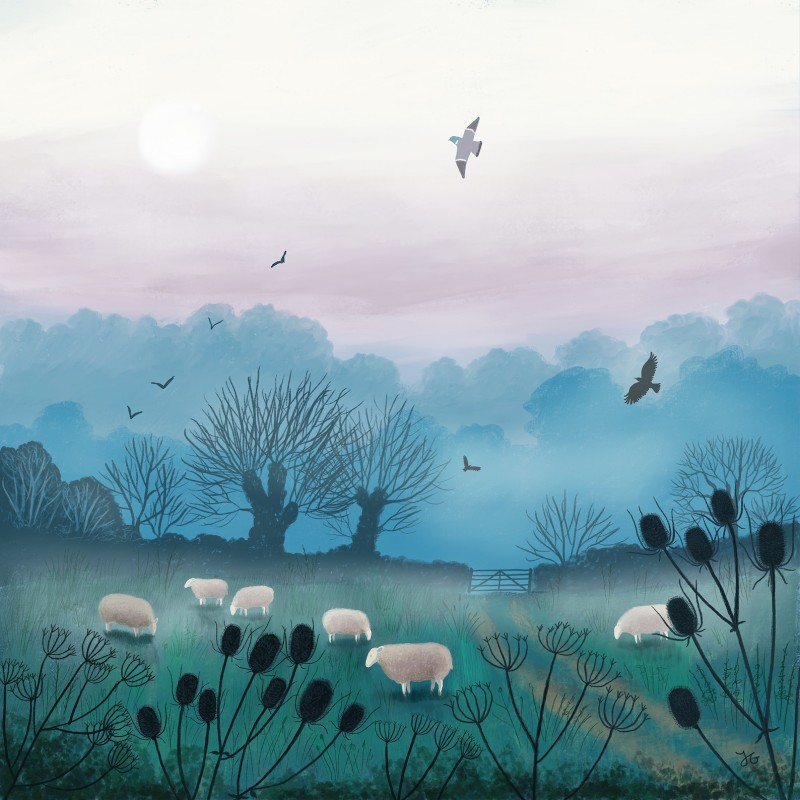
Although most sheep need shearing to avoid over-heating (and be able to see predators), the conventional wool industry has many issues.
Some sheep are sheared too early (leading to hypothermia) and others suffer ‘mulesling’ (having chunks of skin sliced away to prevent flystrike, without painkillers). And many sheep are killed, when they get older and their wool production slows down). You can even now buy vegan winter woollies (thick organic cotton jumpers, as warm as wool).
If you wear wool, choose companies that don’t kill the sheep, simply shearing the wool: like vegetarian wool or sheepskins.
How to upright an overturned sheep
If you see a sheep on its back (due to pregnancy or rain-soaked wool), grab a handful of wool on the sheep’s side and gently roll it away from you (to right it back up (simple video). Then stay with it, until the sheep recovers and rain has drained off the wool.
Sheep stomachs will ferment grass even when upside down, and this puts pressure on the lungs and heart, so they will die if nobody helps them get back upright.
Why Vegans Don’t Wear Silk (learn the reasons why)
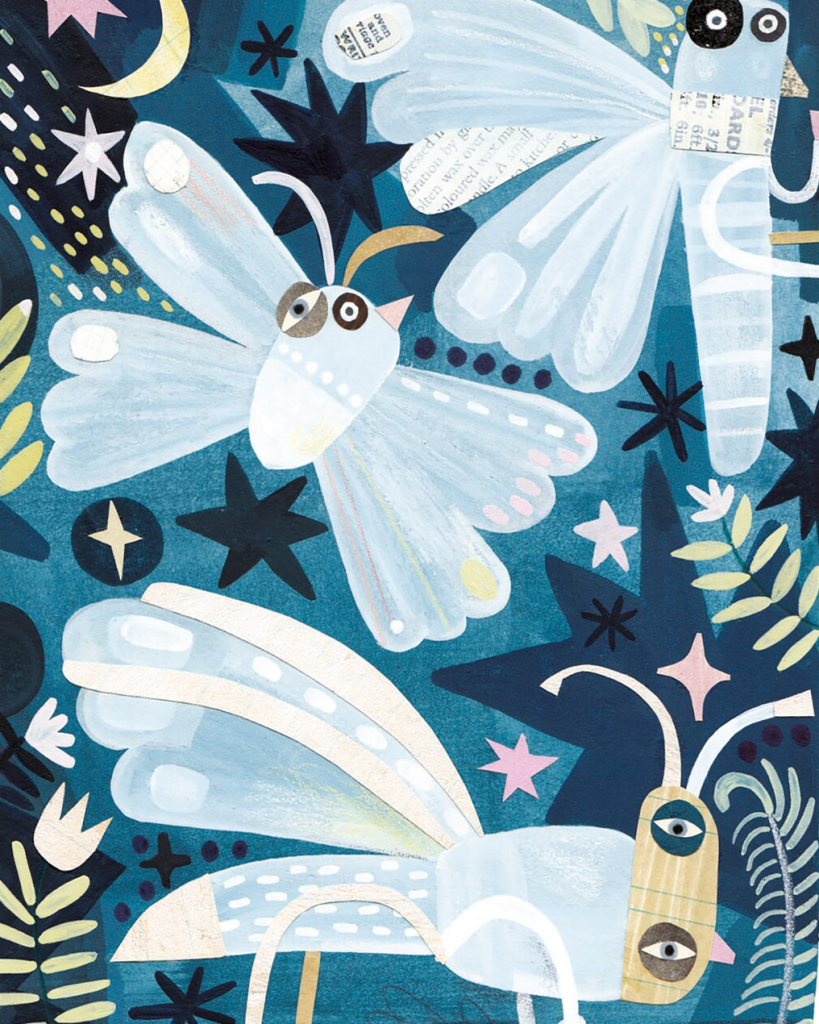
Silk may be a popular fabric for clothing and wedding dresses, but vegans never wear silk. The truth is that right now, there are few suitable alternatives, so it’s best to just use organic cotton:
- Cupro is made from cotton waste (and looks and feels like silk) but it’s mixed with synthetic fabrics.
- Tencel is from flammable eucalyptus trees (and new plantations have been banned in Spain and Portugal, due to concern over monocultures causing wildfires).
Silkworms are not actually worms, they are the larvae of the silk moth. Living on mulberry leaves, they spin silk from their saliva which hardens into liquid protein, when it comes into contact with air).
They can’t fly. Those used for industry have been genetically altered to not be able to survive in the wild, without human care. Wild silkworms can survive in forests, feeding on trees.
Why do vegans avoid silk?
Silk production kills around 420 billion to over 1 trillion silkworms each year, either boiled or gassed alive in their cocoons, to prevent breaking the silk element. It takes around 5,500 silkworms to produce just 1 kg of silk.
There are also human welfare laws, most silk is made in the far east, where staff receive poor pay and little protection from pesticide use (used to grow mulberry trees). Billions of silkworms also die due to pesticides, before the harvest. Male moths are often kept frozen (in order to mate multiple times), while female moths are sometimes crushed for disease testing, after laying eggs.
So-called ‘peace silk’ is not much better. Although the pupa is not boiled, many moths die shortly after emerging, due to being so domesticated they can’t fly (nor have mouths to eat, so live only a few days to mate, before dying).
Investigations by Beauty Without Cruelty in India, found that many ‘ahimsa silk moths’ were crushed after laying eggs, and males were refrigerated and reused, until they die or are discarded. And surplus larvae also starve to death.