Where to Find Help for Gambling Addiction

Gambling can seem like harmless fun at first, but for many, it becomes a serious issue that affects every part of life. Whether you’re betting on horses or rolling dice in a casino, gambling addiction can drain your bank account and strain your relationships.
Lying, secrecy, shirking responsibilities are big red flags. Are you finding excuses to cover up a trip to the casino? Neglecting family dinners or missing deadlines at work?
- GambleAware is the main site to help with addiction to gambling, and has a freephone phone number (or live chat) for help.
- It recommends software to block gambling sites like GamBan or GamBlock (the modern equivalent of asking the bookie not to serve you, if your willpower slips).
- The site also has information on self-exclusion (where with one phone call, you can nominate places not to serve you in the surrounding areas (betting shops, online bingo, arcades & casinos).
- Gamblers Anonymous offers help for the addiction often only known by ‘the banker and the bookie’.
Campaigners want a ban to all gambling ads on TV (even if they do add a caveat to ‘be sensible’). It helps also to use free ad-blocking software online.
Coalition Against Gambling Ads wants a complete ban on ads. Of course this won’t happen, as TV companies and the Internet make too much money from them.
So it’s up to us as empowered adults to make the decision to not watch or take any notice of them. Especially when they try to entice with ‘free bets’ to get people to start gambling, who otherwise may never have been tempted.
Any time you offer a big prize for a small amount of money, you encourage stupid behaviour, on behalf of those you’re appealing to. Warren Buffet
Gambling is a tax on ignorance. People often gamble because they think they can win, they’re lucky, they have hunches. That sort of thing. Whereas in fact, they’re going to be remorselessly ground down over time. Edward Thorp
It may help to look up welfare issues for greyhounds and racehorses, rather than just think of gambling in monetary terms.
The Lottery is Another Form of Gambling
Playing the lottery is also a form of gambling (a silly one at that). You’re more likely to get killed by lightning on the way to buying your ticket, than to win it. Quakers refuse lottery funding, saying it takes advantage of desperate people. And order for someone to win, another person has to loses.
Bingo may seem like a bit of harmless fun at the pub, and it probably is. But many people today have spent hundreds of thousands of pounds on online Bingo.
This is not like the old ‘2 fat ladies, 88’ kind of Bingo that your grandma likely played at the community club to win a bottle of plonk. But more big companies advertising on TV, so vulnerable people ending up spending money they don’t have, to try to get themselves out of financially desperate situations.
London’s Notting Hill (not just a big blue door)
The London area of Notting Hill is linked to the Ladbroke gambling family. It is of course known for the blue door, featured in the film of the same name, with Hugh Grant and Julia Roberts. The door still attracts thousands of film buffs each year, in the area known for Portobello Market, which also featured in the stories of Paddington Bear.
The sad truth is that the next door to the ‘door’ is now a Starbucks coffee chop.
There is a little bookshop nearby, but not the one featured in the film, that was filmed elsewhere.
It’s sad that the money in Notting Hill was built from gambling and horse-racing. Today we know better. Much of the land back in the day was owned by the Ladbroke family, and that’s why you’ll find that many roads are named after them. There was even a local racecourse, though that shut down in the 1800s.
Today the area is terribly expensive. You can buy a garage for the price of a normal house. But a quick look online found the cheapest studio flat was around £250K. A luxury six-bedroom house is listed at over £17 million?
Also known for its street carnival, Notting Hill is also known for its colourful buildings, and walkable streets. But as one local says, the clue’s in the name if you’re not that fit – it is of course built on a hill!
Avoid Playing Lotteries (or at least support tiny ones!)
Nearly all lotteries are a scam, as you will hardly ever win (you have more chance of getting killed by lightning on the way to buy your lottery ticket, than you are of winning it!) From scratch cards to complicated odds, the odds of hitting the jackpot is usually 1 in several hundred million.
Lottery Wins Don’t Solve Problems
Lottery wins also don’t solve debt problems? Nearly everyone who wins the lottery loses the money soon after, as it’s more a mindset (receive money, spend it). There is also a suspicion that lotteries are just a lazy way for MPs not to tackle society problems.
For instance, a £4 million jackpot could be divided, for 80 winners each week to pay off the average £50K debt. But then there would be no need for credit cards or mortgages. Food for thought?
Many people of faith refuse to play the lottery. Quakers say that in order to win, someone else (often desperate) has to lose. They refused Lottery funds, as they don’t agree with gambling.
Lottery: a tax on people who are bad at maths. Ambrose Bierce
The universe will throw somebody a bone every now and then, and you win the lottery. But for the most part, you get in this life what you put in. Arian Foster
I despise the lottery. There’s less chance of you becoming a millionaire, than there is of getting hit on the head by a passing asteroid. Brian May (Queen guitarist, badger friend and qualified astrophysicist).
You can still help good causes, just donating to small local charities. You also don’t have to put a big red plastic nose on your face, to help good causes.
The Power of Compound Interest in Savings
Instead, just save the money for a rainy day. You’ll be less stressed and safer too (some people are murdered for their money).
- Save £100 monthly at age 20: By age 60, you could have around £250,000 assuming a 5% interest rate.
- Save £100 monthly at age 30: By age 60, you’d have about £140,000.
To truly appreciate the impact of choosing savings over lotteries, consider these real-life examples of individuals who saved money, instead of playing the lottery:
- Emily: Emily saved £50 every month instead of buying lottery tickets. Over ten years, she built up £6,000. This allowed her to buy a car and take a holiday, enhancing her quality of life.
- James: James spent £5 weekly on lottery tickets for five years. He won small prizes occasionally but ultimately lost more than £1,250 in total. Frustrated, he switched to savings and now contributes to his retirement fund.
- Sophie: Sophie decided to invest her £2 daily lottery money into a savings account instead. In five years, she accrued approximately £4,000, which she used towards her education.
A Caveat (Lottos to Help Animals)
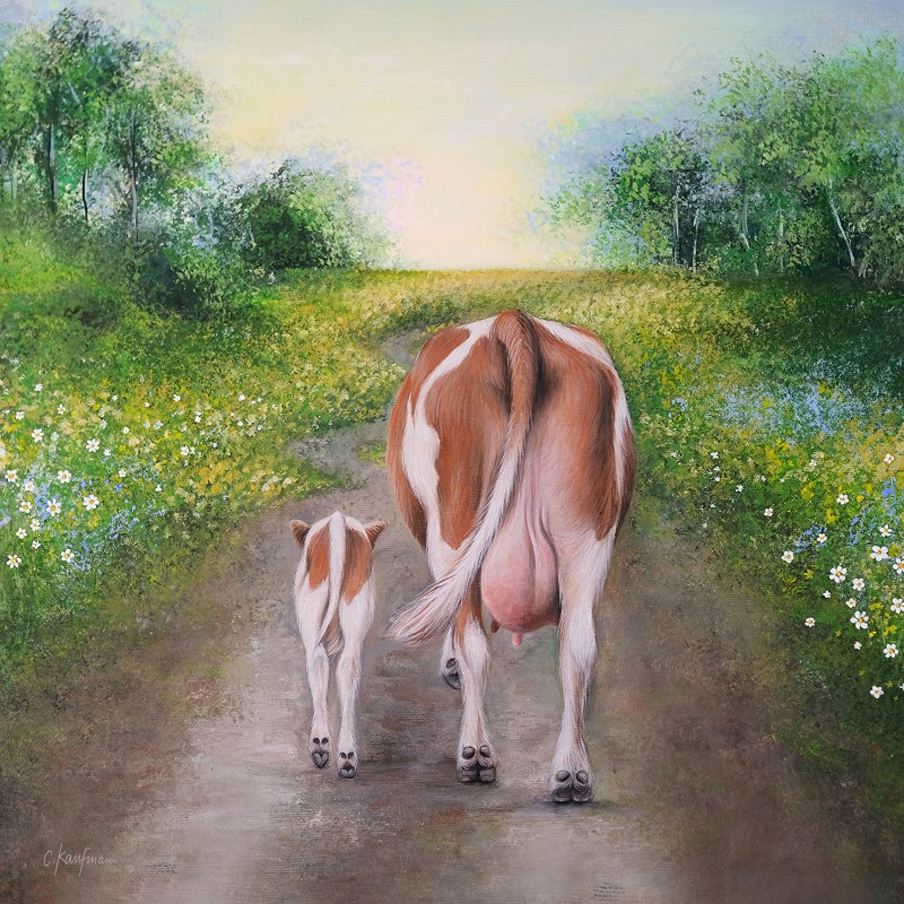
If you do play lotteries, then at least play smaller ones that do real good. Compassion Lottery is run by Compassion in World Farming, which again costs £1 per entry. Match 3 or more numbers to win a cash prize up to £10,000 for six numbers. Winnings automatically go into your bank account, no need to claim.
Veggie Lotto is a small lottery (akin to Bingo or tombola), but still has prizes up to £25K (but cost just £1 a week with 7 guaranteed winners).
50% of all sales go to Vegetarian Society (that is mostly vegan these days) (National Lottery only gives 25% to good causes). One recent recipient was a tiny sheep sanctuary that relies on volunteers.