Whitstable, Kent (England’s least-cloned seaside town!)
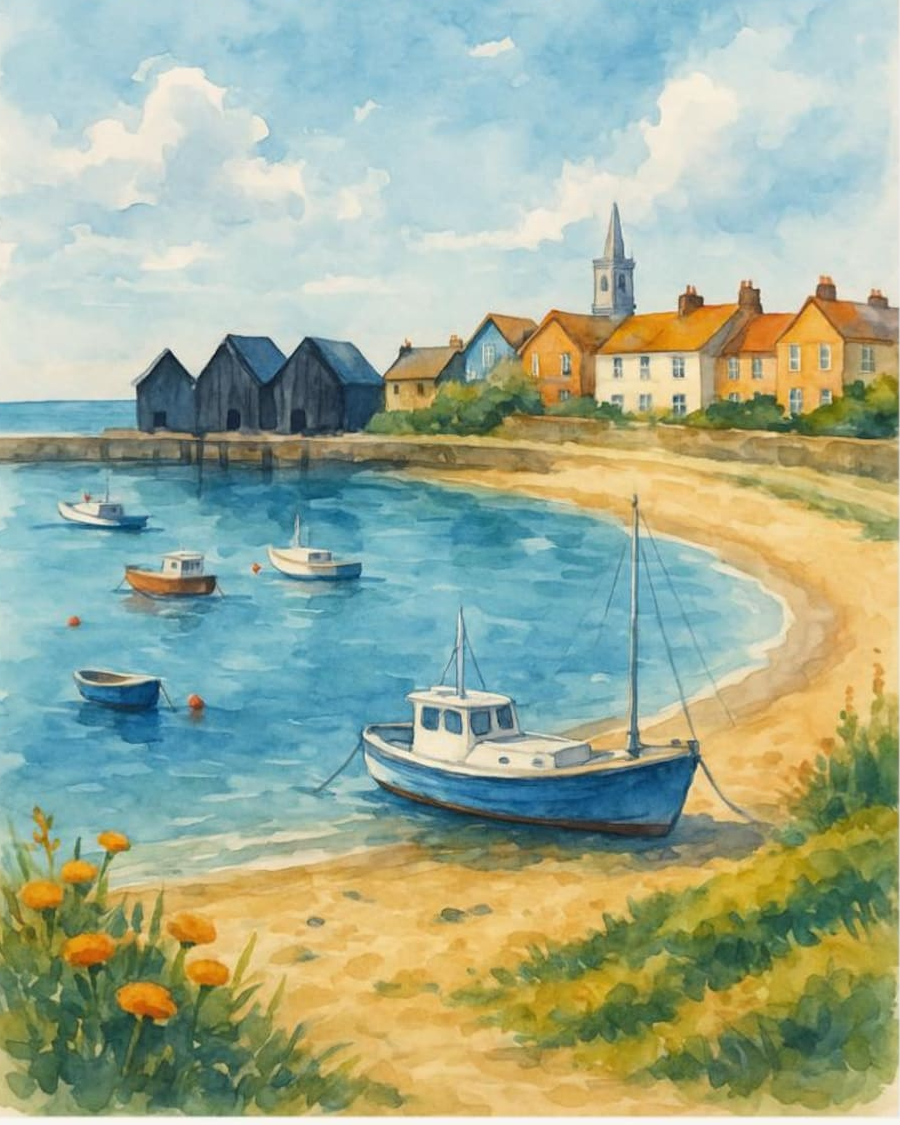
Whitstable sits on the north Kent coast, close enough to London for an easy escape, yet far enough to slow your pace. It’s a seaside town with a lived-in feel, where the everyday still shows through, and where the high street hasn’t been flattened into the same set of familiar chains.
This matters because Whitstable often gets described as one of England’s least-cloned towns. That phrase can sound niche, so this piece keeps it simple, and then moves through the places and details that make Whitstable feel like itself. Expect beaches, beach huts, quirky streets, bakeries, pubs, and a sense of community.
If out walking, follow the Countryside Code to keep all creatures safe. Keep dogs on leads near steep banks (and away from toxic spring bulbs).
If at the coast, read how to keep dogs safe by the seaside (check for beach bans, before travel).
The “least-cloned” label (what’s that?)
A “clone town” is a place where the centre looks like lots of other places, mostly because chain shops dominate, and independents get priced out. The idea comes up in retail studies and town surveys, and it’s become a handy shorthand. Least-cloned towns have more indie shops, local cafés, and one-off businesses.
Whitstable fits that feel. You can walk along the main streets and keep noticing names you don’t see elsewhere, signs that look hand-painted, and shop windows that change with the season.
A day-trip distance from London
Whitstable works well as a London day trip, because it’s straightforward to reach, and you don’t need a car once you arrive. That closeness shapes the town, but it doesn’t swallow it. People come for the sea air and food, then the town carries on, because it’s not only built for visitors.
After you step off the train, the pace drops quickly. Streets feel calmer, and the light looks different near the water, even on overcast days.
A town centre that still feels like home
Some seaside places push everything to a single strip, then fade out behind it. Whitstable spreads its life out in a more natural way. Shops, cafés, pubs, and everyday errands sit close together, so the centre stays useful, not just pretty.
Because of that mix, it doesn’t feel like a weekend stage set. You’ll see locals doing local things, and that normality makes the charm feel earned.
Independent shops (selling different things!)

Whitstable’s independents aren’t just one type of “nice”. You’ll find practical places, small gifts, homewares, books, and food, plus odd little corners that are hard to label. That variety is part of the least-cloned point, because it’s harder for towns to keep when rents rise.
A walkable layout (good for wandering)
Whitstable is properly walkable. You can go from station to high street to beach without planning a route, and without feeling you’ve missed the “right” turn. That helps the town feel relaxed, because you’re not constantly checking a map.
Meanwhile, the side streets pull you off the main line in a gentle way. A turn here, a shortcut there, and you end up somewhere quieter, with the sea not far off.
Quirky streets with small details
There’s a casual charm to Whitstable’s streets, especially where older buildings sit next to newer fronts. You notice little changes in brickwork, doors painted in bold colours, and windows filled with things people clearly care about. The town rewards slow walking.
Also, the place doesn’t look “polished” in a uniform way. It looks lived-in, and that’s the point.
The pretty beach (in a low-key, shingly way!)
Whitstable’s beach won’t give you wide dunes or endless sand flats. Instead, it’s a shingle beach with a calm, honest look, and a strong sense of weather. On bright days it’s crisp and open, and on grey days it turns silvery and spare.
Because the shoreline sits so close to the town, you can dip in and out. A short walk gets you sea air, then you’re back among shops and cafés.
Pretty beach huts that add colour
Beach huts in Whitstable do what beach huts should do. They sit quietly along the edge, adding colour and a bit of personality, without demanding attention. They make the seafront feel human, like it belongs to people, not just postcards.
In addition, they signal something about the town’s habits. This is a place where locals spend time outside, even when the weather isn’t perfect.
The harbour feel (working edges included)
Whitstable’s harbour area is part of its identity, and it keeps a practical edge. You get the sense that the sea isn’t just scenery, it’s part of the town’s shape and history. Boats, gear, and salty air do a lot of quiet work in the background.
Bakeries (fresh bread for unhurried mornings)
A good bakery changes the tone of a town. Whitstable has that comfort, the smell of warm bread, the quiet queue, the small decision between one pastry or another. It makes mornings feel slower, even if you’ve arrived on an early train. After that, walking to the sea with a bag in hand feels like the right kind of simple.
Pubs that feel local (because they are!)
Whitstable’s pubs tend to feel like they belong where they are. You notice regulars, conversation that isn’t put on, and menus that don’t read like a standard template. A good pub lunch here can be straightforward, and that’s enough.
No vertical drinking here (loud music to make you sup and buy more), just the murmur of chatter sipping real ale on seats.
A seafront that invites walking, not just sitting
Some promenades feel like corridors, designed to move you past the same few sights. Whitstable’s seafront feels more open, and it encourages long, aimless walking. You can stop to look at the water, then keep going, without feeling like you’ve reached an “end”.