
Zero Waste Chichester (creeks, mudflats and saltmarshes)
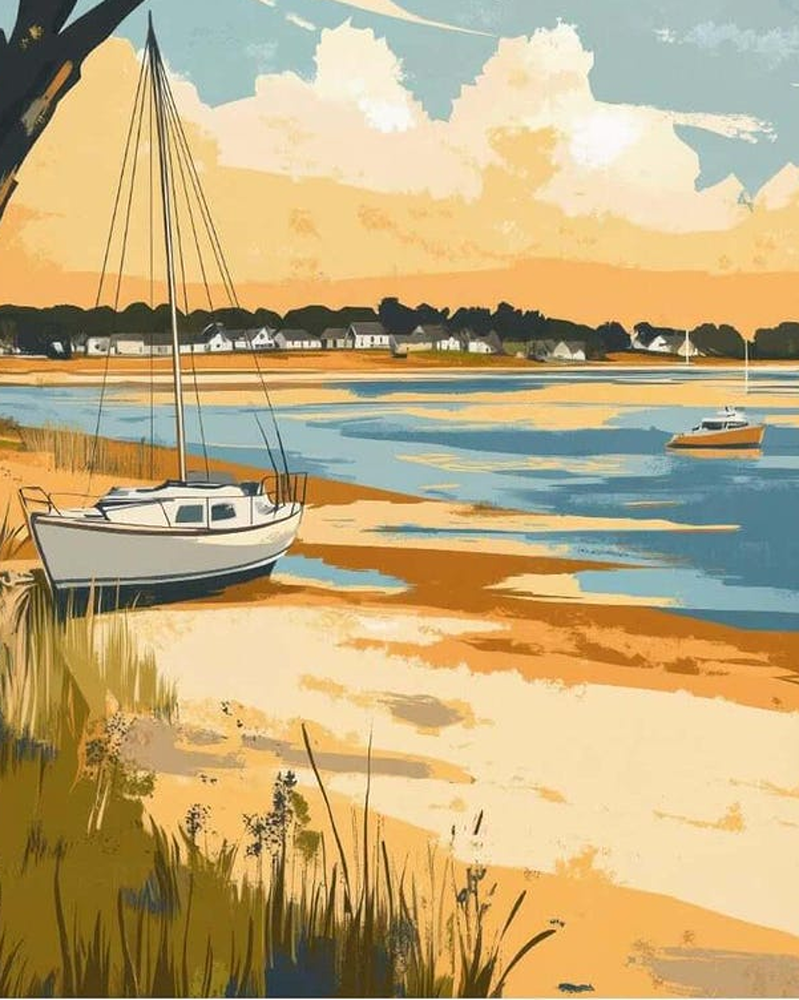
Chichester sits between the South Downs and the coast, surrounded by a rich mix of landscapes. The district includes chalk downland, farmland, ancient woodland, rivers, wetlands, coastal harbours and green spaces. Chichester Harbour’s creeks, mudflats and saltmarshes are especially important for wildlife, while the River Lavant and nearby countryside connect habitats inland.
These places support birds, bats, pollinating insects, fish, amphibians and many other species. Nature benefits people too: wetlands can help manage water, trees provide shade, and parks and paths offer places to walk and relax.
If out walking, follow the Countryside Code to keep all creatures safe. Keep dogs away from steep banks, mushrooms, cliffs and toxic plants/trees. If at the coast, read how to keep dogs safe by the seaside.
Why protecting nature in Chichester matters
Healthy habitats support wildlife and provide important benefits for people. Rivers and wetlands sustain aquatic life and can help hold water. Woodlands provide shelter and shade, while grasslands, hedgerows and ponds offer places for wildlife to feed, breed and move through the landscape.
Chichester’s location creates connections between countryside, city and coast. The South Downs provide chalk grassland and woodland habitats, while Chichester Harbour supports saltmarsh, mudflats, seagrass and tidal creeks.
The River Lavant and its surroundings link parts of the district, and gardens, parks and roadside verges add further habitat.
Nature areas to explore in Chichester
Chichester and the surrounding district have many places where people can experience nature. Access, facilities and seasonal restrictions vary, so check the relevant land manager’s guidance before visiting.
- Chichester Harbour is a protected coastal landscape of creeks, mudflats, saltmarsh, farmland and woodland. It supports a variety of wildlife and provides important feeding and resting areas for birds.
- Kingley Vale, on the South Downs, is known for its ancient yew woodland (toxic to most creatures), chalk grassland and panoramic views. Its habitats support distinctive plants and wildlife.
- The South Downs National Park includes landscapes north of Chichester, with chalk downland, woodland, farmland and river valleys. It offers many opportunities for walking and nature watching.
- Medmerry, managed by the RSPB, is a coastal reserve with wetlands, grassland and lagoons. The site provides habitat for birds and other wildlife, while also forming part of a managed coastal landscape.