Zero Waste Lichfield (Cannock Chase and an ancient saint)

Lichfield is surrounded by a varied landscape of rivers, wetlands, woodlands, farmland and green spaces. The city’s historic streets and cathedral are close to parks and waterways, while the wider district includes parts of Cannock Chase, the Trent Valley and the countryside around villages such as Burntwood and Fazeley. These habitats support birds, bats, otters, insects, amphibians and many other forms of wildlife.
Nature benefits people as well as wildlife. Trees provide shade, wetlands can help manage water, and parks and paths offer places to walk and relax. Yet local wildlife faces pressure from habitat loss, pollution, climate change, development and disturbance.
If out walking, follow the Countryside Code to keep all creatures safe. Keep dogs away from steep banks, mushrooms, cliffs and toxic plants/trees. If at the coast, read how to keep dogs safe by the seaside.
Why protecting nature in Lichfield matters
Healthy habitats support wildlife and provide important benefits for people. Rivers and wetlands sustain aquatic life and can help hold water. Woodlands provide shelter and shade, while grasslands, hedgerows and ponds offer places for wildlife to feed, breed and move through the landscape.
Lichfield’s waterways and green spaces are important parts of the local nature network. The River Trent and its tributaries, including the River Tame and River Anker, connect habitats across the wider district. Parks, gardens, churchyards, allotments and roadside verges can add further habitat, especially when they link with larger green spaces.
Nature areas to explore in Lichfield
Lichfield and the surrounding district have many places where people can experience nature. Access, facilities and seasonal restrictions vary, so check the relevant land manager’s guidance before visiting.
- Beacon Park is a large green space close to Lichfield city centre. Its open grassland, trees, planted areas and ponds provide places for recreation and can also support urban wildlife.
- Chasewater, near Burntwood, is a reservoir and country park managed by Staffordshire County Council. The site includes water, woodland and grassland, with walking routes and opportunities to enjoy the outdoors.
- Cannock Chase includes heathland, woodland and open countryside across the wider area. Its habitats support wildlife and provide opportunities for walking and cycling.
- The National Memorial Arboretum, near Alrewas, combines memorials, gardens, woodland and open spaces. Its planted landscapes offer a peaceful place to visit and can provide habitat for wildlife.
Saint Chad (your local ancient saint!)
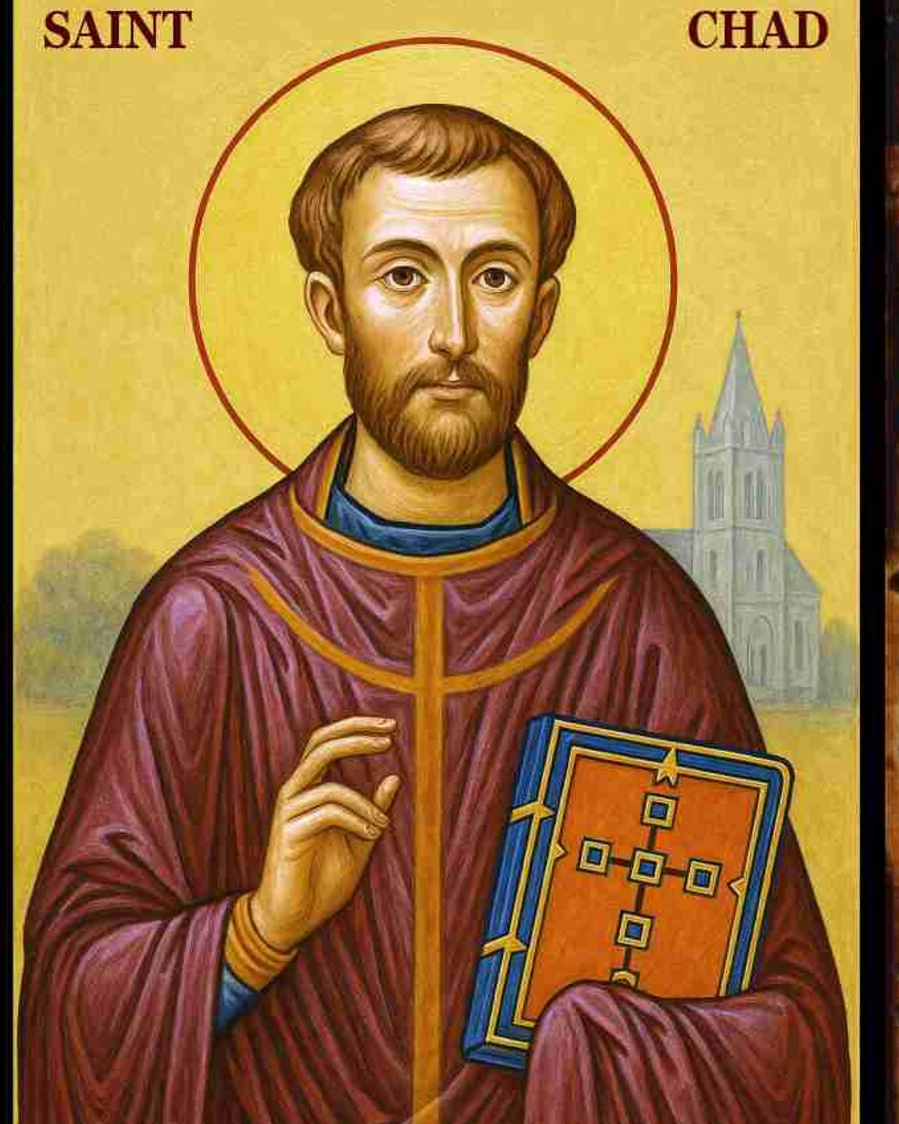
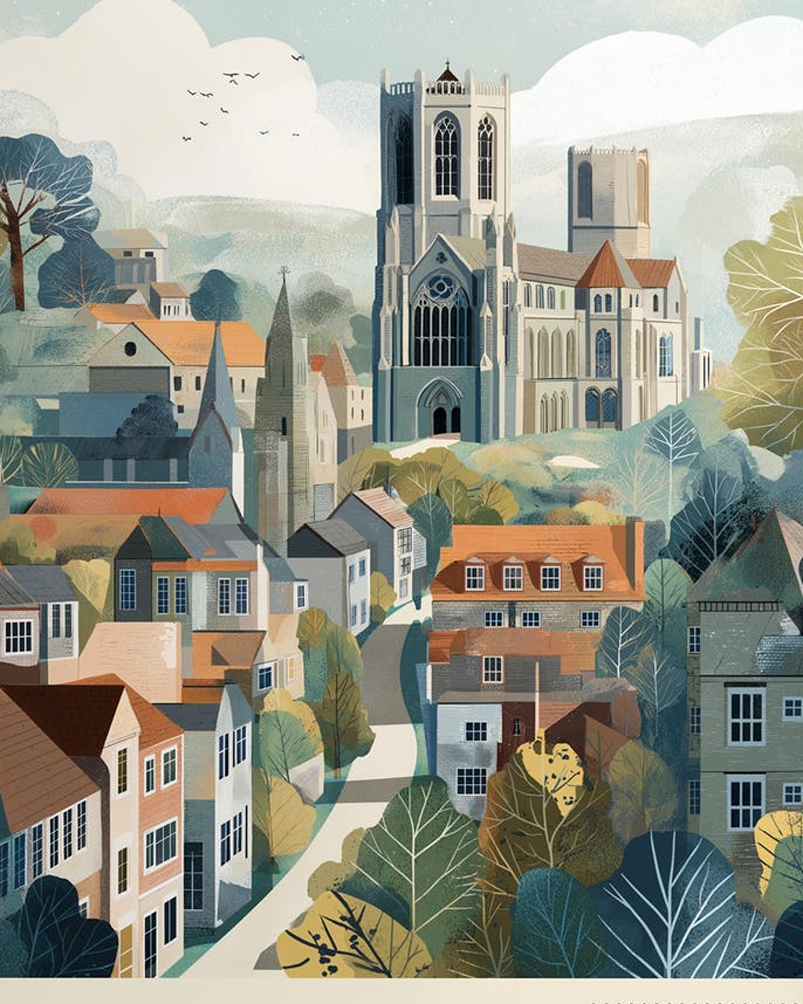
Tucked away in Staffordshire, the small city of Lichfield surprises many who visit. It has a stunning three-spired cathedral, a compact place with hidden museums, green parks and quirky shops.
Saint Chad arrived in Lichfield back in the seventh century (he was from Northumbria). He became bishop and turned the city into the heart of early English Christianity. After he died in 672, his tomb in Lichfield Cathedral became a spot where pilgrims travelled from all over England.
People believed relics of St Chad worked miracles. Everything changed in the 1530s during the English Reformation. King Henry VIII split the Church of England from Rome and ordered religious shrines to be destroyed.
Monks and loyal townsfolk tried to protect what they could, but much was lost. All that survived from the original relics was a small portion, later rediscovered and now displayed within the cathedral.
Lichfield Cathedral’s churchyard is the resting place of 18th century Romantic poet Anna Seward. She was very religious and despite writing of romance, never married herself. A bit like England’s version of the Romantic American poet Emily Dickinson.
If you wander a little farther, you’ll find Dr Milley’s Hospital. Despite its name, this isn’t a hospital in the modern sense. Founded around 1500 by local doctor Thomas Milley, it was set up as an almshouse to house women who needed accommodation.
A county of not-so-saintly celebrities!
For some reason (a bit like Finns who play in heavy metal bands), Staffordshire seems to give birth to celebrities who enjoy a pint or two or more! Locals born here include Robbie Williams (whose parents ran a local pub) and Neil Morrisey (the son of Irish parents).
Motorhead’s Lemmy (the Ace of Spades) also hailed from here. Most other hard-living celebrities had nothing on him.
After 15 years of taking drink and drugs, he asked for a blood transfusion. But doctors who ran tests said his body was so toxic, that fresh blood may have killed him!
Slash (guitarist with band Guns’n’Roses) spent his childhood here, before his family emigrated. He recalled that when touring in England, visiting relatives ‘downed every drop of cider in our dressing room. Our booze would have killed anyone but us!’