Zero Waste St Albans (River Ver and its own saint!)
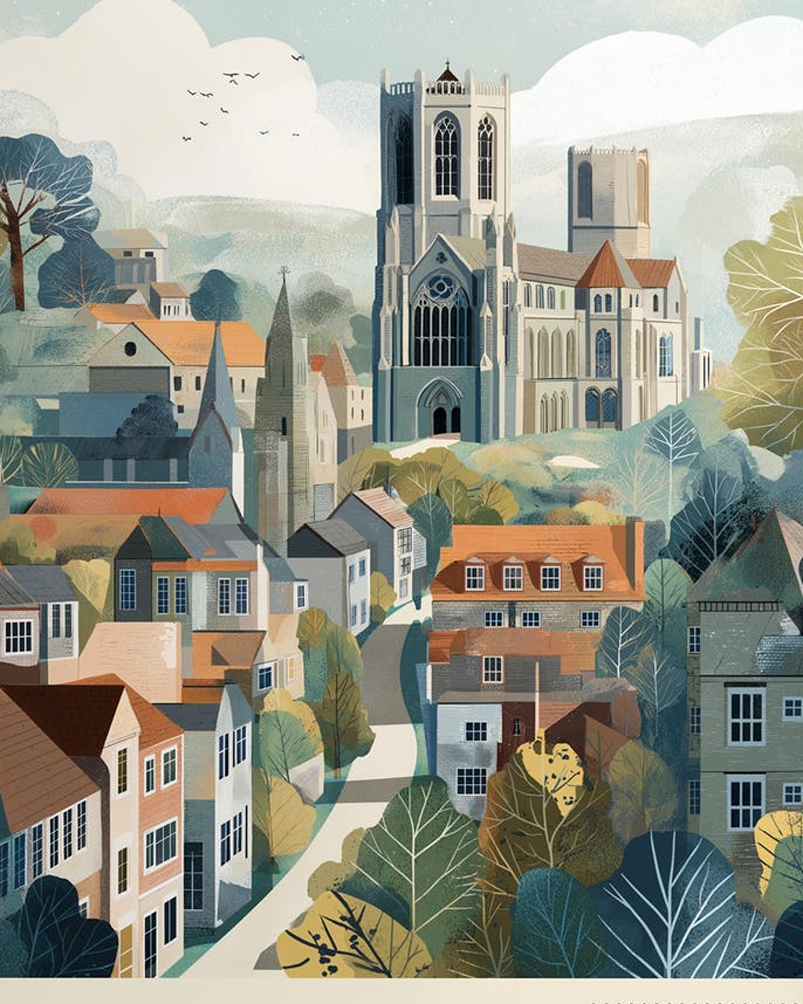
St Albans is known for its Roman history and medieval streets, but nature is an important part of the city too. The River Ver runs through the area, while parks, chalk grassland, woodland, wetlands, gardens and green corridors provide habitat for wildlife. Beyond the city, farmland and the wider Hertfordshire countryside add further links in the local nature network.
These places support birds, bats, pollinating insects, amphibians, fish and many other species. Nature benefits people too: trees provide shade, rivers and wetlands can help manage water, and parks and paths offer places to walk and relax.
If out walking, follow the Countryside Code to keep all creatures safe. Keep dogs away from steep banks, mushrooms, cliffs and toxic plants/trees. If at the coast, read how to keep dogs safe by the seaside.
Why protecting nature in St Albans matters
Healthy habitats support wildlife and provide important benefits for people. Rivers and wetlands sustain aquatic life and can help hold water. Woodlands provide shelter and shade, while grasslands, hedgerows and ponds offer places for wildlife to feed, breed and move through the landscape.
The River Ver is a chalk stream that flows through the St Albans area. Chalk streams are distinctive habitats, and their health depends on clean water, suitable flows and well-managed riverbanks. The river corridor connects green spaces through the city and towards the surrounding countryside.
Nature areas to explore and around St Albans
St Albans and the surrounding area have many places where people can experience nature. Access, facilities and seasonal restrictions vary, so check the relevant land manager’s guidance before visiting.
- Verulamium Park includes open grassland, trees, lakes and paths, alongside the remains of the Roman city. Its mix of habitats provides places to relax and opportunities to observe urban wildlife.
- Heartwood Forest, near Sandridge, is a large woodland project managed by the Woodland Trust. It includes young and established woodland, open areas and walking routes.
- The River Ver and nearby countryside around Redbournbury provide a chance to explore the local chalk-stream landscape. Access routes and facilities vary, so check current information before
A city with its own revered saint!

St Alban lived around 305 AD. A former pagan, a priest who he sheltered made such an impression, he converted himself.
He is recorded as the first-ever Christian martyr (killed for his faith) and is apparently the patron saint of converts and torture victims. His prayer is often still said today:
I worship and adore the true and living God, who created all things’.
There is a story that St Alban’s execution was delayed, as the fast-flowing river that he could not cross dried up, allowing him to escape. When he was eventually beheaded, his head rolled down a hill and a spring immediately created fresh water. Who needs reality TV?
The executioners were so surprised, they began to revere him as a saint, and the well still stands today at Holywell Hill. St Albans is recognised as a saint in Catholic, Orthodox and Anglican churches.
St Albans cathedral was built near the site of his execution and houses his shrine. The city is 25 miles from London and houses a 100-acre park in the city centre, which houses ornamental lakes and ancient Roman ruins.
The city also has one of the world’s oldest schools: St Albans School was founded in AD948 (one former student was physicist Stephen Hawking).
Earthworks supports Earthworkers (people with learning disabilities) alongside volunteers to help manage 3.5 acres of eco-friendly gardens in St Albans. Offering 270 hours of social and therapeutic horticulture work each week.
Over the years, it’s grown organic fruits and vegetables, and built wildlife habitats, while transforming old wasteland into a wonderful thriving space.
There is a wish list (please don’t donate netting as it can trap wildlife – read more on wildlife-friendly gardens and wildlife ponds). But old (not toxic) wood, plant pots and protective equipment are welcomed.
Also read about safe havens for garden birds (again avoid netting and only use and site plain untreated nest boxes in proper places, and sited properly to stop birds flying into windows.
You can support them by purchasing their fruits and vegetables (and apple juice at their St Albans market stall). Avoid unpasteurised juice for pregnancy/nursing, children and weak immunity.
The Green House is a community eco hub for people living in St Albans and surrounding villages. You can visit the eco library, drop off hard-to-recycle items (like blister packs and printer cartridges) and also pick up wildlife-friendly seeds for your garden.
We had a quick look at their Library of Things, and have found a giant chess set, a telescope and a bat detector (you can’t disturb bats by law, but you can listen to them)
Wilderhood Watch is a local group of residents in St Albans who are making their streets more wildlife friendly. By creating wildlife corridors, hedgehog highways and planting pollinator plants for bees and butterflies.
It has a range of great ideas including:
Buzz stops! This is where mowing is retimed and redirected to let wild flowers bloom and grasses grow, to help local insects flourish .
Community recycling of hard-to-recycle items like blister packs, printer cartridgse and tetra-packs
Glyphosate-free streets (manually weeding to avoid this toxic chemical, and having a street sweeper employed to pull up weeds from roads, rather than spray them.
Making hedgehog highways for endangered hogs to freely move around at night, to deter them from urban areas like roads.
Mad about bats – encouraging residents to dim their lights and choose bat-friendly plants for night-time pollinators.
Planting trees and hedges, which are good for local communities and provide shelter for wildlife like birds, hedgehogs and endangered dormice.
Planting pollinator gardens (these are far better for bees and butterflies than ‘bee hotels’ which can lead to mites (bees can’t fly off then) or become targets for predators with so many bees in one place.
Swift action – installng swift bricks in buildings and providing swift boxes to help one of England’s most endangered birds.
Toad Road – creating wildlife ponds for local toads, to stop them wandering onto urban areas, when looking for mates. It’s now got 18 ponds in the area.