The NHS (what are political party policies?)
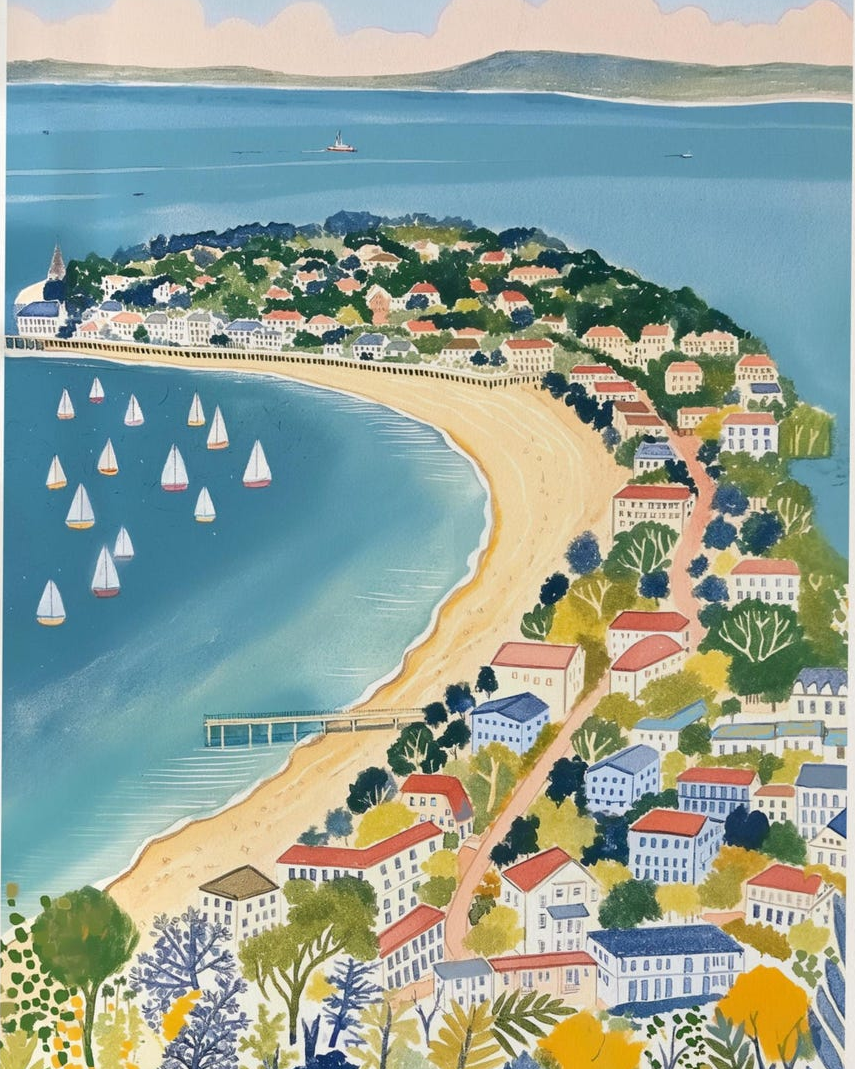
Sandbanks, Dorset (Ava Lily)
The NHS is of course the jewel in England’s political crown. Invented back in 1948, today it’s a political battlefield, with different parties having different ideas, on how to stop it from going under. It’s massively underfunded, mostly due to an ageing population and lack of good preventive health care.
If we had good organic food as cheap as supermarket rubbish, with free outdoor exercise with walkable communities (and pollution-free towns instead of car-centric planning), it’s likely that our hospitals would not be bursting at the seams with so many people getting sick.
But outside the political media (often biased or simply not doing its job properly), what are the main policies of all the major political parties? Here’s a quick rundown!
It’s interesting that a 2% wealth tax on people with at least £10 million would cost each person around £20,000 a year. But that would fund the salaries of 1000 modern 500-bed NHS hospitals (with healing gardens). And then the salaries of 1. 2 million nurses or social care workers each year after that.
And despite only the Greens supporting it, most multi-millionaires say they would be happy to pay it.
Labour NHS policies
It wants reduced waiting lists and better access to GPs, better cancer diagnosis and (especially with Andy Burnham just having come to power) a rehaul of social care. Plus more scanners and extra help for mental health.
All sounds good, but very vague.
Conservative NHS policies
Better efficiency to save money and more use of technology to reduce bureaucracy. Wants to keep NHS free at point of use. It also wants to introduce legislation to ban doctor strikes.
Lib Dem NHS policies
Better access to GPs and better social care, plus improved mental health services. Again all good, but very little detail.
Reform UK policies
Reform UK is a fan of the French system, where ‘you pay if you can, but not if you can’t’. So it’s not like the USA (where if you can’t pay you die). It proposes to spend £17 billion on the NHS (way more than most other parties, but half of what the Greens propose, as it does not support a wealth tax).
It says it would eradicate waiting lists in 2 years, by giving 20% tax relief to private health insurance and providers. But of course private health insurance is not affordable for people with no money. As food campaigner Jack Monroe writes ‘The square root of f*** all, is still f*** all’.
Green Party NHS policies
Wants a 2% wealth tax (see above) to fund more hospitals and nurses. And also invest more in prevention (organic food, less air pollution, walkable communities for natural exercise etc).
It also wants the wealth tax to train up enough dentists, so everyone has access to one on the NHS.
So where do parties differ?
You’ll see that apart from a few differences, all the parties want the same thing really. So what are the arguments between them?
Greens believe that preventive measures are best. Parties that put cars over people, supermarket profits over local food and economic growth over genuine happiness end up spending more, as more people get sick.
Reform and Conservatives both think that big savings can be made from better efficiency, citing there are too many managers, and not enough doctors and nurses. This is likely true. But again, building societies that are focused on polluting food, car-centric transport and high stress, all contribute to making people ill. Which means more money is needed to make them well.
Labour wants to massively invest in social care, a wonderful idea. But the money has to come from somewhere. And yet it won’t commit to a wealth tax, which is likely what is needed to pay for it.