Zero Waste Liverpool (a green city beyond The Beatles!)
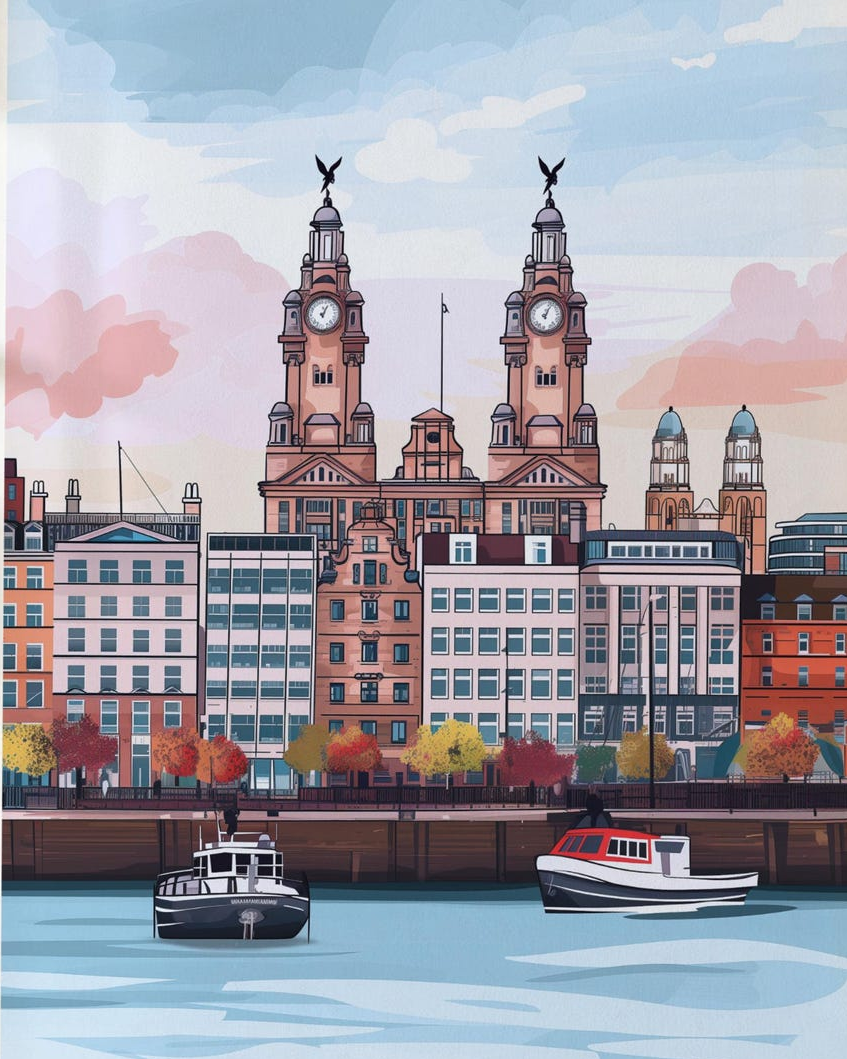
Liverpool is one of England’s most populous cities, located in the northwest England, within the metropolitan county of Merseyside. Not just home to the Beatles (did you know Ringo Starr is so allergic to spices, he has never eaten a curry?) it’s actually home to a lot more green spaces than you would think.
The city is dominated by the Liver Building, which overlooks the River Mersey (you can sail to Ireland from here, but the journey is much longer than from North Wales – around 8 hours). Atop the building are Bertie and Bella, the two liver birds that look out for the city’s residents!
A zero waste lifestyle can help protect the friendly city of Liverpool. It’s not only about looking after nature. But also about creating neighbourhoods where people are proud to live, and where future generations can enjoy the city.
Liverpool city centre and waste
Liverpool city centre is likely one of the busiest in England, with shopping streets, restaurants, cafés, office, hotels, entertainment venues and tourist attractions. Large numbers of people travel into the city centre for work or leisure.
But with so many peoople in a small area, this can produce significant amounts of waste. Takeaway food packaging, disposable coffee cups, plastic bottles, food containers and shopping bags are examples of waste that can be produced.
Areas around busy shopping and entertainment locations can experience high levels of activity. That’s fine as this is a city around having fun. But rubbish placed in the wrong bins or left on the ground makes the environment spoiled, and litter can also be moved by wind and rain into drains and other areas.
There are lots of things that local people can do. Restaurants could reduce unnecessary packaging, and customers can use reusable coffee cups or water bottles. Shops can encourage customers to choose reusable items.
The city centre is an important part of Liverpool’s identity. So keeping the streets clean means visitors can focus on the friendly warm welcome, rather than litter.
The River Mersey and Liverpool’s waterfront
The River Mersey is one of the most recognisable features of Liverpool. The waterfront has played an important role in the city’s history and continues to be an important area for residents, businesses and visitors.
Protecting the River Mersey is one of the reasons why reducing waste in Liverpool matters. Rubbish left on streets can sometimes be carried into drains and waterways by rain (and the northwest gets more rain than anywhere in England). Lightweight materials like plastic can also be transported by wind.
Once waste enters the water environment, it is much harder to remove. It can affect the appearance of the waterfront and create risks for wildlife. Preventing waste from reaching waterways is therefore better.
Liverpool’s residential neighbourhoods
Liverpool is not just a city centre! Most people experience the city away from the touristy photographs. Areas like Toxteth, Kensington, Everton, Anfield, Kirkdale, Walton, Wavertree, Garston, Speke, Aigburth and more communities that have their own close-knit communities.
Street litter can become a local issue. A small amount of rubbish leads to repeat littering, and ends up making streets look neglected. Residents who care about their neighbourhood then have to spend free time cleaning up after others. Community action in not littering can make a real difference.
Waste from Liverpool’s food businesses
As one of England’s major cities, there are a lot of cafés, restaurants, takeaways, pubs and food outlets. So they can collectively help reduce waste by planning food purchases carefully to avoid waste, storing food correctly and finding ways to use surplus ingredients. And not offering single-use plastic containers.
The Vibe plant-based cafe!

We don’t really list high-end uber-expensive restaurants here at England, Naturally. Because if we want to change our food systems, things need to be affordable.
The Vibe Cafe (near Liverpool Cathedral and the Royal Docks) offers student-friendly plant-based fare. And yes that’s a vegan fried egg above!
Most of the food and drink is pretty cheap. Or you could push the boat out and order a thick vegan milkshake with whipped cream on top. There are bangin’ breakfasts like vegan cheeze and mushroom omelettes or a ‘big Full English’ with sausages, tofu scramble and all the extras on sourdough toast.
Later on in the day, visitors can enjoy a double smash vegan cheeze burger or a Philly cheeze toastie. They even serve vegan poached eggs with spinach in a plant-based Hollandaise sauce!
Liverpool is crazy for football!
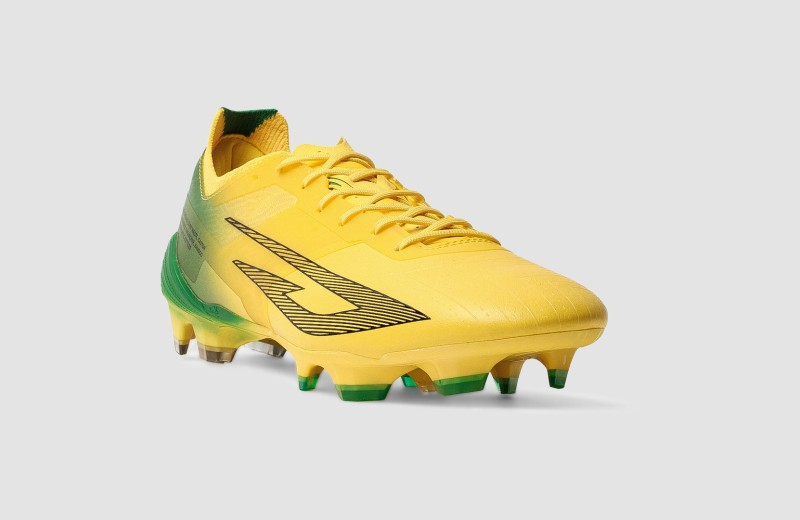
Like a few other cities, if you live in Liverpool you likely follow a team (Liverpool or Everton). If you play the beautiful game yourself, choose vegan football boots and footballs to avoid kangaroo leather (read more on zero waste football).
Why people in Liverpool don’t buy The Sun
Over 30 years later, most people in the city boycott The Sun newspaper. In 1989, 96 football fans were killed (many more were crushed, another man died in 2021 from injuries) during a match at Hillsborough Stadium in Sheffield.
What happened after that was awful. Four days after the tragedy, The Sun newspaper published a front page article claiming that some of the supporters had attacked police officers (and urinated on them) and stolen from victims. It later transpired there was no evidence to support these claims.
So grief-stricken families (still in shock at the time) had to contend with this too. In fact, many supporters were instrumental in trying to help fellow fans. Even today many newsagents refused to sell the paper.
The newspaper only apologised in 2004, but the family still don’t accept. In fact things got worse in the same year, when Boris Johnson (then editor of The Spectator magazine) approved an article that claimed drunken Liverpool had played a part in the disaster. Yet was in the end elected Prime Minister?