Zero Waste Merseyside: The Wirral and coastal resorts
Merseyside is a metropolitan county in north west England, home to one of the most populous cities in England (Liverpool) but surrounded by many green spaces and home to the River Mersey, the Wirral and a few coastal resorts. Not just urban land, here you’ll find parks, wetlands and beaches.
Zero waste is an approach to reducing the amount of rubbish that is produced, thrown away and sent for disposal. Rather than simply dealing with waste after it has been created, zero waste encourages people, businesses and communities to prevent waste in the first place.
This can mean buying fewer unnecessary products, choosing reusable items, repairing things instead of replacing them, recycling correctly and finding new uses for materials that might otherwise be discarded.
If out walking, follow the Countryside Code to keep all creatures safe. Keep dogs away from steep banks, mushrooms, cliffs and toxic plants/trees. Also learn about keeping dogs safe by the sea.
Why Merseyside’s natural environment matters
Merseyside is often associated with its cities and built-up areas. But the region also has a diverse natural environment. The coastline, rivers, wetlands, parks, woodland and open countryside provide habitats for plants and animals, while giving people opportunities to exercise, relax and enjoy nature.
The Mersey Estuary is particularly important. Estuaries are productive environments where freshwater and seawater meet, creating habitats for many species. Coastal areas around Merseyside also supports birds and other wildlife, while beaches and dunes can provide valuable habitats that are easily damaged by litter and human activity.
Protecting nature is important because healthy ecosystems provide benefits that people depend on. Plants help absorb carbon dioxide, vegetation can reduce soil erosion, wetlands can help manage water, and green spaces can contribute to healthier communities.
Waste can interfere with these natural systems. Plastic bags, bottles, food packaging and other litter can reach rivers and the sea. Once waste enters the enters the environment, it can become difficult to remove and may break down into smaller pieces. Marine creatures can mistake plastic for food, while larger pieces of rubbish can cause physical harm to wildlife.
A zero waste approach can therefore help protect Merseyside’s natural environment, by reducing the amount of material that has the opportunity to escape into the countryside, waterways and coastal areas.
Reducing plastic pollution
Plastic is one of the most visible forms of litter in urban and coastal environments. Single-use plastic packaging can be used for only a few minutes, but may remain in the environment for a very long time if it is discarded correctly.
In Merseyside, litter from streets and public spaces can be transported by wind and rain into drains, streams and rivers. The River Mersey and smaller waterways provide routes to the estuary and Irish Sea.
Reducing reliance on single-use products is therefore an important part of zero waste. People can carry reusable shopping bags, refillable water bottles and reusable food containers. Eateries, shops and other businesses can reduce unnecessary packaging and provide refill or reuse options.
Plastic pollution is not simply a visual problem. It can affect wildlife and habitats and can make beaches, parks and waterways less attractive places for people to visit. Keeping these environments clean can help preserve both their ecological and recreational value.
Why biodiversity should be protected
Biodivesity refers to the variety of living organisms and ecosystems in an area. Merseyside’s biodiversity includes plants, insects, birds, mammals, fish and other organisms living across urban, freshwater, woodland and coastal habitats.
Every species forms part of a wider ecological network. Losing one species or damaging one habitat can affect other organisms that depend on it. Biodiversity also helps ecosystems remain resilient, when conditions change.
Waste reduction contributes to biodiversity protection by reducing pollution and preventing physical hazards. Cleaner rivers, beaches, parks and wetlands provide safer environments for wildlife.
Protecting the Mersey Estuary
The Mersey Estuary is one of the defining natural features of the region. It is surrounded by densely populated areas and has a long history of industrial and commercial activity. Today, the estuary remains important for wildlife.
Reducing waste can contribute to the protection of the estuary. Litter dropped on streets can be washed into drainage systems, while rubbish left on beaches can be carried by tides and wind. Fishing-related waste, food packaging and other discarded materials can also become marine litter.
Protecting the estuary means thinking about what happens to waste, after it leaves a person’s hands. A bin does not necessarily mark the end of a product’s environmental impact. Responsible disposal, recycling and waste prevention can all reduce the amount of material entering the wider enviornment.
The estuary also demonstrates why environmental protection needs to involve communities across Merseyside. Water does not follow local authority boundaries. Actions in one neighbourhood can potentially affect waterways and habitats elsewhere. Co-operation between residents, councils, schools, businesses and environmental organisations can therefore make a meaningful difference.
Protecting Sefton and the coast

Sefton village contains important coastal landscapes, plus dunes and areas of open space. These environments are particularly vulnerable to litter, because waste can be moved by wind and tides.
Coastal habitats can support plants and animals that are adapted to difficult conditions. Sand dunes are dynamic environments that can be damaged by excessive disturbance and pollution. Keeping waste away from these areas helps to protect their ecological function.
Visitors can help by taking litter home for secure disposal (or find secure bins), avoiding unnecessary single-use products and respecting wildlife by leaving it be. Local businesses can reduce packaging and sell reusable alternatives.
Beach cleaning can remove visible rubbish, but prevention is even more valuable. Once litter has entered the marine environment, recovering it can become considerably more difficult. Reducing waste at its source is therefore an important part of protecting the coastline.
The Wirral and marine protection
The Wirral (a peninsula between the River Mersey and the Irish Sea) has an extensive coastline, and a strong relationship with the surrounding marine environment. Its beaches, coastal paths, parks and wetlands provide opportunities for recreationand wildlife watching.
Marine environments are especially vulnerable to plastic and other persistent waste. Lightweight materials can be transported by wind and water, while larger items can become entangled around animals or damage habitats.
A zero-waste approach on the Wirral can include reducing disposable packaging, participating in local litter-picking activities, reusing household items and making careful choices when shopping. These actions may seem small individually, but collective behaviour has huge influence.
Waste reduction in Knowsley and St Helens
These two boroughs contain a mix of residential communities, parks, green spaces and areas shaped by the region’s industrial history. Zero waste can support environmental improvement in both areas.
Former industrial landscapes can show how places can change over time. Protesting newly established habitats and green spaces cna help create connections between communities and nature.
The seaside resorts of Merseyside
When you hear ‘Merseyside’, you may think of a big city. But in fact, it has many nice seaside resorts not far away from Liverpool:
- Southport is known for its beach and sand dunes. A teacherstabbed in an attack that killed three children has set up Let’s Be Blunt, to campaign for round-tipped knives and amnesty points to prevent knife crime.
- Formby also has a sandy beach and sand dunes, plus prety pinewoods.
- Crosby is north of Liverpool, known for its beach.
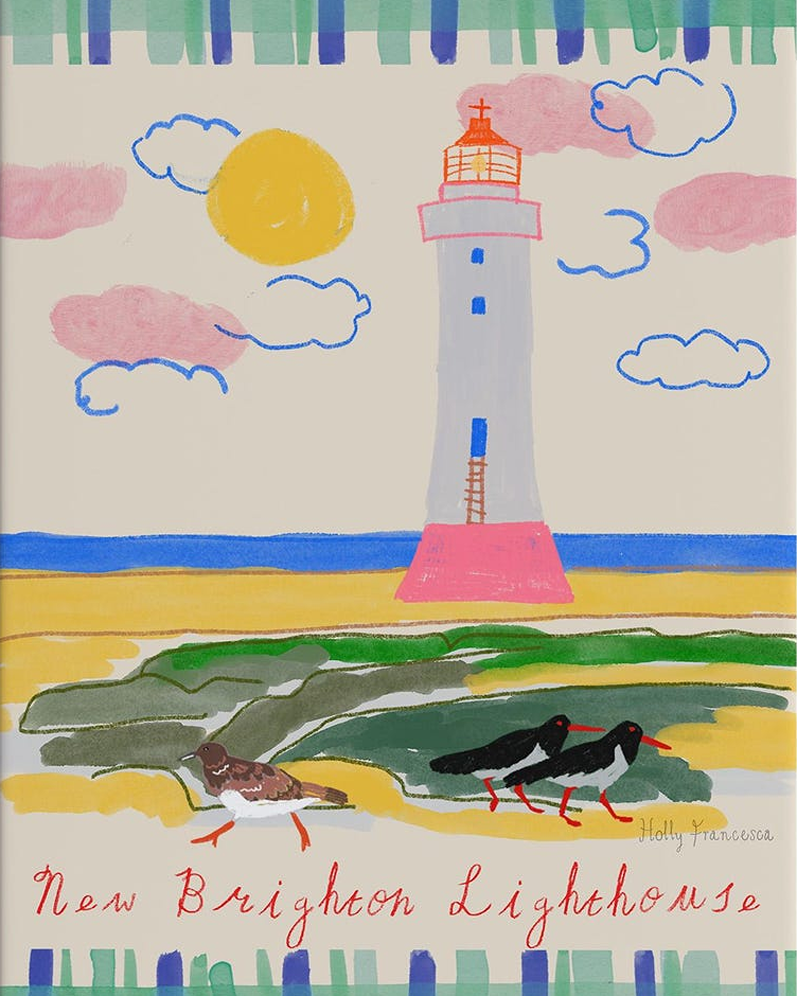
- New Brighton is on the Wirral, and has a beach with views across the Irish Sea and Liverpool Bay.
- West Kirby is a Wirral seaside own, with views towards Hilbre Island (one of three islands that are home to marine wildlife as a protected nature reserve – its patron is the author of the Vera crime novels).
- Hoylake is another coastal town on the Wirral with a long promenade.