Zero Waste Cheshire: From the Sandstone Trail to the Irish Sea
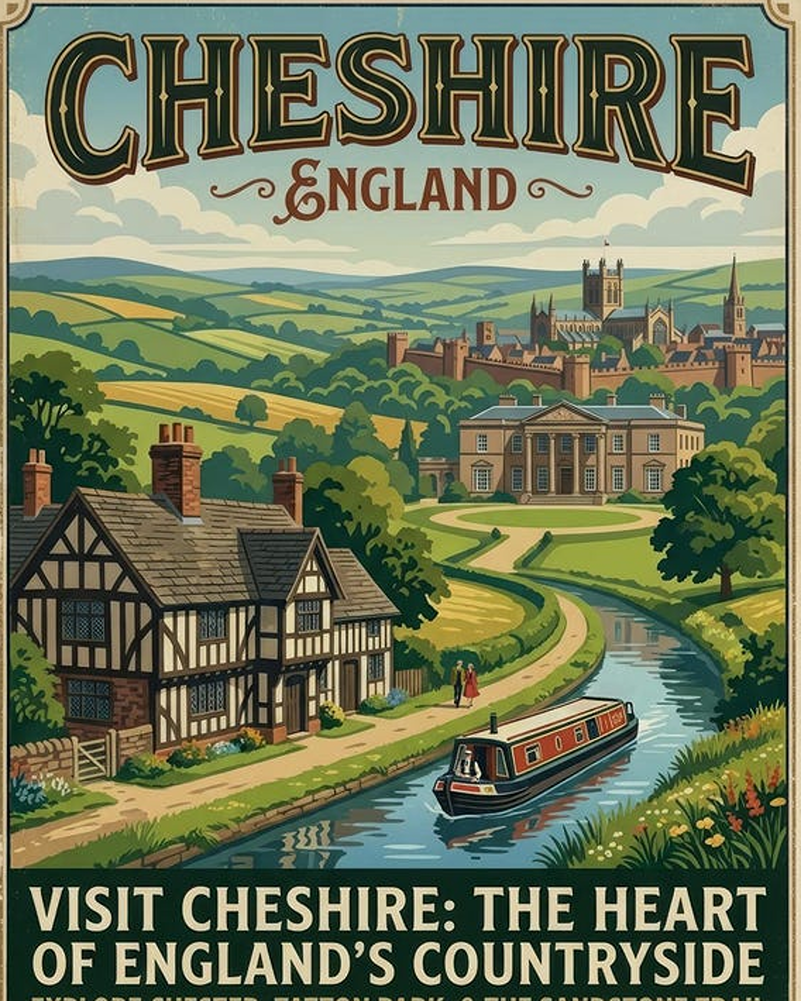
Cheshire is one of England’s most beautiful counties, situated in north west England. It is mostly rural, although also home to the historic city of Chester (on the River Dee) and the large town of Warrington (on the River Mersey).
But outside these urban areas you’ll find a mix of countryside, farmland, woodland, rivers, historic towns and coastal habitats. From the Cheshire Plain and the Sandstone Ridge to the Dee and Mersey estuaries (which lead into the Irish sea).
Zero waste is about changing the way we think about the things we buy, use and throw away. Rather than treating rubbish as something that simply disappears when it is placed in a bin, a zero-waste approach looks at the whole life of a product. It asks where materials come from, how products are made, how long they can be used and what happens to them, when we no longer need them.
The most important principle is to reduce waste before it is created. Recycling is useful, but it still requires energy, transport and processing. Reusing an item can often avoid these impacts altogether.
The Sandstone Trail
One of Cheshire’s best known environmental and recreational features is the Sandstone Trail. This runs for around 34 miles (55 kilometres) between Frodsham and Whitchurch, crossing Cheshire and continuing into northern Shropshire. It follows the distinctive The Sandstone Ridge that rises above the Cheshire Plain.
The route passes through woodland, farmland, heathland and areas of exposed sandstone. Walkers can experience views across the Cheshire Plain and surrounding countryside, while also encountering historic sites.
If out walking, follow the Countryside Code to keep all creatures safe. Keep dogs away from steep banks, mushrooms, cliffs and toxic plants/trees. Also learn about keeping dogs safe by the sea.
Raw Head (near Bickerton) is the highest point on the trail at around 227 metres above sea level. Other notable places along the route include Delamere Forest and the area around Beeston Castle.
The trail demonstrates why protecting the local environment matters. People visit it because of the combination of scenery, wildlife and history. Littering or damaging habitats is obviously therefore to be avoided.
Walkers can carry reusable water bottles and reusable lunch boxes. Dog guardians can carry zero waste poop bags.
Small actions are particularly important on popular walking routes, because thousands of individual visits can have a cumulative effect.
Keeping the Sandstone Trail clean
Food packaging, drinks containers, tissues and other rubbish can be harmful to wildlife. Animals may attempt to eat litter or become trapped in it. Waste can also spoil the appearance of the landscape.
Reusable products can make this easier. A refillable bottle can replace many disposable drinks bottles. While a reusable lunch box can prevent the need for disposable packaging.
There is also an opportunity to reduce waste through local businesses. Cafés, shops and accommodation providers near walking routes can encourage customers to use refillable tap water stations, provide recycling facilities and reduce unnecessary packaging.
Cheshire’s and the Irish Sea
Cheshire has an important connection with the Irish Sea. Although the coastline around the Wirral is short, the surrounding habitats have major ecological importance.
The Dee Estuary is recognised as an internationally important conservation site. Its habitats include extensive mudflats, sandflats and saltmarsh, which supports wildlife including wading birds and other species. This makes the zero waste message particularly powerful.
A plastic item thrown onto a street in Cheshire, might be washed into a drain during heavy rain. From there, it could enter a stream or river and eventually reach an estuary. Once in the marine environment, plastic can break into smaller pieces known as microplastics, which are difficult to remove.
The connection between Cheshire and the Irish Sea shows that environmental protection cannot be divided neatly into separate areas. What happens on land can affect rivers, estuaries and the sea.
Protecting Cheshire’s rivers
Clean water is one of the most important parts of a healthy environment. Rivers provide habitats for wildlife, contribute to landscapes and connect inland areas with the coast. The River Dee travels from the Welsh mountains through the wider Cheshire region, before reaching the Dee Estuary and the Irish Sea.
Pollution can enter waterways in many different ways. Litter is one obvious problem, but so are chemicals, agricultural runoff and sewage.
The Dee Trust offers a free confidential assessment for farmers, looking at soil health and watercourses/ditches. You’ll receive a good practice report, plus recommendations to improve water quality, and sometimes receive grants to improve water quality and prevent run-off.
This charity is also restoring river habitats including repairing reaches of in-stream habitats and floodplain features.
Rivers can also be protected by avoiding pouring paints, oils or chemicals down sinks, toilets and drains. Reducing litter is equally important. Lightweight plastic packaging is particularly capable of being transported by wind and water.