Living sustainably in Wells: A guide to England’s smallest city

Wells may be England’s smallest city, but it has a remarkable amount to offer. Set beneath the Mendip Hills in Somerset, this historic place combines a magnificent cathedral and medieval streets with independent shops and community projects.
Whether you live in Wells, are thinking of moving here or are planning a visit, there are plenty of ways to enjoy the city while treading more lightly. From traffic-free paths and community repair cafés to wildflower meadows and local food, Wells shows how small-scale action can make a real difference.
Discover the history and green spaces of Wells
Wells is famous for its cathedral, whose striking architecture has shaped the city for centuries. Inside, look out for the remarkable scissor arches: an ingenious medieval structure that supports the central tower. The cathedral is surrounded by peaceful gardens, a welcome place to pause amid the city’s historic streets.
Close by is Vicar’s Close, often described as one of the oldest continuously inhabited residential streets in Europe. Built in the 14th century by the Bishop of Bath and Wells, it provided homes for the cathedral’s choir members. Local stories say the arrangement was intended to keep the choristers away from alehouses and other distractions! Today, the Close remains a place where people live.
Wells is also a good base for enjoying Somerset’s landscapes. The Mendip Hills rise nearby, with walking routes, viewpoints and countryside to explore. Choosing to walk, cycle or use public transport where possible can help reduce the impact of a visit while giving you more time to appreciate the scenery.
If out walking, follow the Countryside Code to keep all creatures safe (learn how to upright an overturned sheep). Keep dogs away from steep banks, mushrooms, cliffs and toxic plants/trees.
Wells Walking Tours take around 1.5 hours to see all the sites. No need to book, just turn up at the Market Place, where you can also browse for local fruit and veg!
Explore the Strawberry Line and Mendip views
The Strawberry Line is a growing network of walking and cycling routes that follows the course of a former railway through Somerset. Parts of the route are already traffic-free, giving people a safer, greener way to travel and explore.
Near Wells, the route towards Dulcote offers beautiful views across the surrounding hills and countryside, with the cathedral appearing in the landscape along the way. It is a particularly rewarding perspective on the city.
Many sections of the Strawberry Line are wheelchair-friendly, although surfaces and gradients can vary. If you are planning a particular outing, check current route information beforehand to make sure it suits your needs. Accessible paths are valuable not only for wheelchair users, but also for families with pushchairs, people using mobility aids and anyone who prefers a smoother route.
Meet the graceful swans of Wells
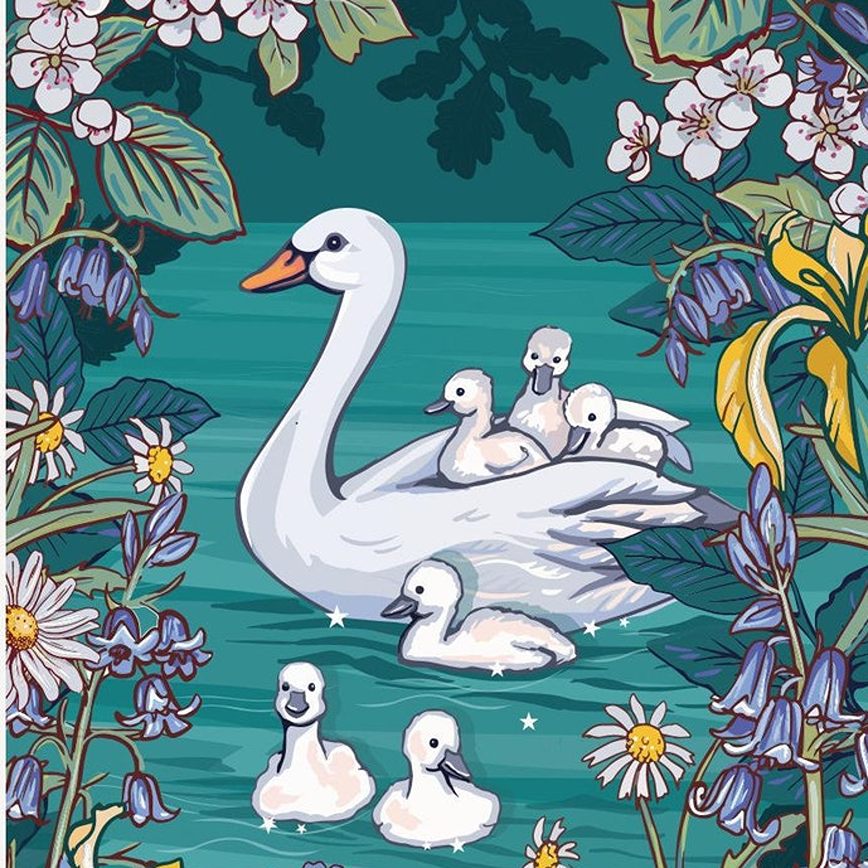
Swans have long been part of the character of Wells. Recently after the cob sadly passed, the pen and her cygnets left for the Somerset Levels. A new pair has since arrived from a Welsh swan rescue.
Swans are beautiful wild birds, but they need space and respect. Alway view quietly from a distance, keep dogs under control (particularly near nests or young birds) and do not feed them bread (can contribute to poor nutrition and polluted water). Read more on how to help England’s graceful swans!
Shop locally and support independent businesses
Wells is full of small independent shops, making it an enjoyable place to browse and a good place to make more thoughtful purchases. Shopping locally can help support businesses rooted in the community, keep money circulating in the area and reduce the need for some long-distance deliveries.
You do not need to buy something every time you visit. Browse, ask shopkeepers about local products and choose items that are useful, durable and made to last. If you are buying a gift, consider locally made goods, second-hand finds or experiences rather than disposable products.
Independent shops are also part of what makes a place distinctive. By choosing them when you can, you help sustain a lively high street and the relationships that come with it. For everyday needs, reusable bags, refillable containers and a little planning can help cut packaging and avoid unnecessary waste.
Choose unscented items for pregnancy/nursing or near babies/pets (and xylitol-free dental care if you live with animal friends). If buying plants, read up on pet-friendly gardens (and how to stop birds flying into windows).
Get involved with Sustainable Wells
Sustainable Wells is a local organisation bringing people together to make greener choices and strengthen community connections. Wells has been among England’s early plastic-free communities, and local initiatives continue to encourage practical action on waste, reuse, nature and sustainable living.
Community groups are a useful way to turn good intentions into everyday habits. You can meet people, learn new skills and find out what is happening locally:
Repair, reuse and learn at a repair café
A repair café gives household items a chance at a second life. Instead of throwing away something that is broken, you can bring it along and work with volunteer repairers to see whether it can be fixed. Depending on the event, repairs may cover items such as small electrical goods, clothes, toys or household objects.
Repair cafés help reduce waste and make repair skills more visible. People share knowledge and discover that a loose connection, missing button or worn part does not necessarily mean an item is finished.
The volunteers are central to these events, and their time and skills are valuable. Be patient if a repair is not possible on the day, and remember that some items may be unsafe or uneconomical to fix. Even when a repair cannot be completed, you may leave with useful advice about maintenance or responsible recycling.
Local cooks also help make events welcoming by preparing fresh, good food for volunteers and attendees. Sharing a meal is a simple way to build community around practical environmental work—and it is a reminder that sustainability is about people as well as products.
Share useful things through freecycle
Sustainable Wells also runs a freecycle-style sharing scheme, connecting donors with people who can reuse items. Rather than sending useful objects to landfill or leaving them unused at home, people can pass them.
The system works because of both sides: donors make items available, while rehomers give them a new purpose. A pair of iron brackets, for example, can become part of a bathroom shelving project.
Before donating, make sure an item is clean, safe and accurately described. If you are looking for something, be specific about what you need and arrange collection responsibly. Reuse works best when people communicate clearly and treat one another’s time with consideration.
Make and mend with free sewing machines
Clothing and textiles can be repaired, altered or transformed instead of discarded. Sustainable Wells’ make-and-mend activities offer access to free sewing machines and a chance to learn how to give old items a new lease of life.
You might mend a torn seam, replace a button, shorten a hem or turn an unwanted piece of fabric into something useful. If you are new to sewing, start with a simple repair and ask for guidance. Small skills can make a big difference: a repaired garment may be worn for years longer.
Help Tor Hill Lane become a wildflower meadow
Sustainable living is not only about reducing waste; it is also about making space for nature. Volunteers are working to turn Tor Hill Lane into a wildflower meadow, creating habitat for insects, birds and other wildlife.
The area already attracts birds and butterflies, and black oil beetles. These unusual little insects release oily, foul-smelling liquid from their leg joint s if threatened. Their short wings overlap and and are shorter than their abdomens, giving the appearance of wearing a jacket that is too small!
If you visit Tor Hill Lane, stick to appropriate paths, avoid picking flowers and take care not to disturb insects or other wildlife.
A small city with a big community spirit
Living sustainably in Wells does not require a complete lifestyle overhaul. It can begin with one or two manageable changes: walking or cycling a short journey, choosing a repair over a replacement, shopping locally, sharing something you no longer need or joining a community event.
Small actions become more powerful when they are shared. A repair café helps keep objects in use; a freecycle scheme connects people with useful items; a meadow supports local wildlife.
If you are visiting Wells, you can contribute too. Explore on foot where practical, bring a reusable water bottle and shopping bag, support independent businesses, and leave the city’s natural spaces as you found them.
In England’s smallest city, even modest actions can make a meaningful difference.