Zero Waste Sheffield: building a greener steel city

Sheffield, renowned as the Steel City, has undergone a remarkable transformation from its industrial past. Central to this change is a deep commitment to protecting and enhancing Sheffield’s rich network of local nature spaces — from lush parks and ancient woodlands to rivers and green corridors.
A city surrounded by green spaces
Surrounded by the Peak District National Park and dotted with over 200 parks, woodlands, and green spaces within the city limits, Sheffield offers a diverse array of habitats for wildlife and outdoor recreation.
These spaces are vital for local biodiversity, providing homes for birds, insects, and small mammals, as well as offering residents a sanctuary for humans.
If out walking, follow the Countryside Code to keep all creatures safe. Keep dogs away from steep banks, mushrooms, cliffs and toxic plants/trees.
Preventing pollution in rivers and green corridors
Littering and improper waste disposal threaten Sheffield’s rivers like the River Don and Porter Valley, which run through many parks and green spaces. Plastic bottles, wrappers, and other debris pollute waterways, harming aquatic life and disrupting ecosystems. Zero Waste practices—such as recycling and reducing single-use plastics—help keep these waterways clean and healthy.
Litter and non-biodegradable waste in parks and woodlands can damage soil quality, harm plant roots, and introduce toxins into ecosystems.
Spotlight on Sheffield’s key natural spaces
- Ecclesall woods. As one of Sheffield’s most treasured ancient woodlands, Ecclesall Woods is home to diverse plant and animal species.
- The Porter Valley and Sheffield’s green corridors. The Porter Valley provides a vital green corridor connecting Sheffield’s city center to the Peak District. It features walking trails, streams, and wildlife habitats.
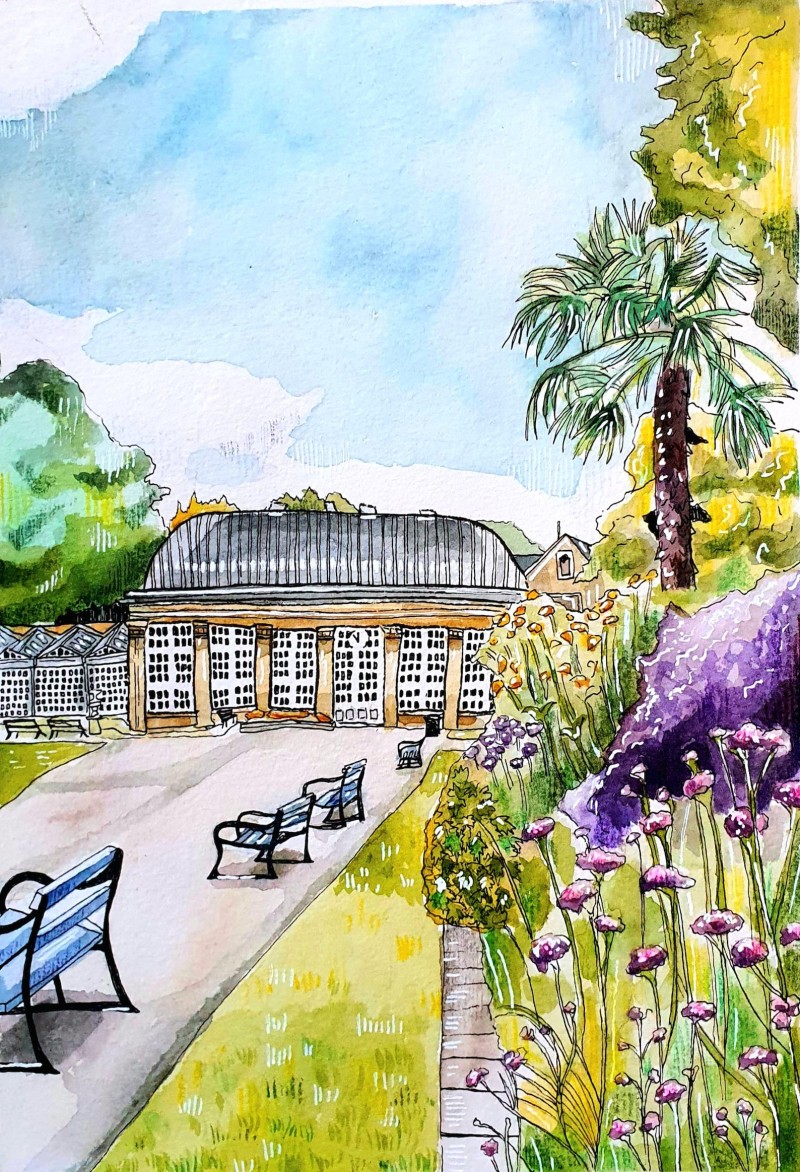
- Sheffield Botanical Gardens and urban parks. These beautifully maintained gardens and parks are vital for urban biodiversity and community wellbeing.
How Sheffield residents can protect local spaces
- Pack out what you pack in: Always take your rubbish home or dispose of it responsibly in recycling bins.
- Join local clean-up events: Many community groups organize efforts to clear litter from parks, woodlands, and riverbanks.
- Use reusable items: Bring reusable water bottles, lunch boxes and grocery bags when visiting natural spaces to cut down on single-use plastics.
- Support eco-friendly initiatives: Volunteer with local environmental organizations focused on maintaining Sheffield’s green spaces.
- Educate others: Spread awareness about how waste impacts Sheffield’s nature and encourage friends and family to participate in waste reduction.
Campaign to protect Sheffield’s Green Belt
There is presently a campaign to stop the demolition of 800 acres of irreplaceable wildlife land in Sheffield’s Green Belt, in order to build new houses (there are plenty of other ways to prevent homelessness).
This would not just remove land, but ruin one of England’s greenest cities, surrounded by lovely parkland and wooded spaces. The campaign is being supported by former local resident Sean Bean, and everyone is rallying around after the sudden death of Sapphire McCarthy, who campaigning to save her local area for nature and wildlife.
The Green Belt ensures that species like badgers, hedgehogs, and birds have safe spaces to thrive. And also promotes clean air and water, to prevent floods and climate change (by locking in carbon in soil and trees). It also supports local agriculture and food security, by protecting farmland.
Sheffield’s Green Belt covers 22,400 acres, and once the proposed 800 acres is gone, it’s gone forever. It acts as a buffer betwen urban areas and the countryside, to ensure that wildlife corridors remain intact.
The destruction of the ‘green lungs’ of Shefield would also increase urban heat island effect. Making the city even hotter in summer.
- The Wildlife Trusts are experts in wildlife-friendly development. They can advise on how to build homes without harming nature or Green Belt land.
- Sign the petition and share with others on social media, using #SaveSheffieldGreenBelt and #ProtectSheffieldWildlife.
- Save Sheffield Green Belt, Save Our Green Belt and Save 13 Green Belt
- Write to your councillors and MPs to get them involved in the cause.
Local green conservation groups to support:
- Sheffield Green Party: They are vocal advocates for protecting the planet.
- Friends of the Earth Sheffield: A community-driven group pushing for environmental justice.
- Just Meals Sheffield makes delicious affordable ready-meals from local food waste. Vegan options are available.