The legacy of Sir David Amess: A Catholic voice for animals
Sir David Amess was more than a dedicated politician; he was a passionate advocate for animal welfare and a champion of compassionate policies. His unwavering commitment to protecting animals and opposing cruelty left an indelible mark on society. This post explores his life, the causes he championed, and the ongoing efforts to honour his legacy.
A devoted Catholic and advocate for animals
Sir David Amess’s faith played a significant role in his dedication to animal welfare. As a devout Catholic, he believed that animals deserved compassion and protection, aligning with the teachings of compassion and stewardship found in his faith. His concern was not limited to rhetoric; he actively supported and helped implement laws that safeguarded animals.
Efforts to end trophy hunting and protect wildlife
Sir David was a vocal opponent of trophy hunting, particularly the barbaric practice of shooting lions, zebras, and other wildlife for sport. Since the tragic killing of Cecil the Lion in 2015, there has been increased awareness of the disturbing trend of importing trophy animals into the UK.
British hunters, often tourists from wealthy backgrounds, have imported the bodies or parts of at least 99 lions into the UK since then, many from captive-bred lions in South Africa. Where animals are bred specifically for hunting purposes. These activities not only threaten wildlife populations but also raise ethical concerns.
Legislative initiatives and parliamentary efforts
Following Sir David’s death, dedicated MPs such as Sir Henry Smith (Conservative) and John Spellar (Labour) have continued his fight to ban trophy hunting imports.
Unfortunately, these bills face delays in the House of Lords, where vested interests are attempting to derail progress by talking the bill out of time. The campaign to end trophy hunting remains a part of Sir David’s legacy.
Campaigns against cruel practices
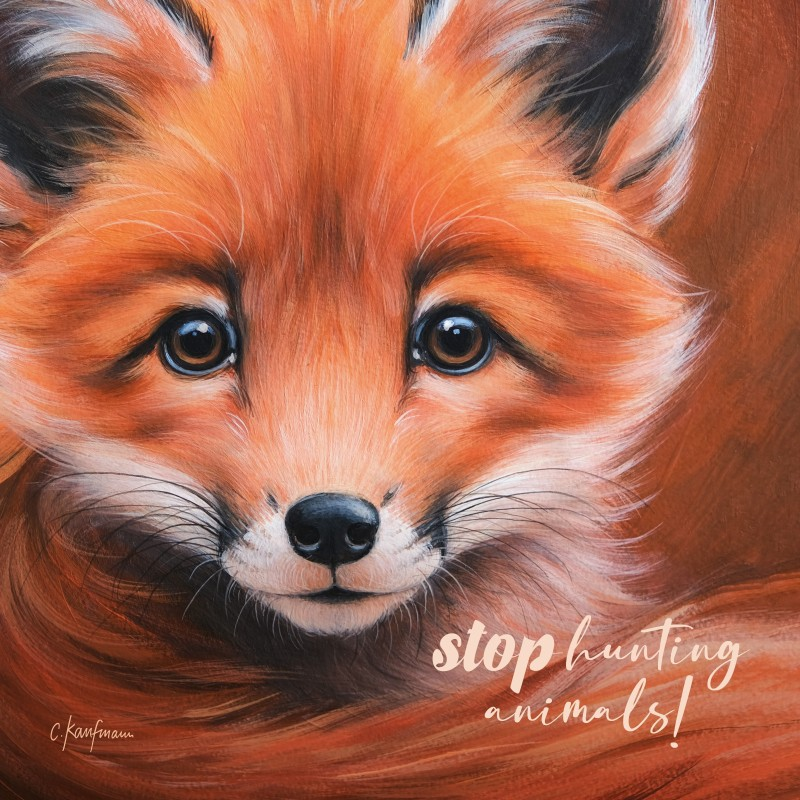
Sir David also championed campaigns against fox hunting. Along with fellow murdered MPs Jo Cox and Ann Widdecombe, he stood against this cruel tradition, despite strong opposition from his own party.
His work extended to campaigning against badger culling, advocating for scientific solutions like vaccination to prevent bovine tuberculosis, and opposing live animal exports (now successfully banned).
Legislation for better animal welfare
Throughout his career, Sir David contributed to numerous laws aimed at improving animal welfare. He worked to end the use of tethered horses in poor conditions, campaigned against farrowing crates and battery cages in farming, and supported bans on animal testing and puppy farms.
His efforts demonstrated a comprehensive approach to animal protection, addressing both wild and domestic animals.
The murder of Sir David Amess and its aftermath
Sir David’s dedication to animal welfare and public service was tragically cut short when he was murdered in 2021. His death shocked the nation and highlighted the risks faced by public servants.
The police initially refused to allow a priest to give him last rites, a decision that led to a change in protocol to ensure the same never happens again.
A man of compassion and justice
Despite the brutality of his murder, Sir David’s legacy continues to inspire. Compassion in World Farming, an organization dedicated to animal welfare, called him their greatest friend in the House of Commons.
Many people (wrongly) assume that all Conservative MPs don’t care about animals. In fact, there is even a fringe party within the party to help pets to wildlife: Conservative Animal Welfare Foundation
The role of faith and community in animal welfare
The Catholic community, exemplified by the national charity Catholic Concern for Animals, shows that many Catholics are deeply concerned about animal suffering. Their stance opposes trophy hunting, bullfighting, and climate change denial – issues that threaten animal populations and their habitats.
Sir David’s faith-informed approach underscores the importance of moral responsibility in caring for creation.
A fitting legacy: The Children’s Parliament
In his memory, Children’s Parliament was established to promote values of compassion and service among young people. Currently, the Parliament is involved in efforts to improve the welfare of 14 gentoo penguins moved from a dingy basement in London Zoo.
While they have been relocated to a slightly better environment, campaigners believe they should be transferred to a habitat that more closely resembles their natural surroundings, reducing stress and promoting well-being.
The power of compassion in politics
Sir David Amess exemplified how compassion and dedication can influence policy and change societal attitudes. His work in advocating for animal welfare challenged misconceptions about political priorities, showing that caring for animals is compatible with responsible governance.
Sir David Amess’s life was a testament to the power of compassion and the importance of standing up for those who cannot speak for themselves. His efforts to combat trophy hunting, improve animal welfare laws, and promote ethical treatment of animals continue to resonate. Let’s carry forward his legacy.