Zero Waste in Wiltshire: refill shops and a landfill-growing idea
Zero waste is often discussed through familiar advice: carry a reusable cup, recycle carefully and avoid plastic packaging. But a genuinely local approach looks beyond individual habits. It asks what services are available nearby, how villages can access them, and whether waste can become a useful resource.
Refill shops in Swindon and Wootton Bassett
For people who want to buy products without taking home new packaging, zero waste shops offer local places to explore refill and weigh-and-pay shopping. Customers can buy the amount they need and, where the shop’s policy allows, bring suitable containers from home.
These shops are not a complete solution to packaging waste: products still need to be made, transported and stored. But give local customers a way to avoid single-use packaging and buy only the quantity they need.
- Weigh It Up (Highworth) even has gin on refill!
- Refill station (Wootton Bassett)
- Tis the Future (mobile van for villages)
Choose unscented items for pregnancy/nursing or near babies/pets (and xylitol-free dental care if you live with animal friends). If buying plants, read up on pet-friendly gardens (and how to stop birds flying into windows).
Sustain Wiltshire’s plan to grow food on landfills
A unique local proposal is presently underway from community interest company Sustain Wiltshire. It aims to capture methane from landfill and use the energy to operate growing domes near Royal Wootton Bassett.
The project’s stated targets include producing 10 tonnes of fruit and vegetables each year for surrounding villages, reducing carbon emissions by 3,800 tonnes of CO₂ annually and creating 130 skilled local jobs. Sustain Wiltshire has also reported trials growing spinach, lettuce, tomatoes and peppers.
The plan is to put captured energy to productive use. The company has also described artificial wetlands and tree planting as ways to support local wildlife and biodiversity. And says surplus energy could help local residents reduce their bills.
Is growing food near a landfill safe?
Landfills can raise concerns about contamination, gas and ground conditions. The suitability of a particular site depends on its history, environmental assessments, engineering and regulatory controls.
The distinction is important: using methane captured from a landfill to generate energy is not the same as growing crops directly in landfill material.
Sustain Wiltshire’s plan is an example of what is often called a circular economy: finding a useful purpose for resources that would otherwise be wasted. In this case, the proposed chain is landfill methane to energy, energy to controlled food production, and potential benefits for nearby villages.
Zero waste helps local Wiltshire landscapes
The county’s landscapes help explain why local environmental decisions matter:
- Salisbury Plain contains one of Europe’s largest areas of chalk grassland, supporting distinctive plants and wildlife. Alas some areas are used for military training, so visitors need to follow access restrictions and signs.
- Savernake Forest, near Marlborough, is known for its ancient woodland. Its old trees and woodland habitats are part of Wiltshire’s natural heritage. These places are a reminder that environmental projects should consider more than carbon alone: soil, water, wildlife and local access matter too.
- Wiltshire’s chalk white horses are another visible part of the landscape. The Westbury, Marlborough, Pewsey, Devizes, Broad Town and Hackpen white horses are cut into chalk hillsides and maintained as local landmarks.
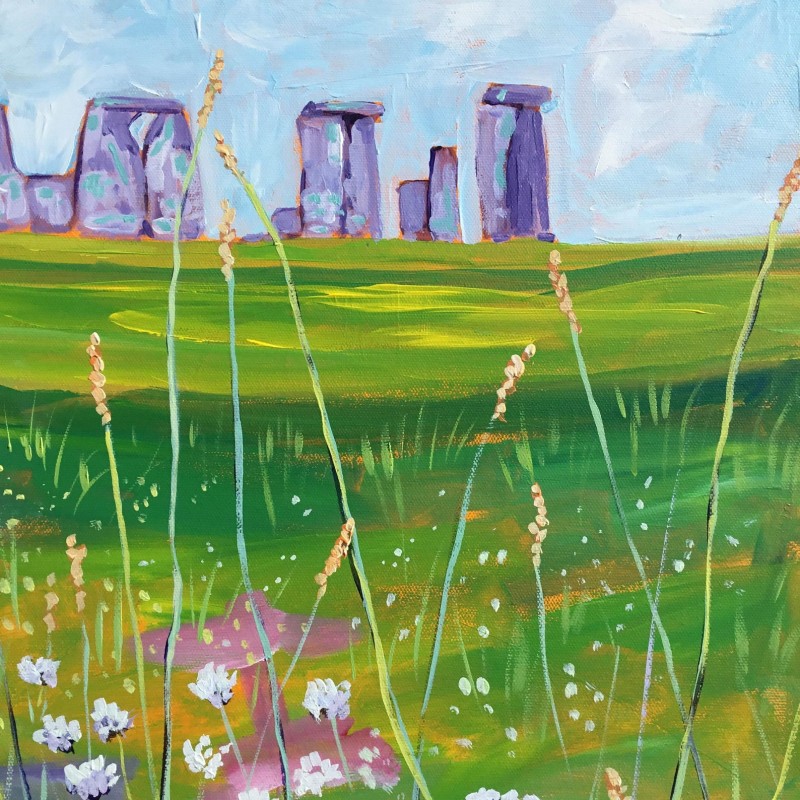
- Stonehenge is a prehistoric monument made from sarsen stones and bluestones; visitors should follow site rules and take litter home.
- Salisbury Cathedral is widely admired for its architecture and spire. American writer Bill Bryson believes this is England’s most beautiful building.
If out walking, follow the Countryside Code to keep all creatures safe (learn how to upright an overturned sheep). Keep dogs away from steep banks, mushrooms, cliffs and toxic plants/trees.
A distinctly Wiltshire approach to zero waste
Zero waste in Wiltshire is not just about what goes into a household bin. It is also about whether people can refill locally, whether rural villages can access useful services, and how to manage waste streams in communities.
Refill shops need to be convenient; a mobile service needs a workable route and customer base; and a landfill-energy project needs robust safety, environmental and financial evidence. Together, these services and projects can benefit Wiltshire’s towns, villages and landscapes.