DAME (zero waste menstrual products)

Dame Period Cup offers 12 hours of protection, with quick cleaning and easy care, even away from home. It flexes with your body so is comfortable wear, and forms a secure seal.
It’s sold in two sizes, depending on age and childbirth history, and holds around three times more liquid than a tampon. The box includes the cup, plus a digital guide and a cotton storage bag.
This cup is self-sanitising so there is no need to boil between uses. Just rinse and wash with mild soap, dry and then store in the cotton bag.
To use, just wash your hand and relax your pelvic floor, the wet the cup with water. Press the sides together then fold in half (or one corner down) and insert while squatting.
If placed well, you should not be able to feel it. Wash your hands before removing, and pinch the base to break the seal (do not pull from the stem alone).
Disposable plastic feminine care is not just unhealthy (and linked to toxic shock syndrome) but one of the main beach litter items found (due to people wrongly flushing items down the loo). Some brands of tampons are even tested on animals. Investing in zero waste alternatives also saves money.
Bin disposables (never flush any brand down the loo). Avoid menstrual cups (or tampons) for at least 6 weeks after pregnancy or if at risk from toxic shock syndrome.
Wash washing pads and period pads in microfibre filter (avoid fabric conditioner, bleach and tumble dryers). For stains, use oxygen bleach.
Best remedy for menstrual pain? A hot water bottle on your (clothed) tummy for 30 minutes, to relieve spasms.
Plastic-Free Tampons and Pads
If you prefer disposables, choose organic cotton tampons (no chlorine or rayon, so less chance of toxic shock syndrome – the main risk being not changing items frequently enough) or towels/liners (which can also be used for light incontinence).
These are also sold in plastic-free packaging, without dyes or scents.
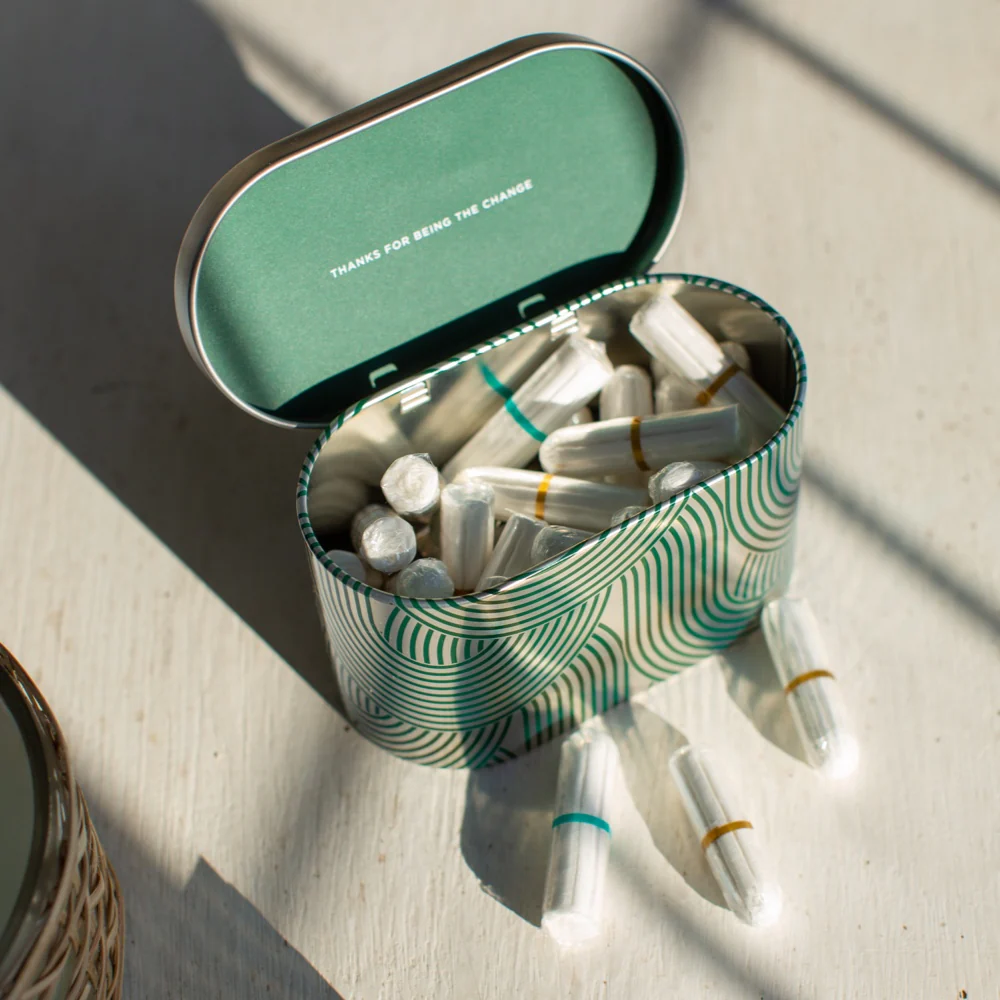
A Reusable Tampon Applicator
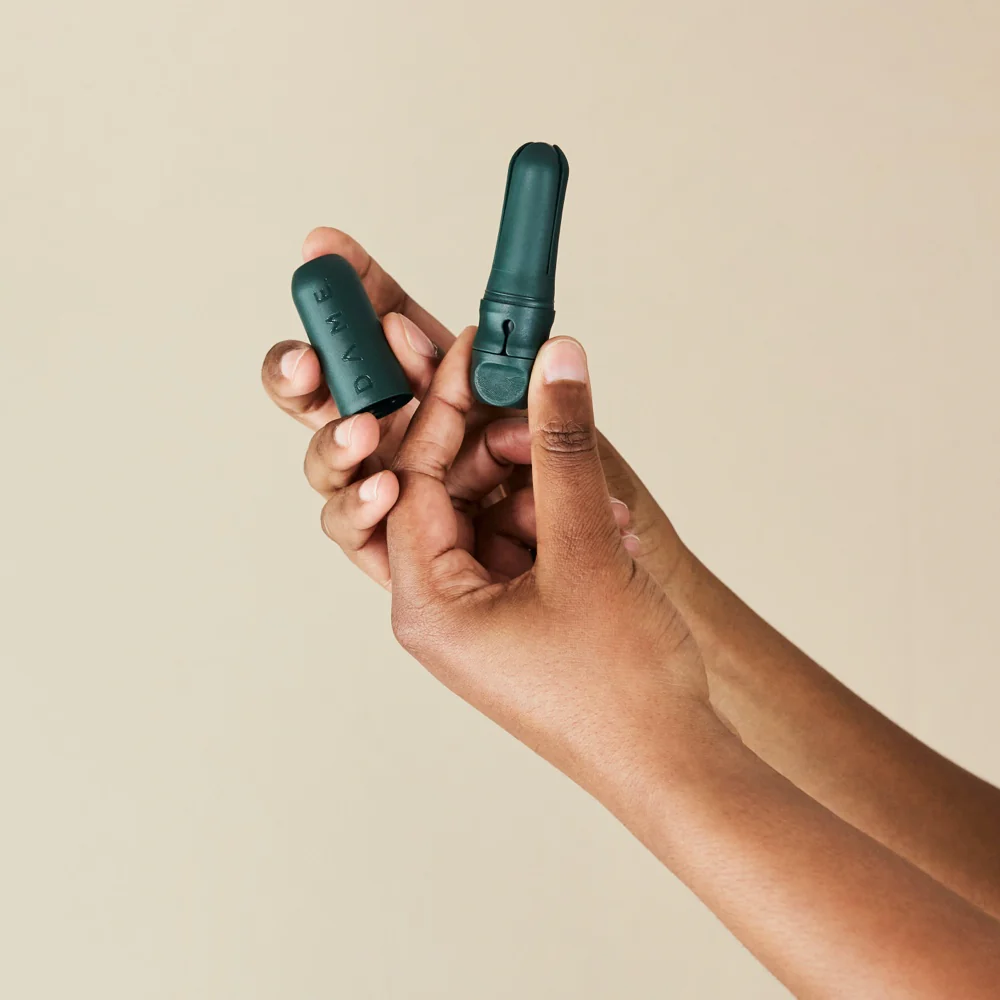
DAME reusable tampon applicator includes a cotton storage pouch and bathroom storage tin, and you can buy a starter kit that include organic cotton tampons.
Just remove the lid, load a tampon, insert the plunger and push through the petals. Then rinse under running water, it works out cheaper than applicator tampons.
The company can also offer tampons for public bathrooms (for business, councils, schools etc) and gives back to period poverty charities.