Zero Waste Newcastle (the Tyne River and wooded valleys)
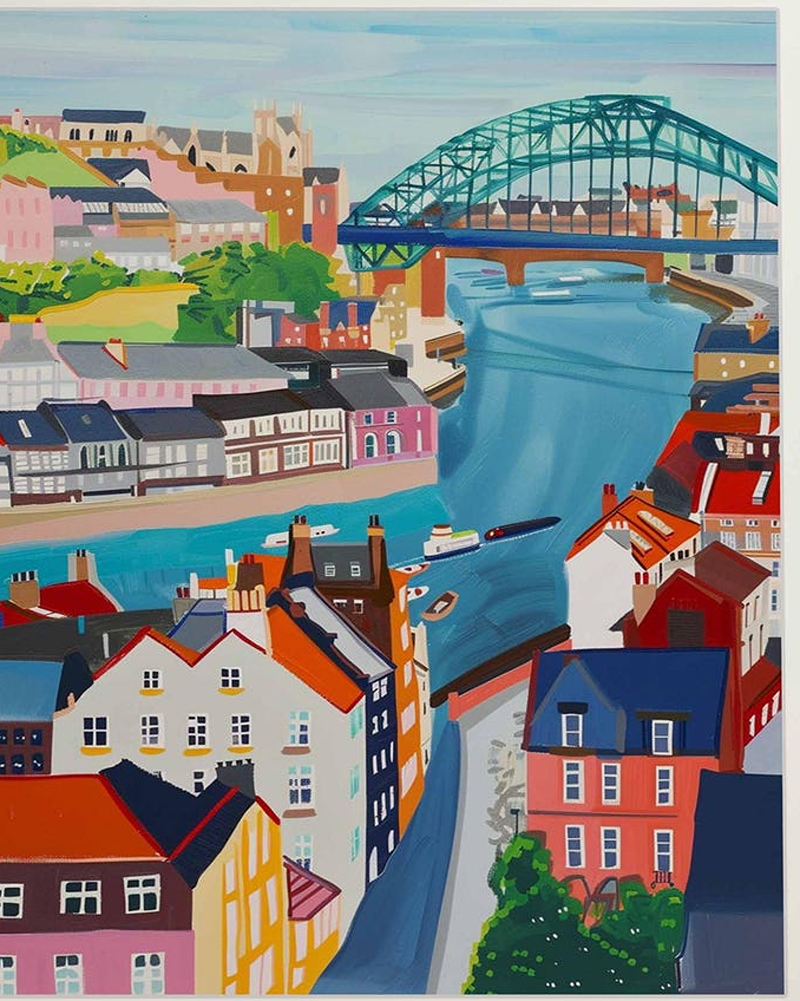
Newcastle upon Tyne is a city shaped by the River Tyne, its bridges and surrounding hills. Alongside its busy streets and historic centre, the city has parks, woodlands, wetlands, gardens and green corridors that provide important places for wildlife. The Tyne connects Newcastle to a wider estuary and coastal landscape, while nearby countryside links urban habitats with the wider North East.
These places support birds, bats, otters, fish, pollinating insects, amphibians and many other species. Nature benefits people too: trees provide shade, green spaces offer places to walk and relax, and healthy rivers and wetlands support local ecosystems.
If out walking, follow the Countryside Code to keep all creatures safe. Keep dogs away from steep banks, mushrooms, cliffs and toxic plants/trees. If at the coast, read how to keep dogs safe by the seaside.
Why protecting nature in Newcastle matters
Healthy habitats support wildlife and provide important benefits for people. Rivers and wetlands sustain aquatic life and can help hold water. Woodlands provide shelter and shade, while grasslands, hedgerows and ponds offer places for wildlife to feed, breed and move through the landscape.
The River Tyne is a major wildlife corridor through Newcastle. Its banks and adjoining green spaces connect the city to the river’s wider catchment and estuary. Protecting water quality, riverbanks and connected green spaces can benefit wildlife well beyond the city centre.
Parks, gardens, allotments, churchyards and roadside verges add further habitat. These spaces are most valuable when they connect with one another and with larger areas of countryside. Wildlife needs safe places to feed, shelter and breed, as well as routes between them.
Nature areas to explore in and around Newcastle
Newcastle and the surrounding area have many places where people can experience nature. Access, facilities and seasonal restrictions vary, so check the relevant land manager’s guidance before visiting.
- Jesmond Dene is a wooded valley with the Ouseburn running through it. Its woodland, paths and water features provide a green retreat close to the city centre.
- Leazes Park is a historic public park near the city centre, with a lake, mature trees, lawns and planted areas. It provides space for recreation and can support urban wildlife.
- Town Moor is a large open area north of the city centre, used for recreation and managed grazing. Its open landscape provides a contrast to the built-up city and can support grassland wildlife.
- The Ouseburn Valley combines waterways, paths, green spaces and urban development. Its river corridor and surrounding vegetation provide habitat and a route for wildlife.