Zero Waste Stoke on Trent (River Trent and lots of canals)
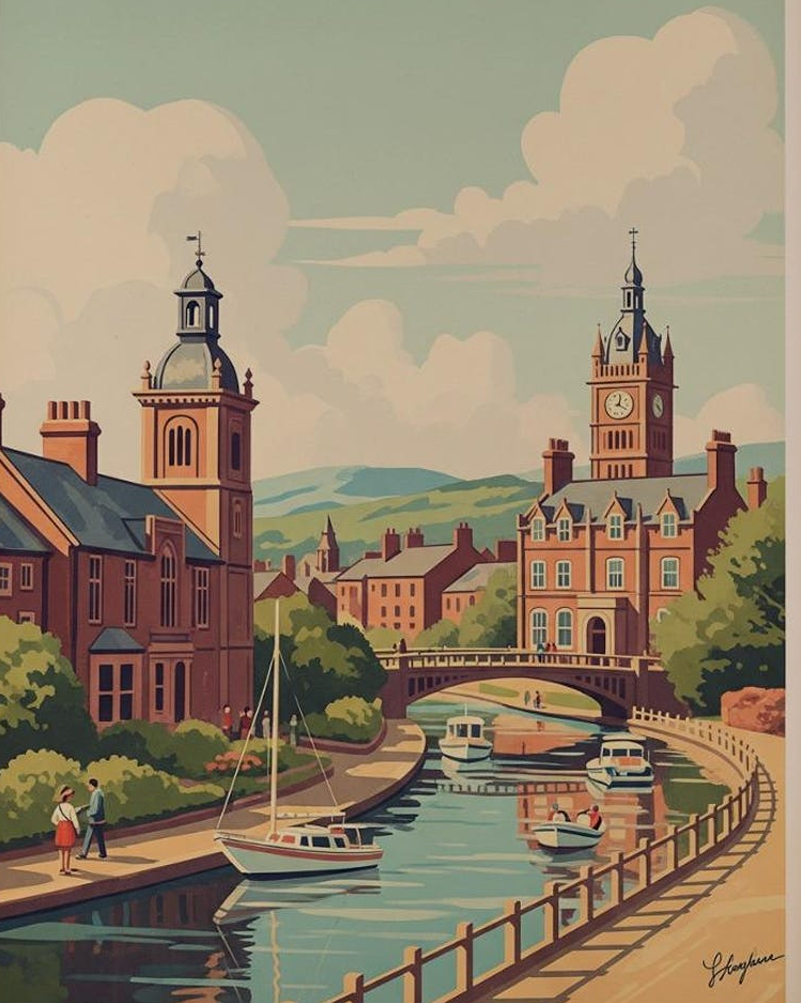
Stoke-on-Trent is known for its pottery heritage, but its natural environment is equally worth protecting. The city’s six towns are connected by parks, canals, rivers, woodlands, green corridors and open countryside. The River Trent and its tributaries, the Caldon Canal, and nearby landscapes such as the Staffordshire Moorlands provide important places for wildlife.
These habitats support birds, bats, otters, fish, pollinating insects, amphibians and many other species. Nature benefits people too: trees offer shade, wetlands can help manage water, and parks and canal paths provide places to walk and relax.
Why protecting nature in Stoke-on-Trent matters
Healthy habitats support wildlife and provide important benefits for people. Rivers and wetlands sustain aquatic life and can help hold water. Woodlands provide shelter and shade, while grasslands, hedgerows and ponds offer places for wildlife to feed, breed and move through the landscape.
The River Trent and its tributaries form important wildlife corridors across the area. Canals and waterways also connect habitats, while green spaces help wildlife move through the urban landscape. Protecting these connections can benefit species that need more than one habitat to feed, shelter and breed.
Nature areas to explore in and around Stoke-on-Trent
Stoke-on-Trent and the surrounding area have many places where people can experience nature. Access, facilities and seasonal restrictions vary, so check the relevant land manager’s guidance before visiting.
- Hanley Park is a large public park with mature trees, open lawns, planted areas and paths. It provides space for recreation and can support urban wildlife.
- Westport Lake is a popular green space with a large lake, paths and open areas. The water and surrounding vegetation provide habitat for birds and other wildlife.
- Park Hall Country Park includes woodland, grassland and distinctive geological landscapes. It offers walking routes and a chance to experience habitats beyond the built-up parts of the city.
- The Caldon Canal passes through the area and provides a waterside route for walking and cycling. Its banks, hedges and nearby habitats can support birds, insects and other wildlife.